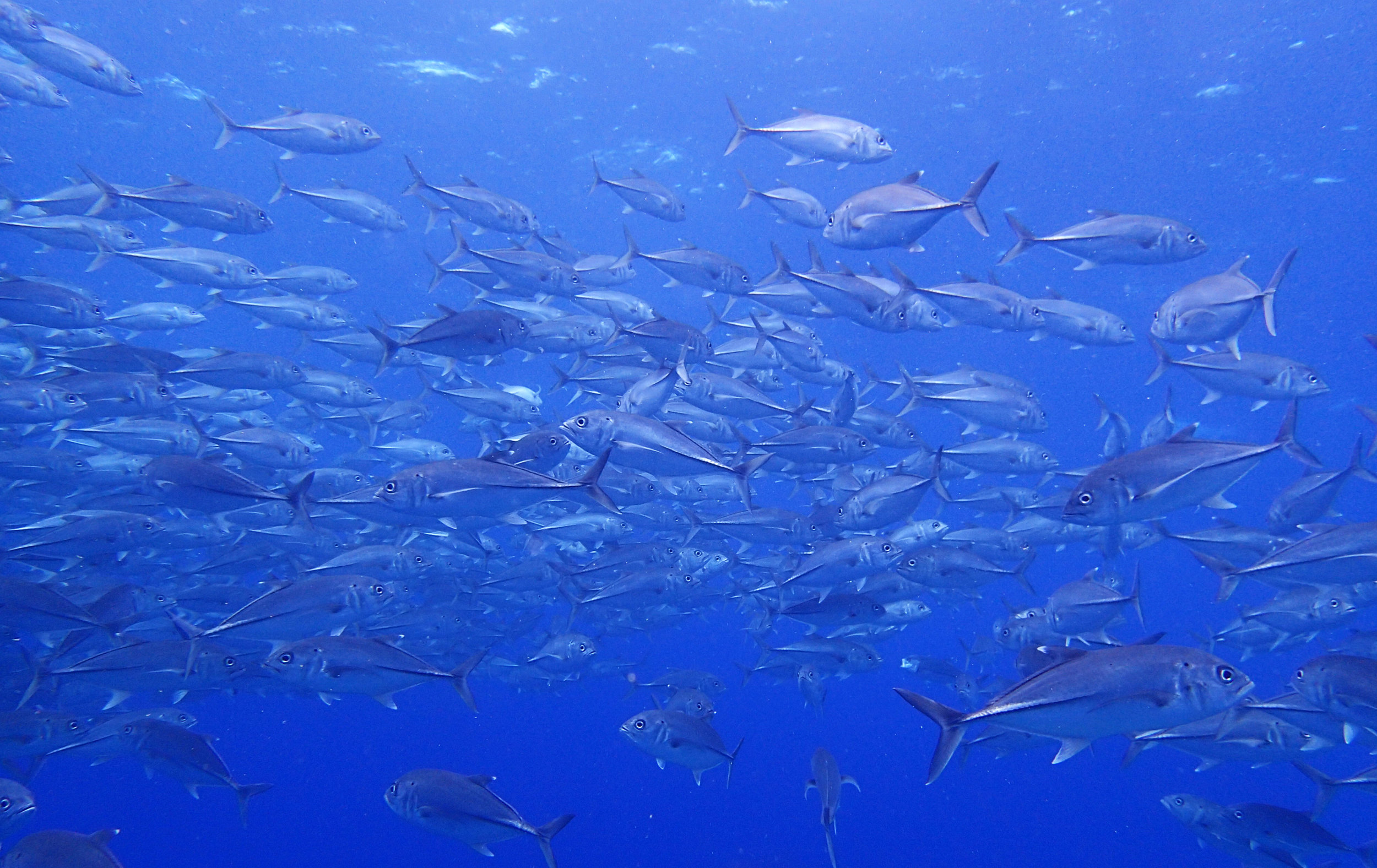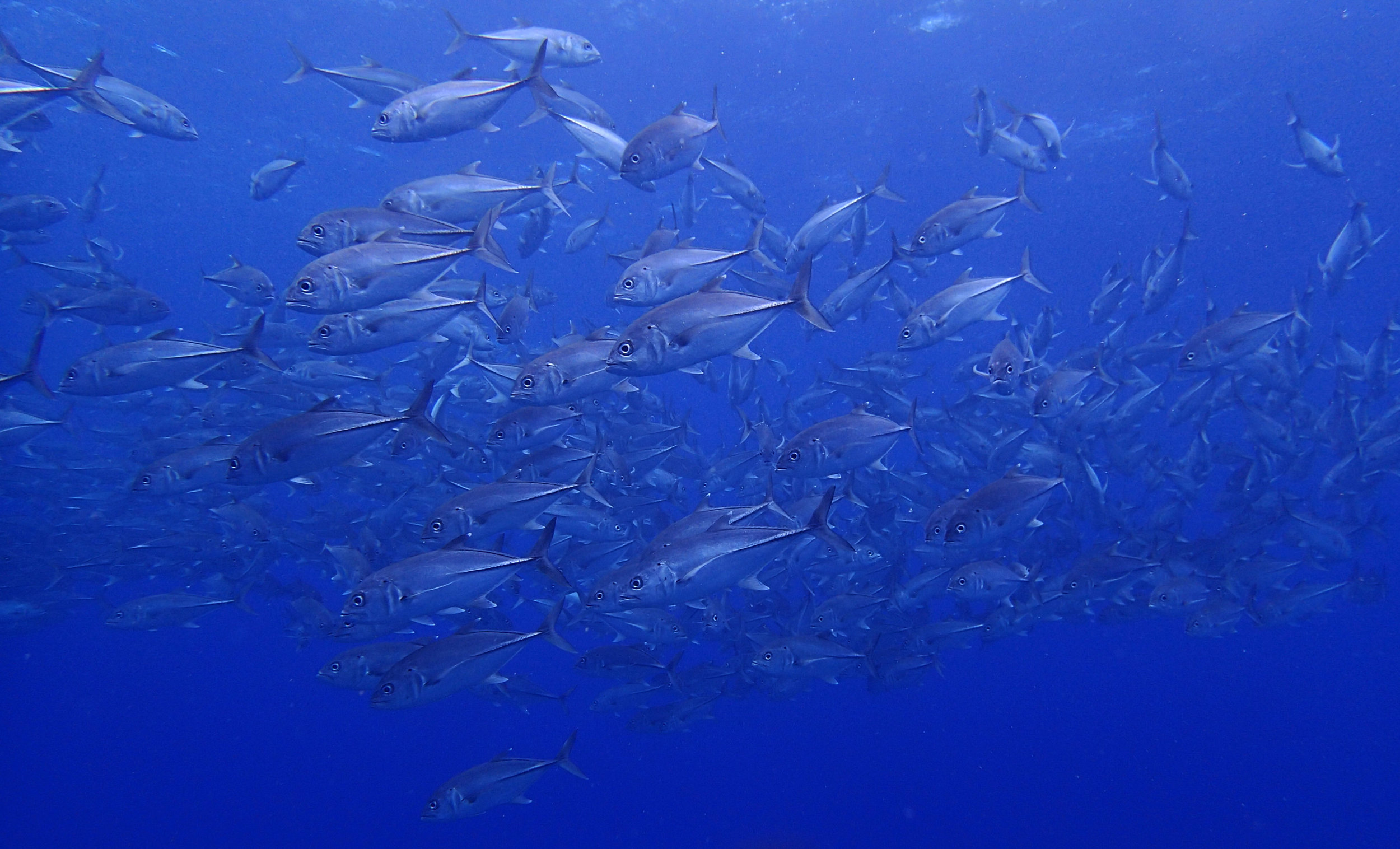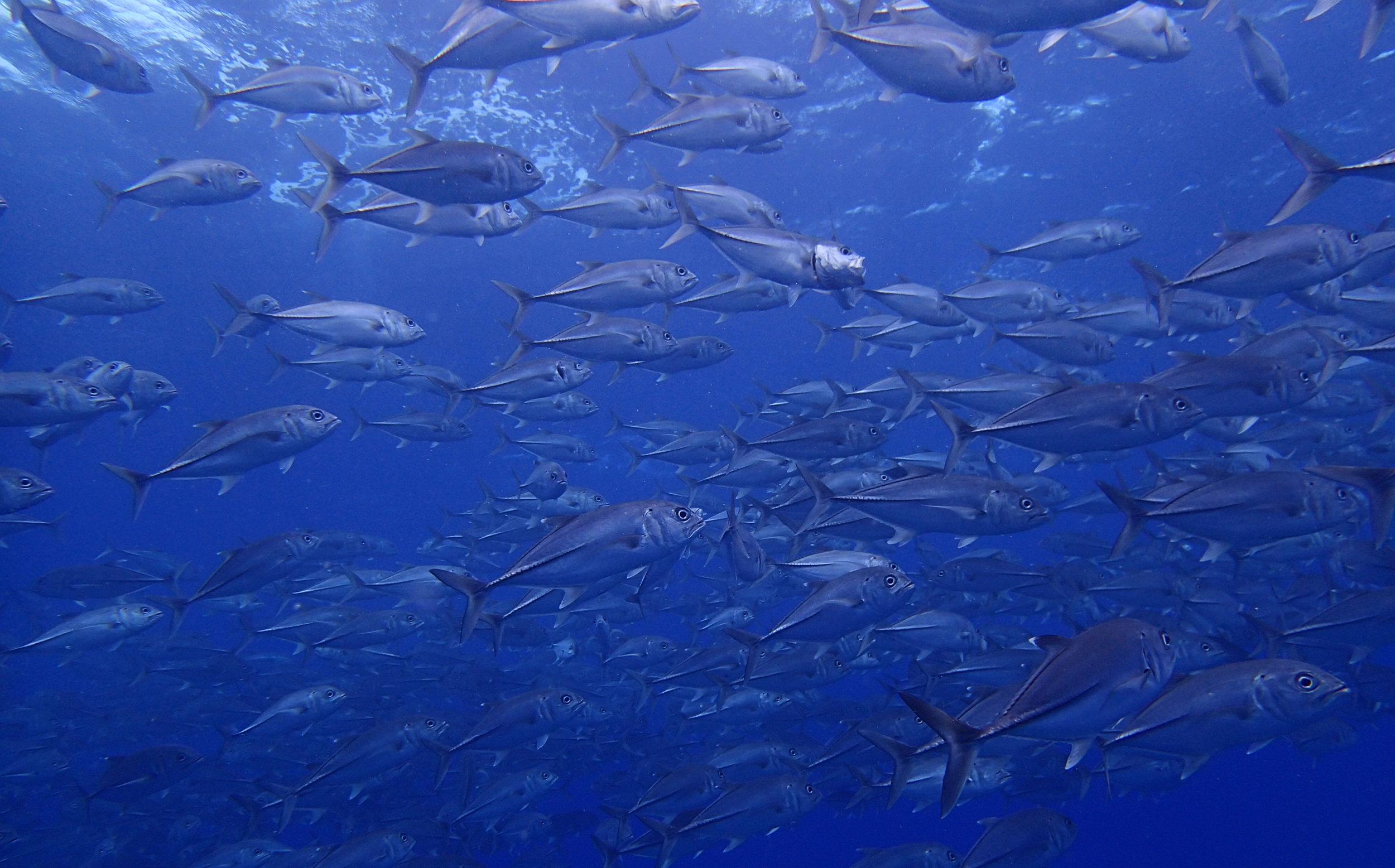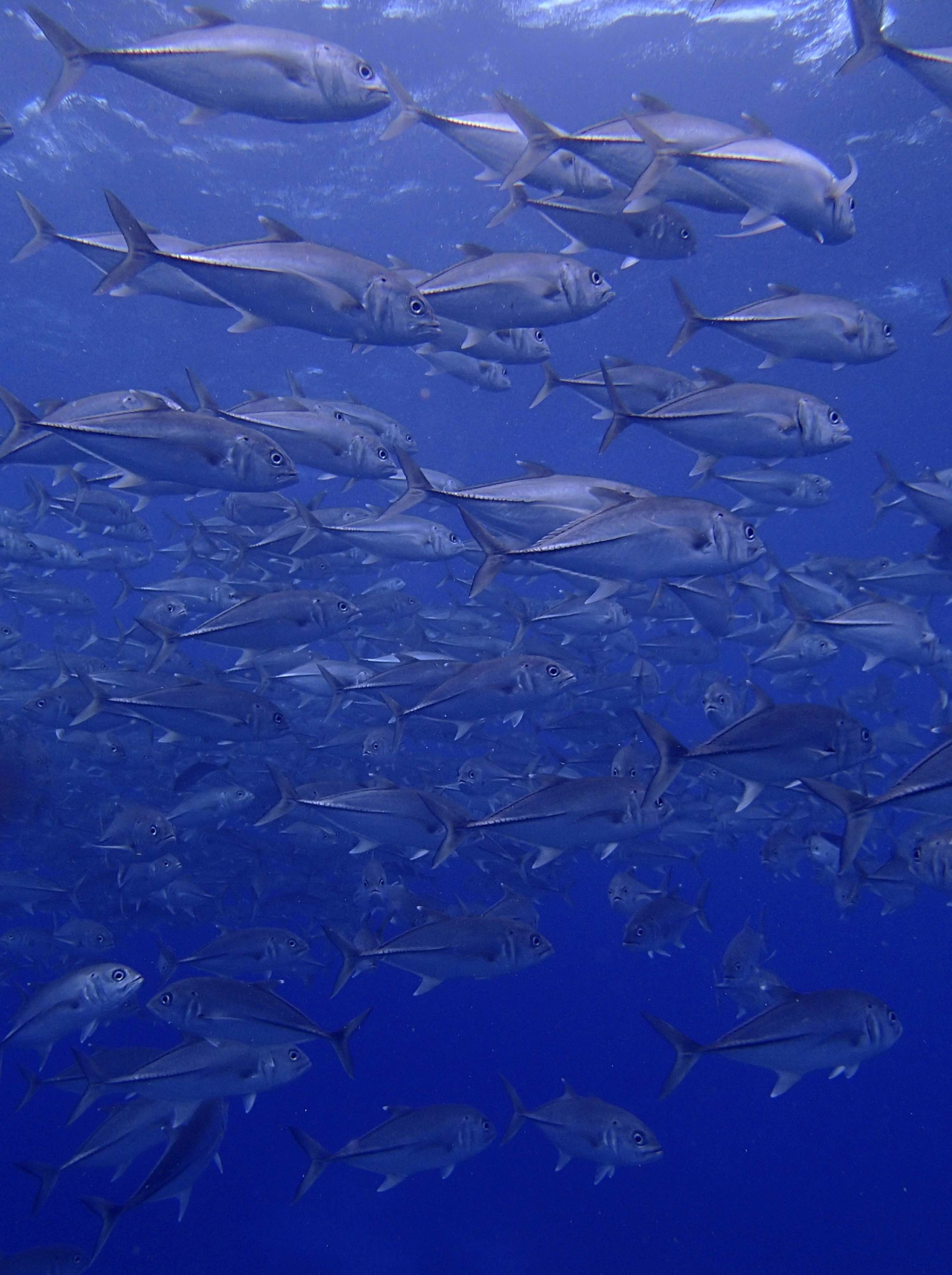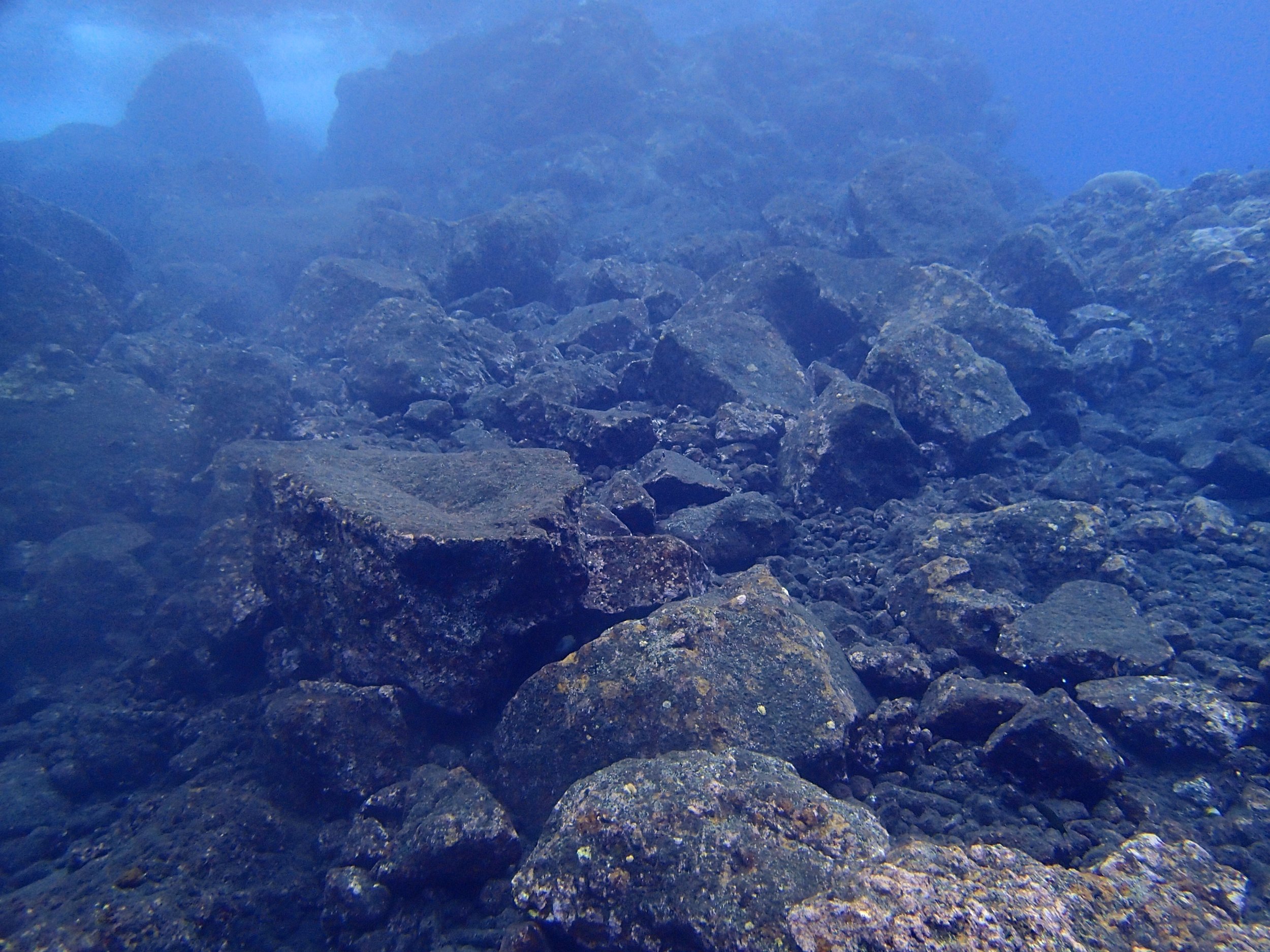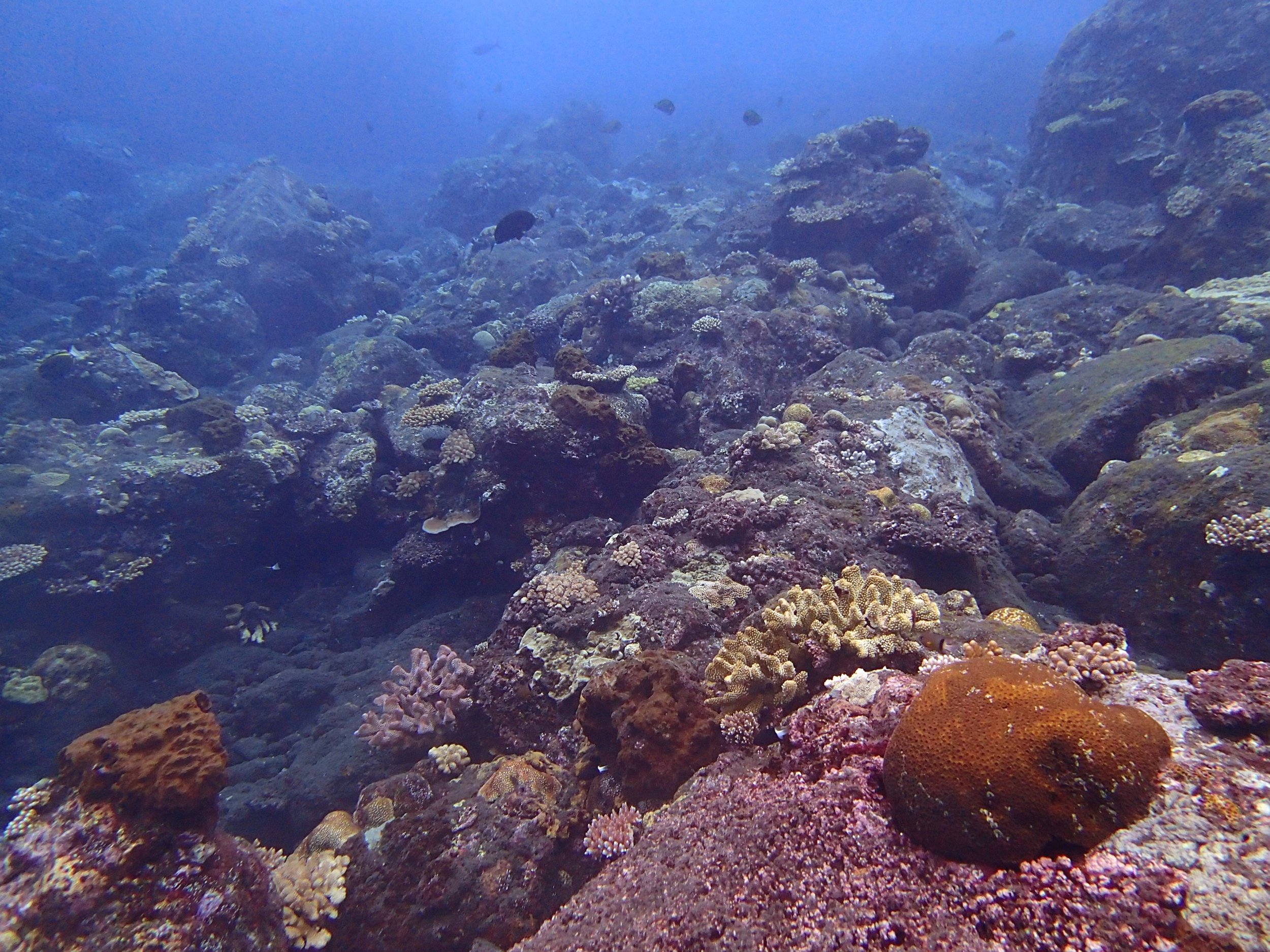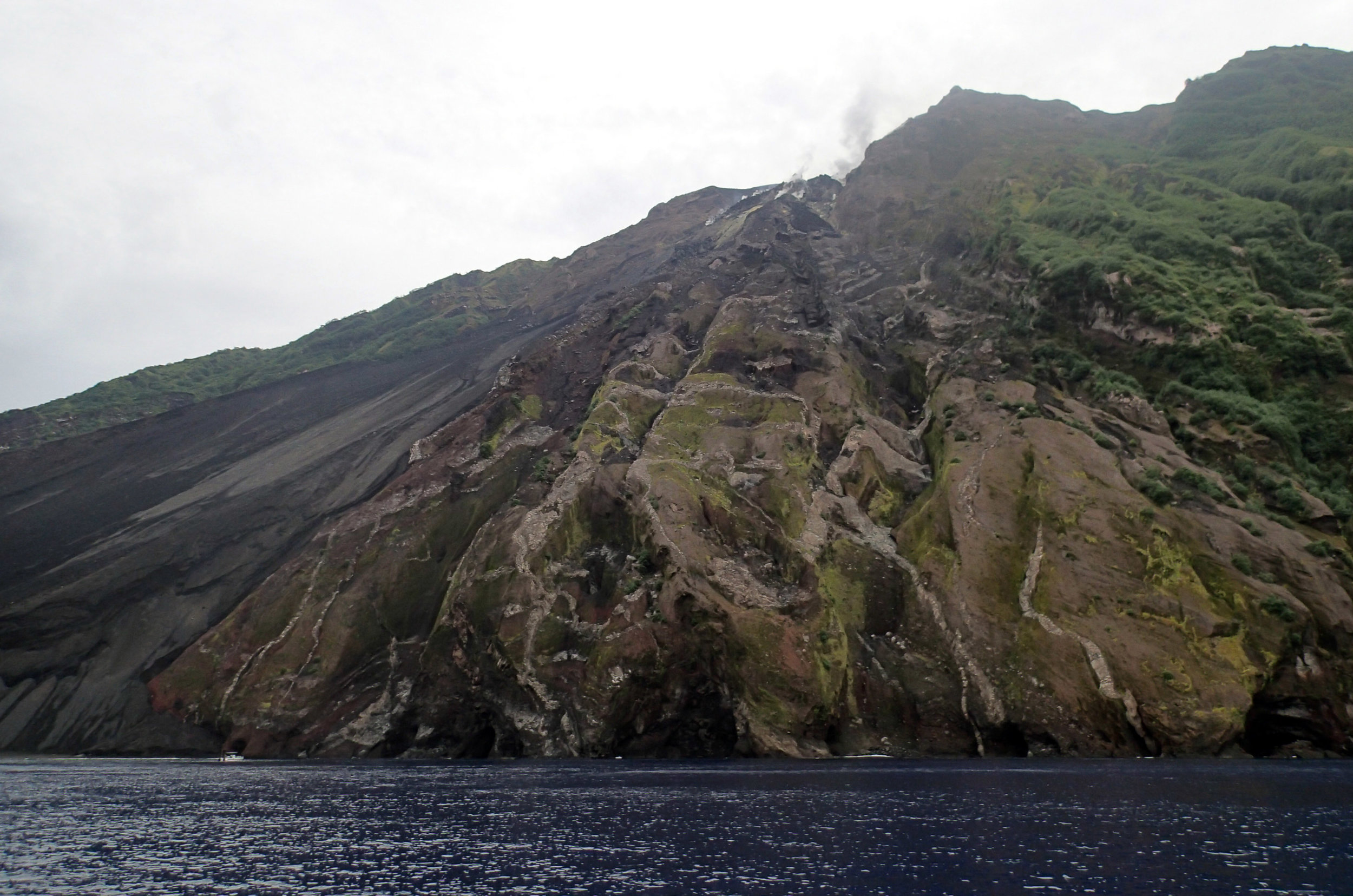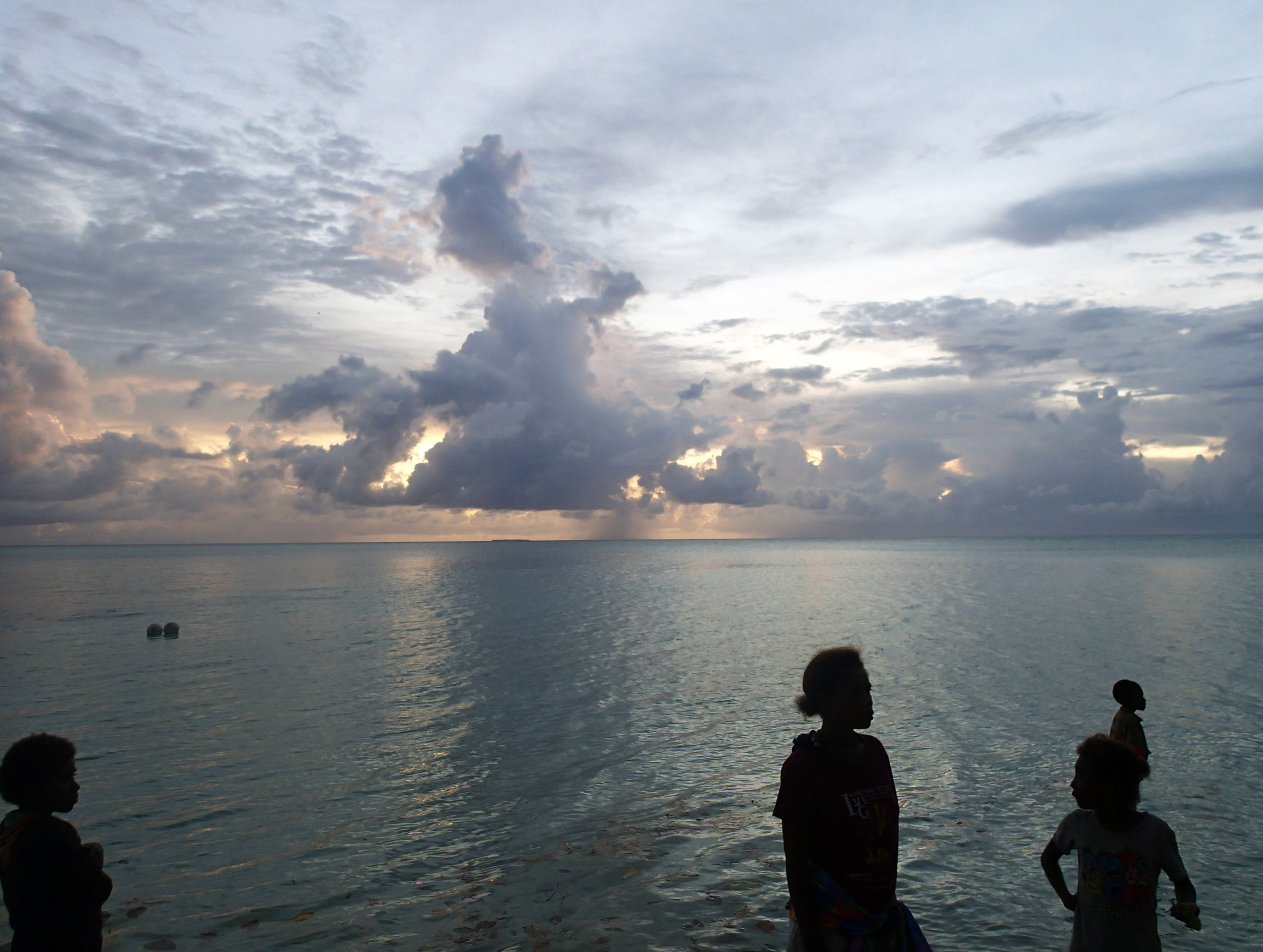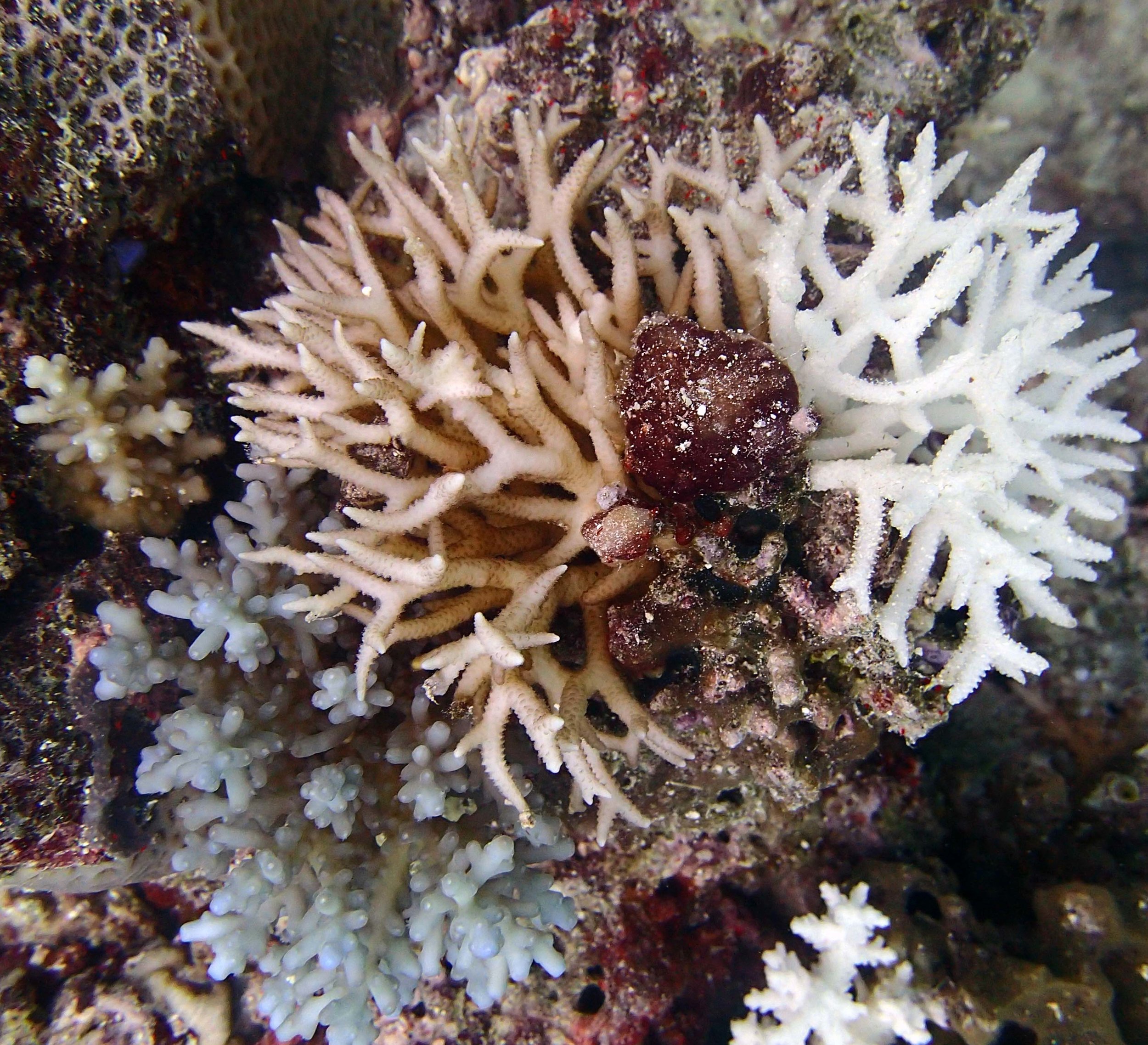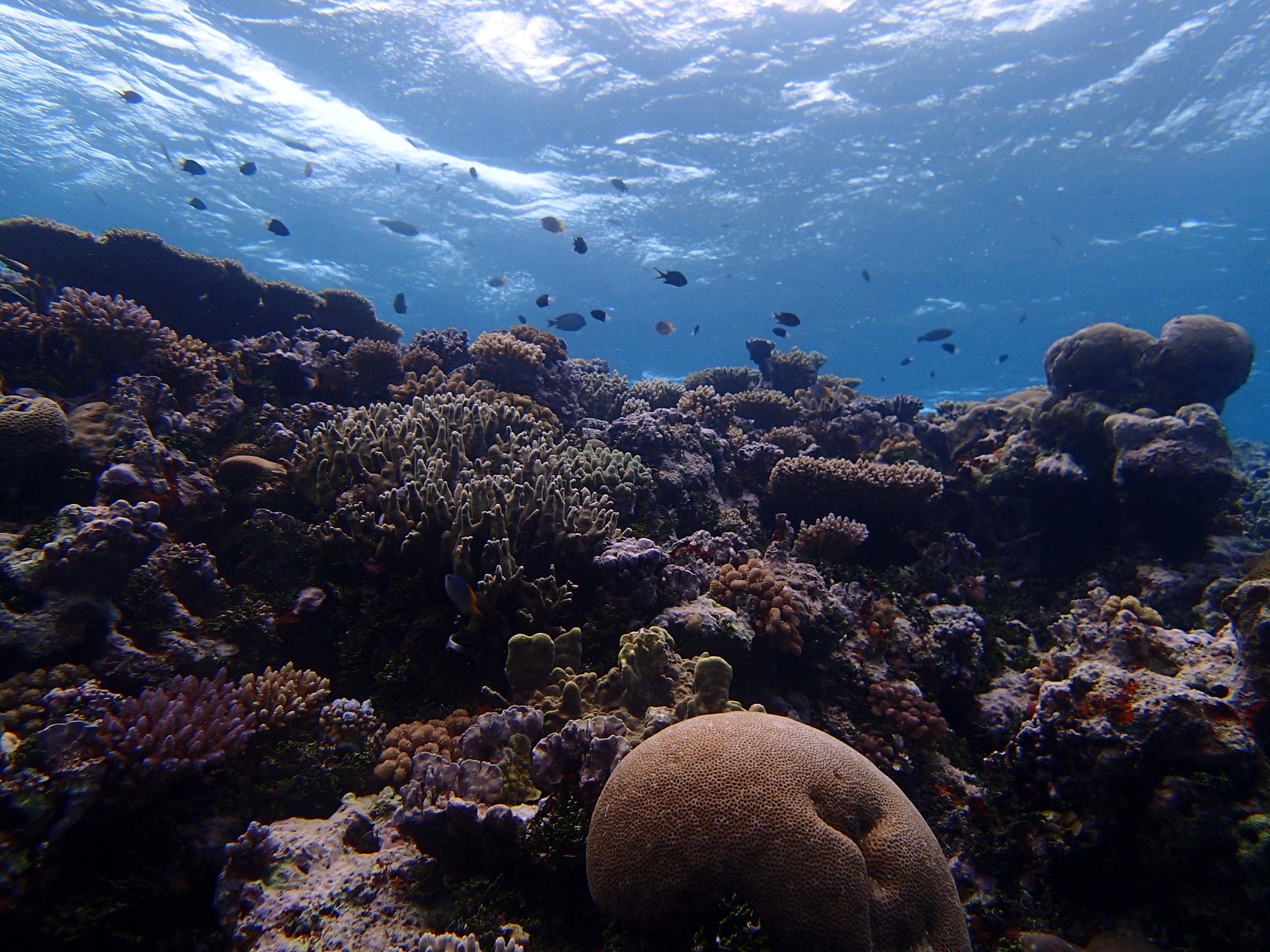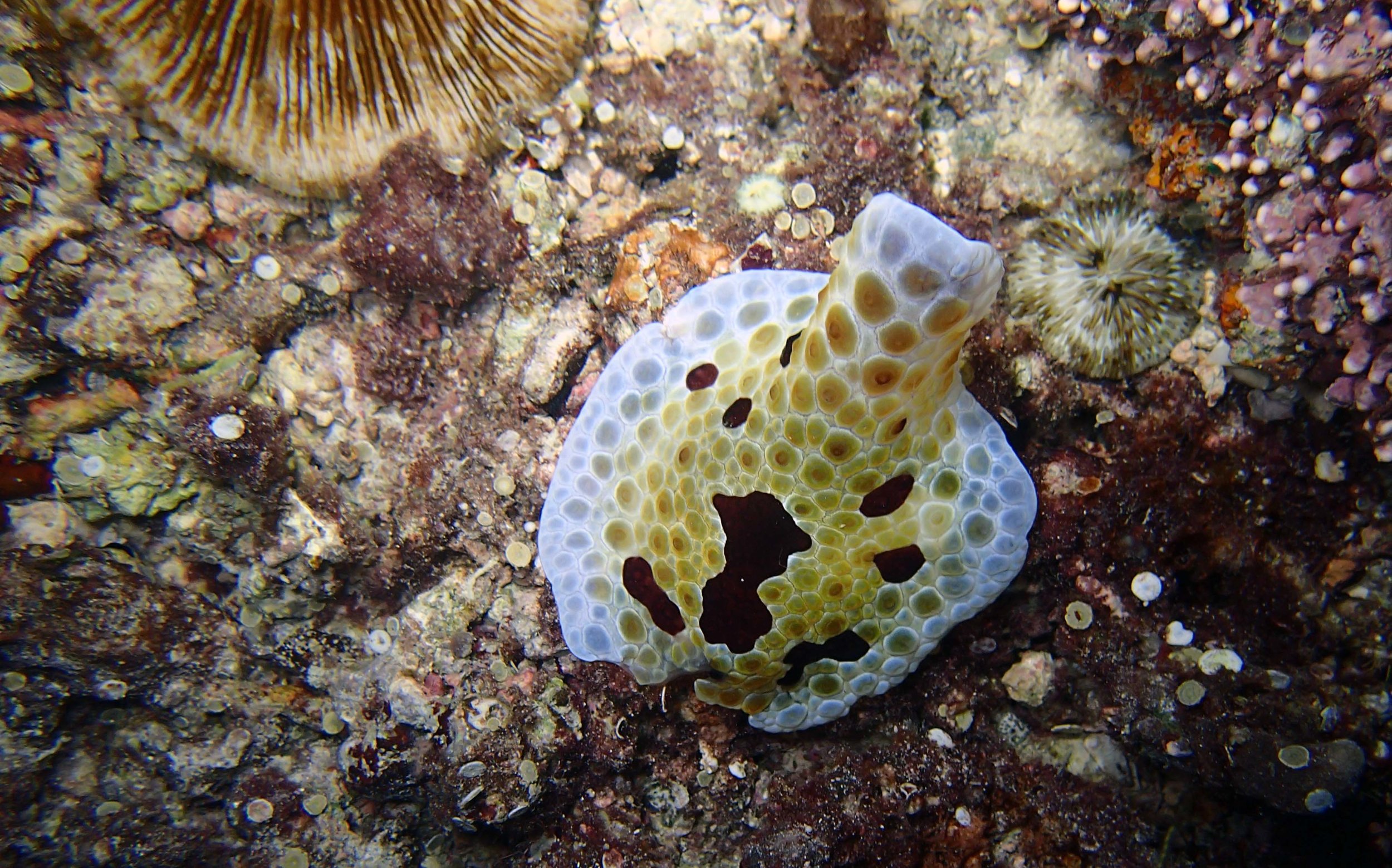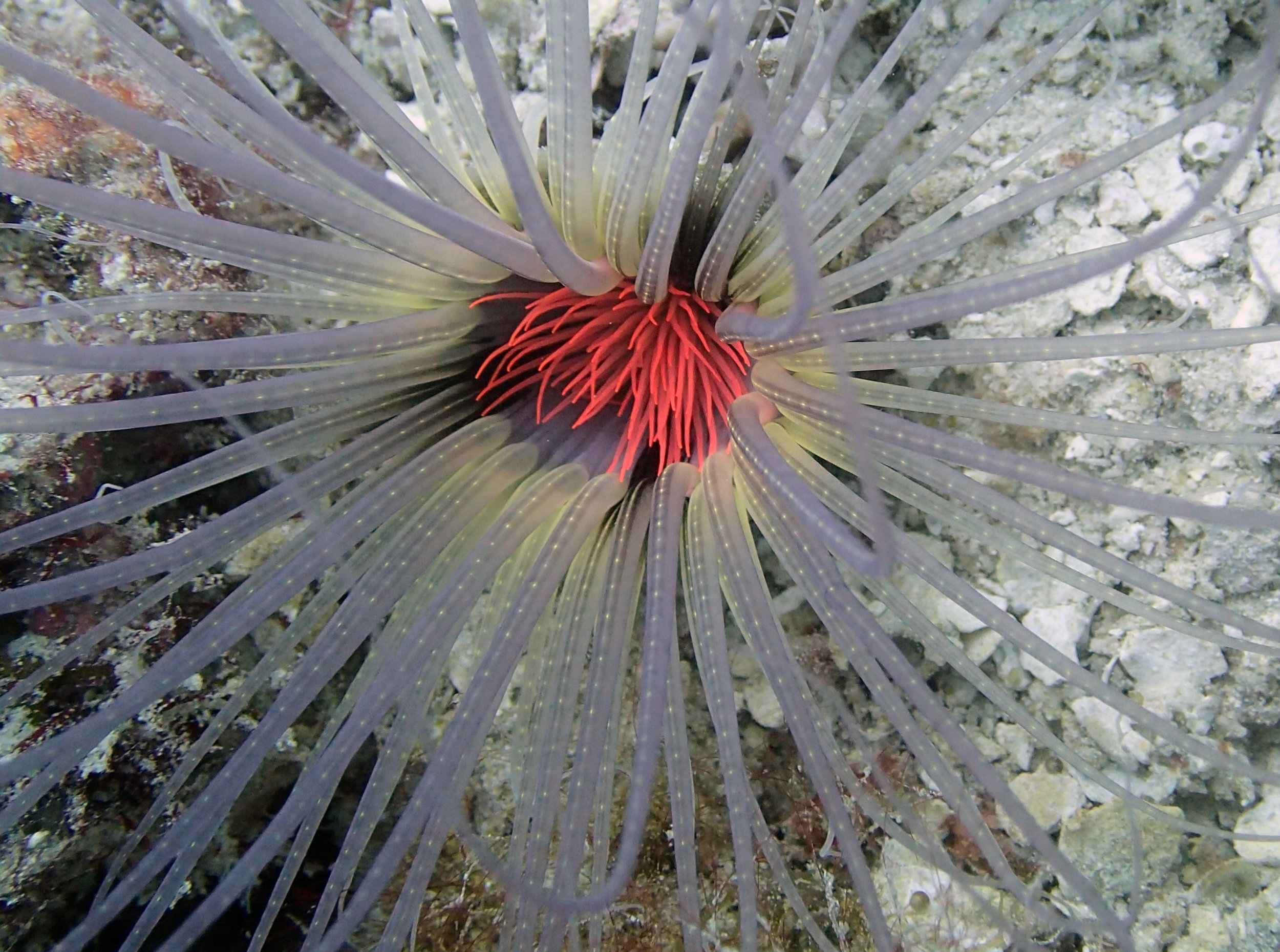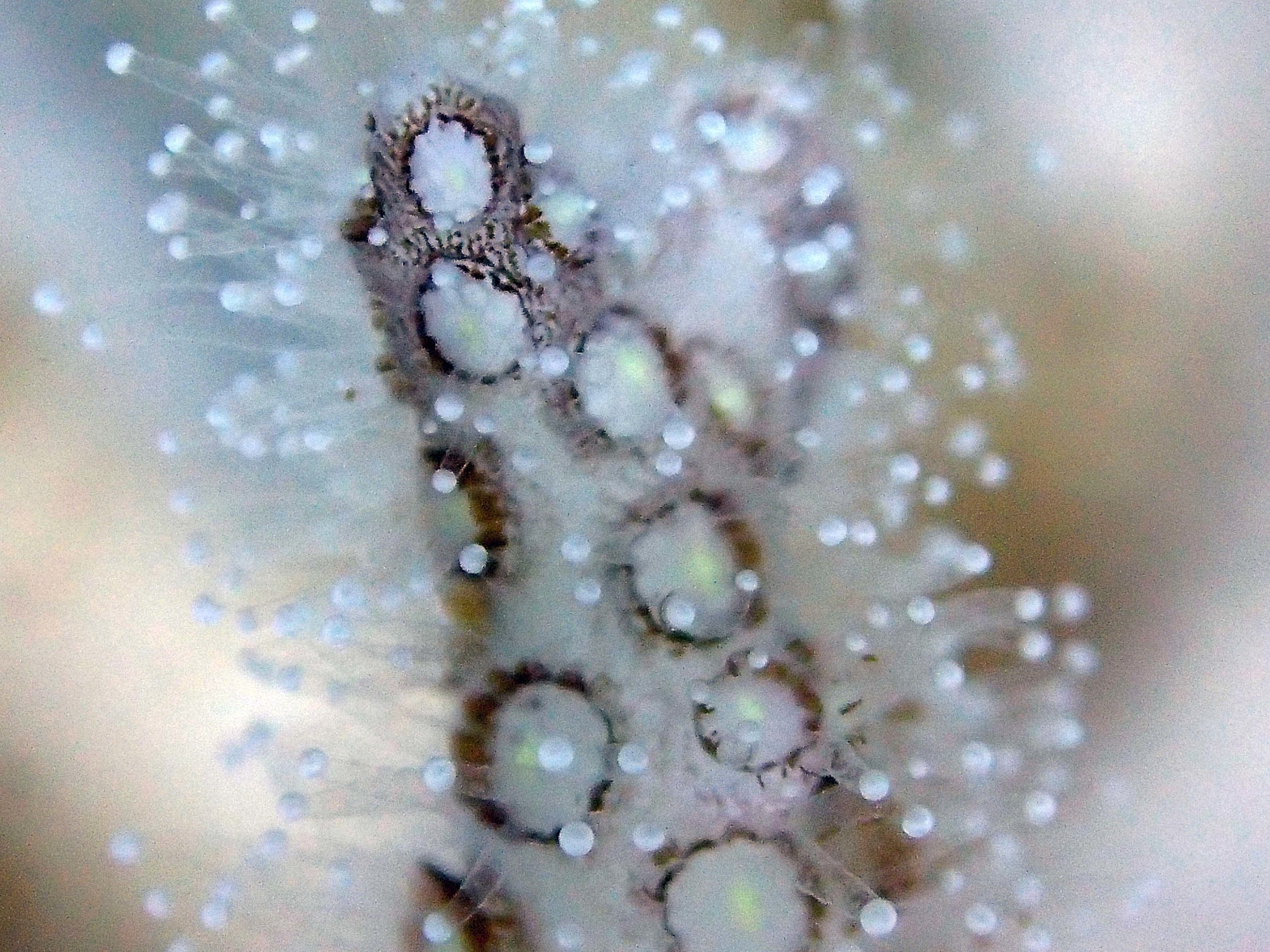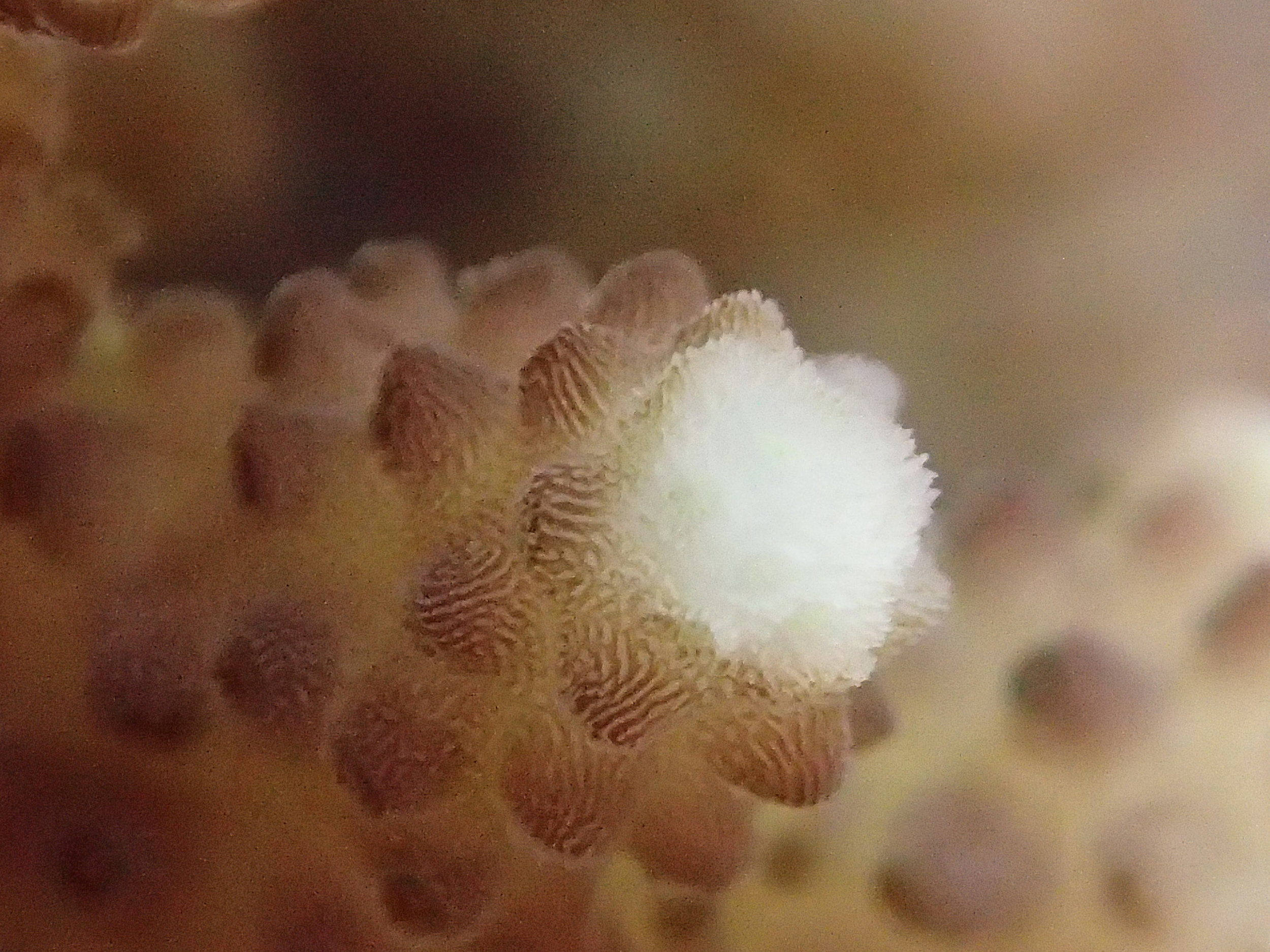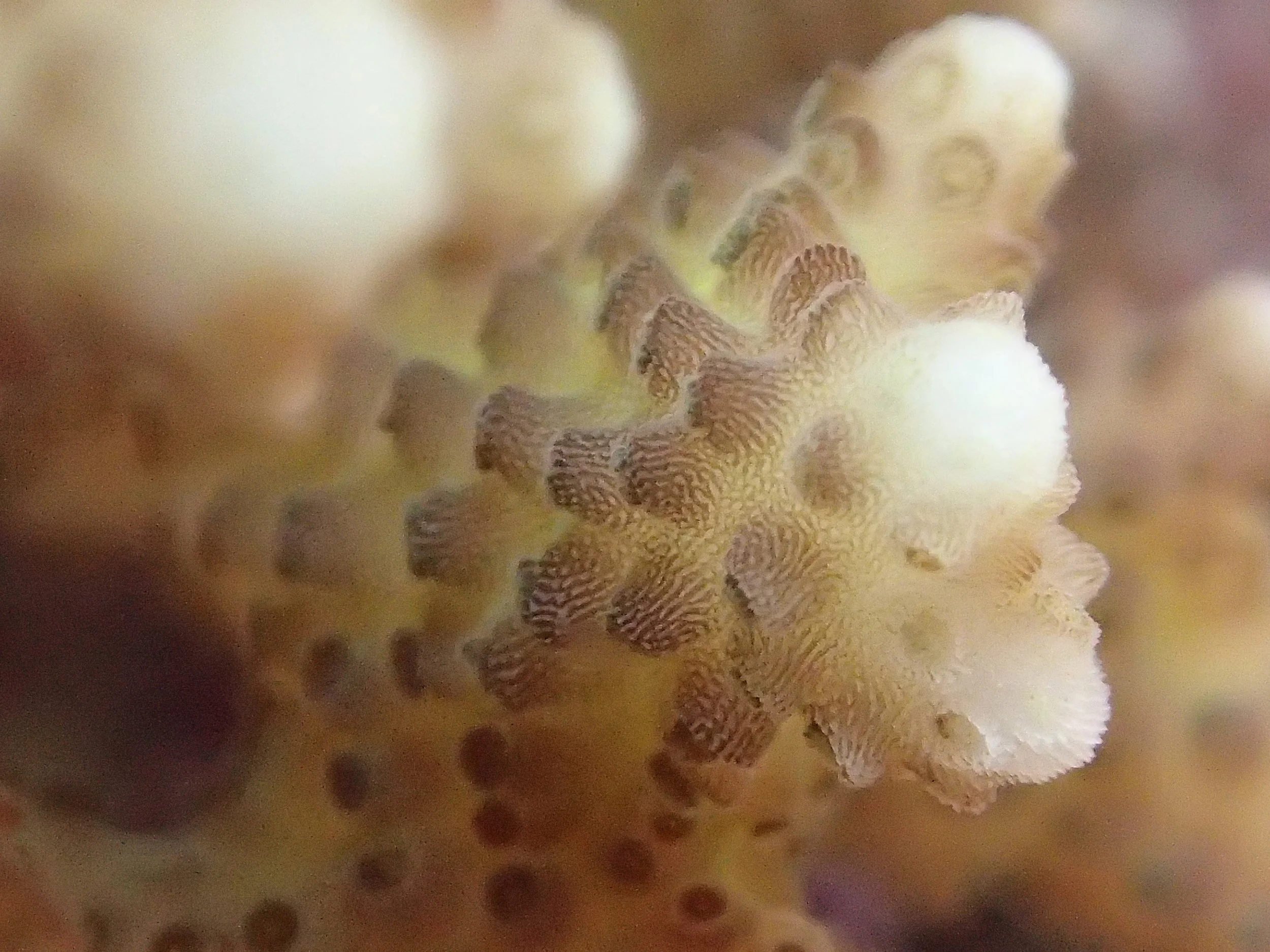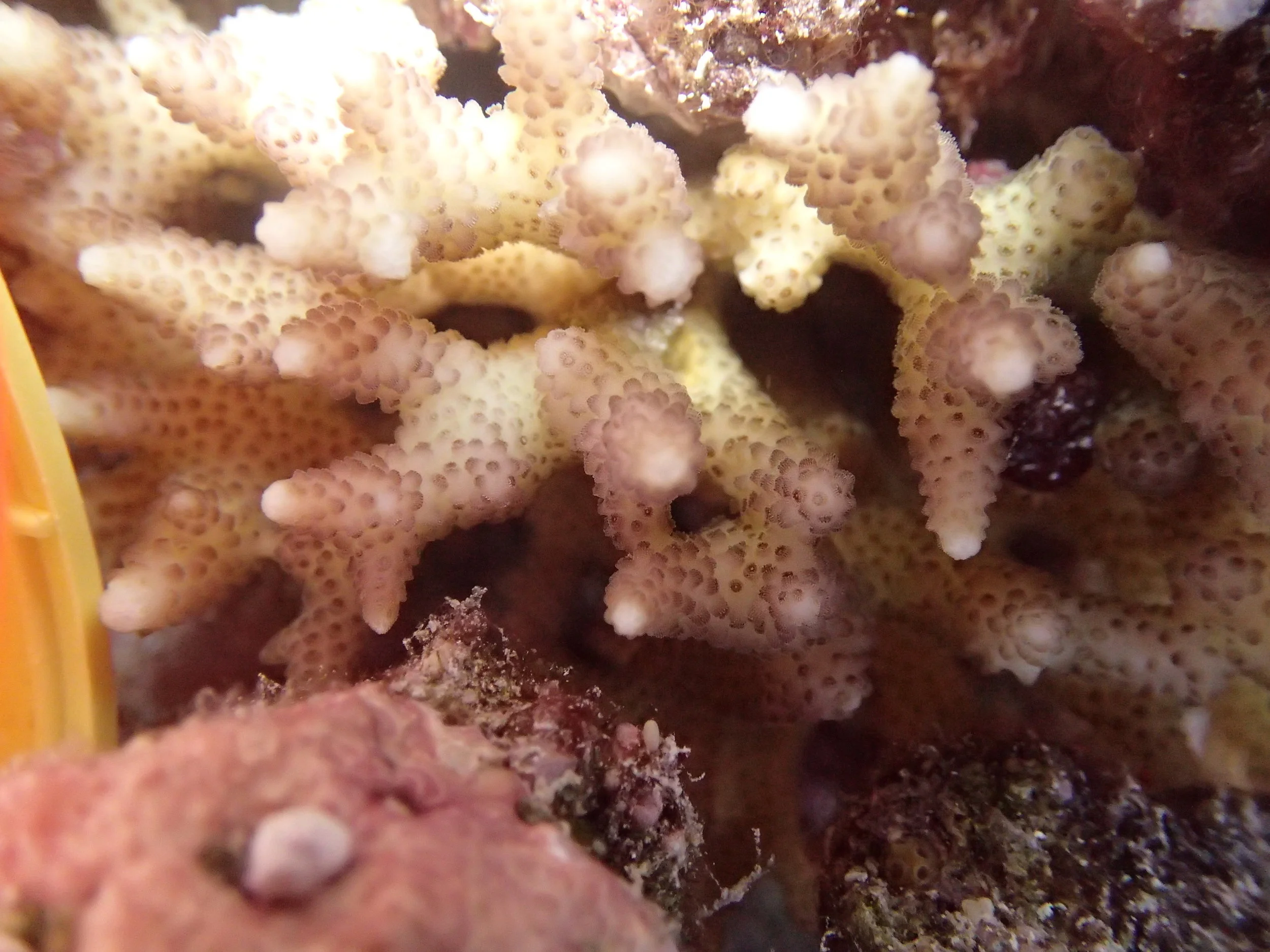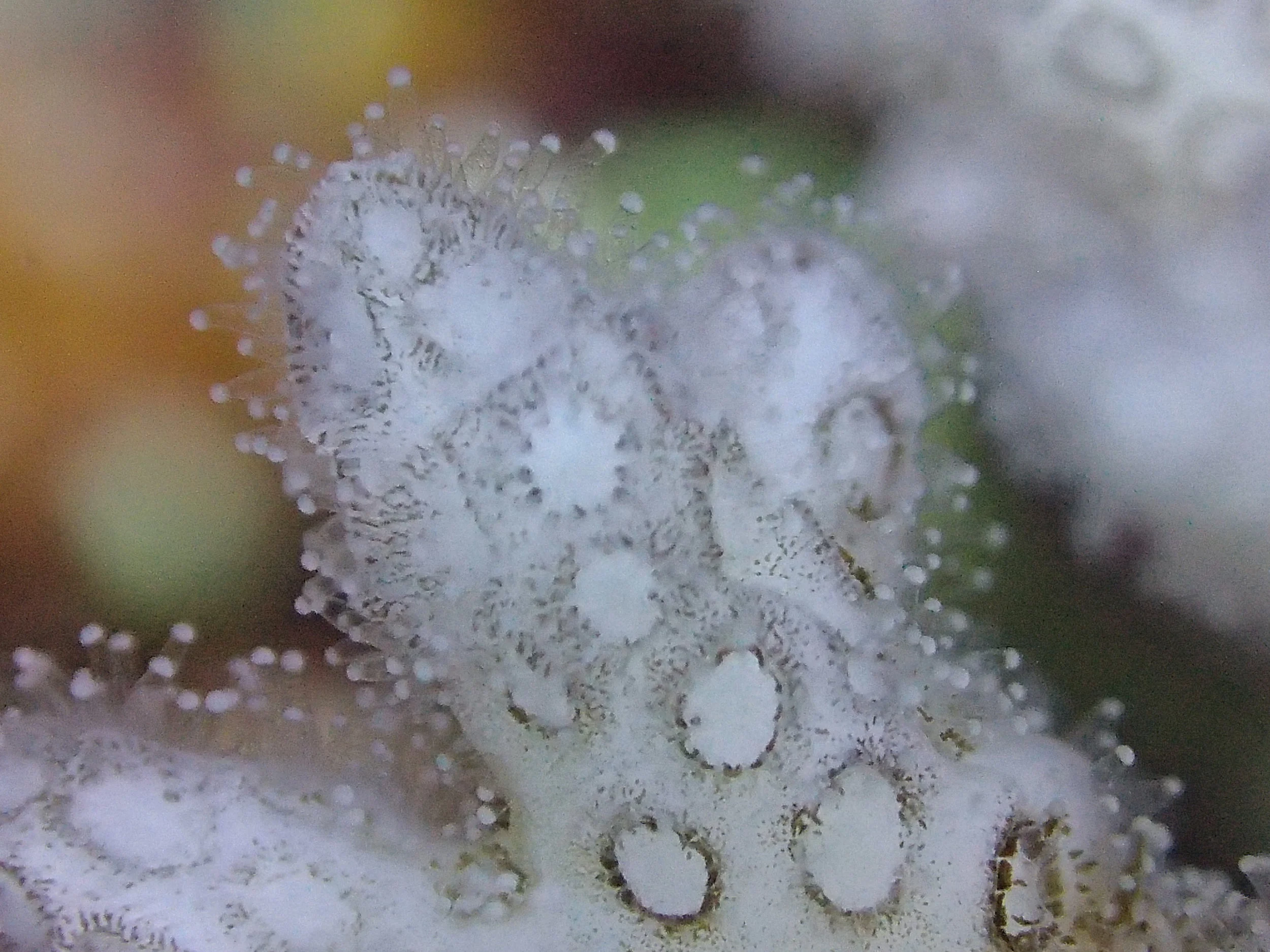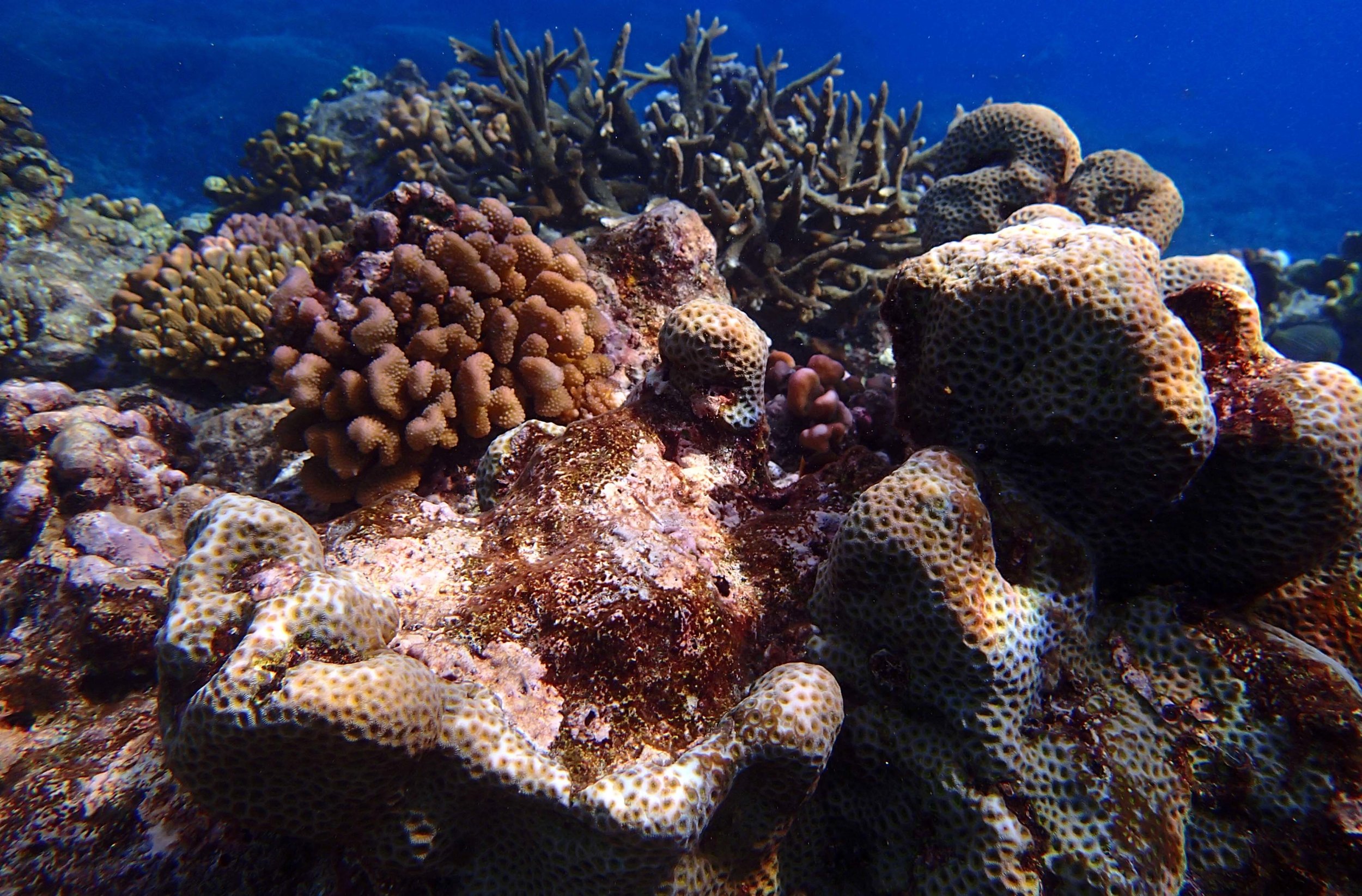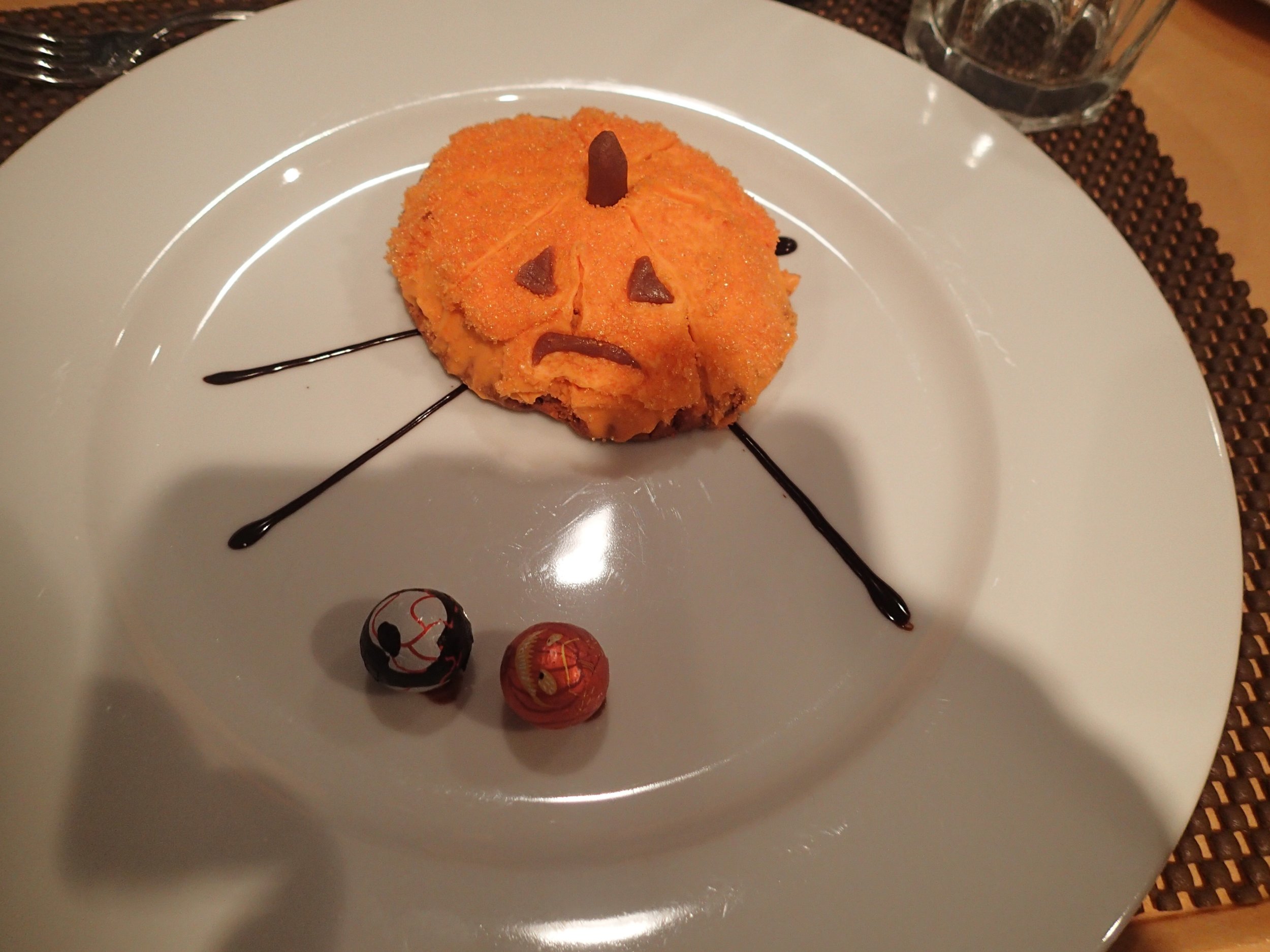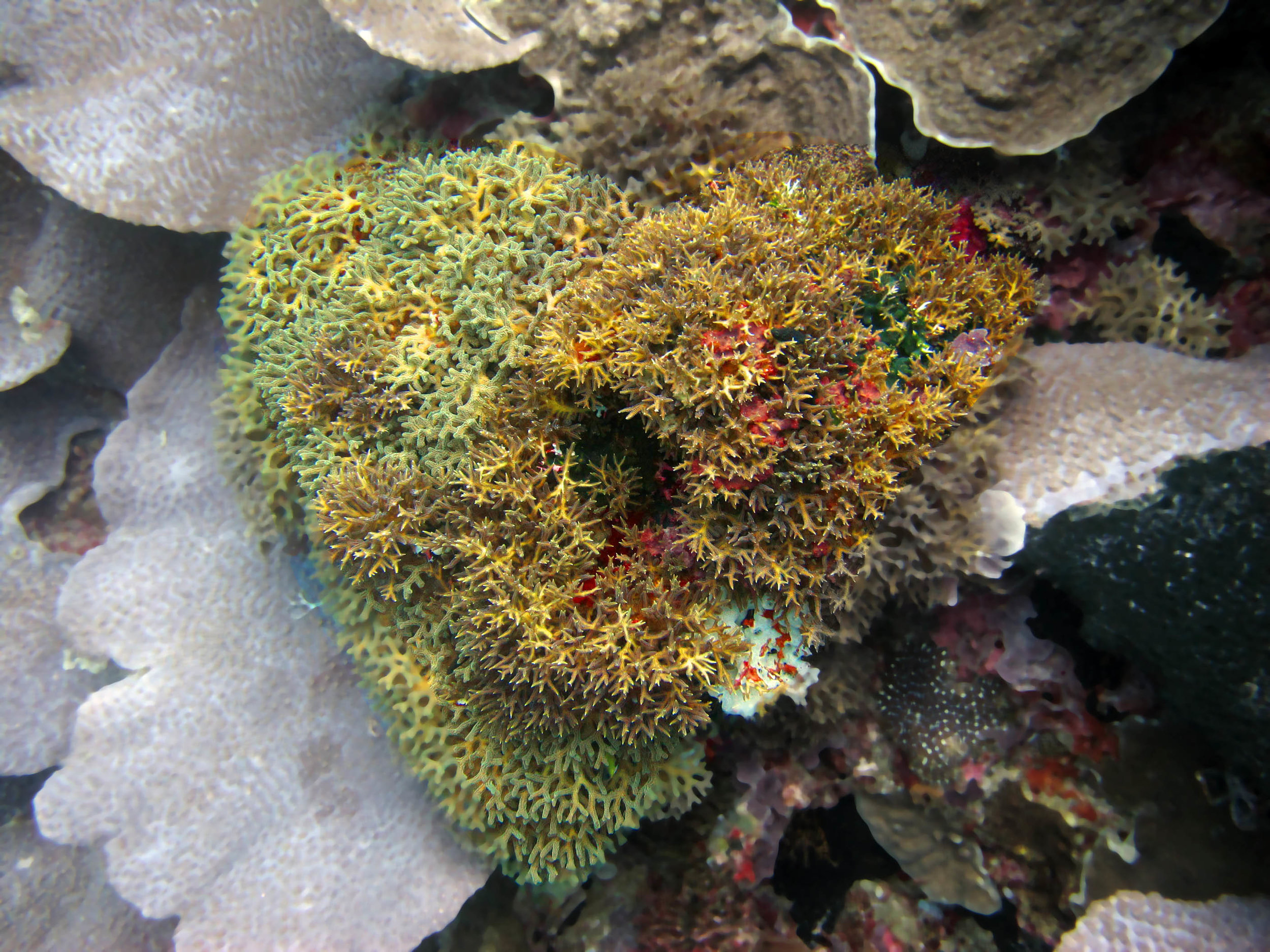
Does this look like a heart to anyone else?
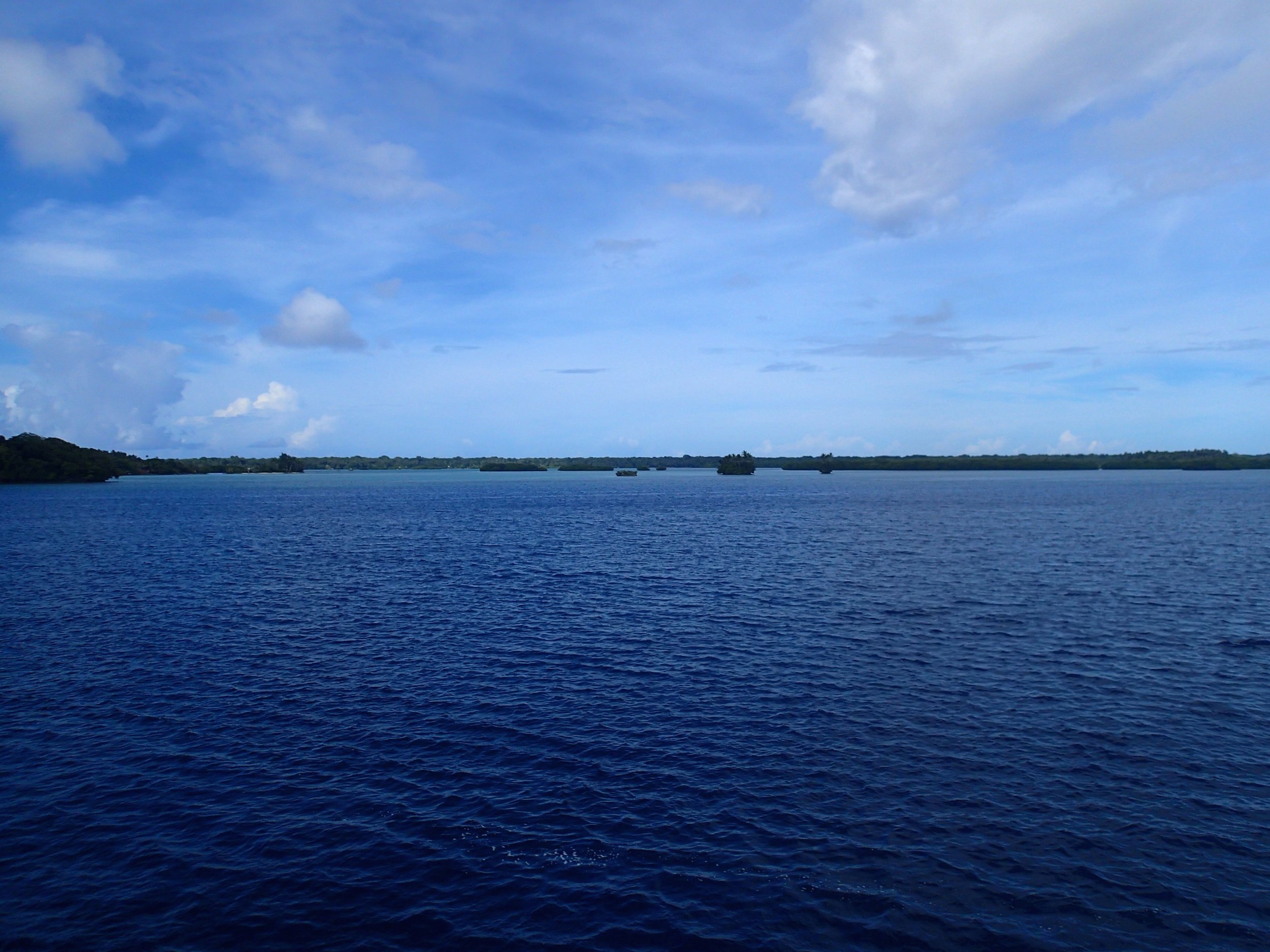
In Oct.-Nov. of 2014, the Khaled Bin Sultan Living Oceans Foundation surveyed the most remote, eastern reefs of the Solomon Islands. To read about research goals, click here, and to check out an article on predicting coral cover in the country, click here.
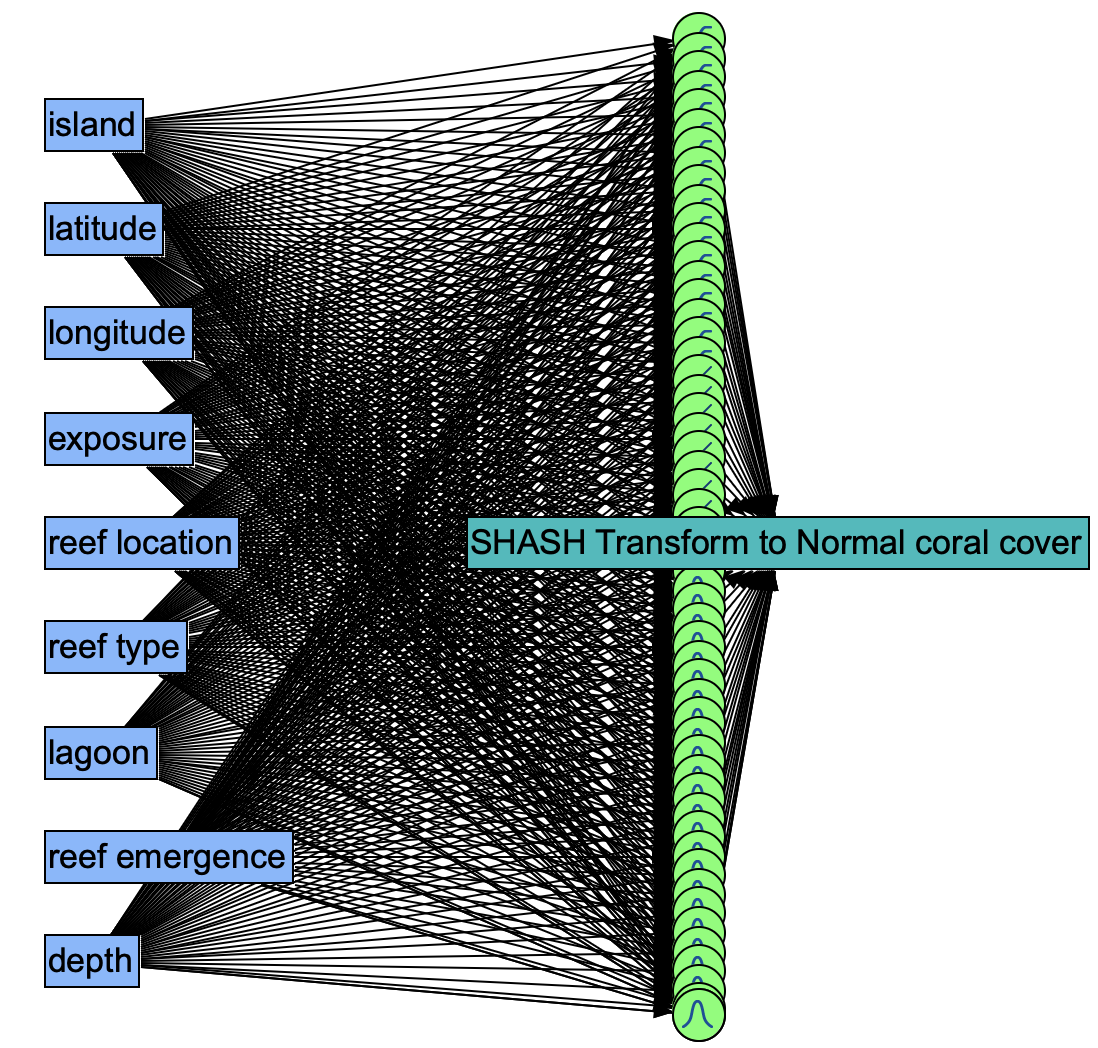
Another goal was to try to use machine-learning to determine the likely locations of, and environmental conditions associated with, the most climate change-tolerant pocilloporids. Use the GUI below to explore areas of varying coral cover (%) and coral health index (CHI) scores across the Solomon Islands, of which the latter topic is discussed in this article.

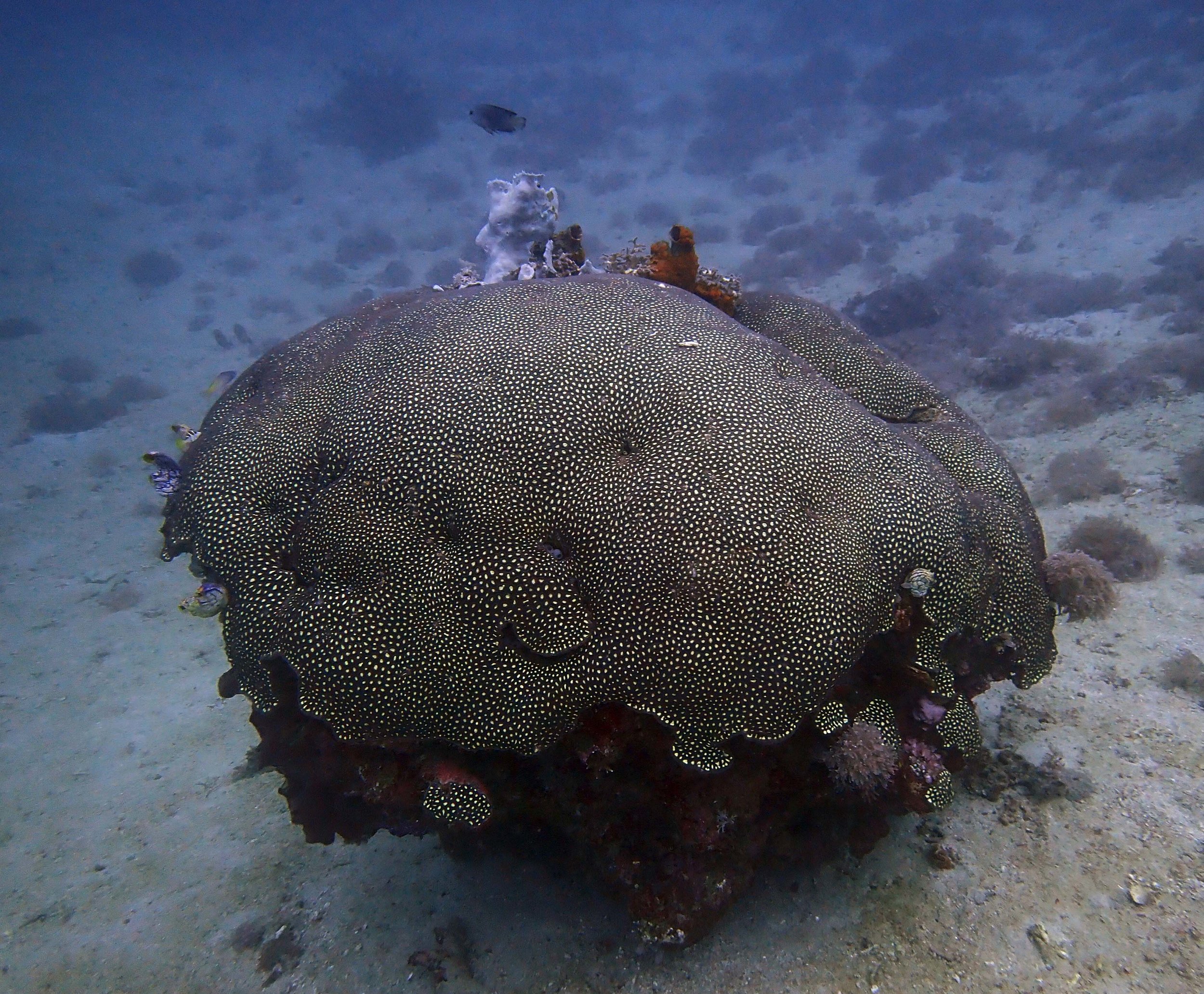
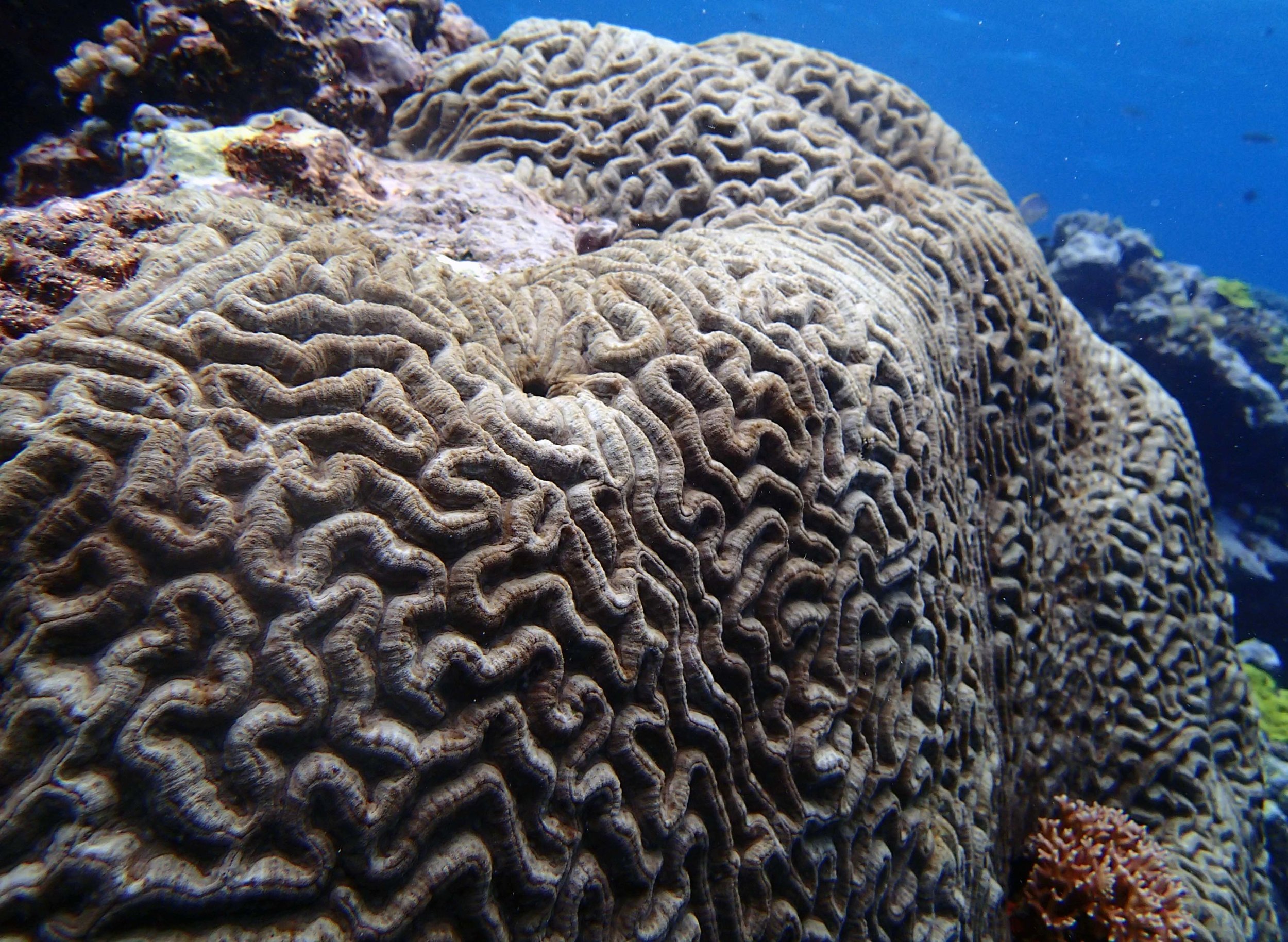
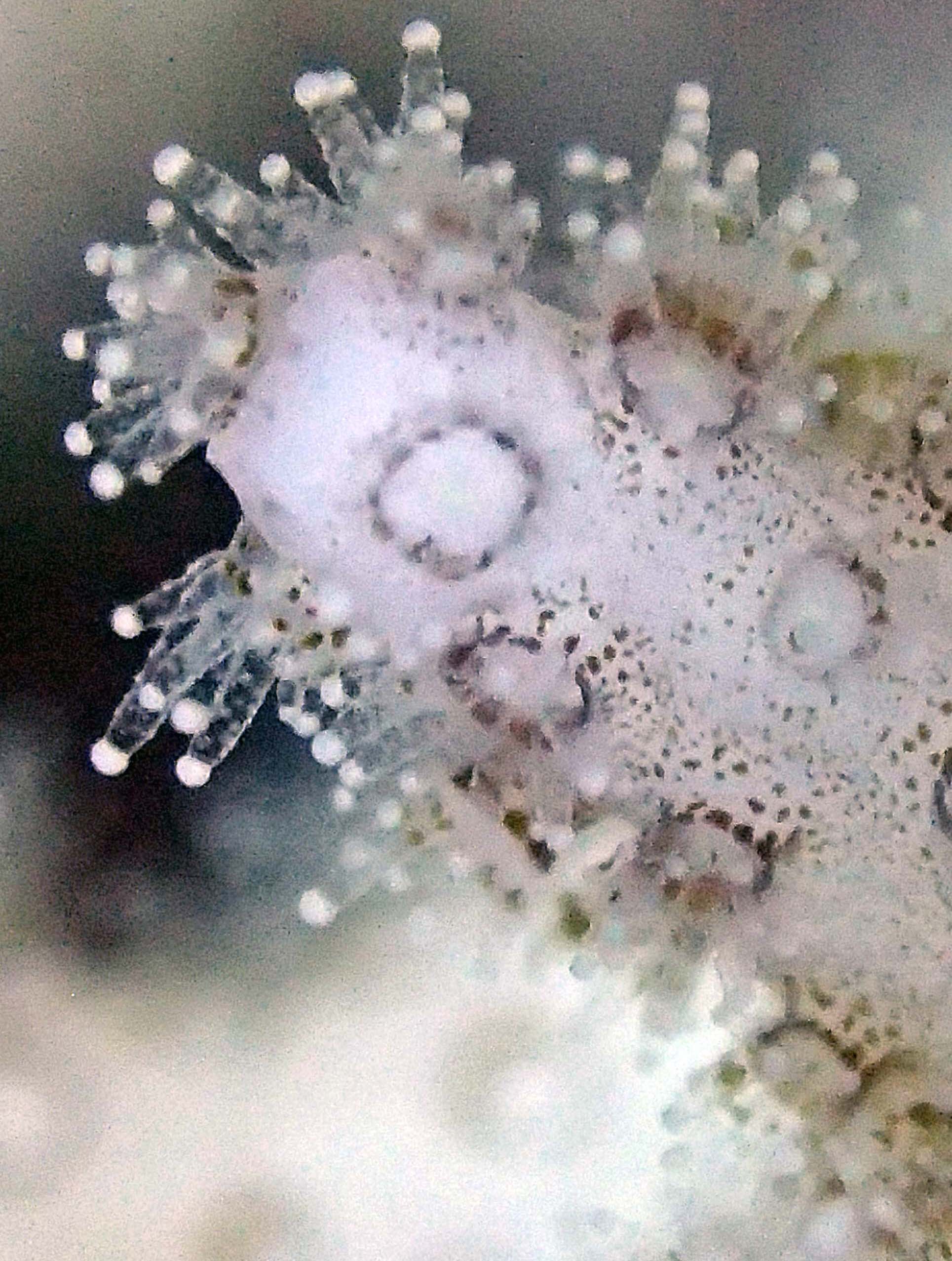
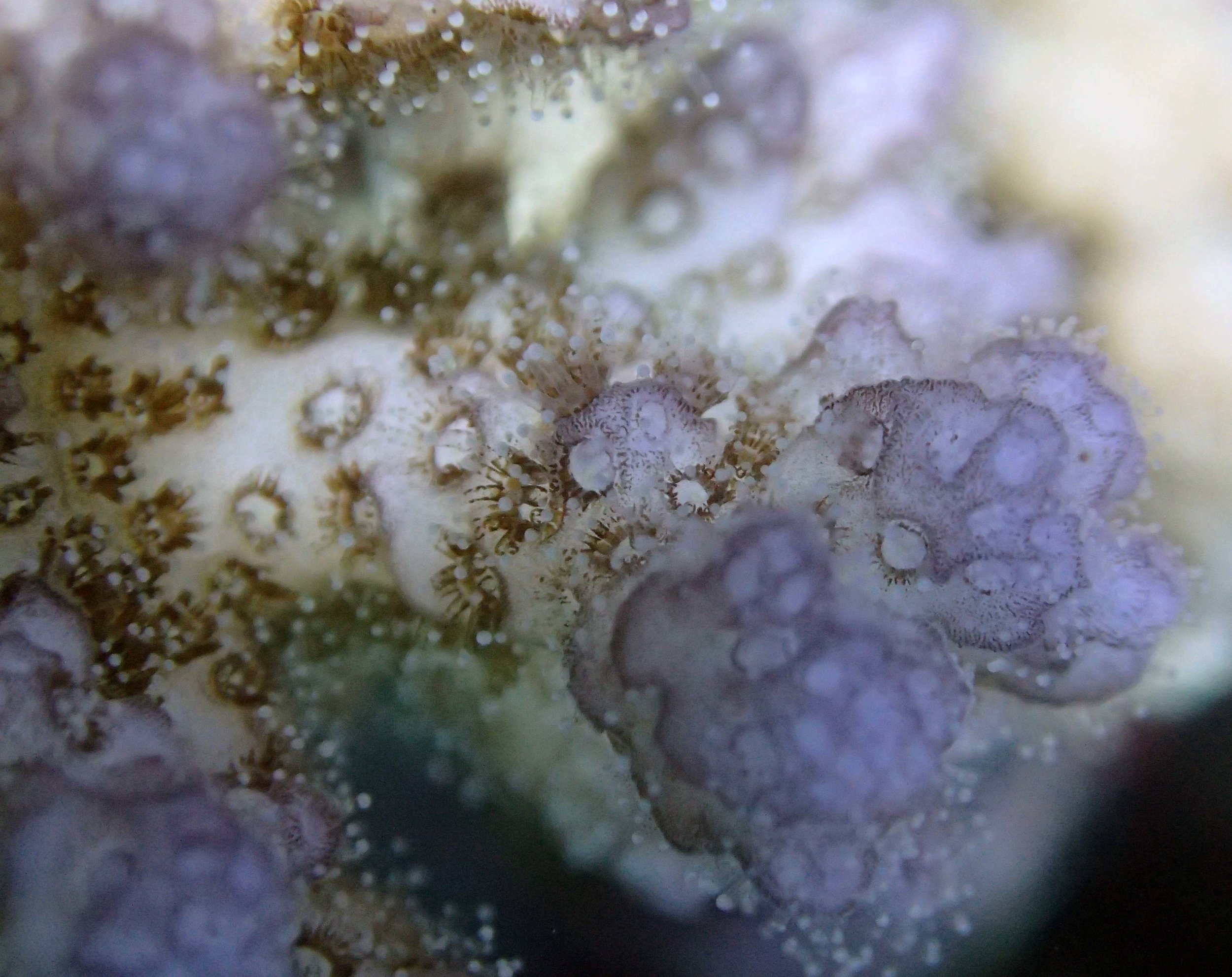
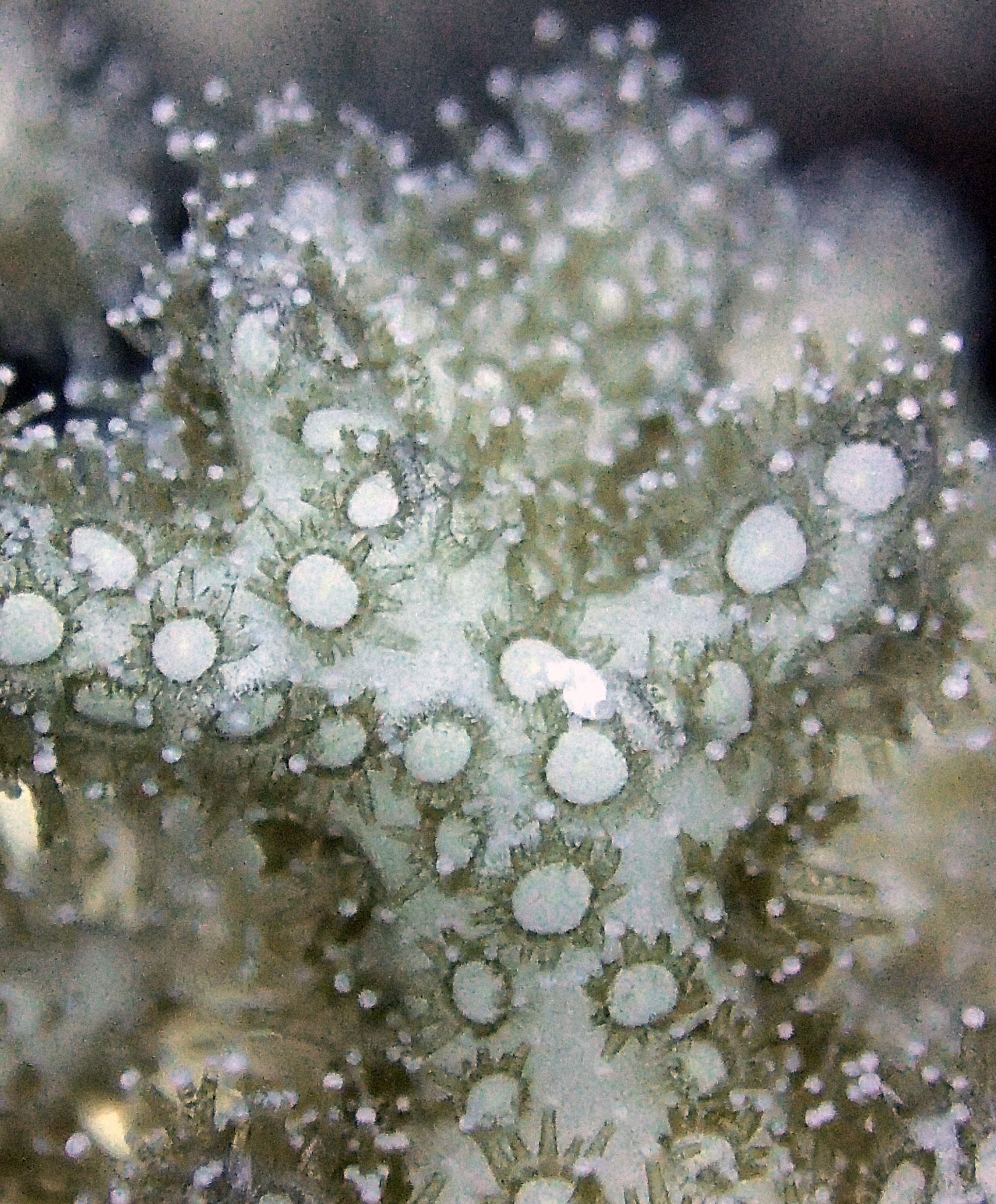
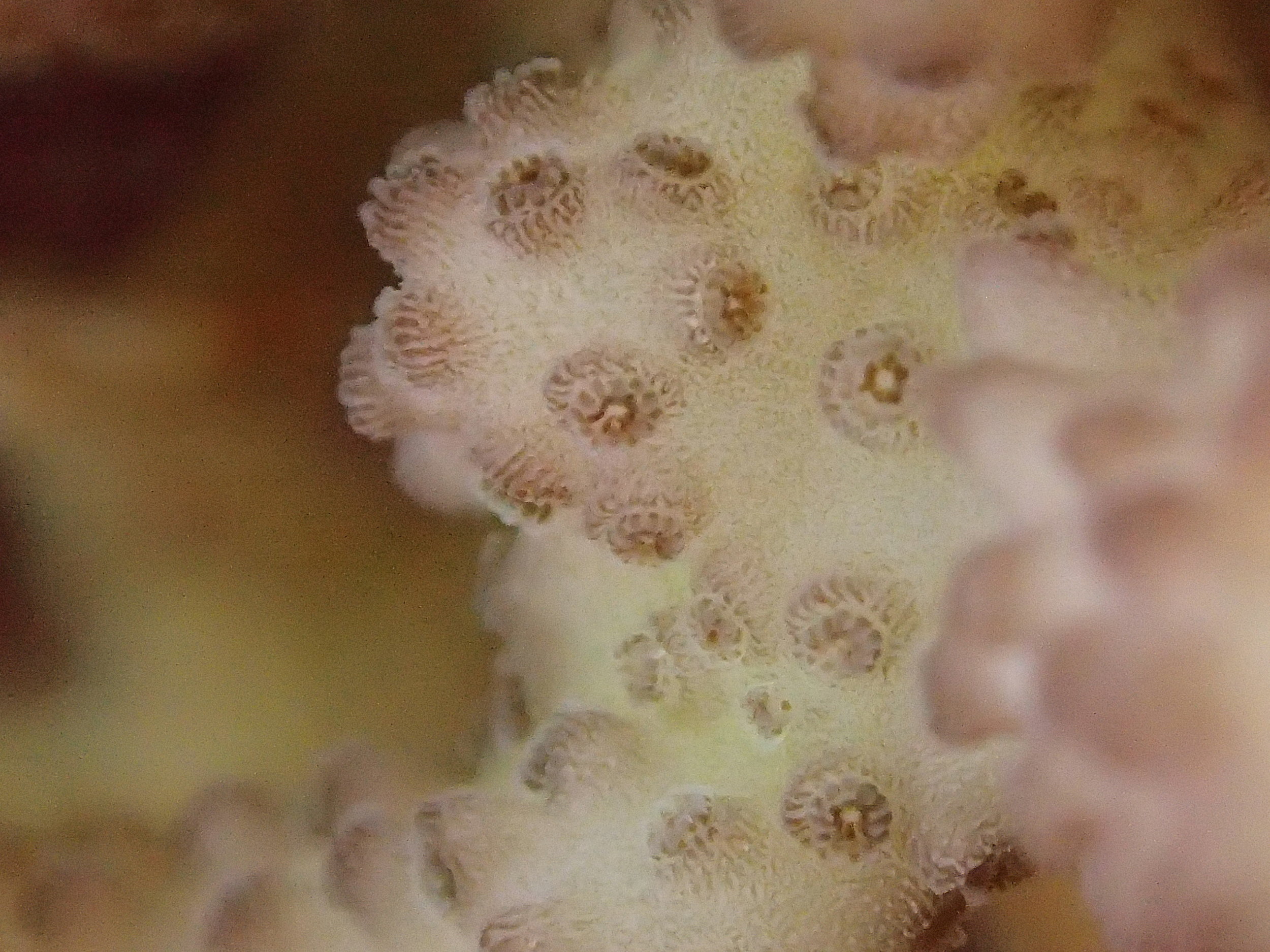
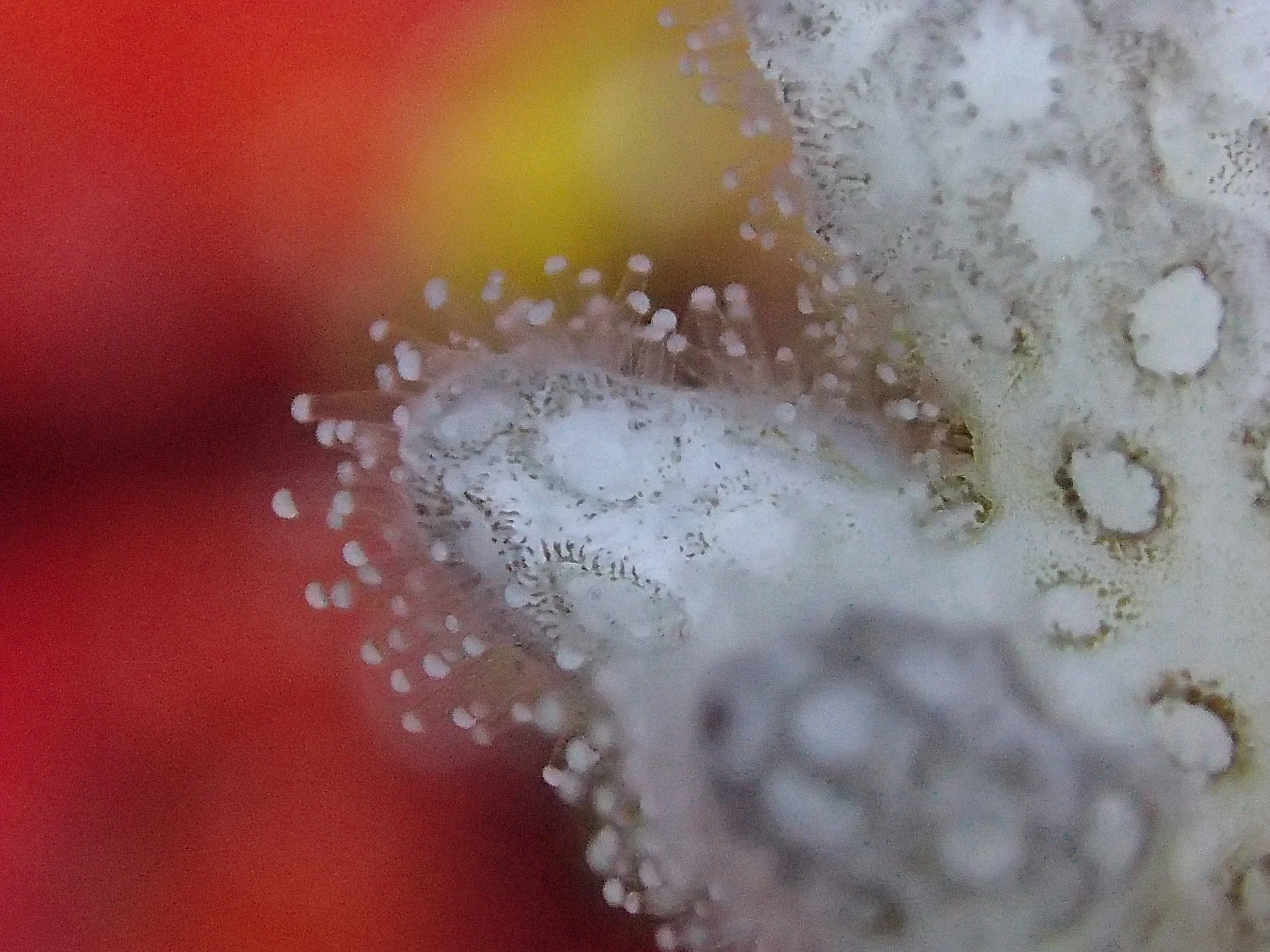
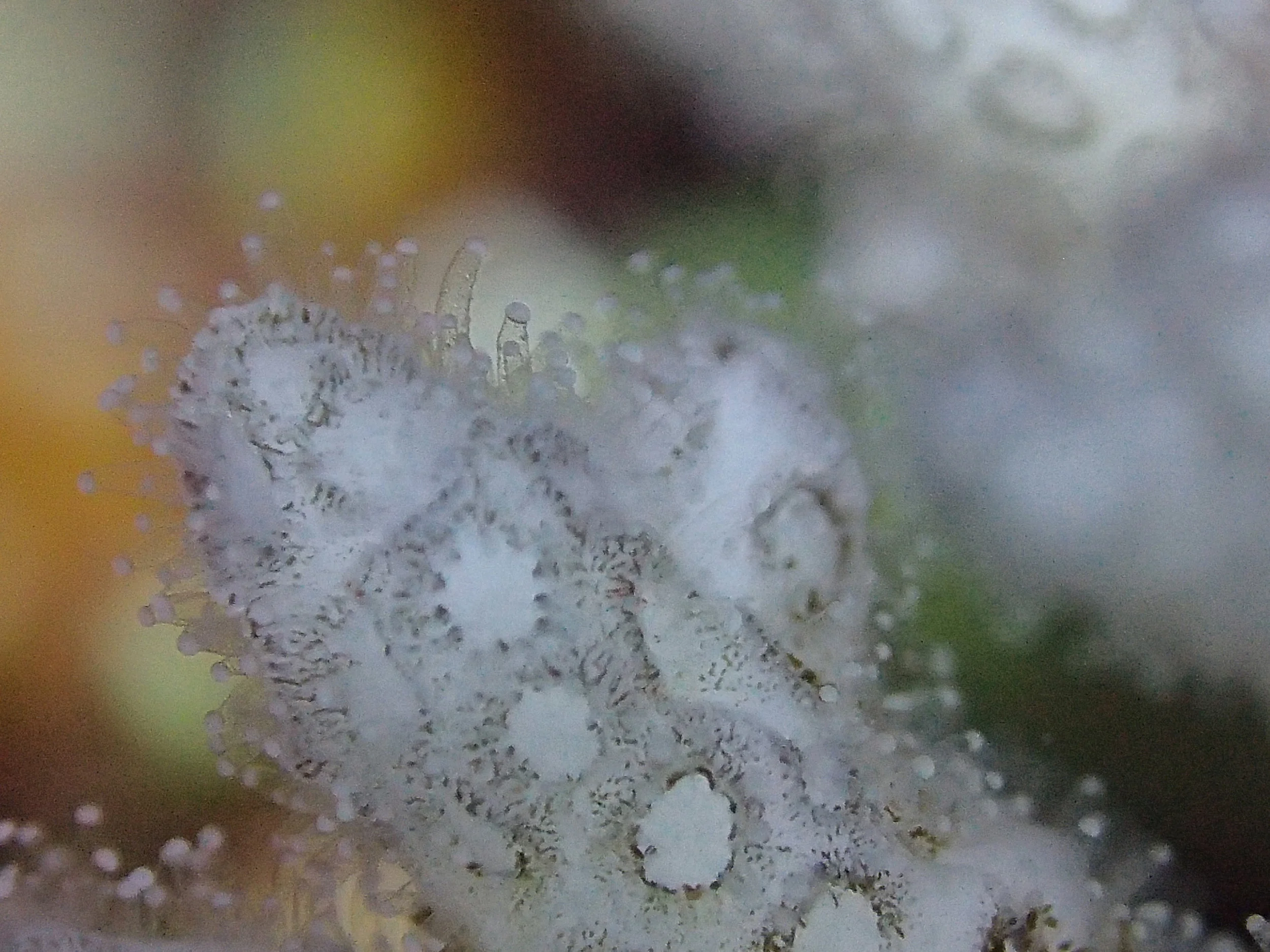
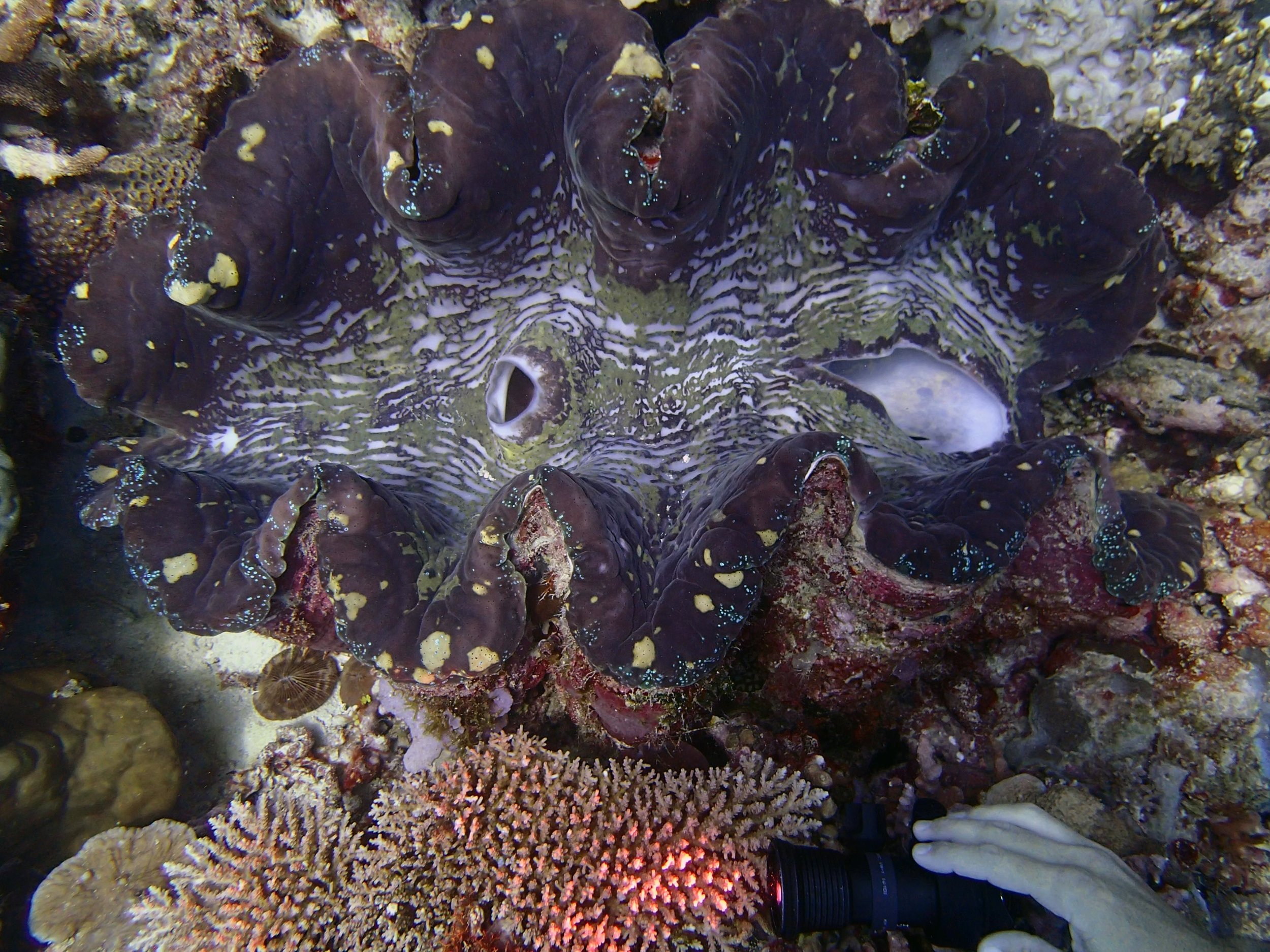
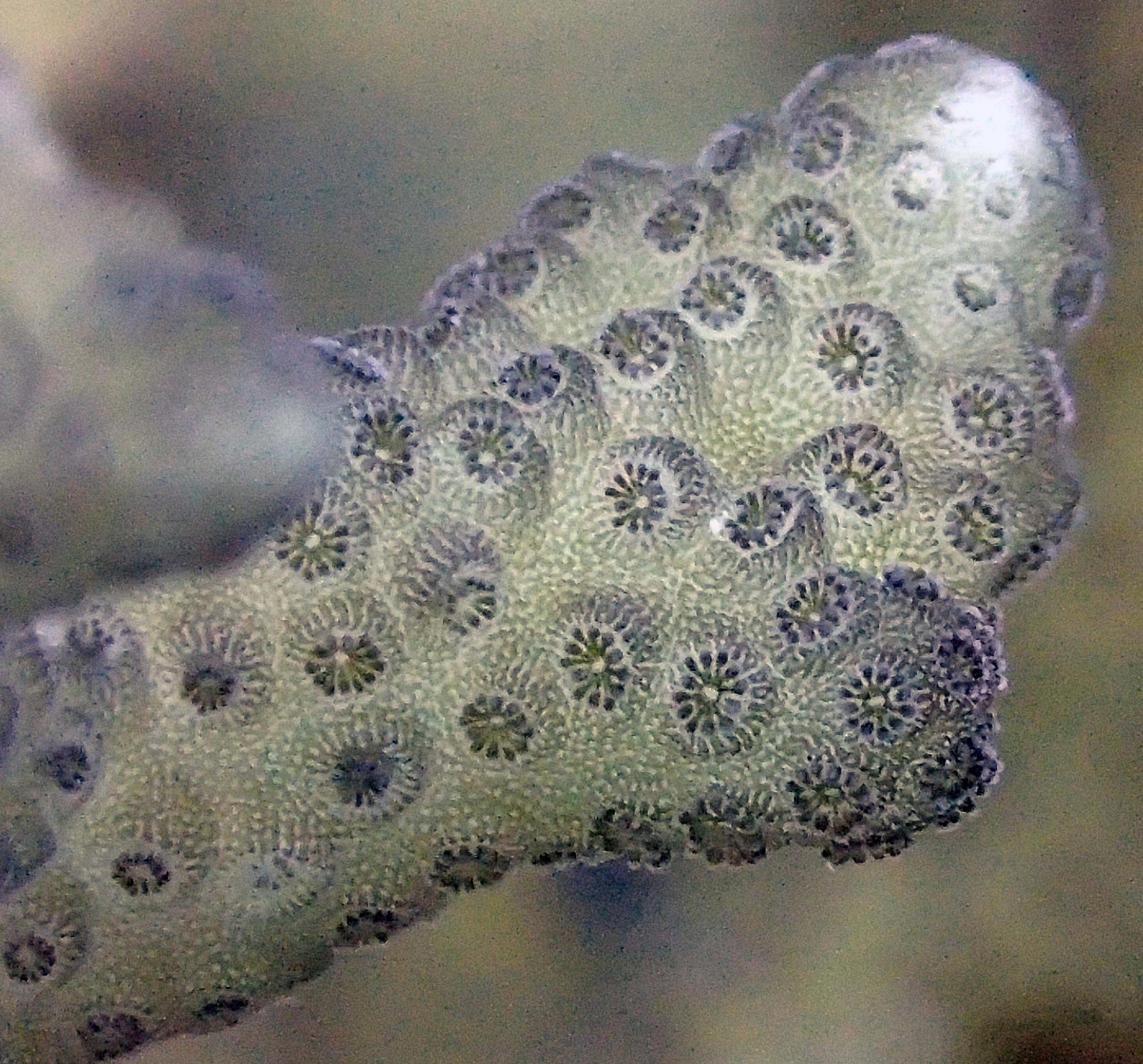
And does this coral appear to be smiling at me?
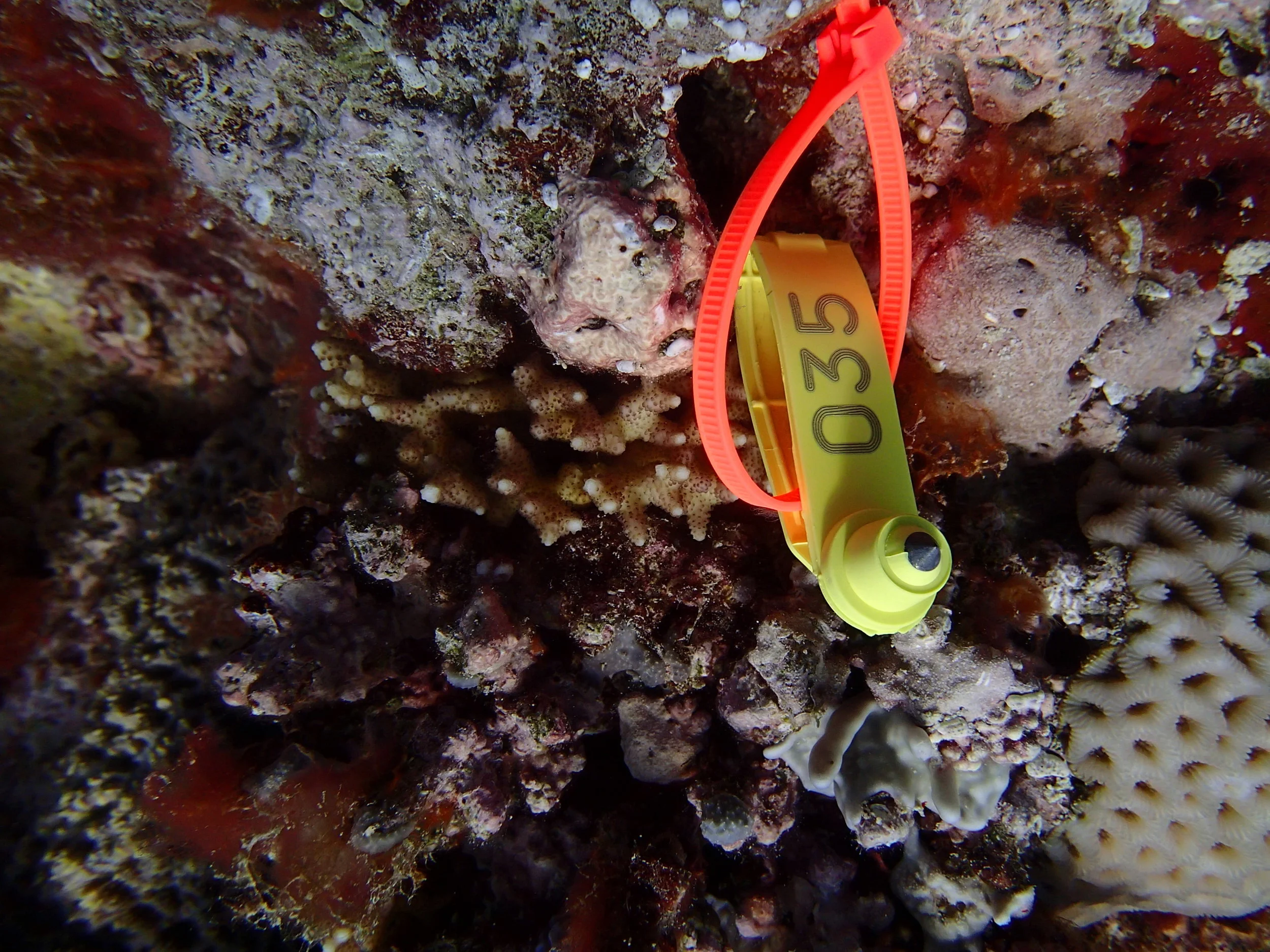
As was the case in all other places we surveyed during the “Global Reef Expedition,” all corals (and their in hospite Symbiodiniaceae populations) were exhibiting the molecular hallmarks of a cellular stress response at the time of sampling; check out this JMP file (for P. acuta only) for details. Here are some supplemental data about all sampled colonies. This file contains the NCBI accession numbers of the mitochondrial open reading frame sequences used for genotyping the coral samples, as well as other information about the samples (site information, depth, sampling dates, environmental data, etc.).
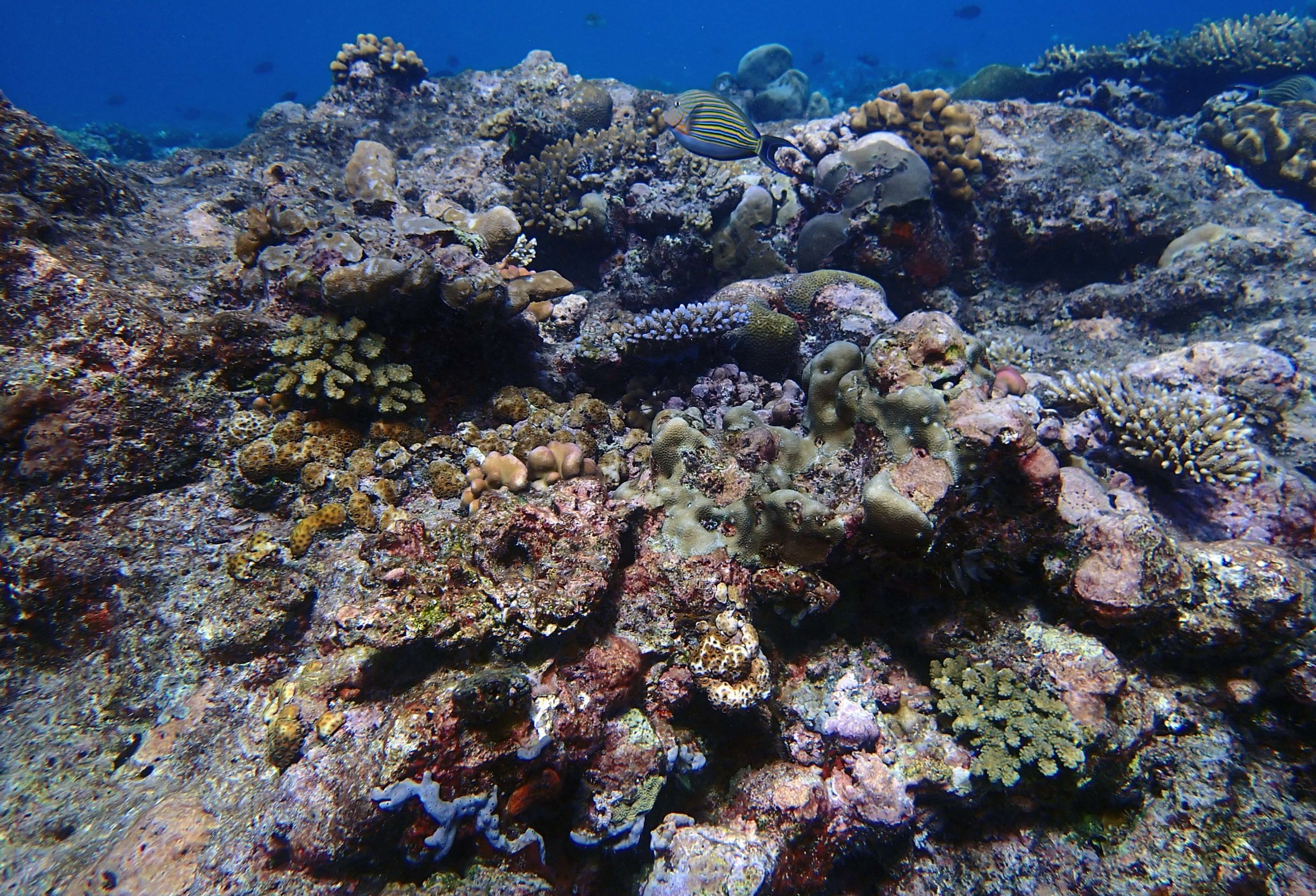
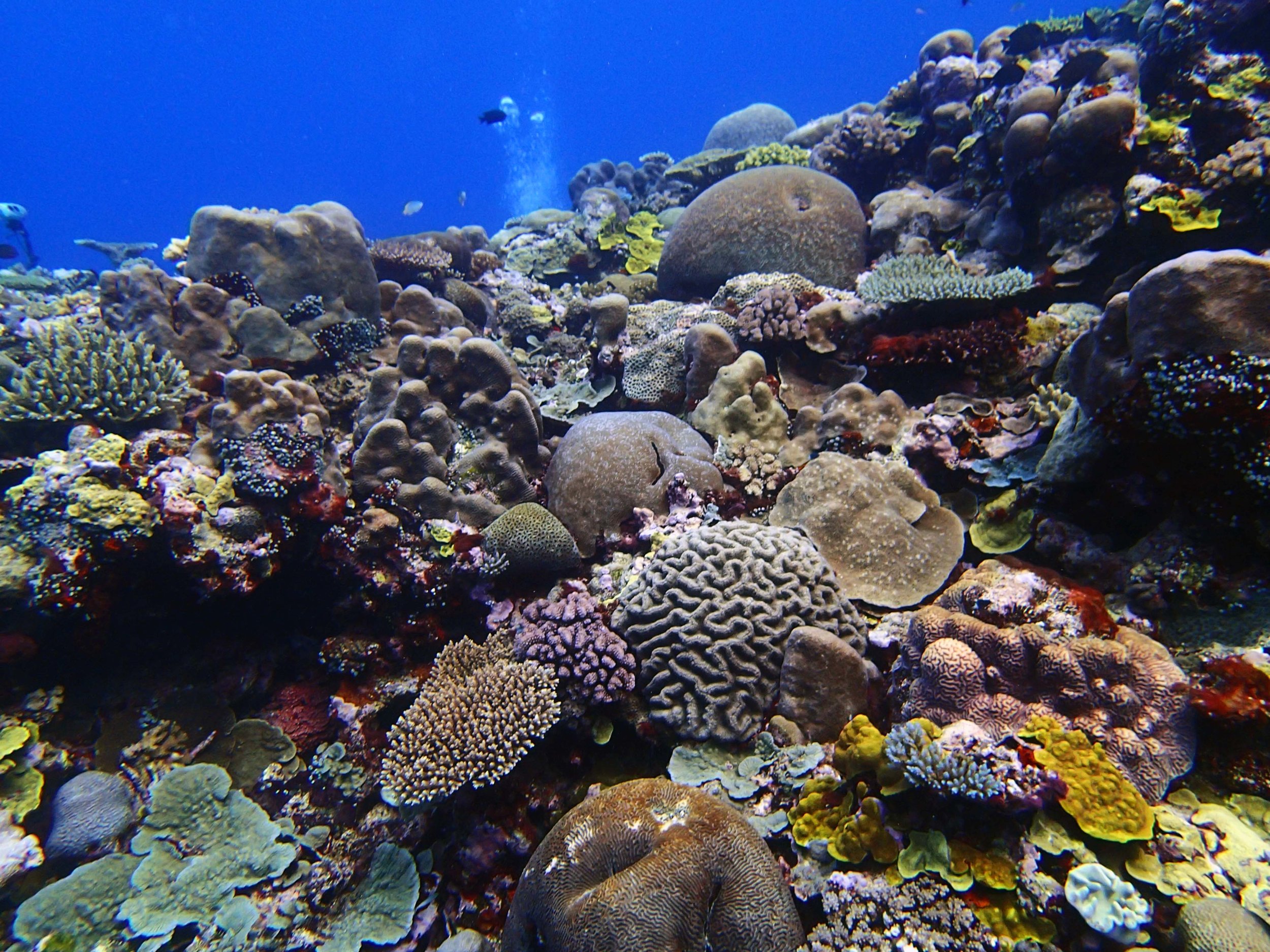
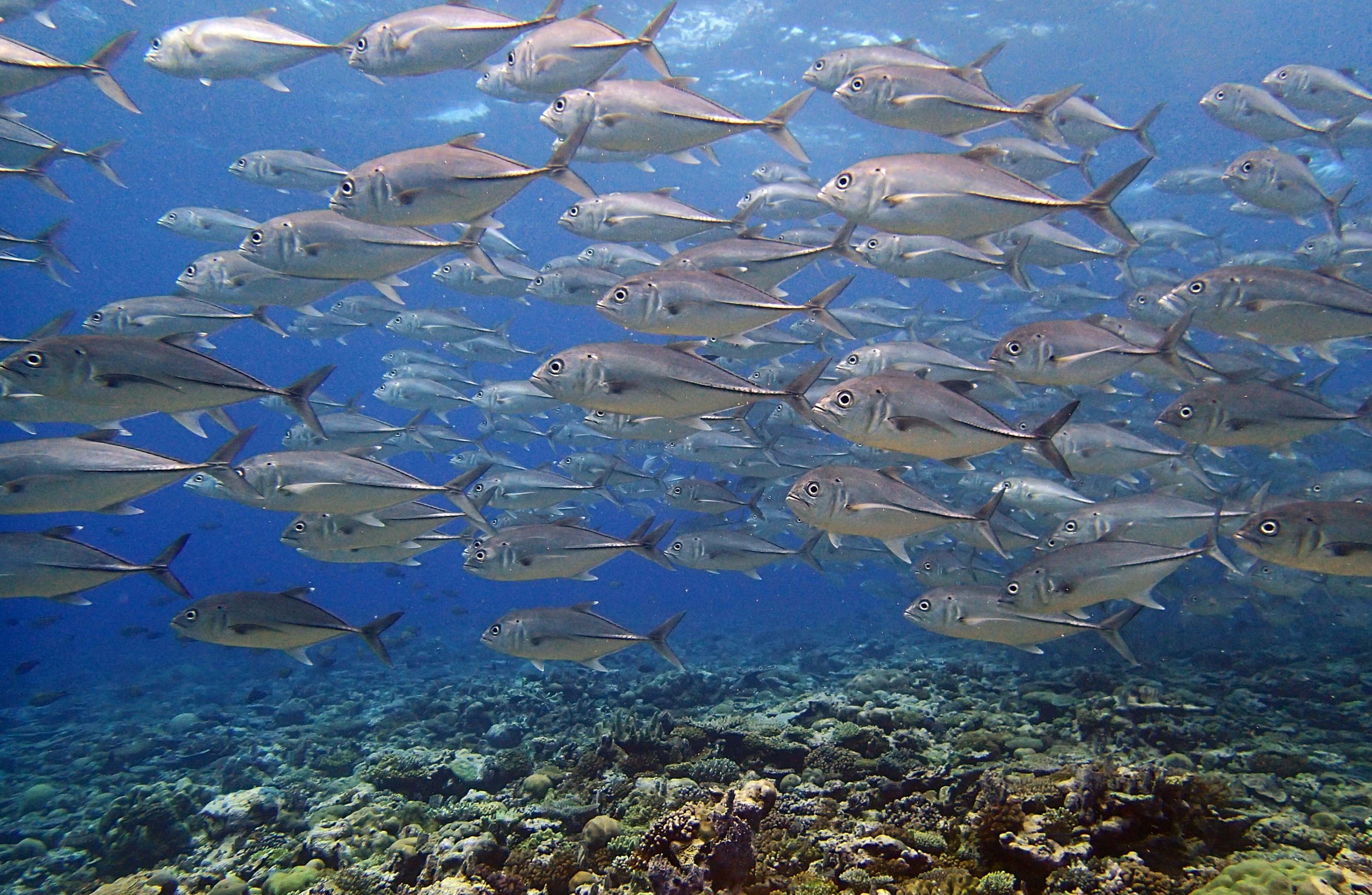
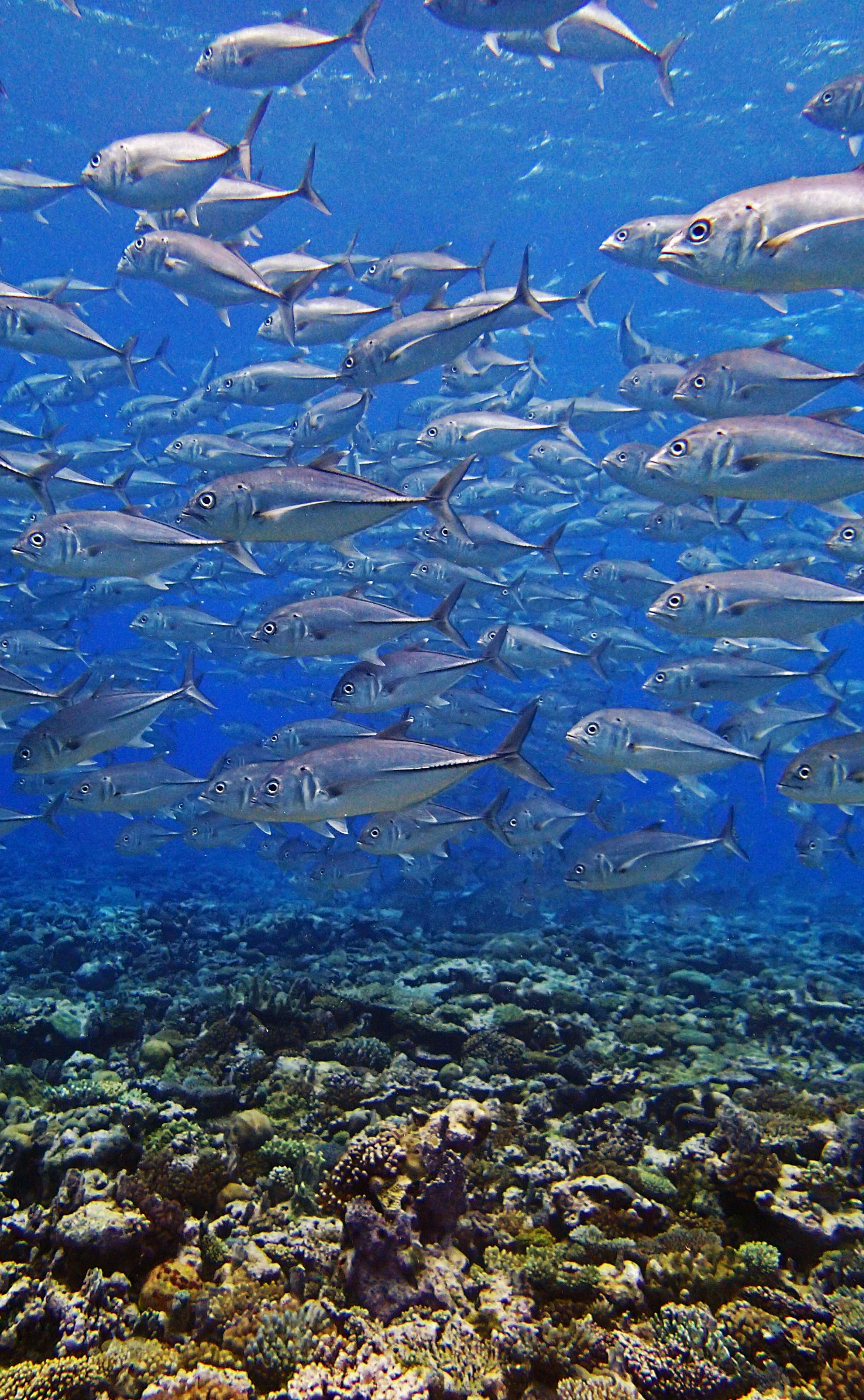
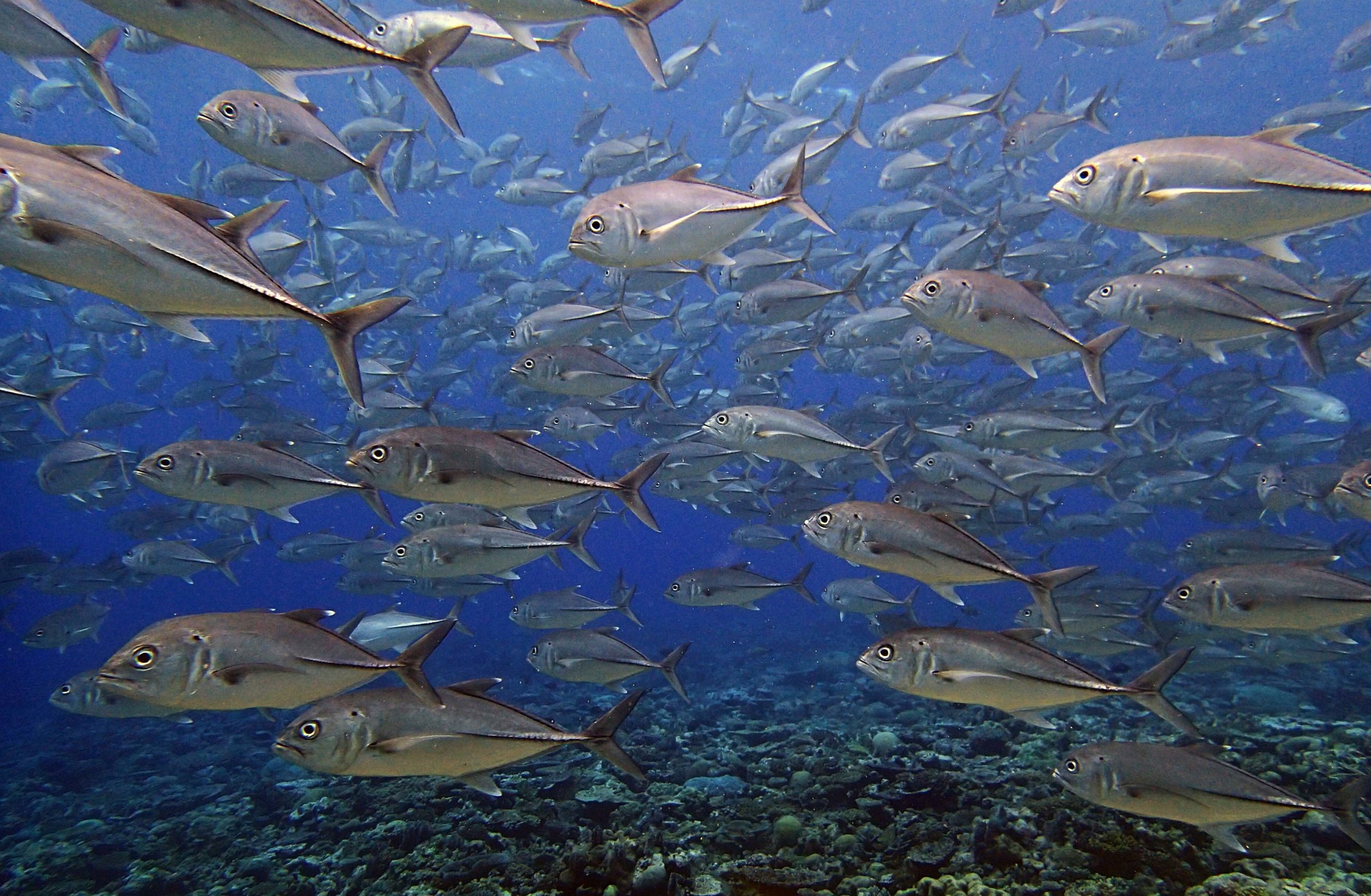
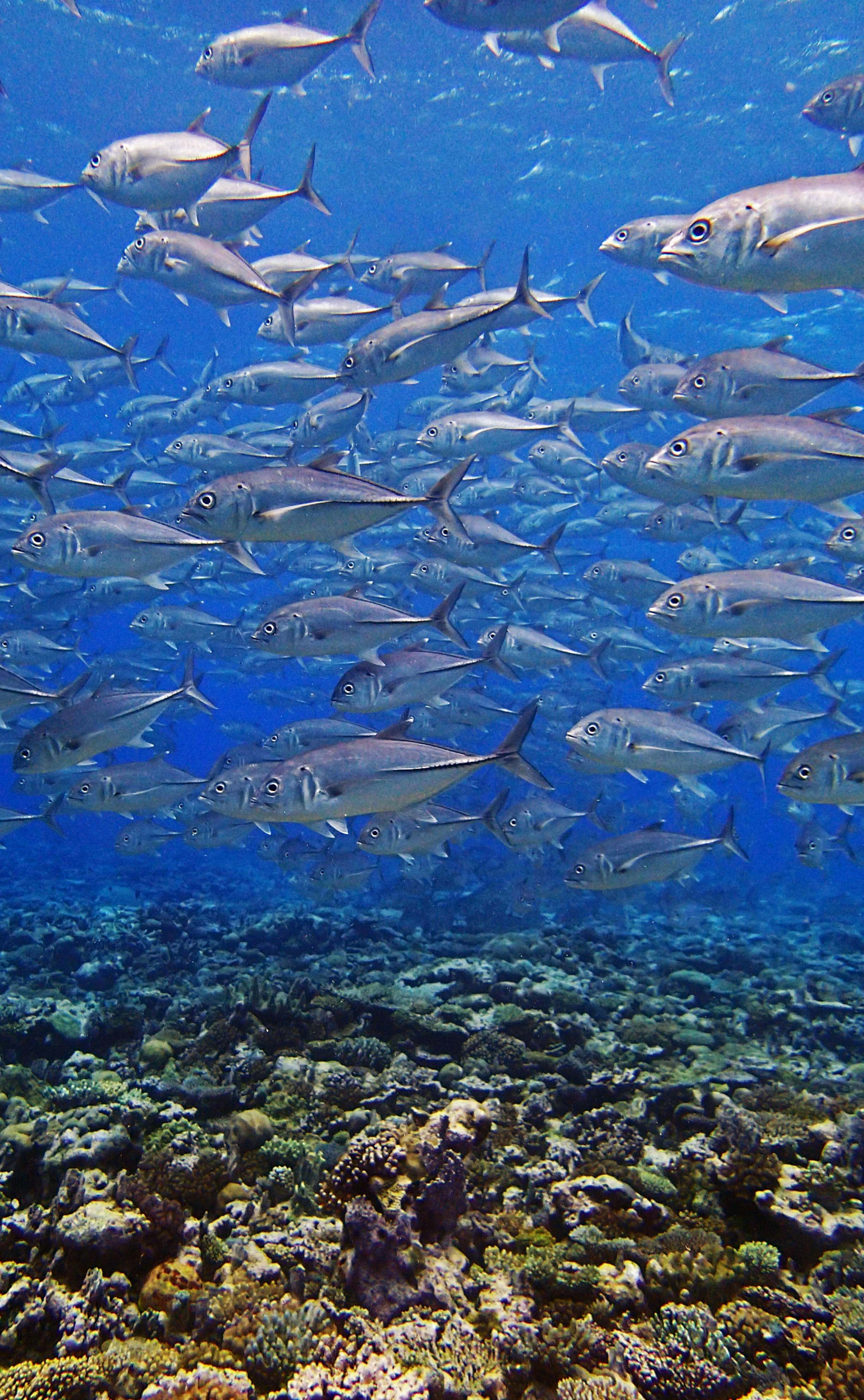
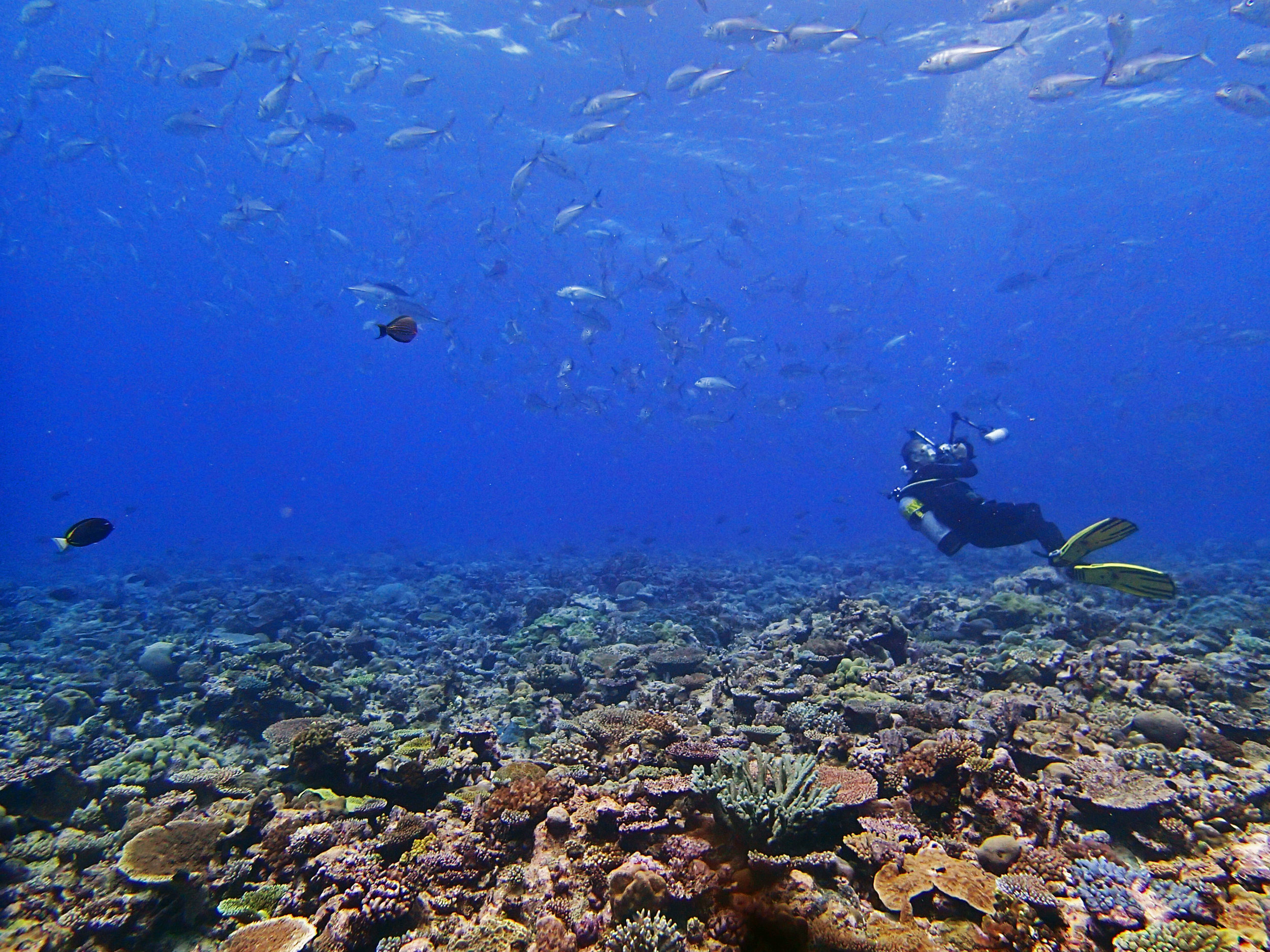
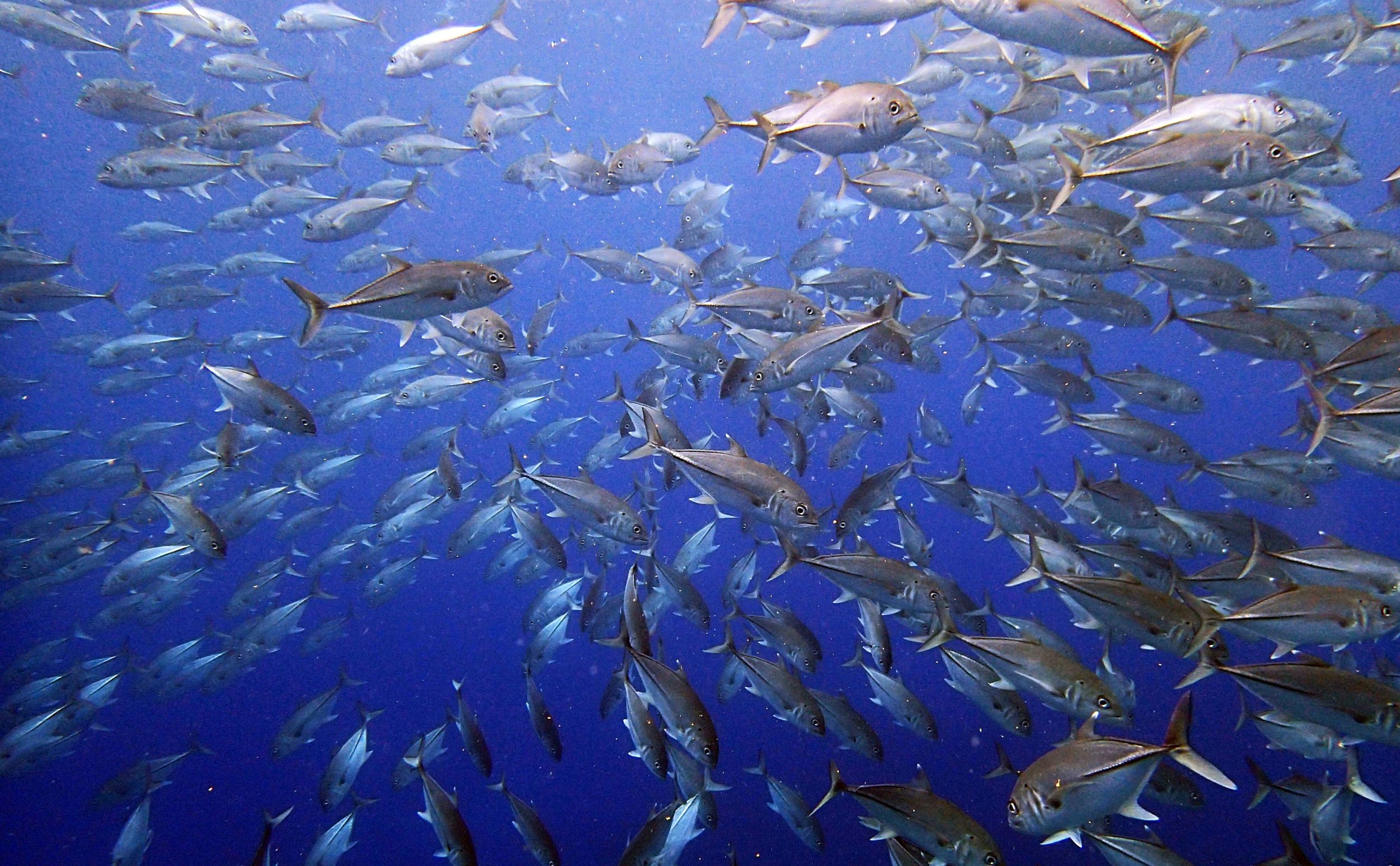
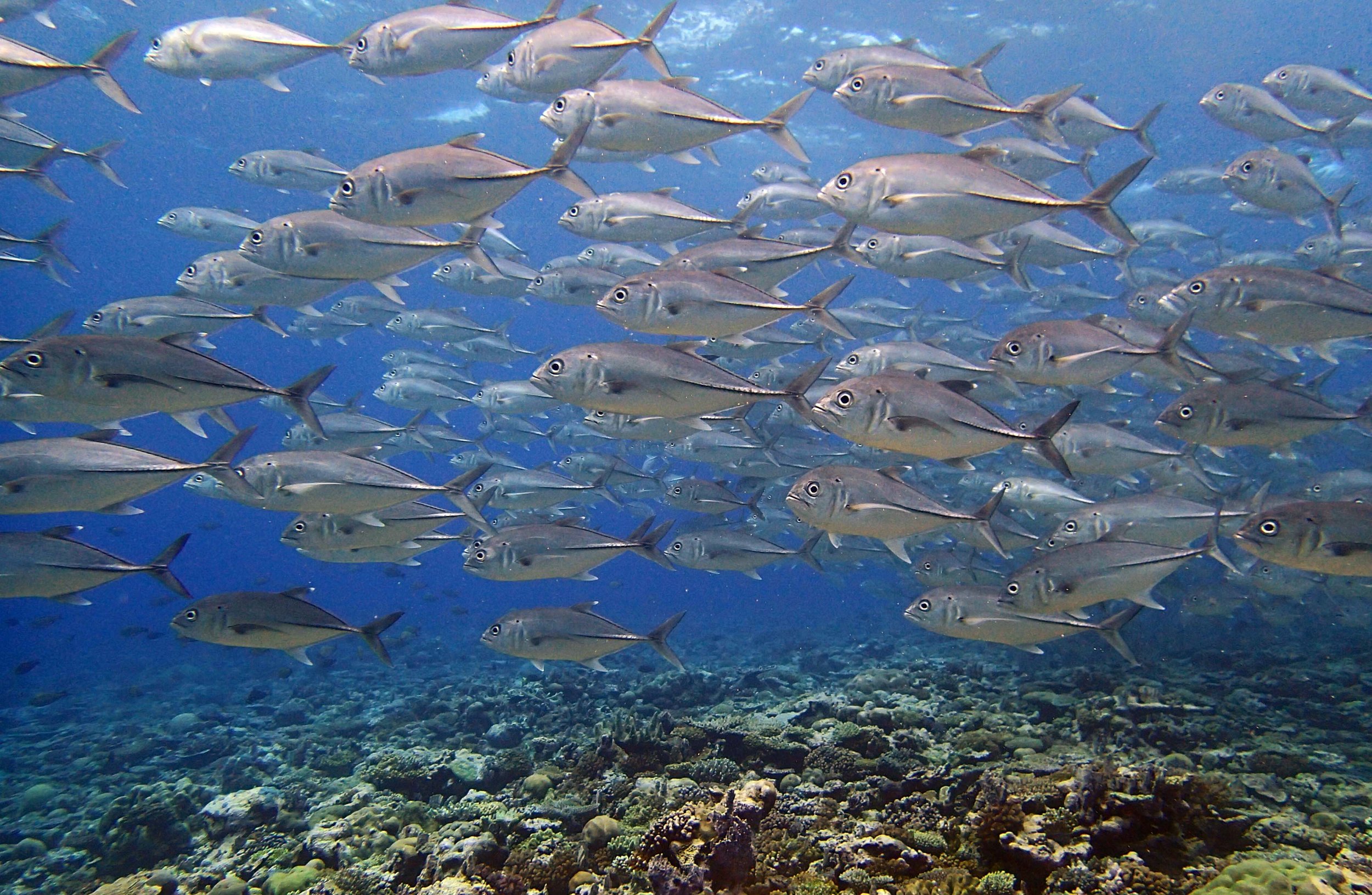
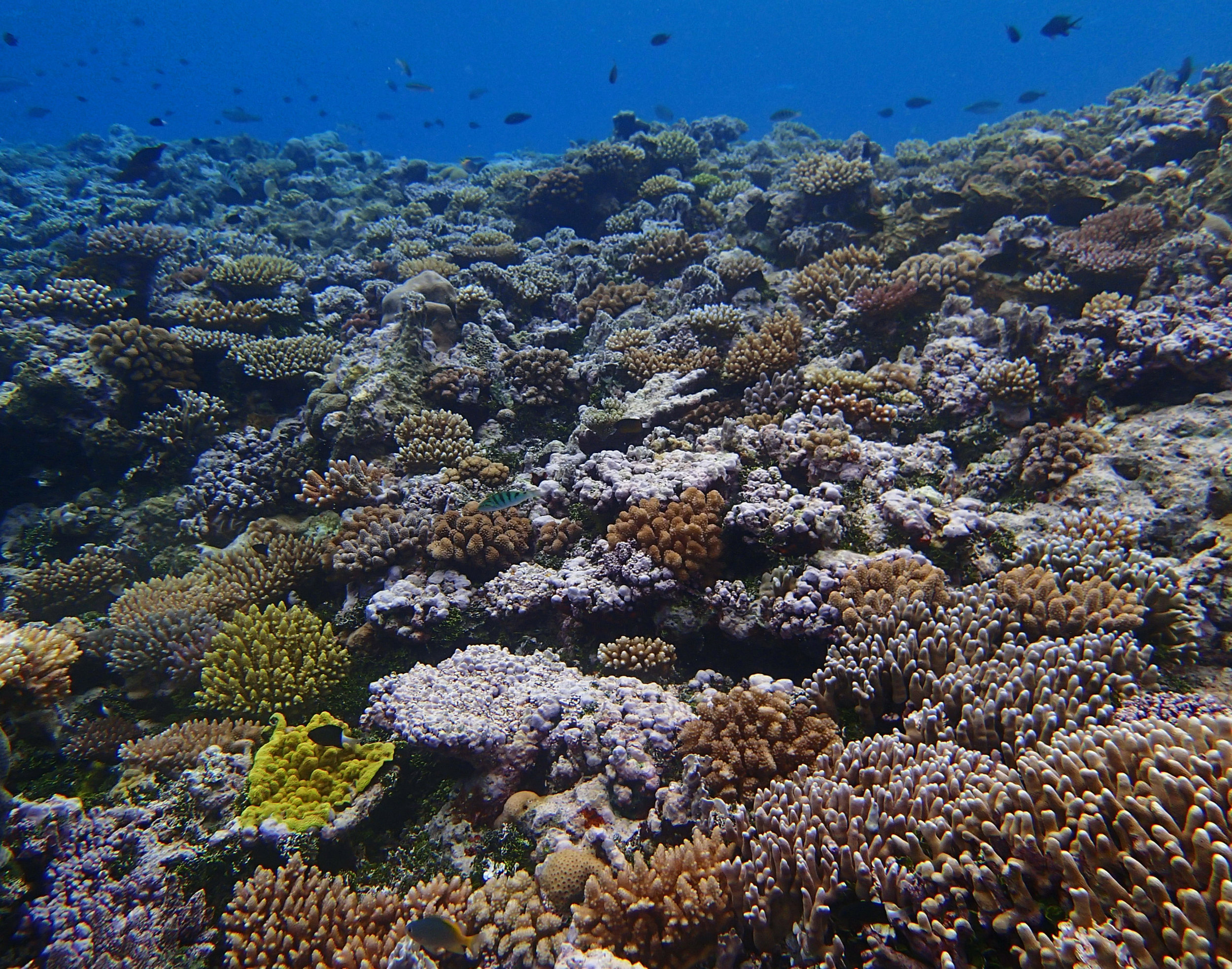
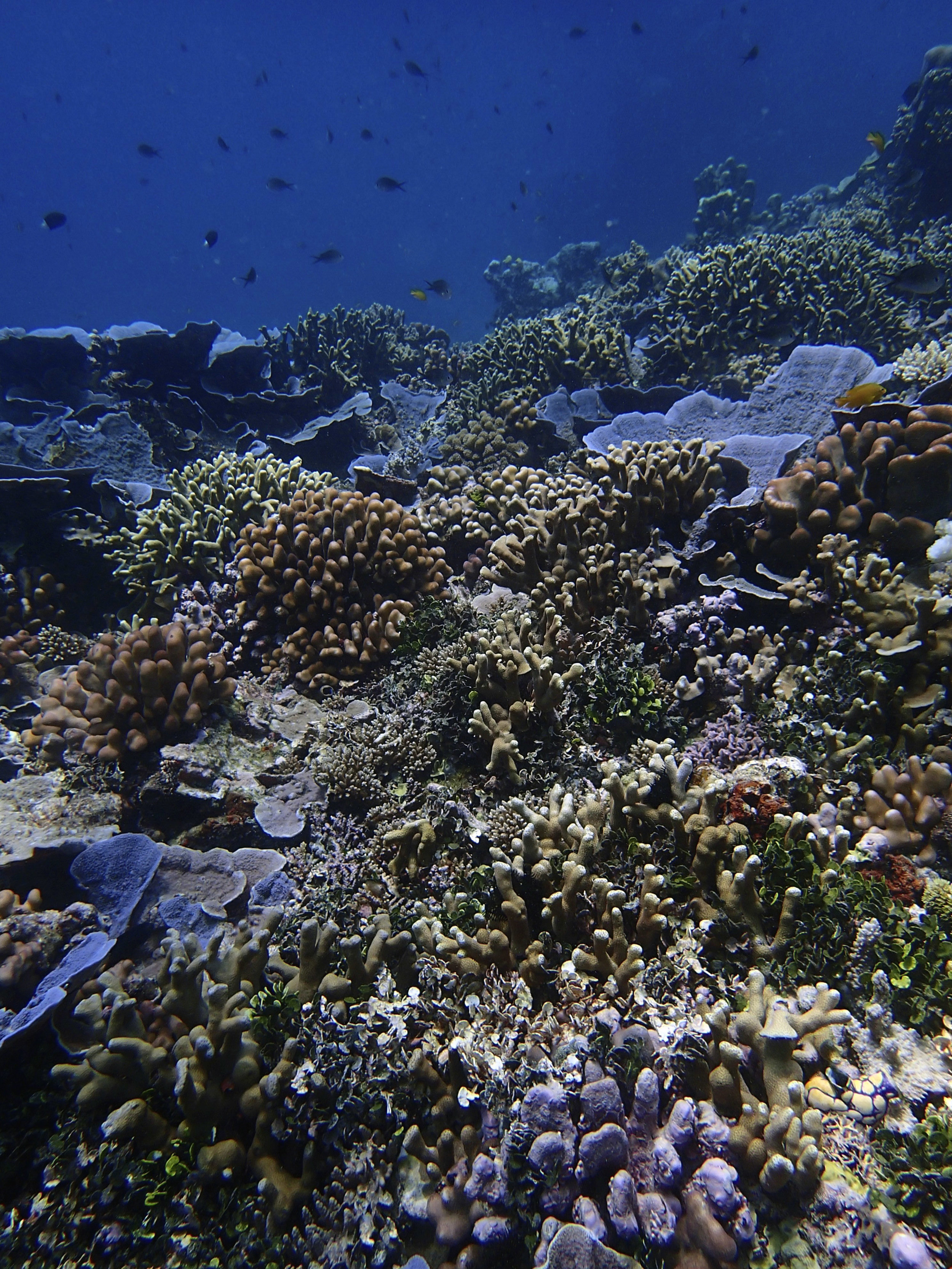
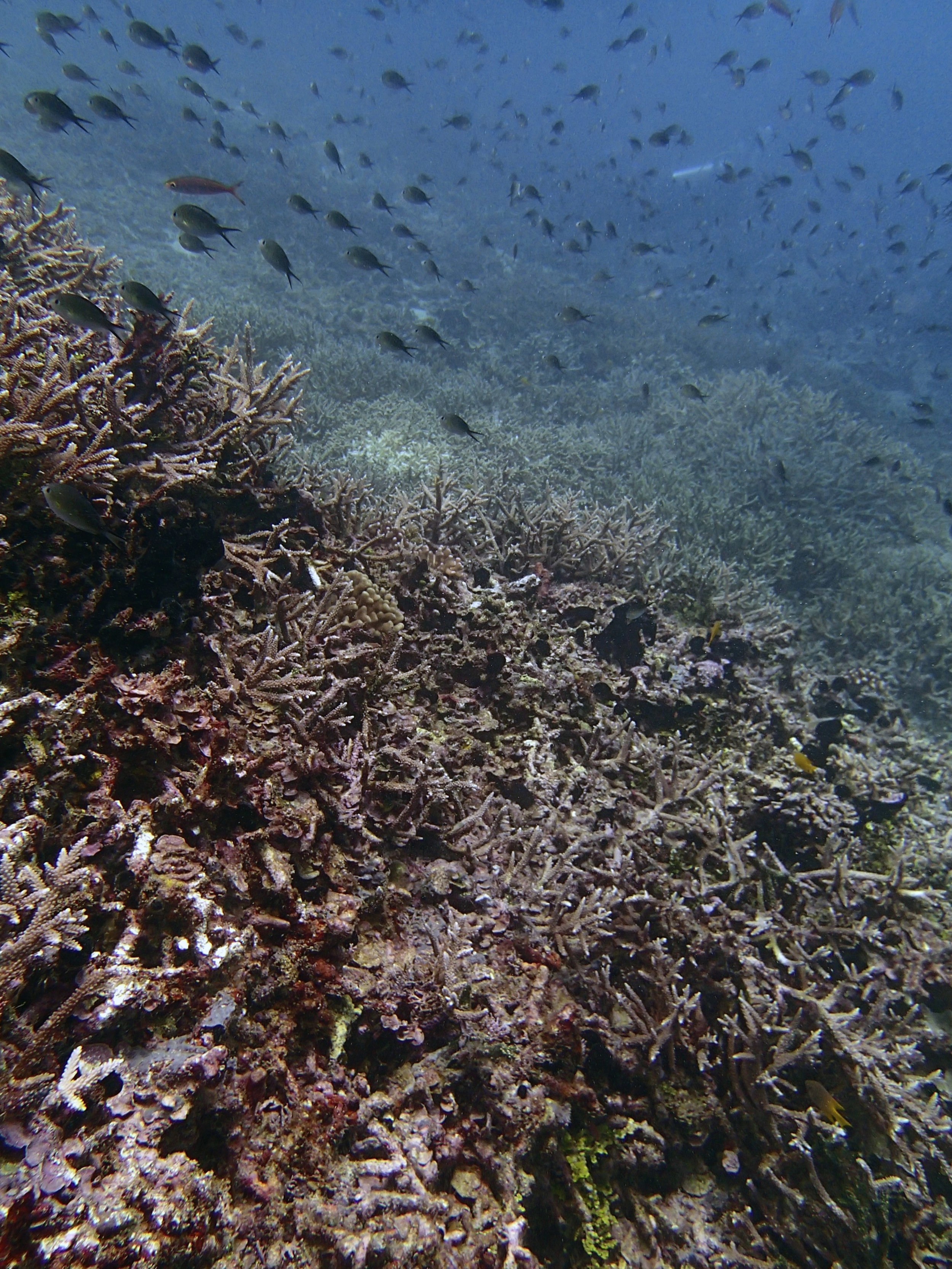
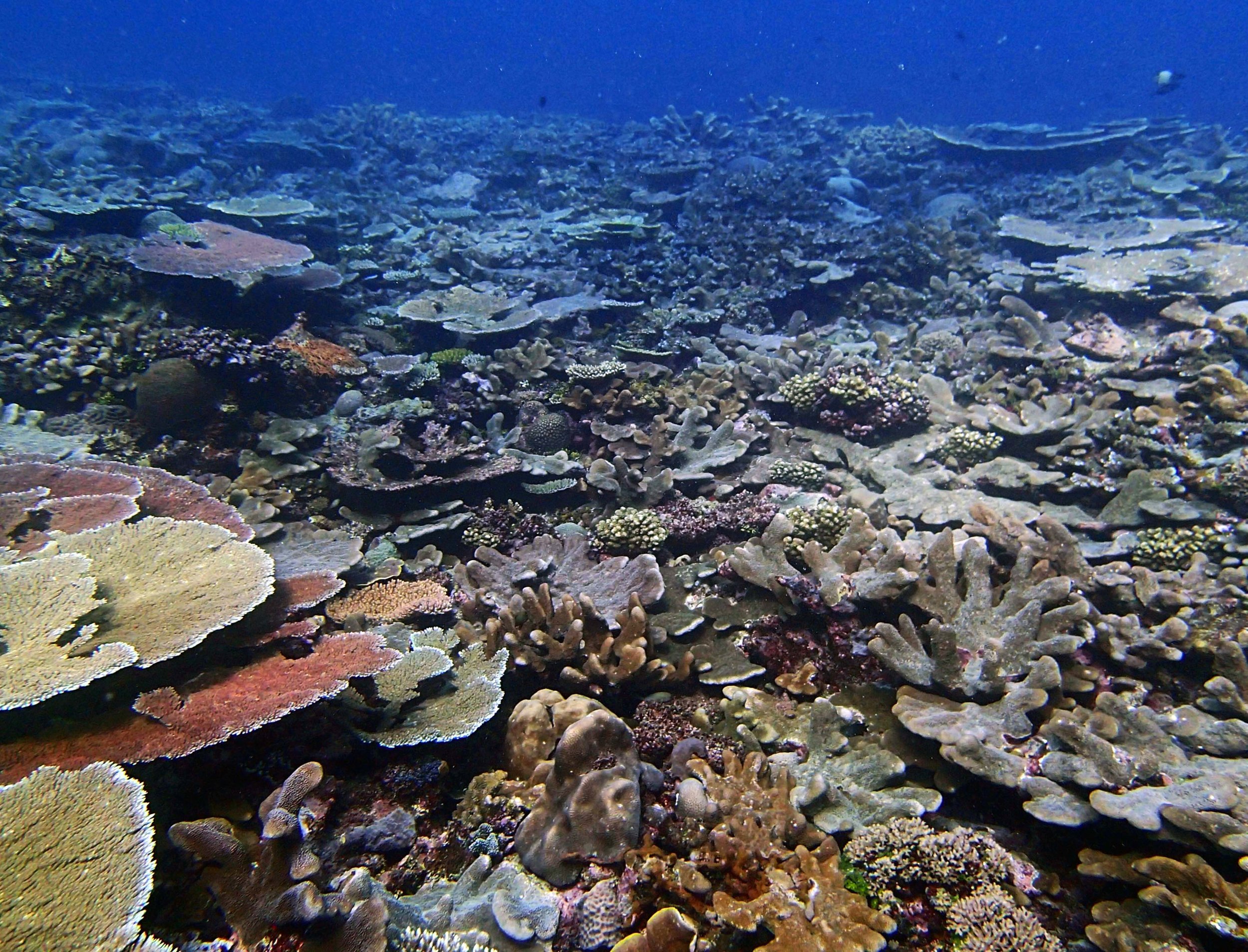
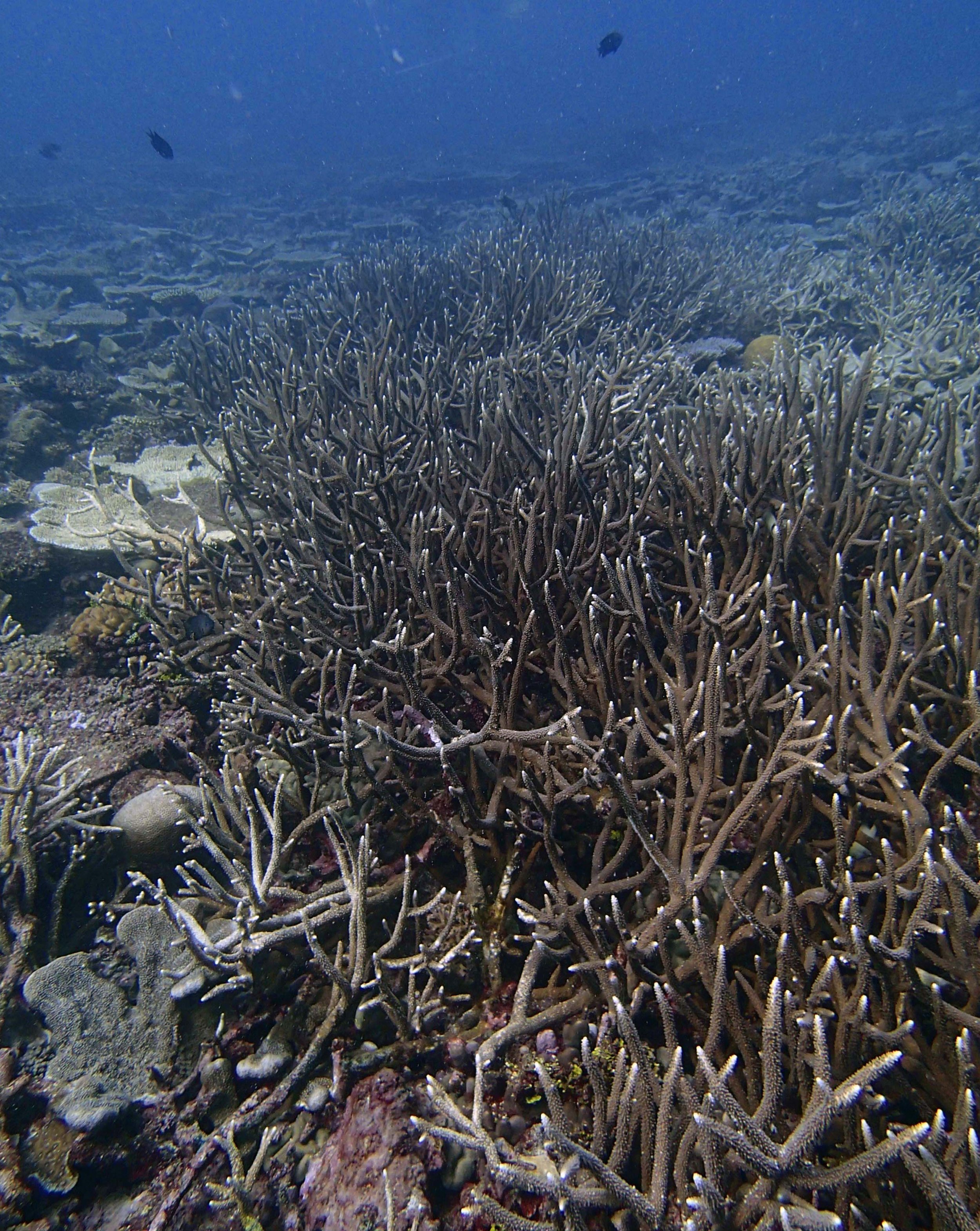
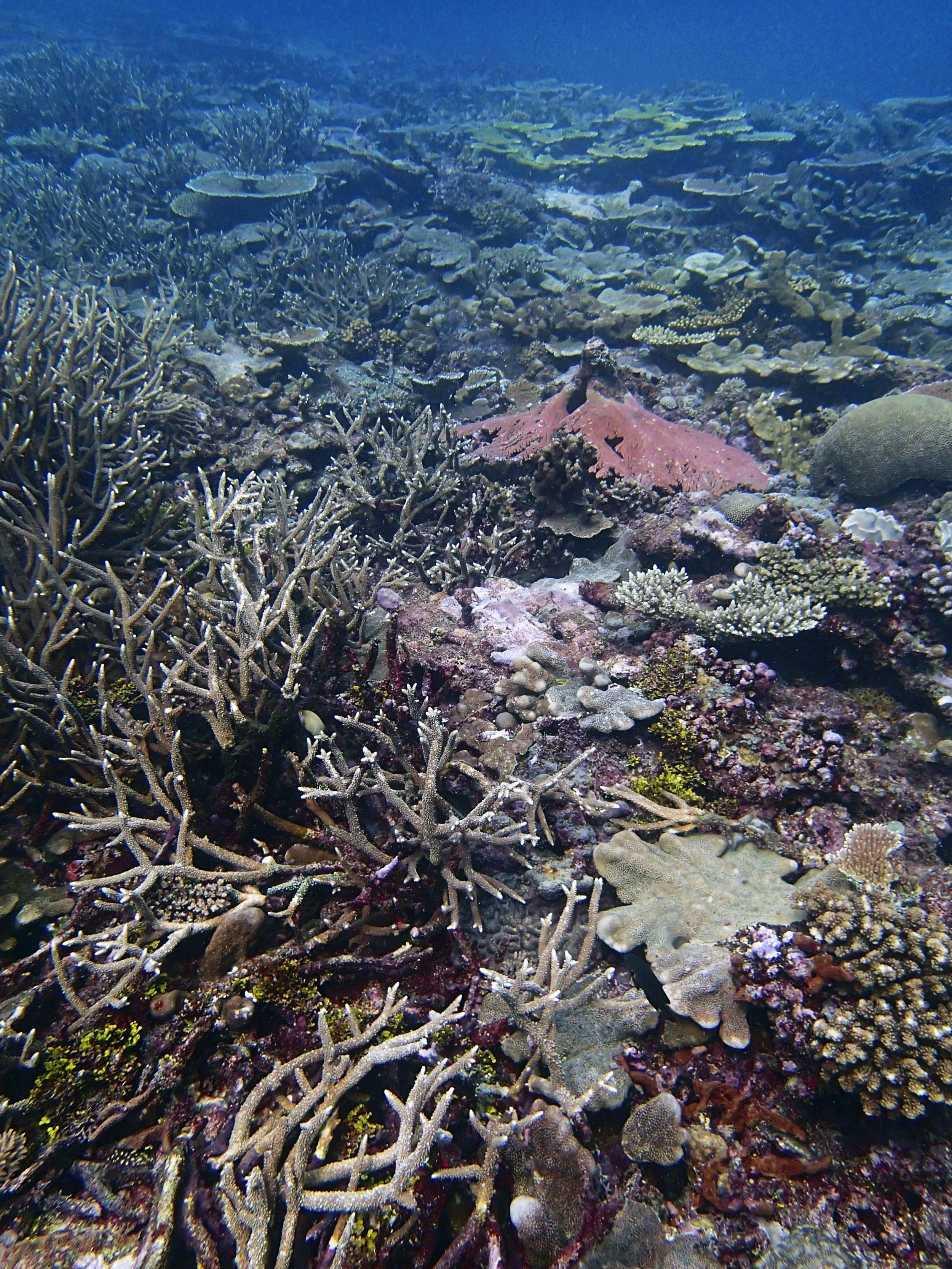
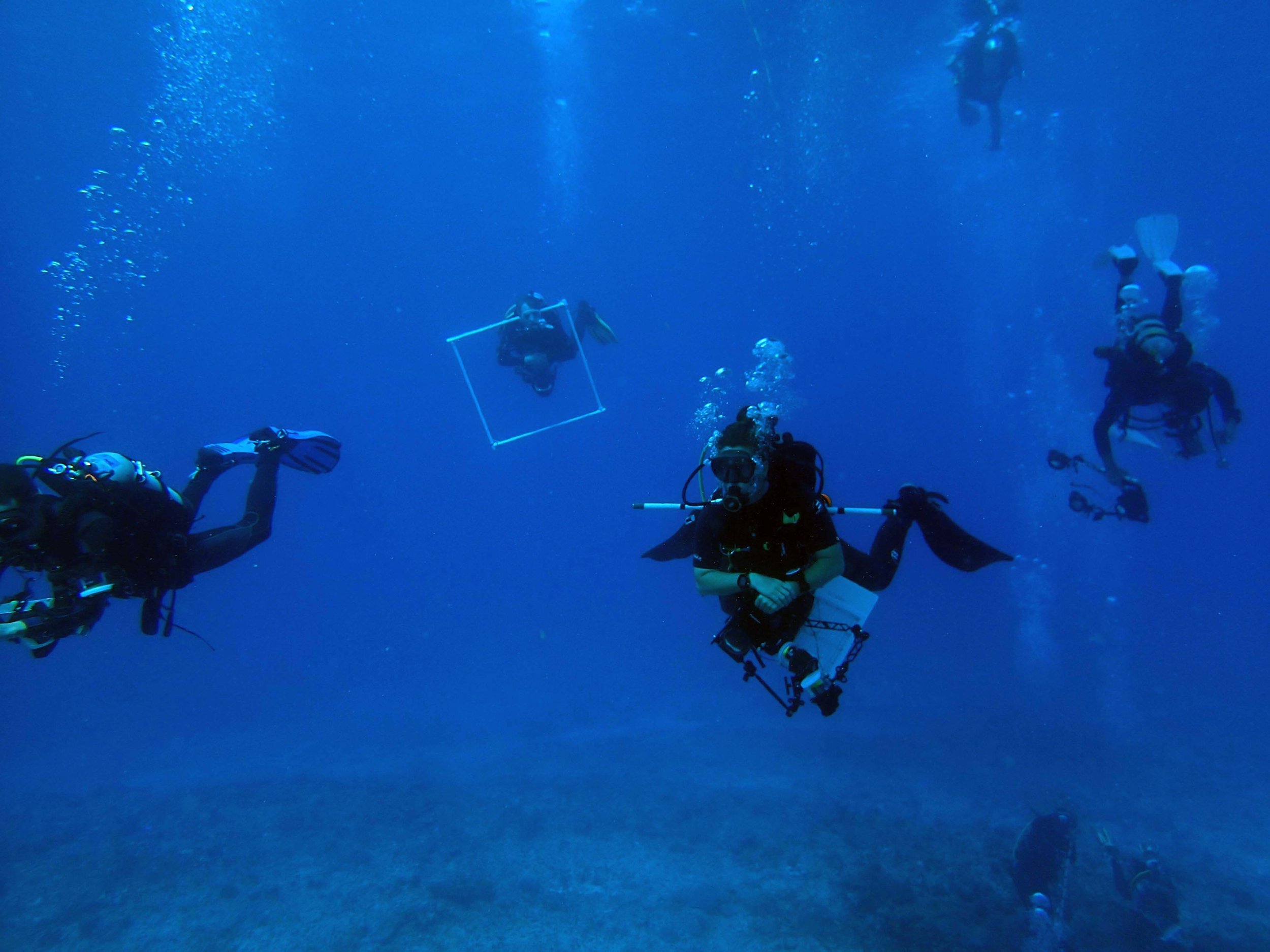
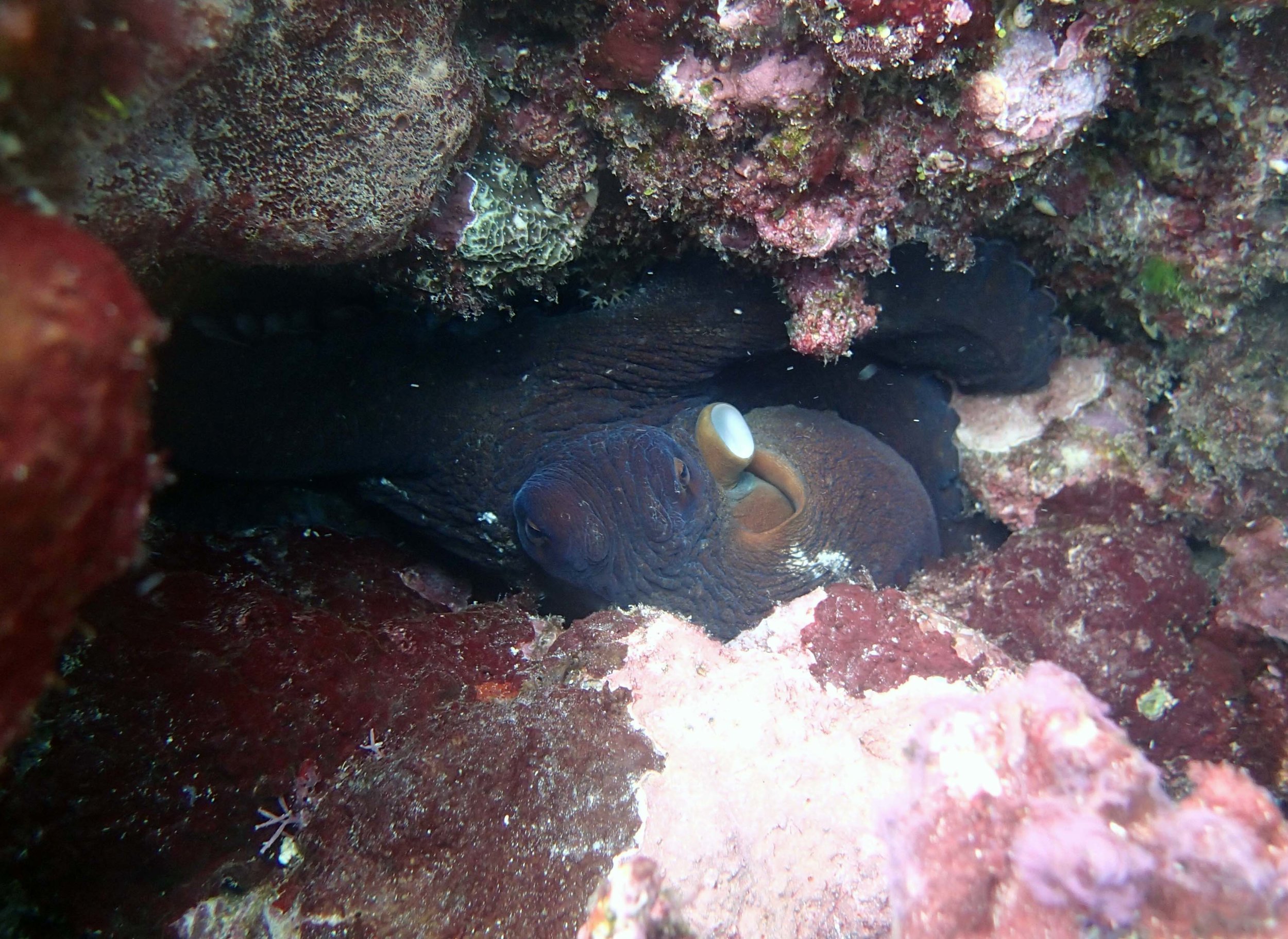
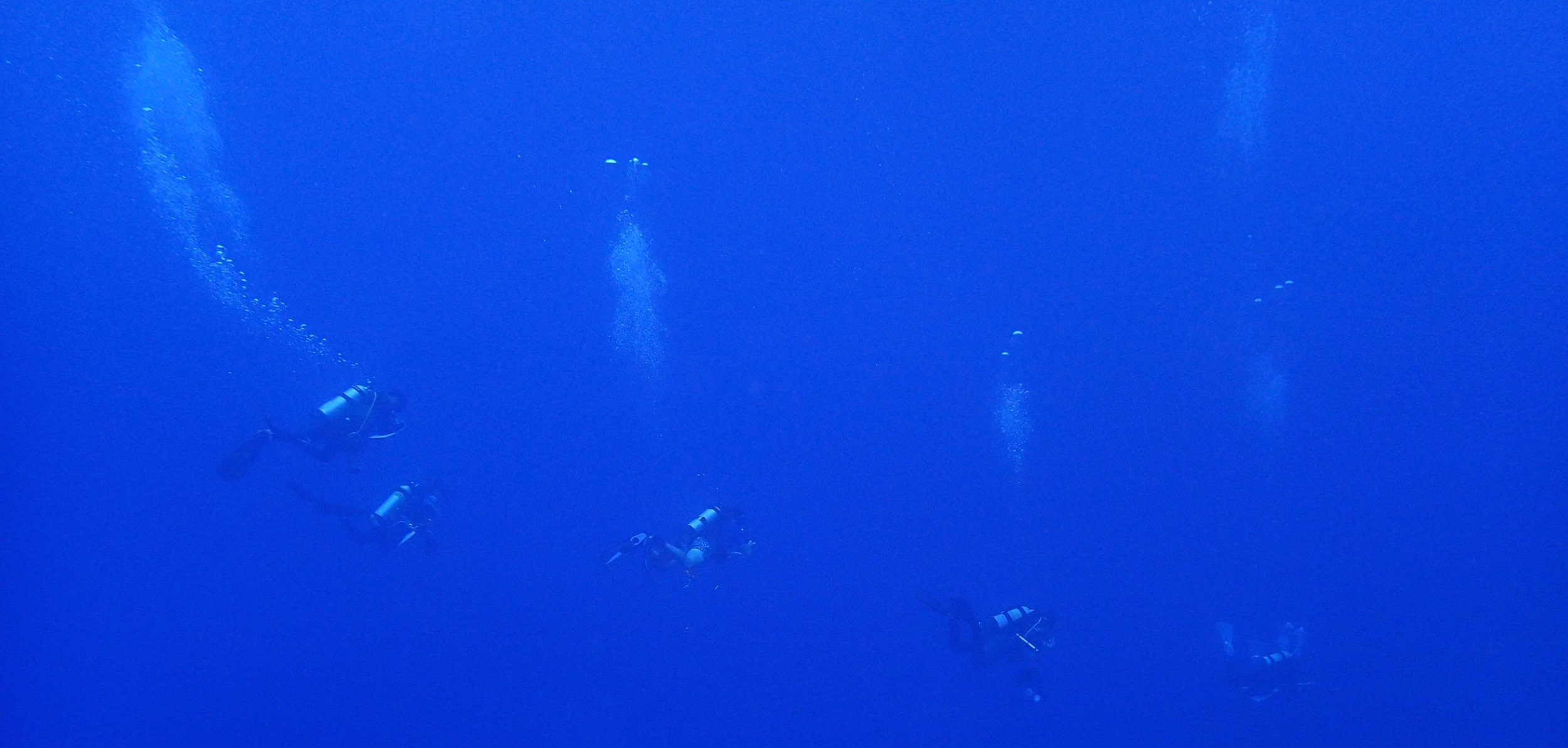
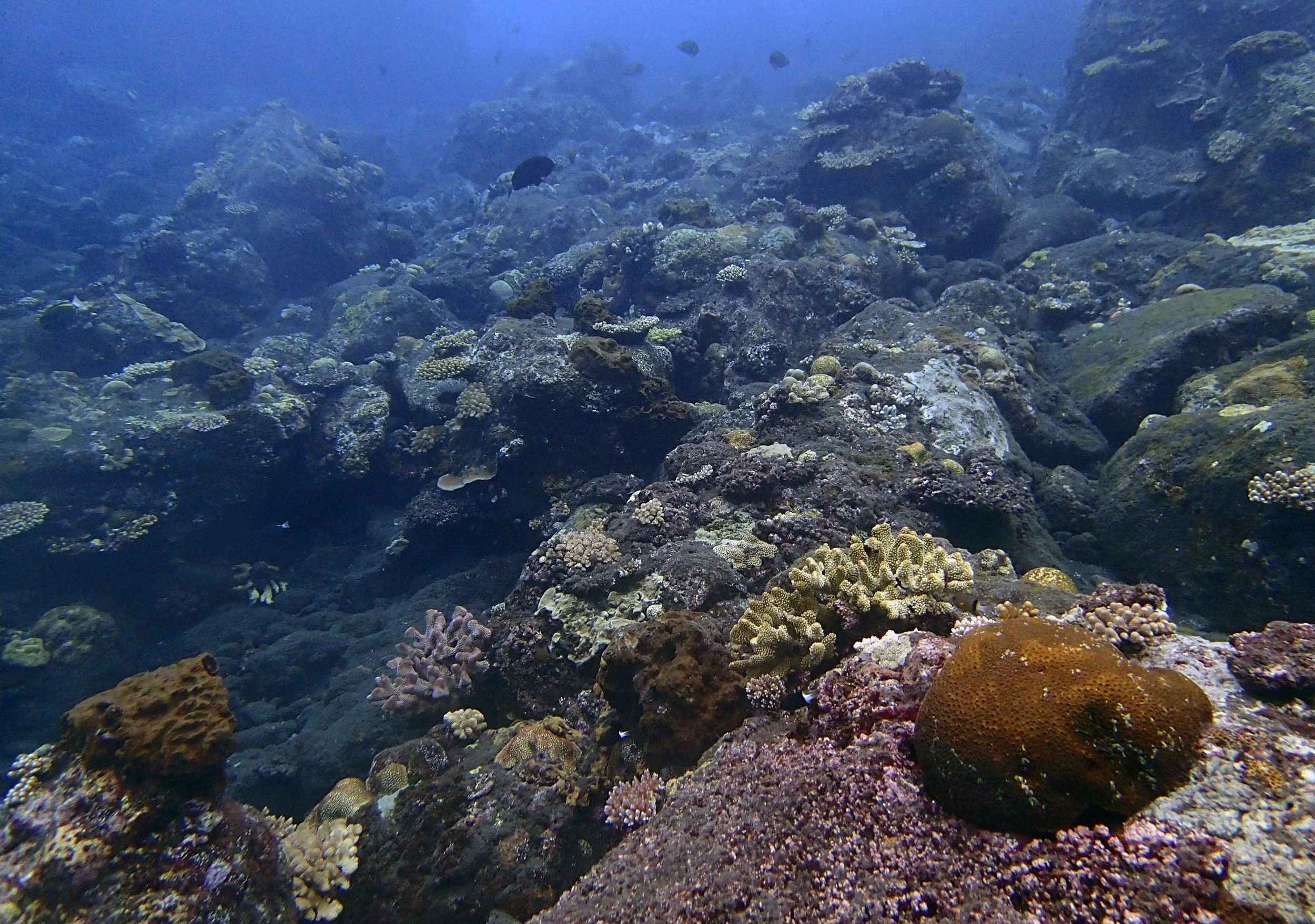
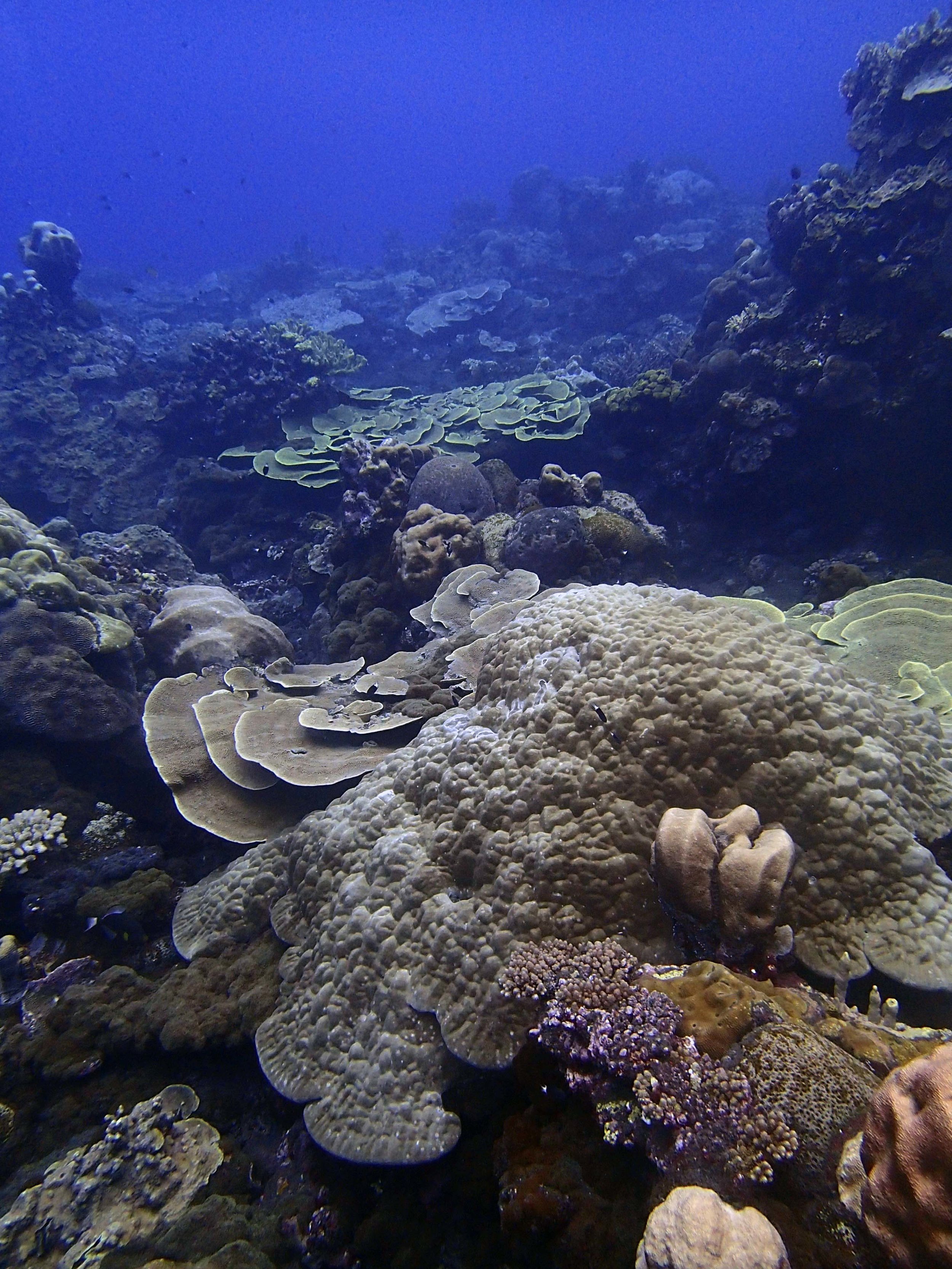
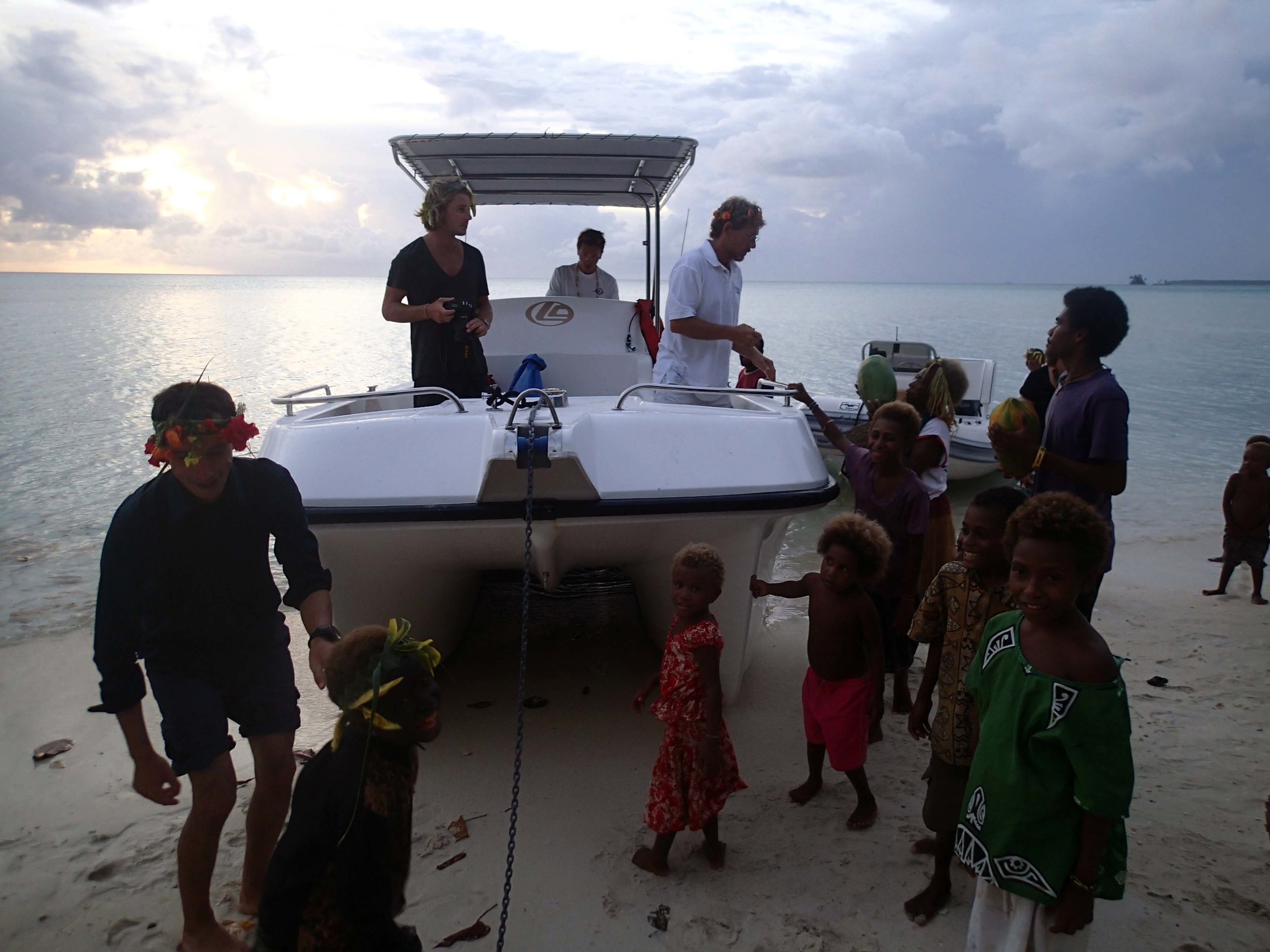
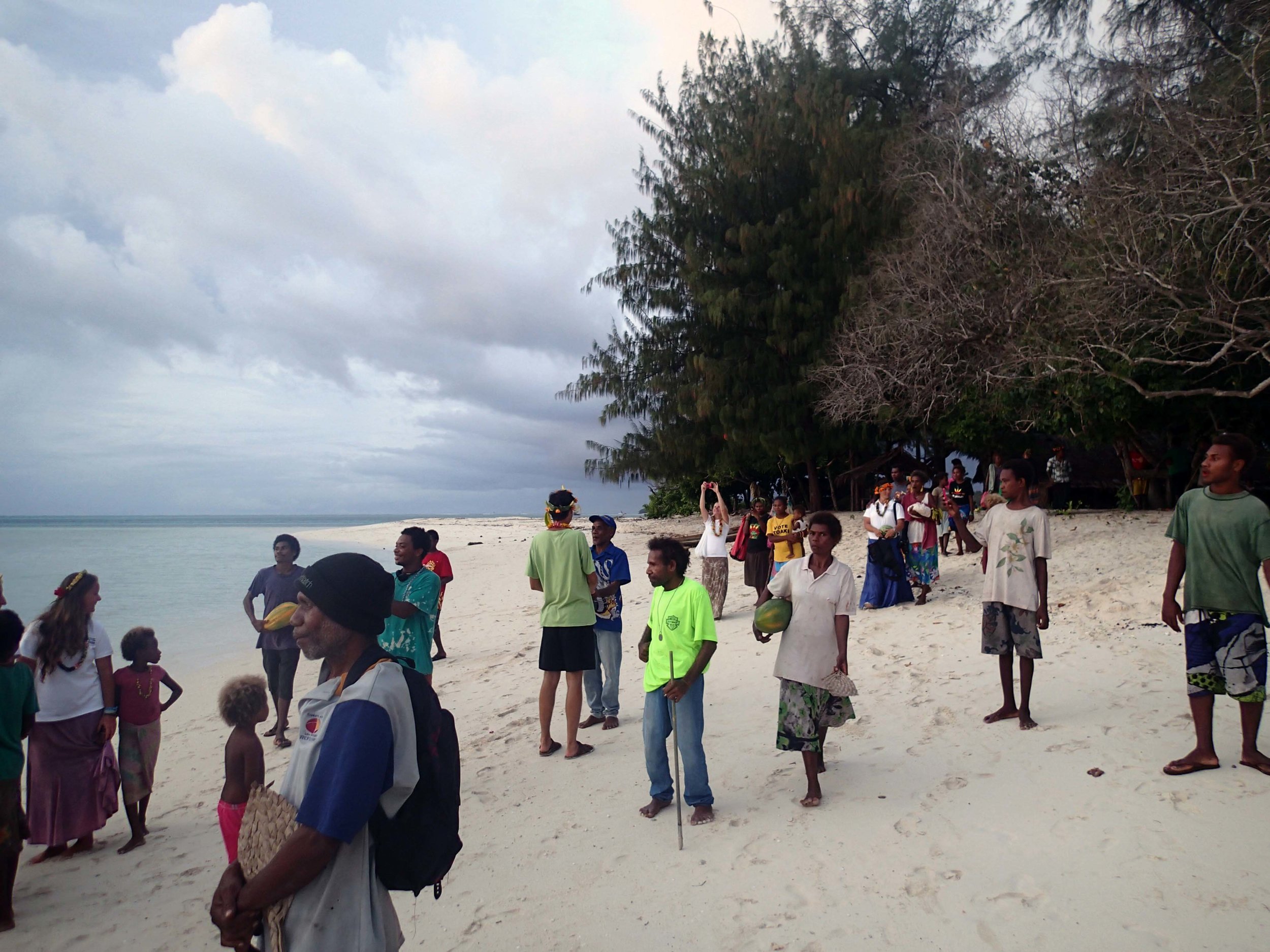
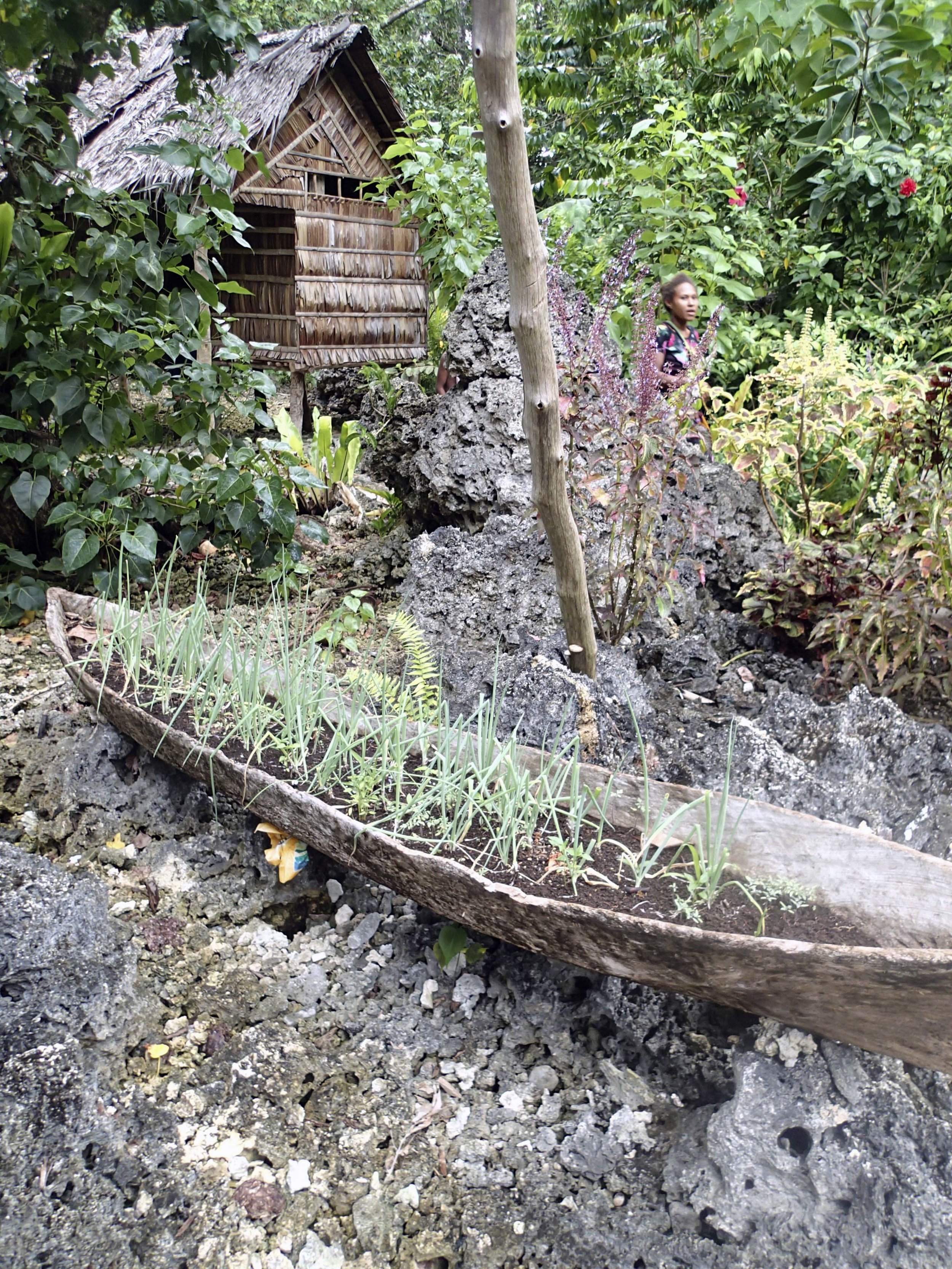
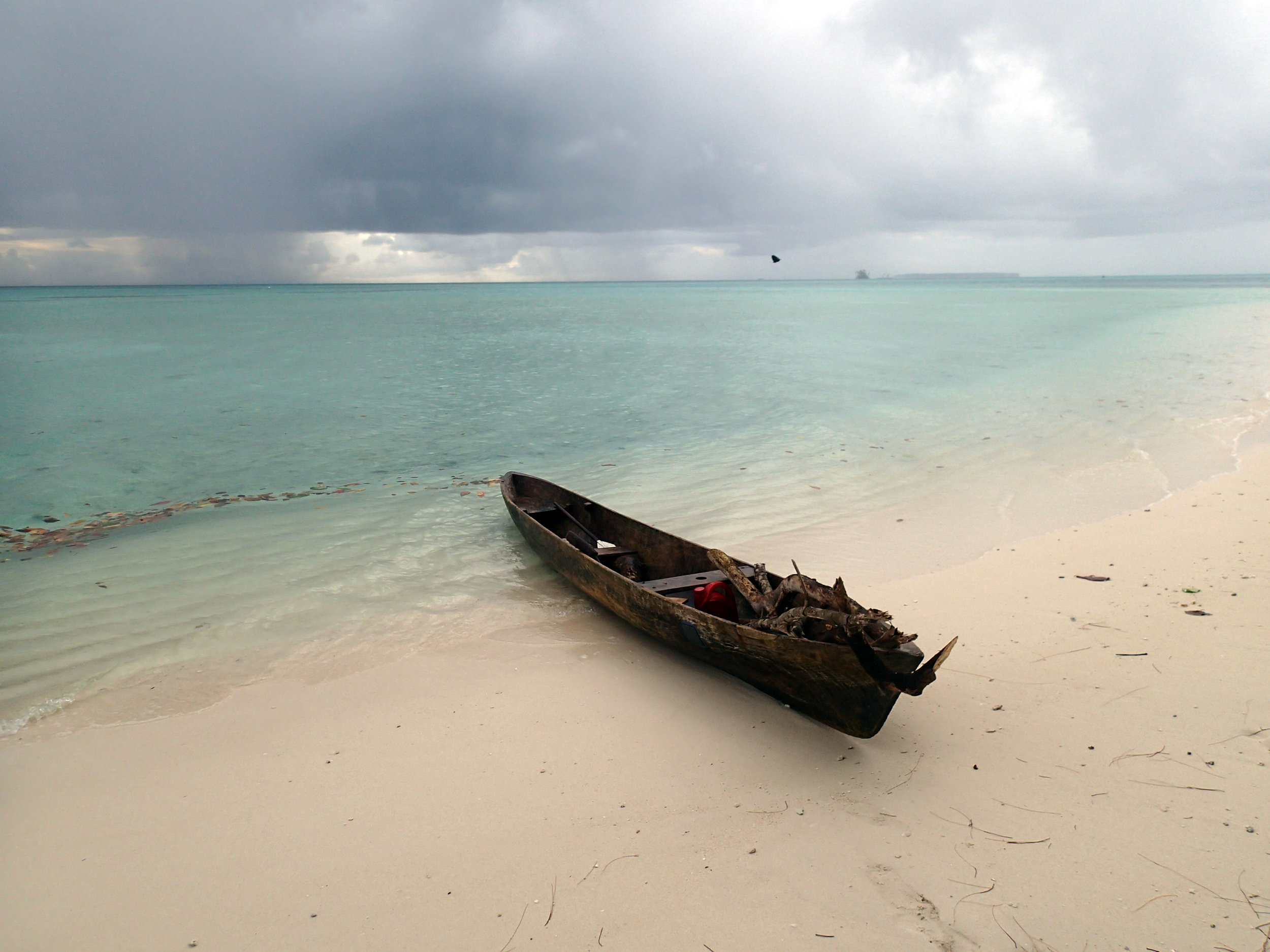
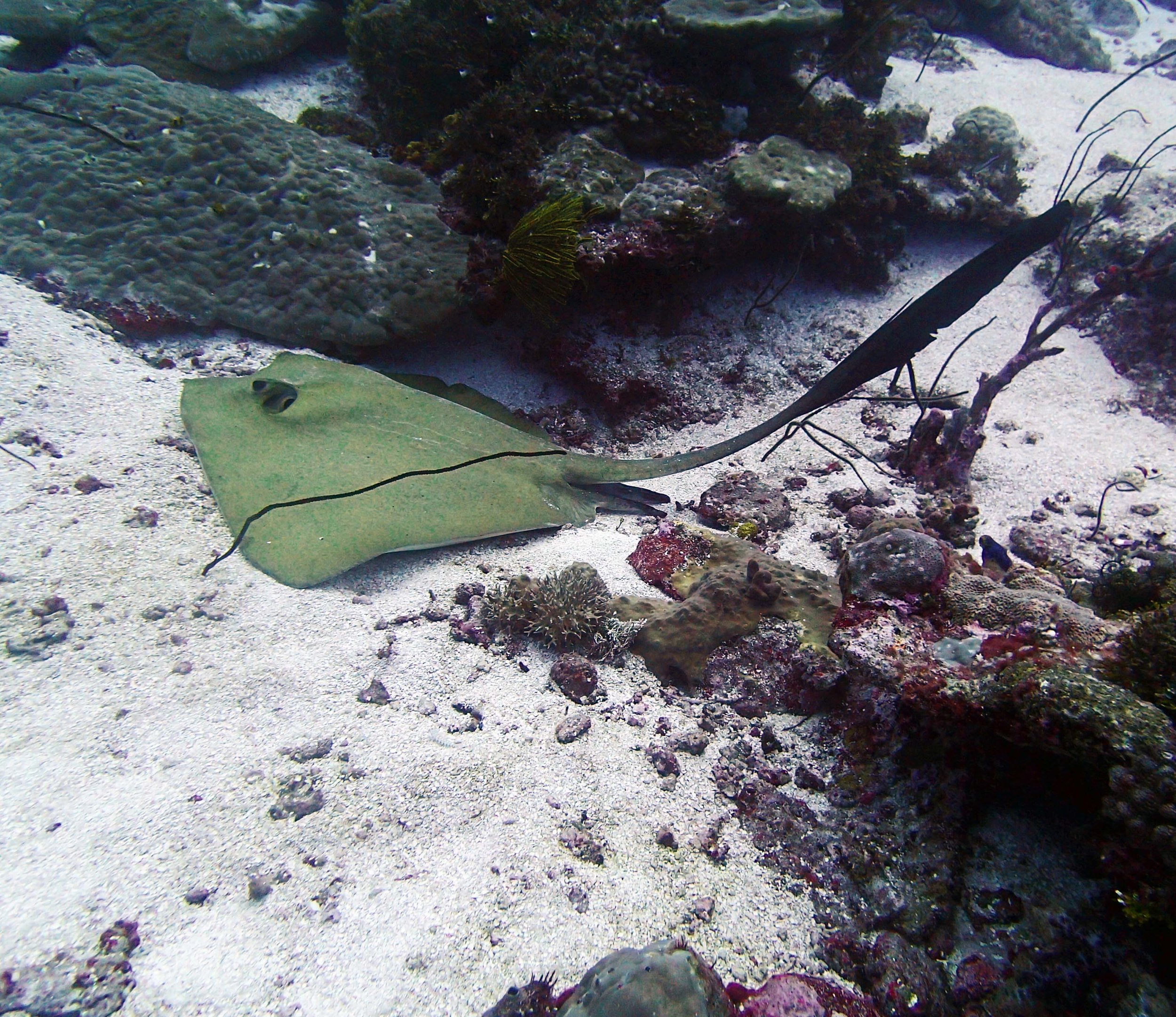
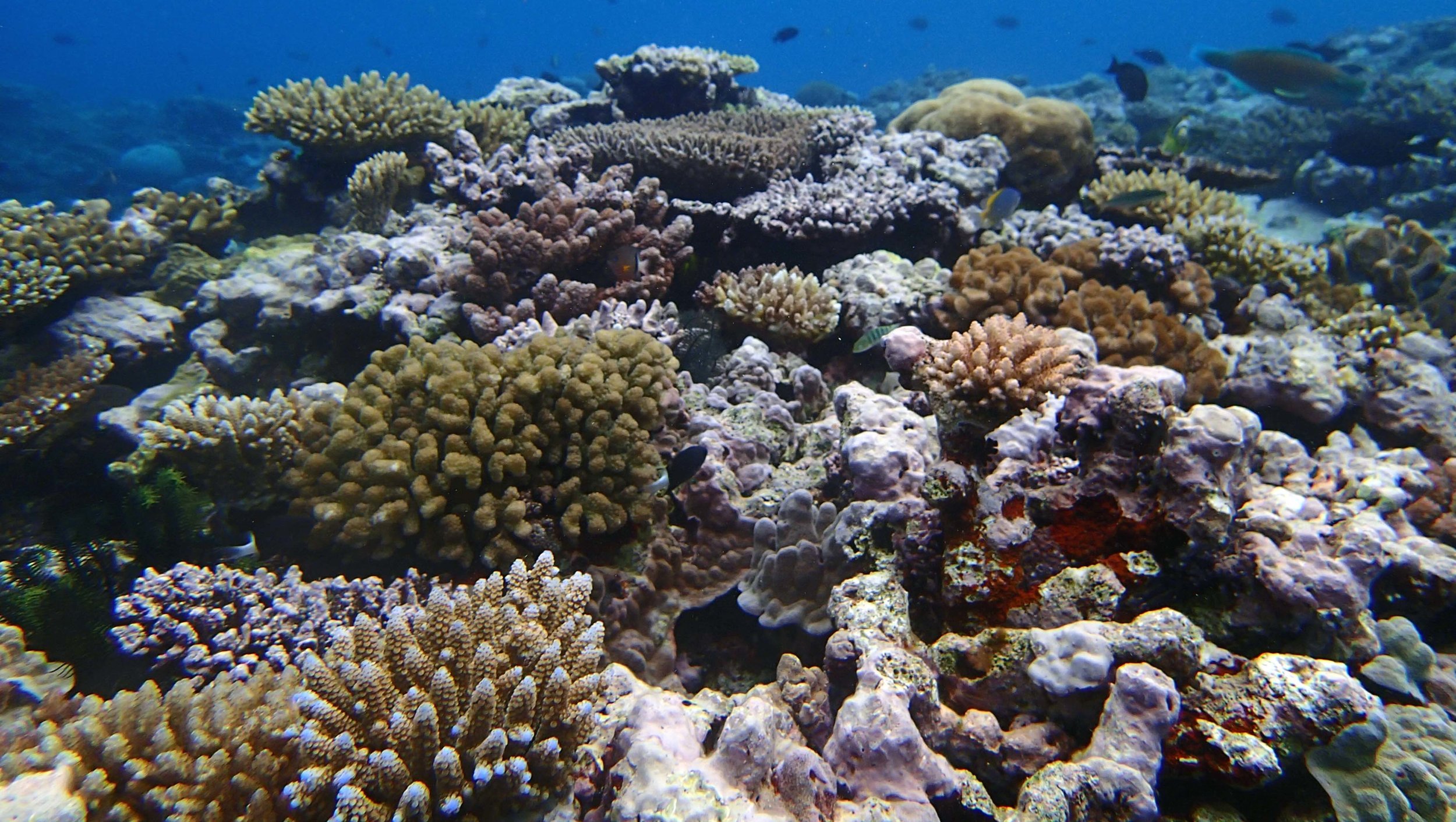
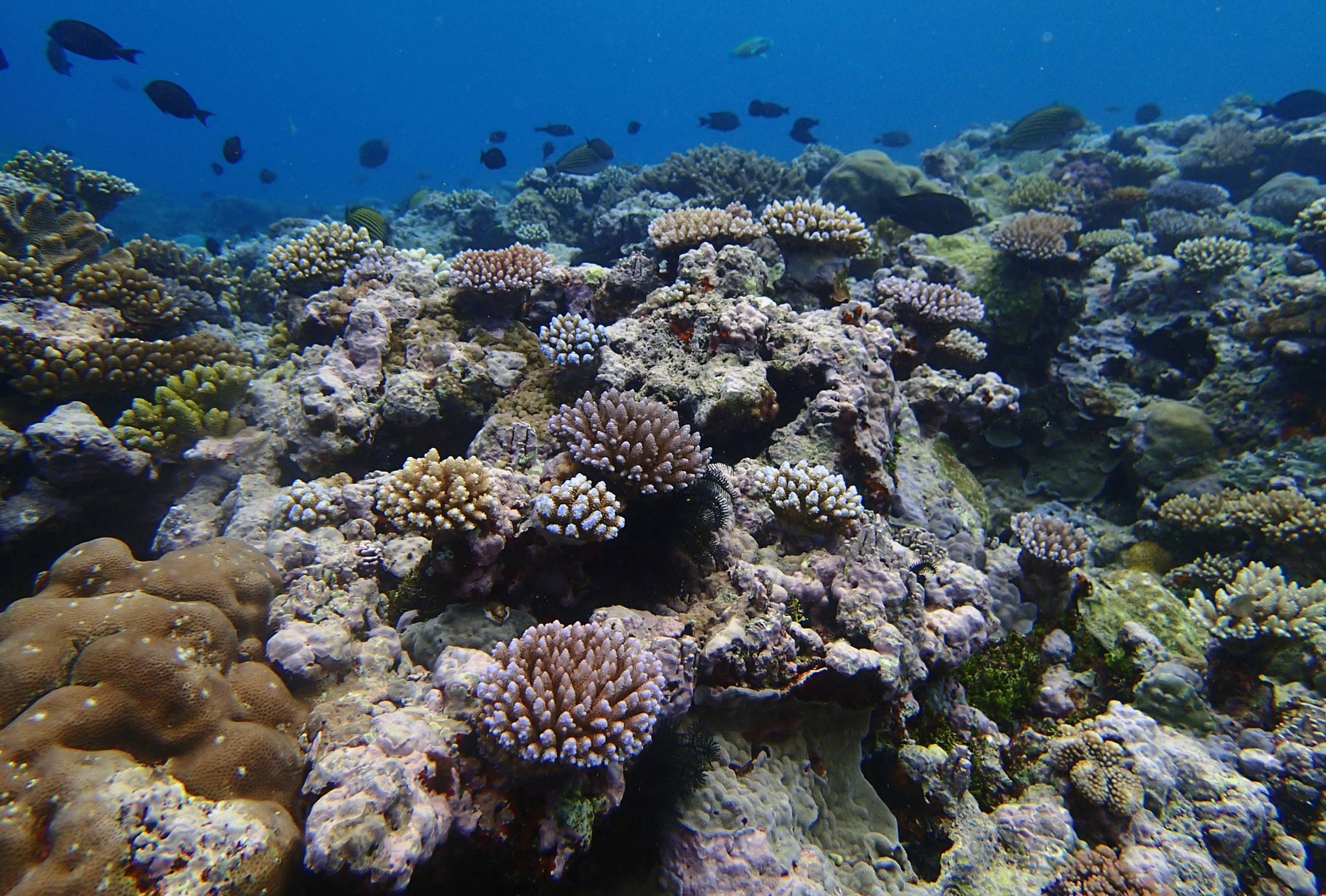
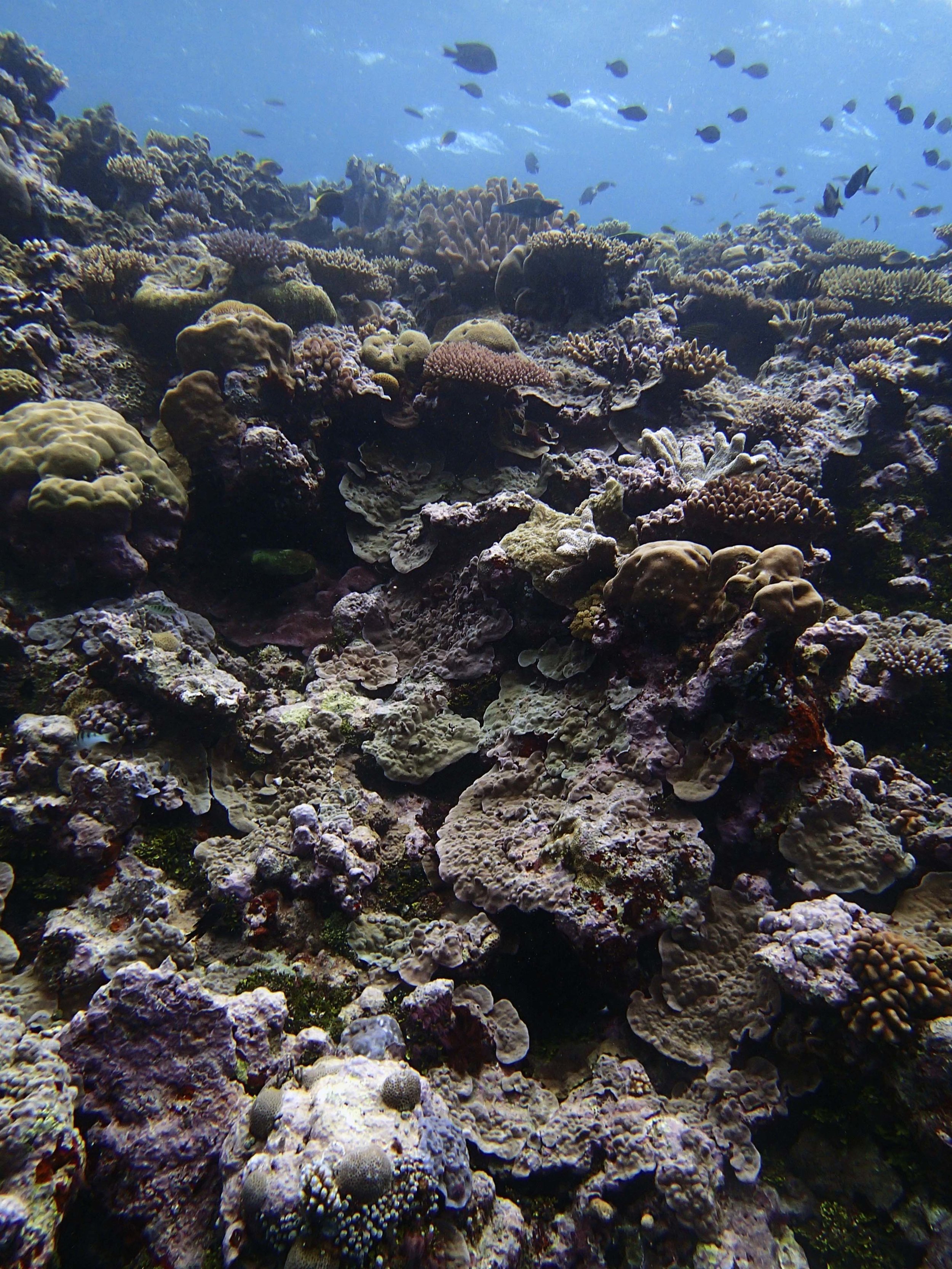
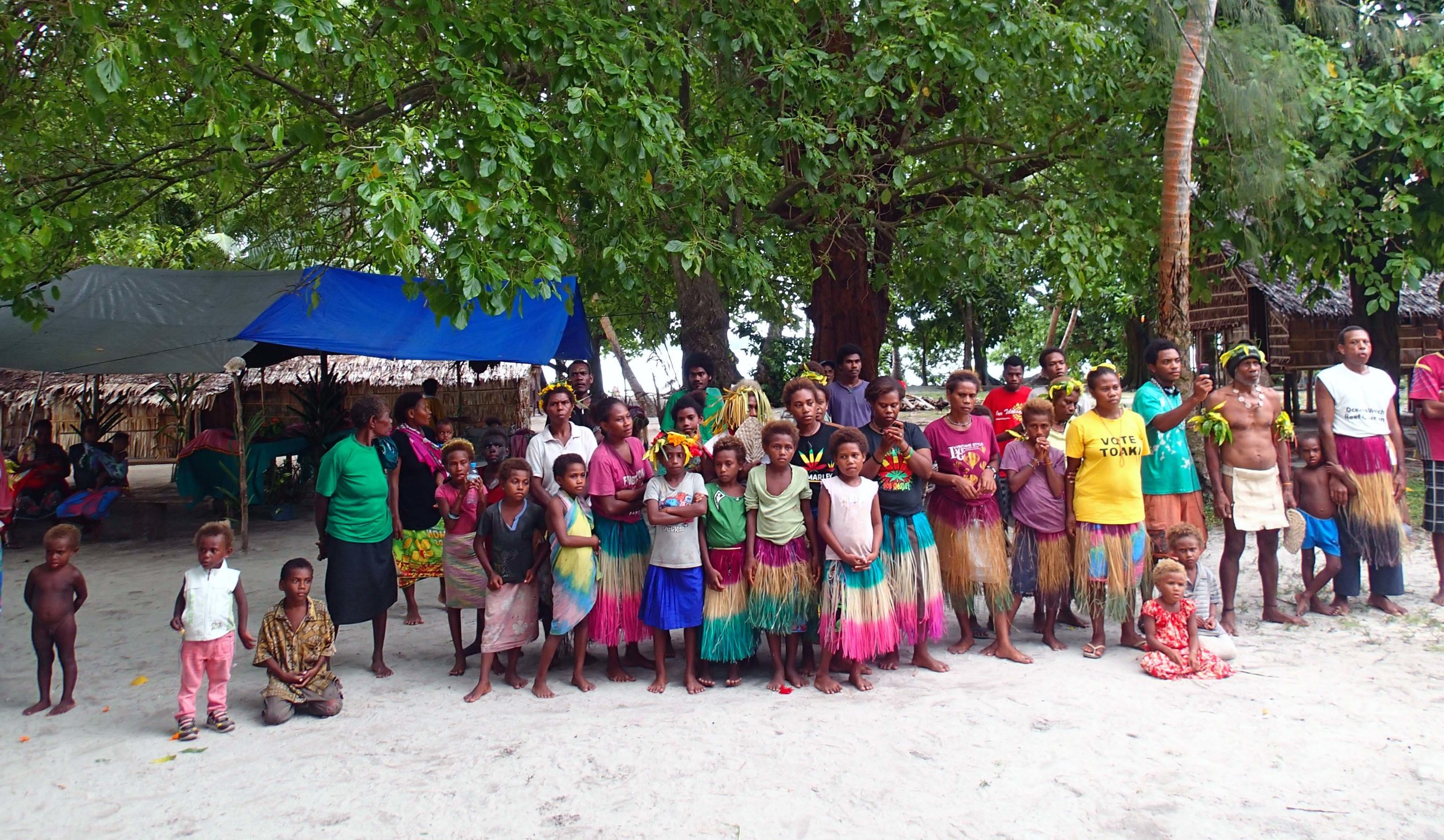
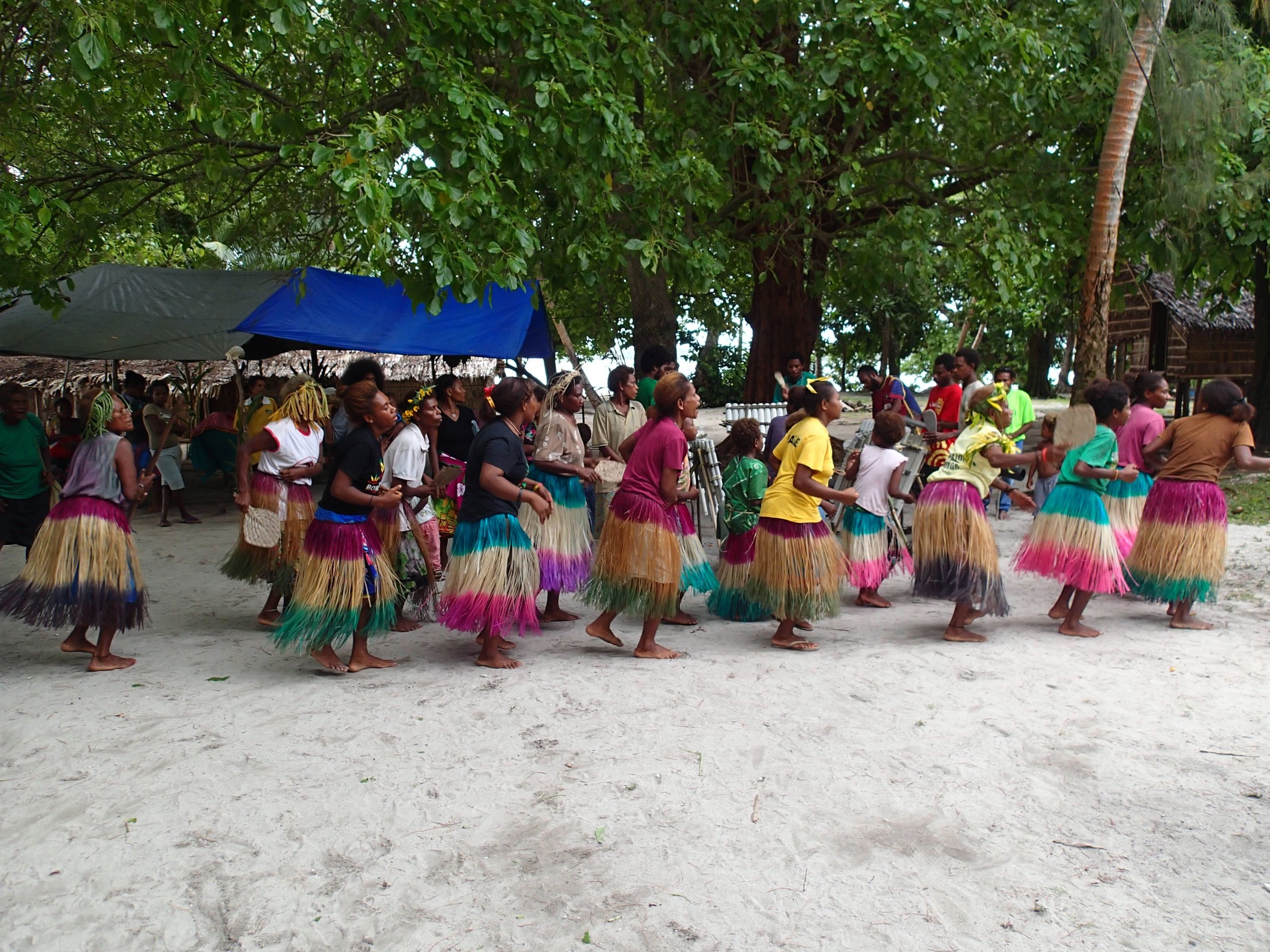
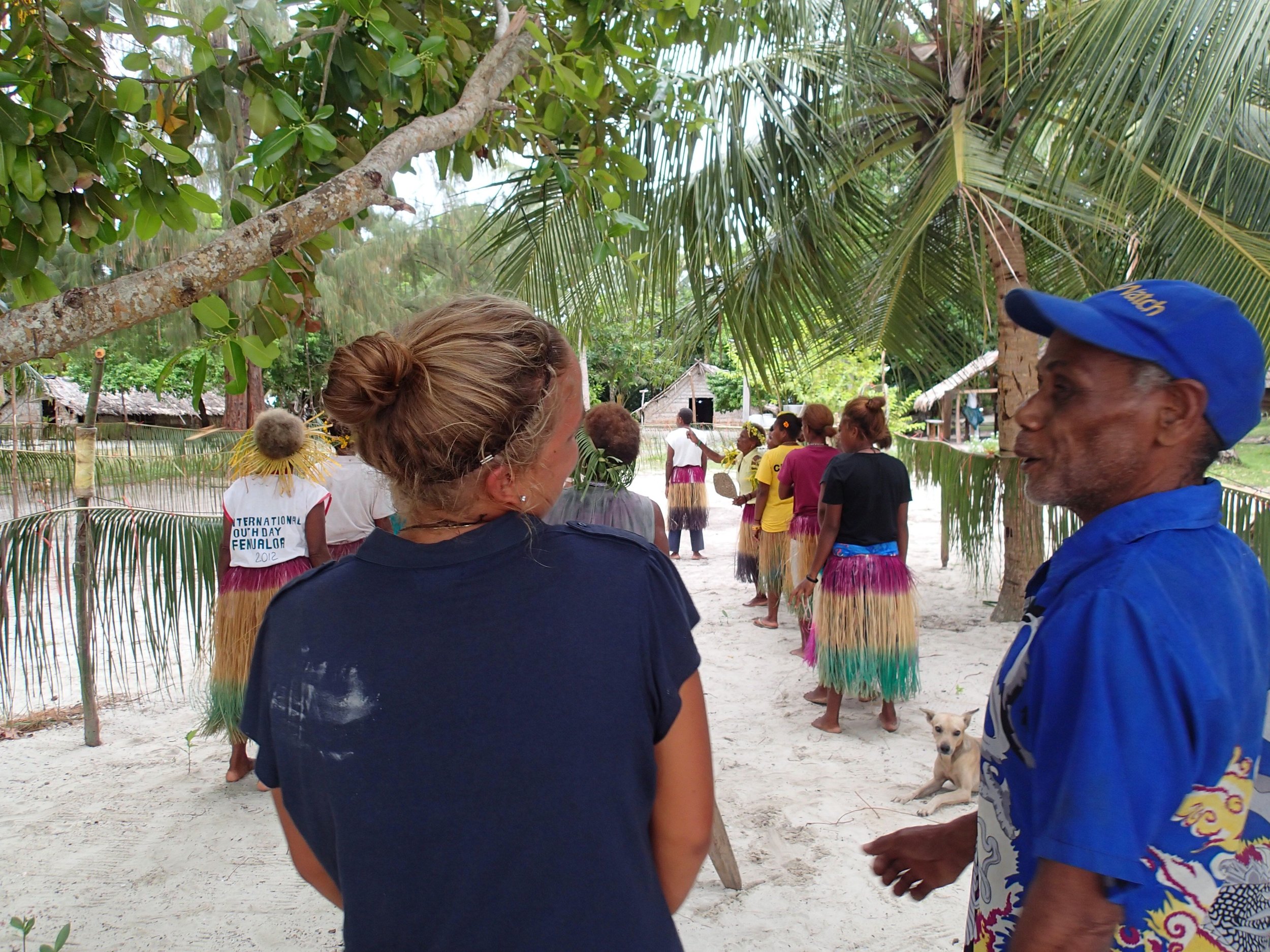
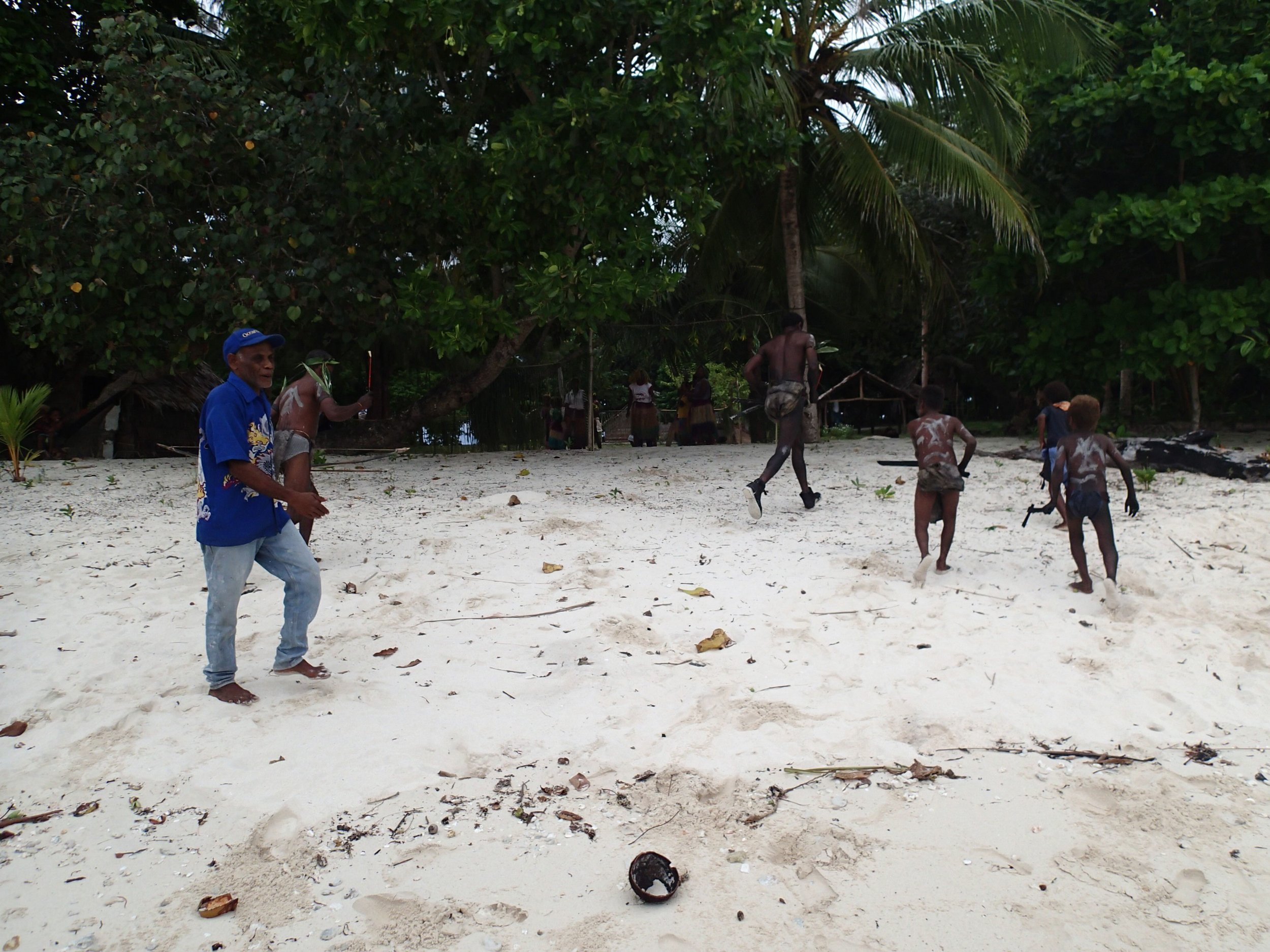
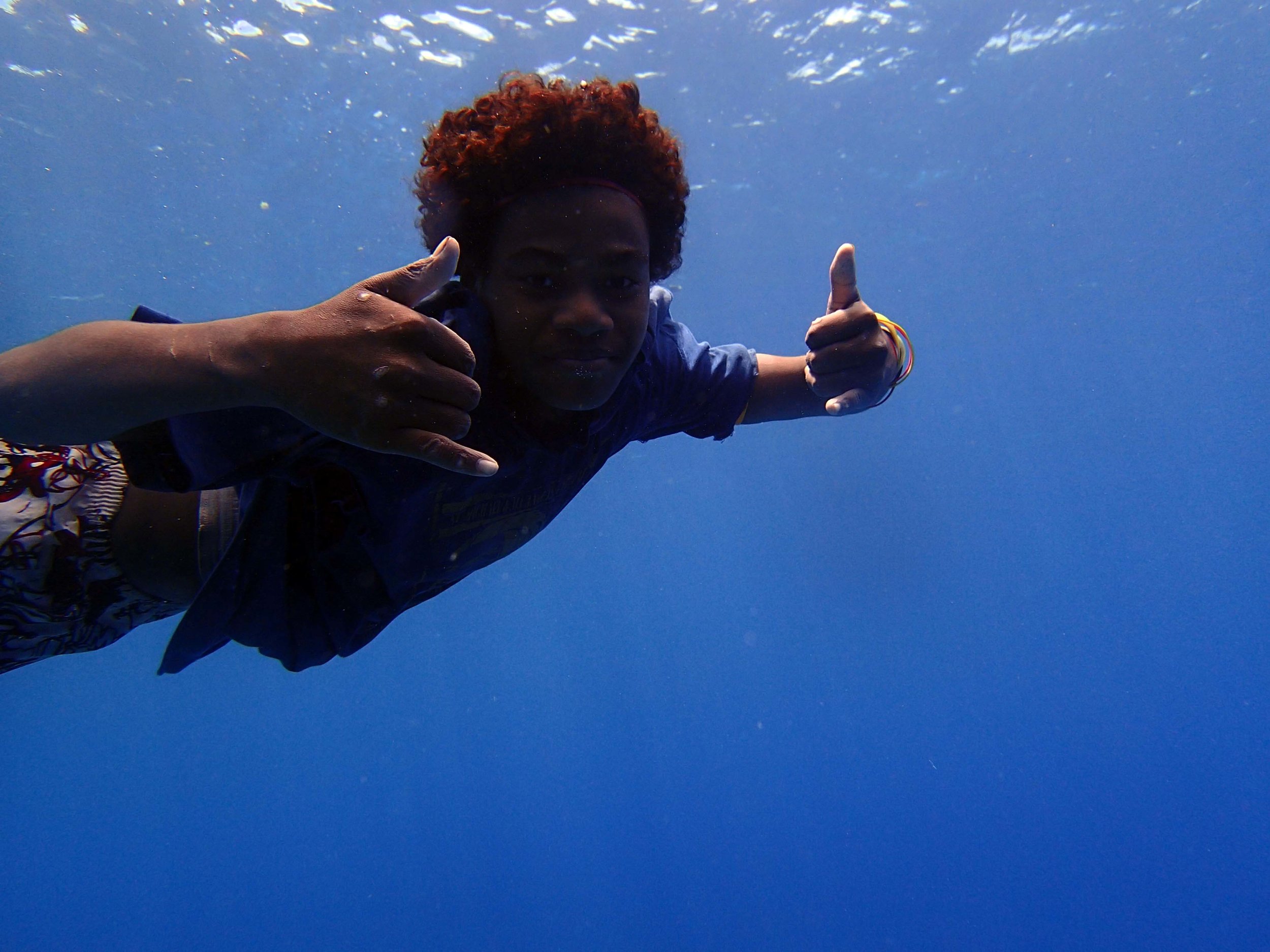
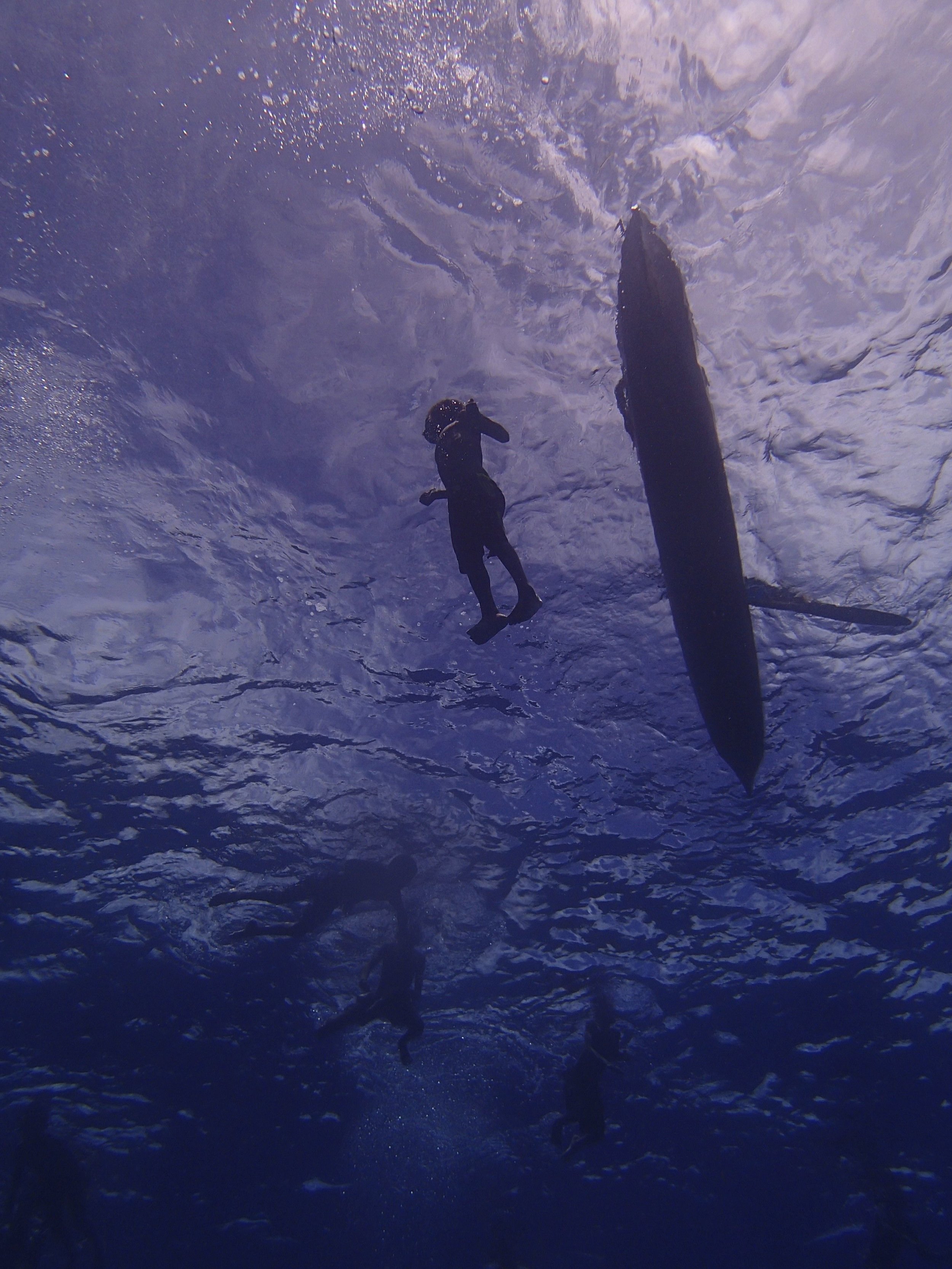
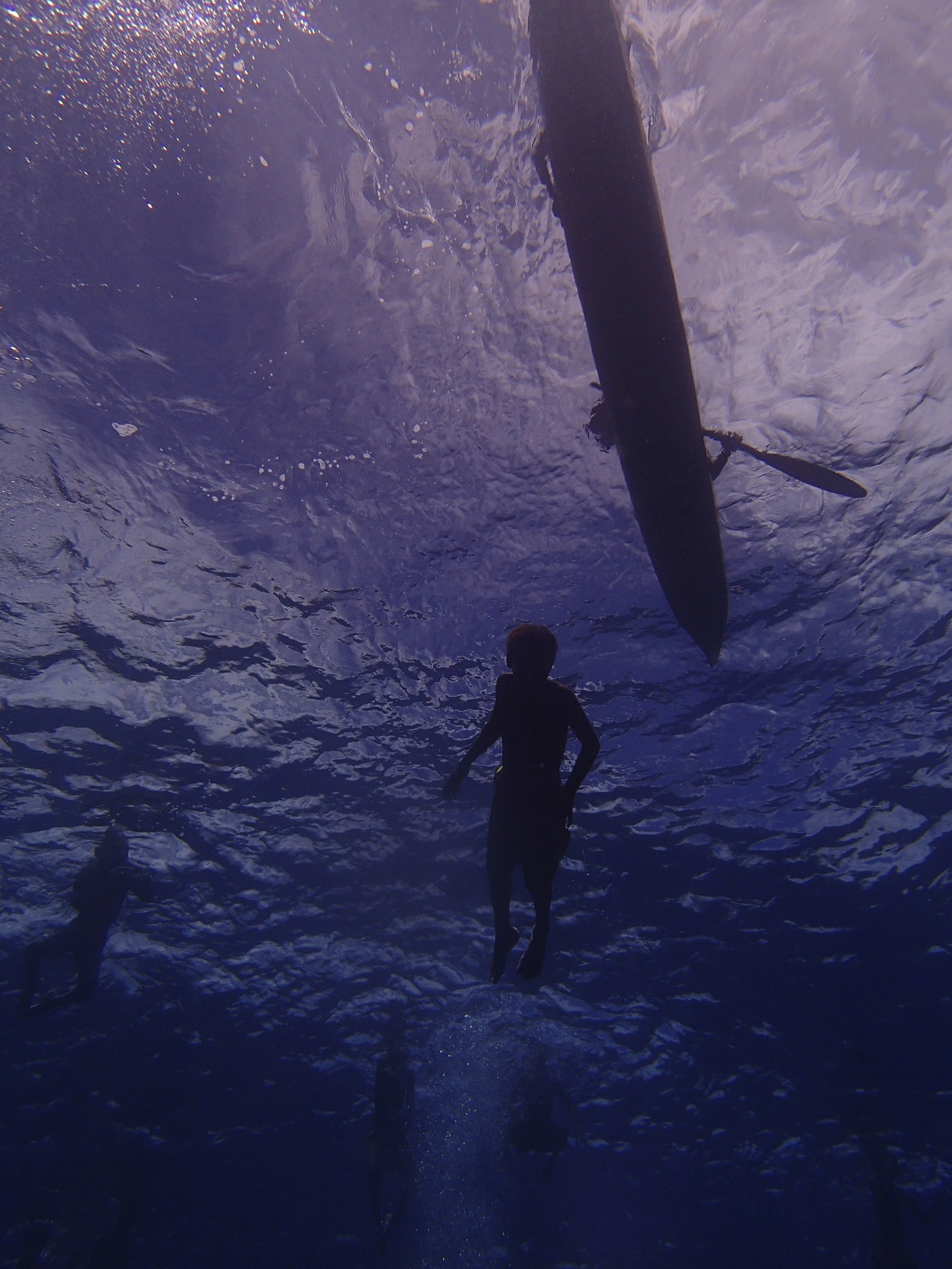
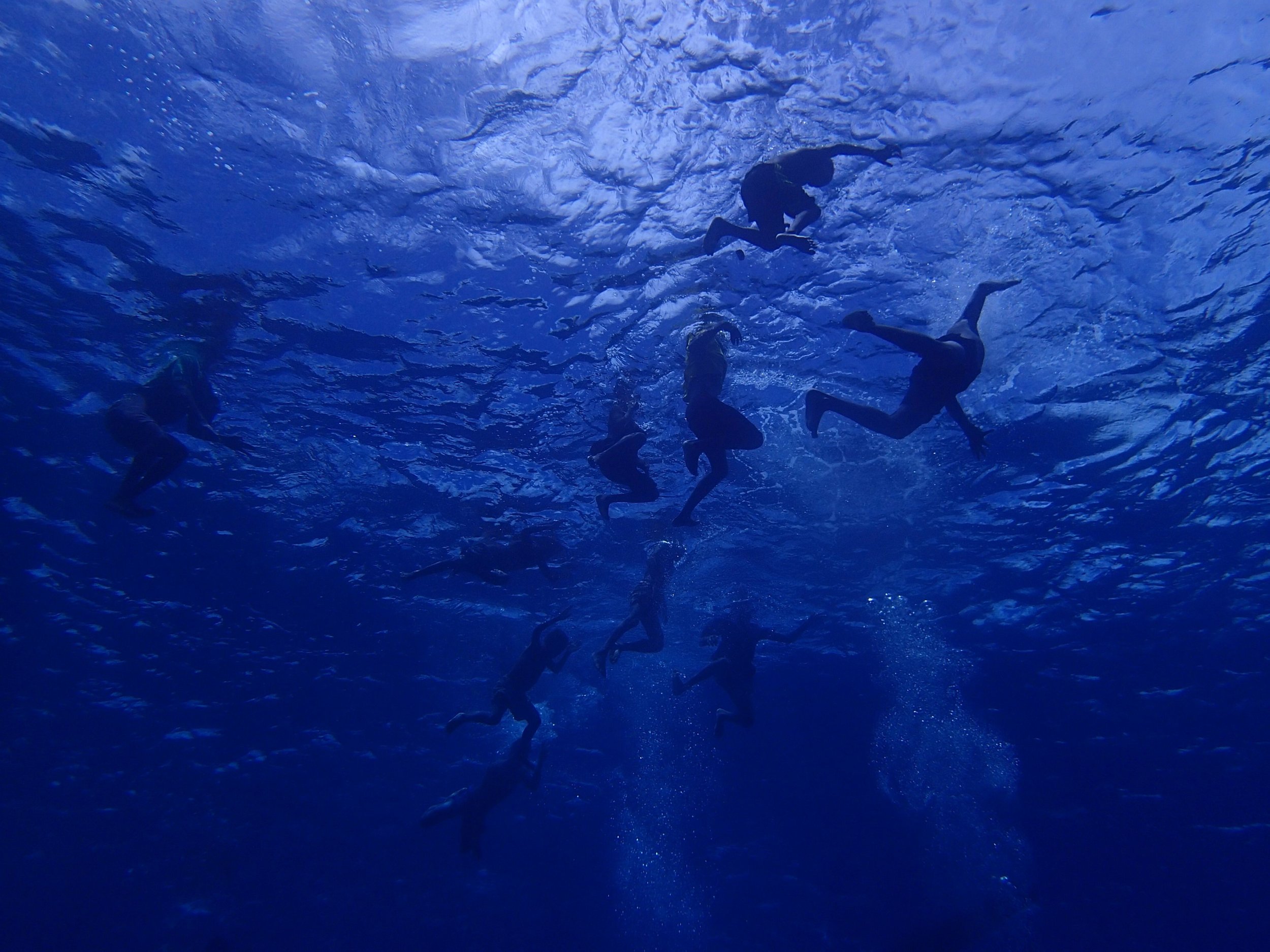
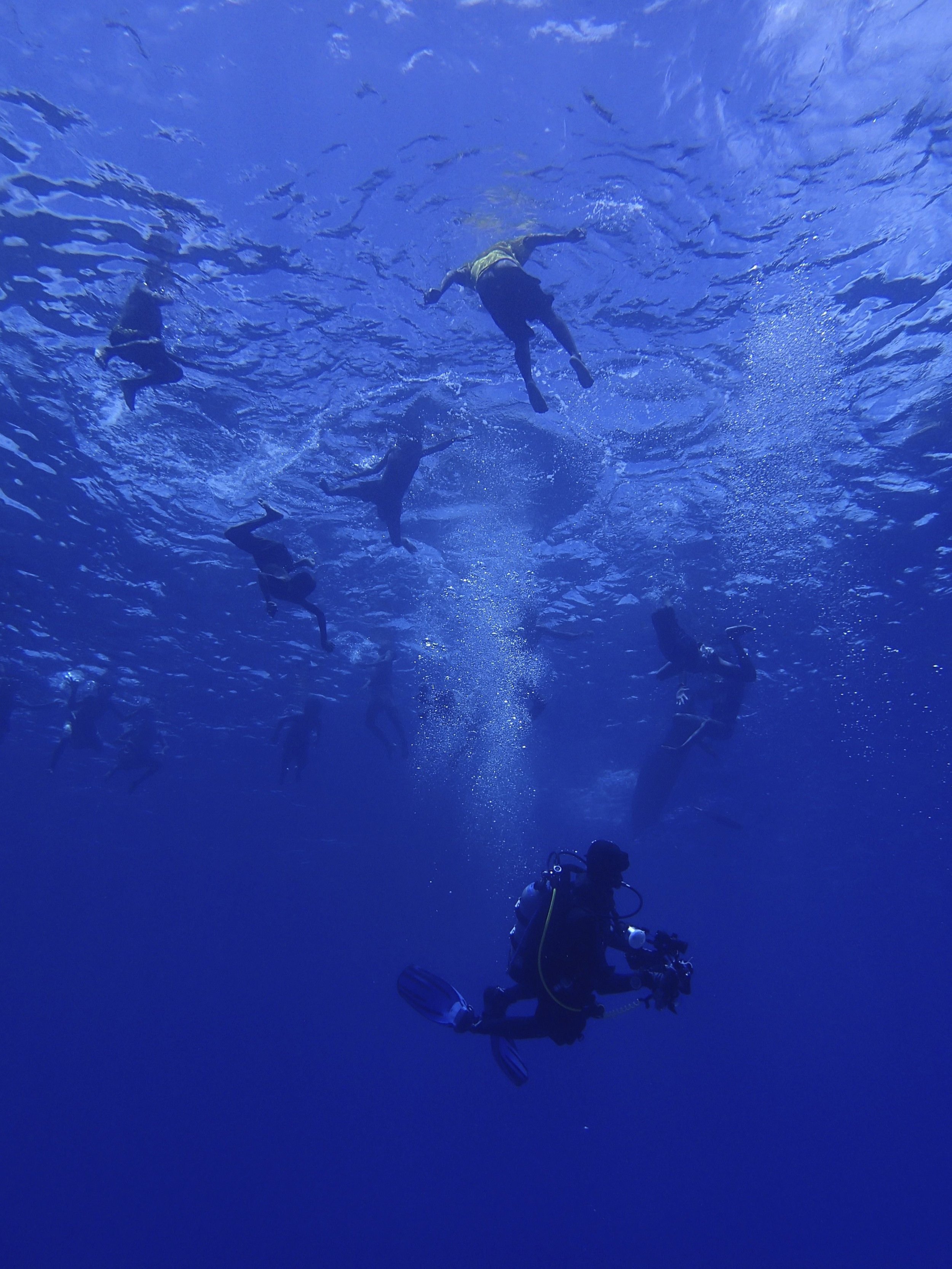
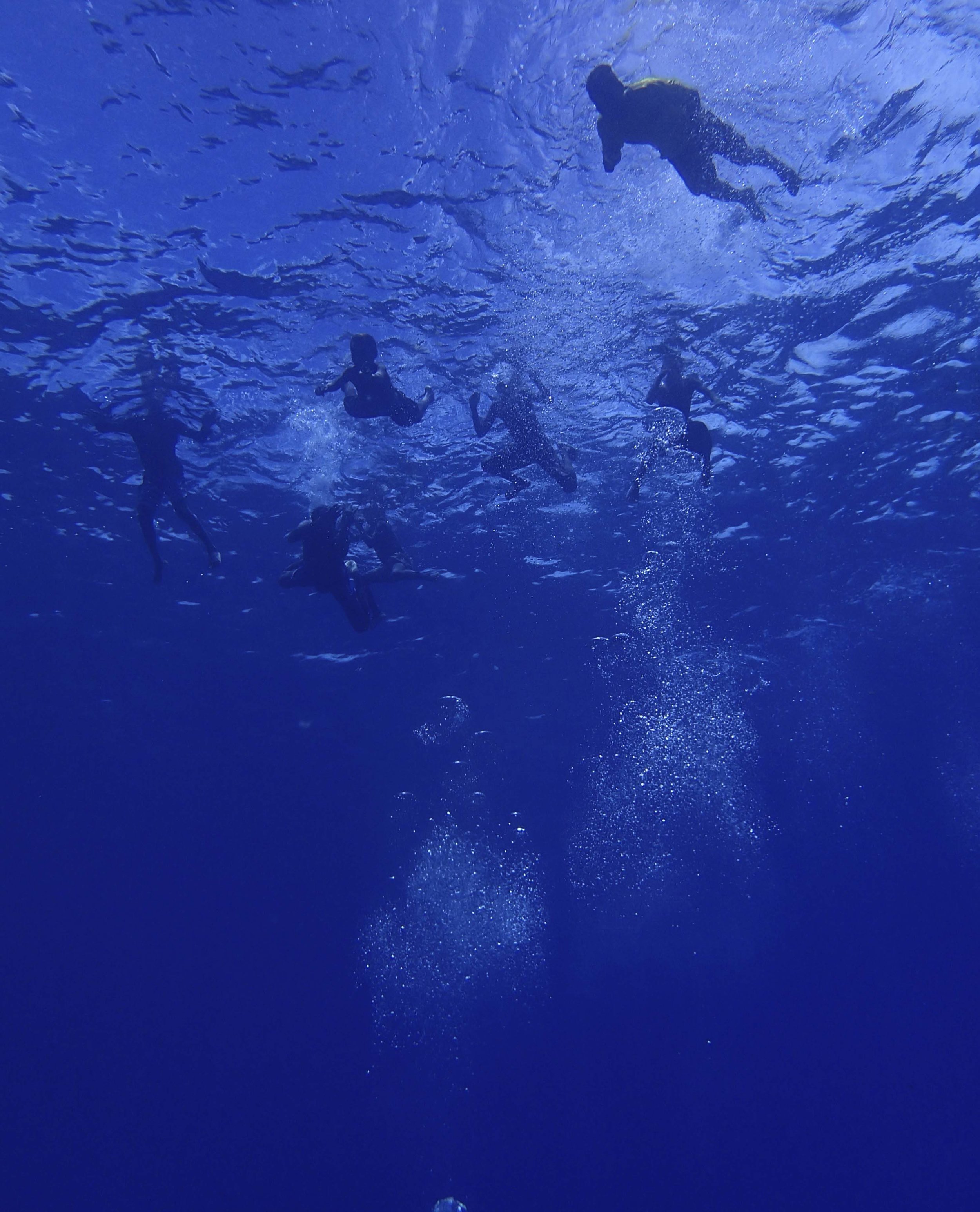
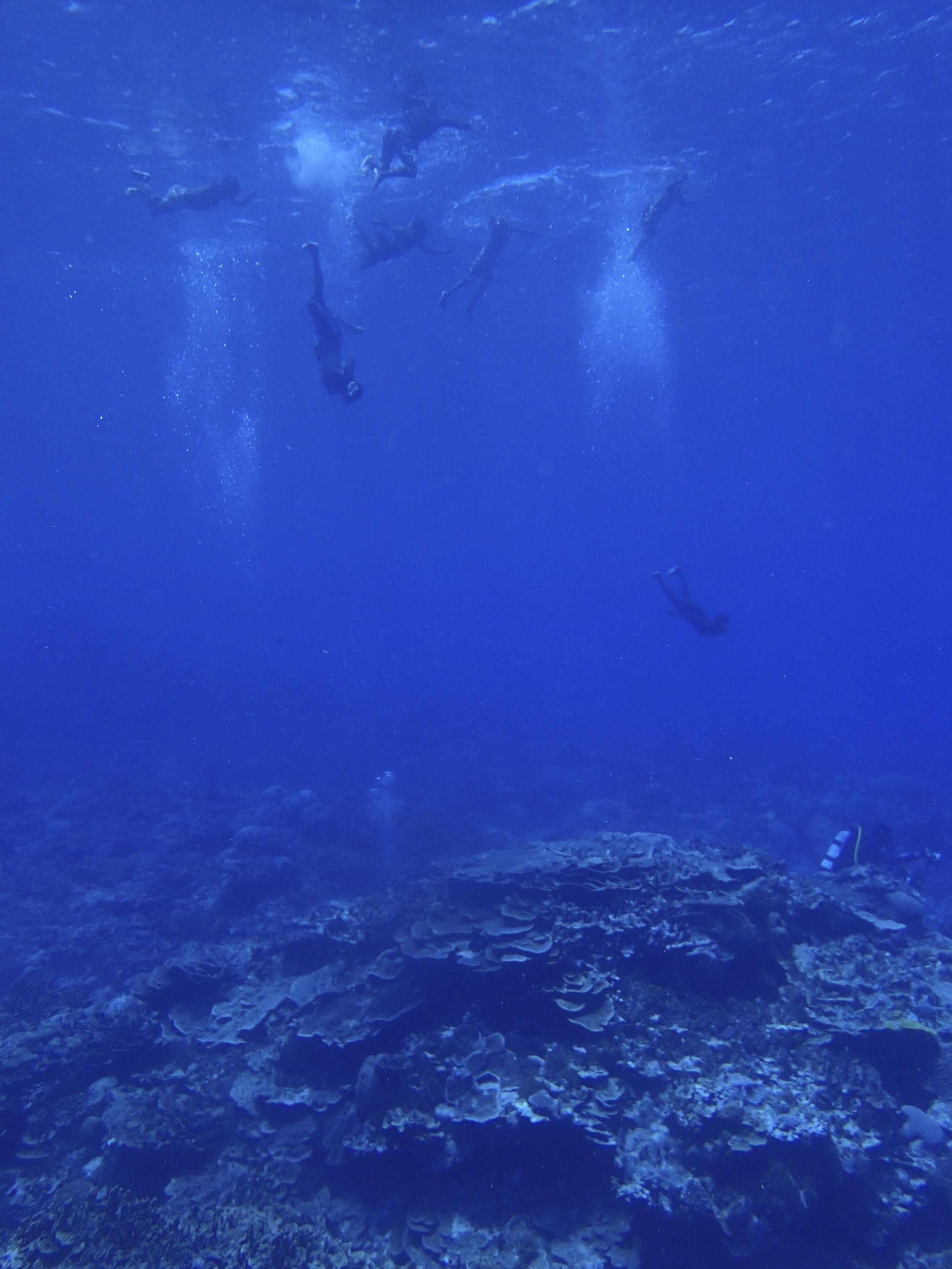
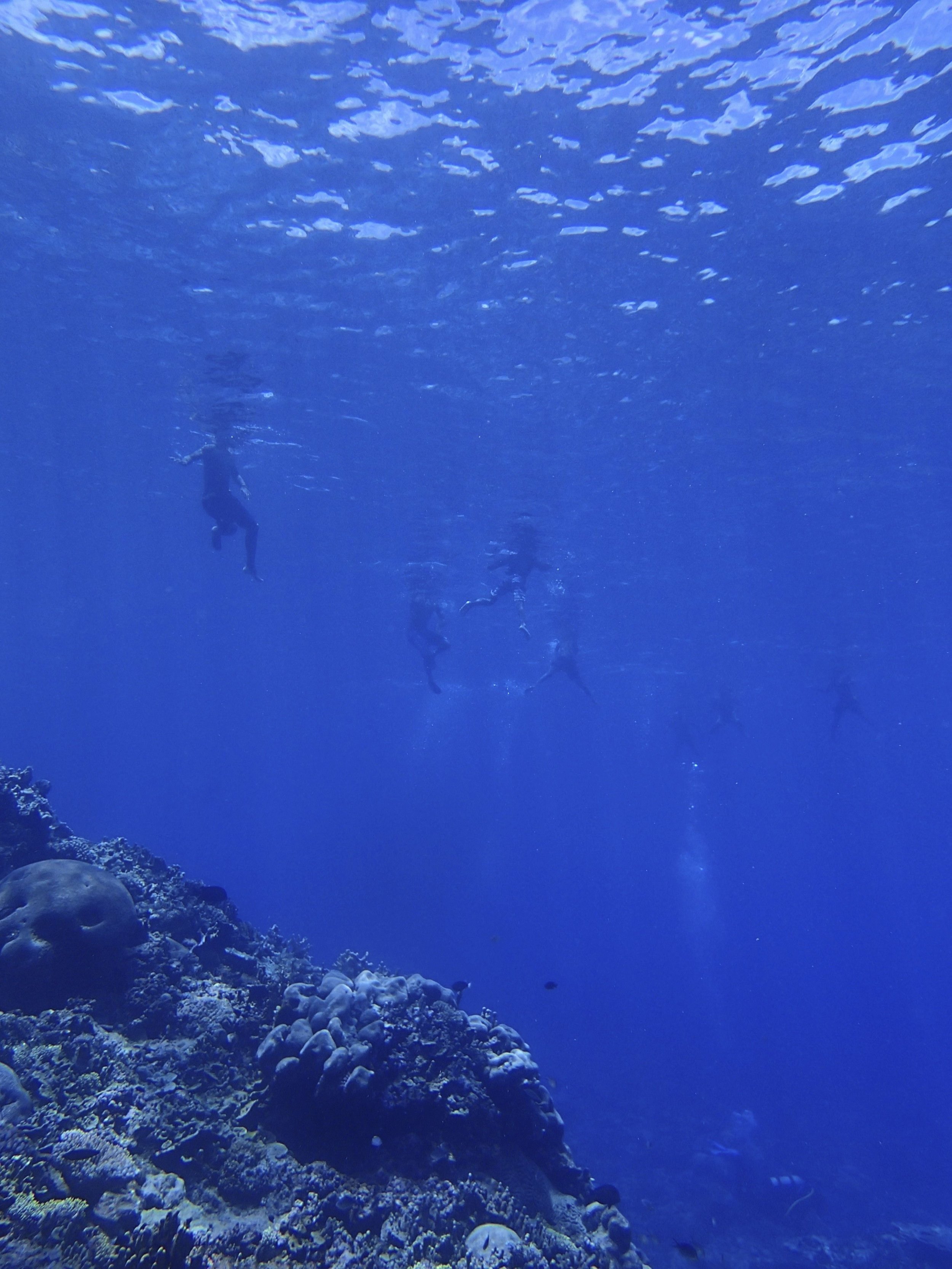
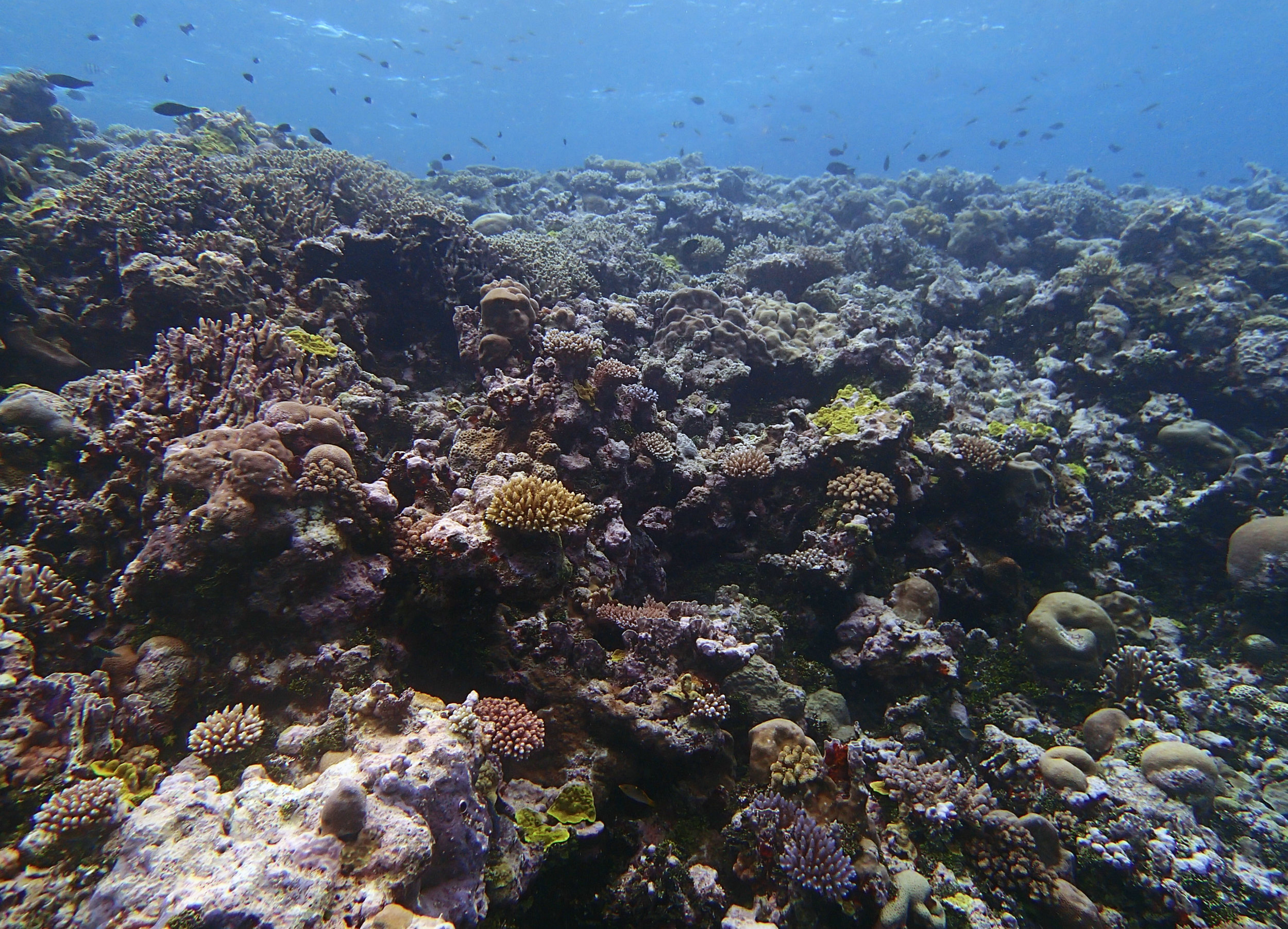
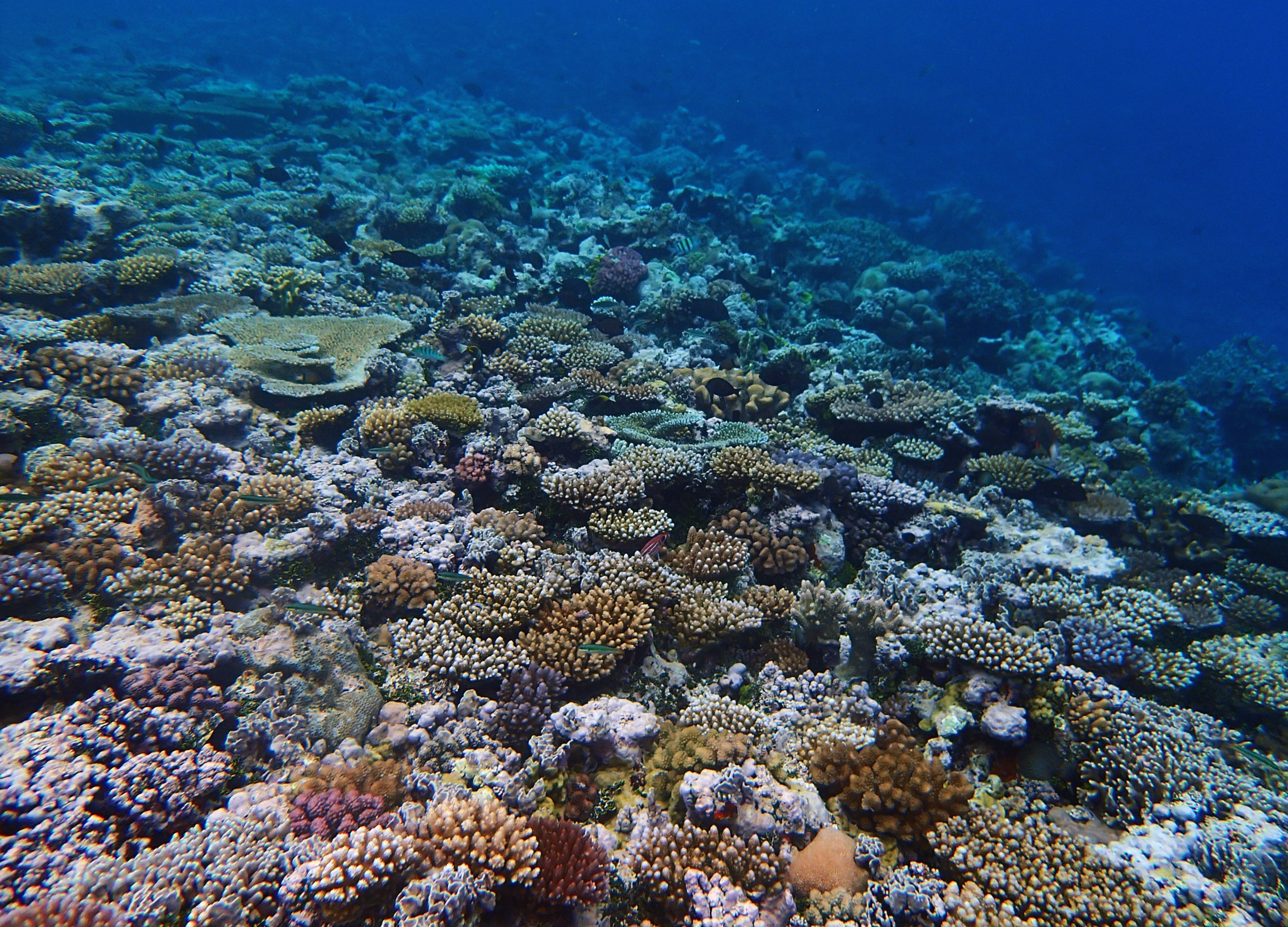
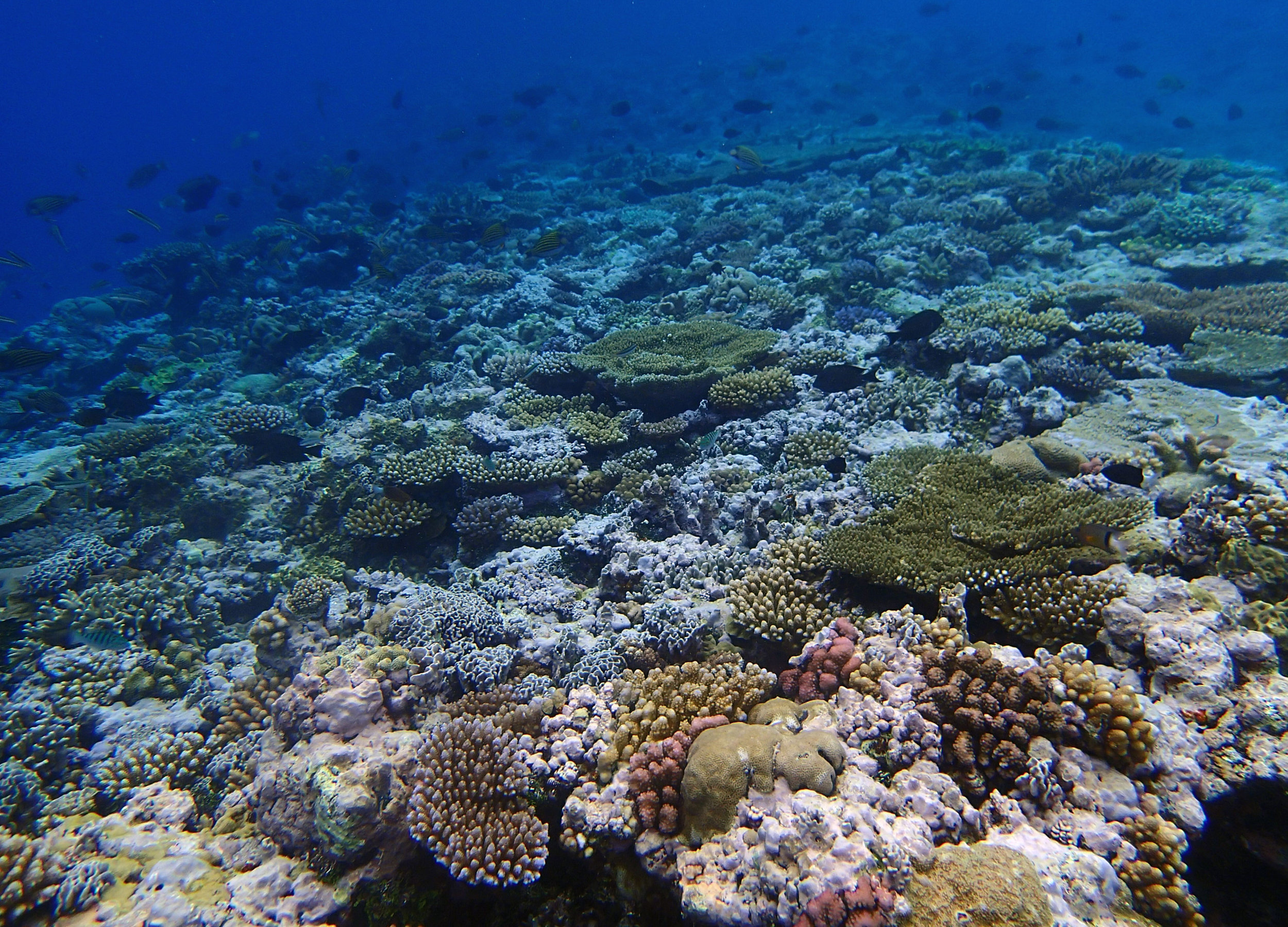
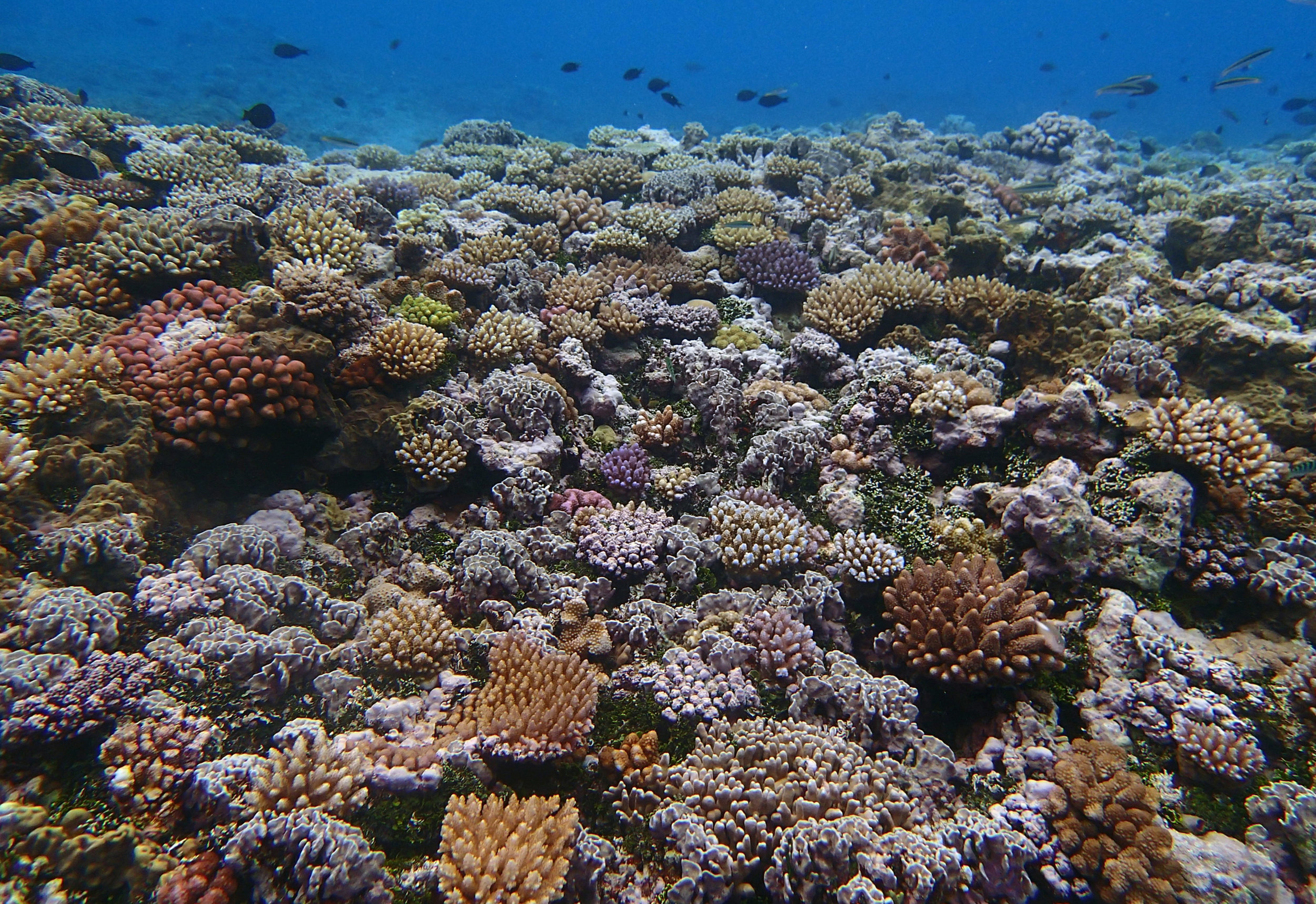
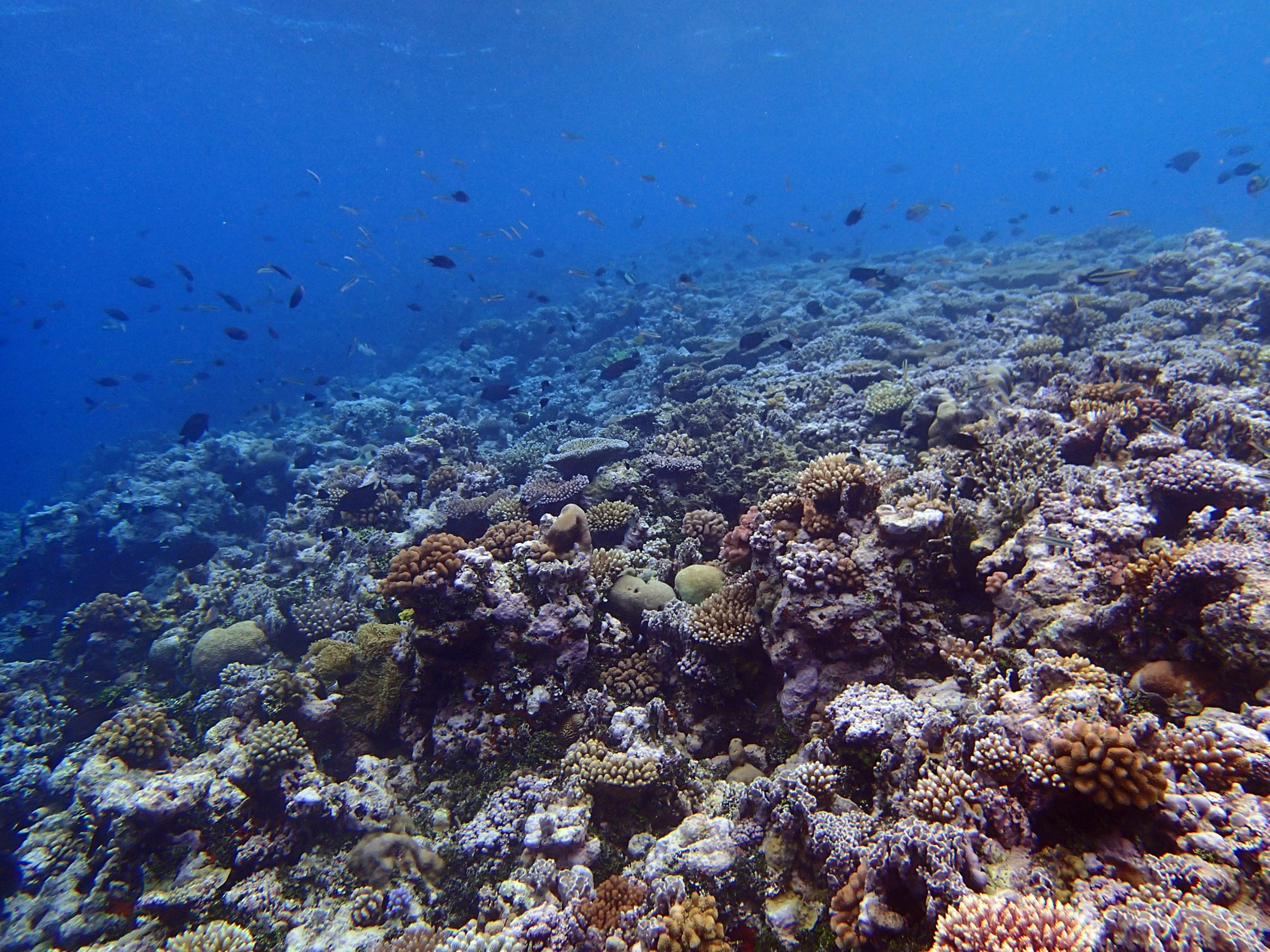
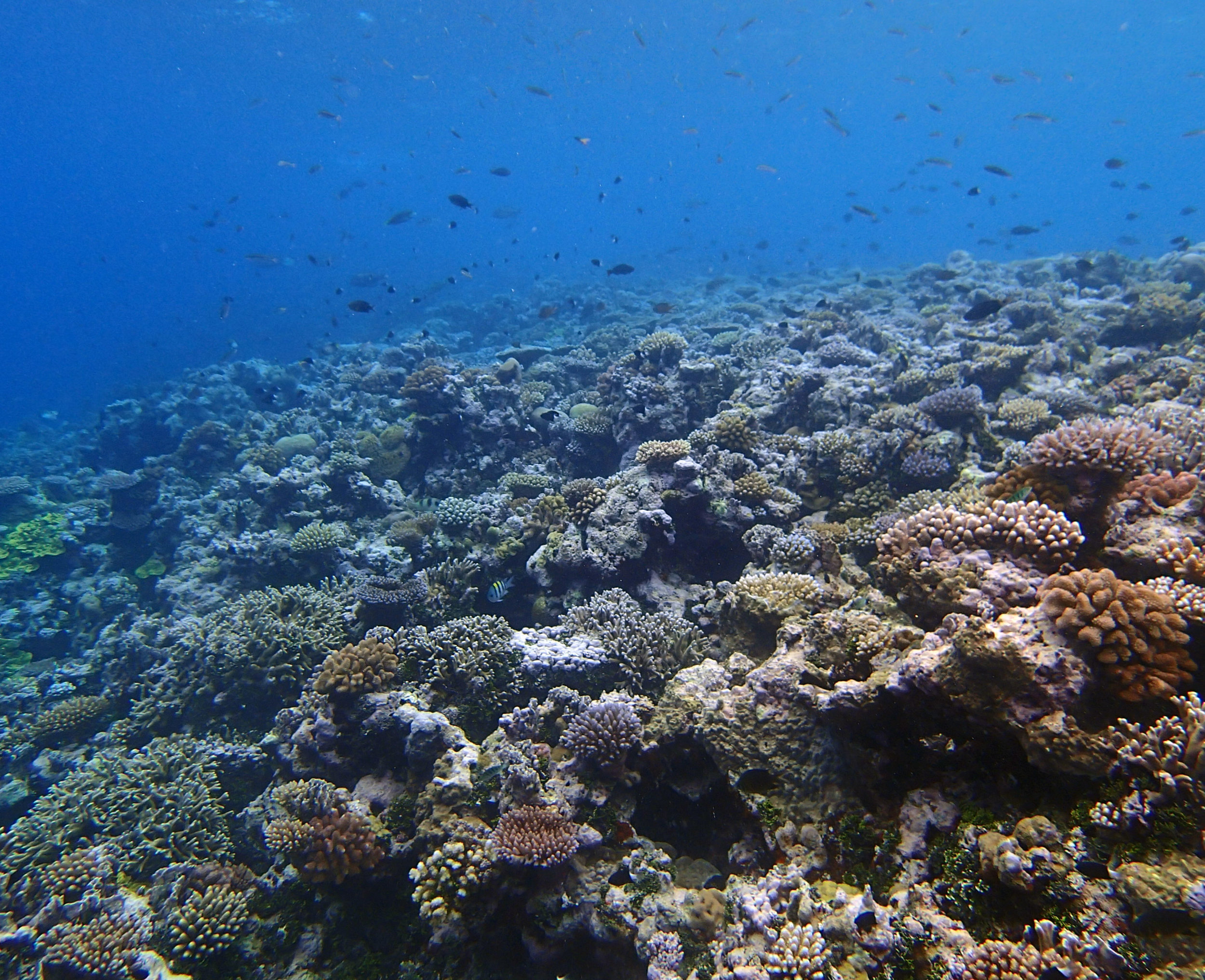
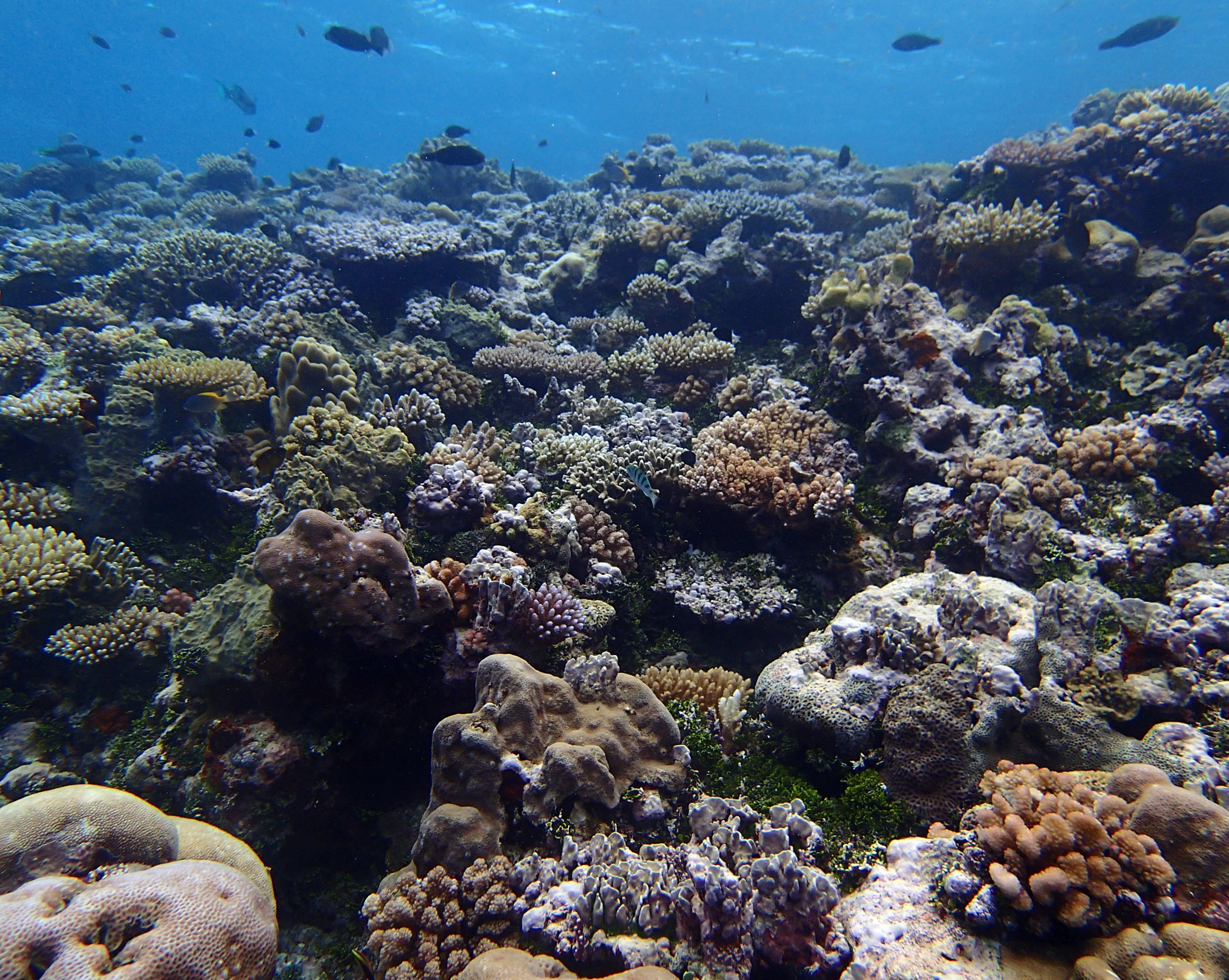
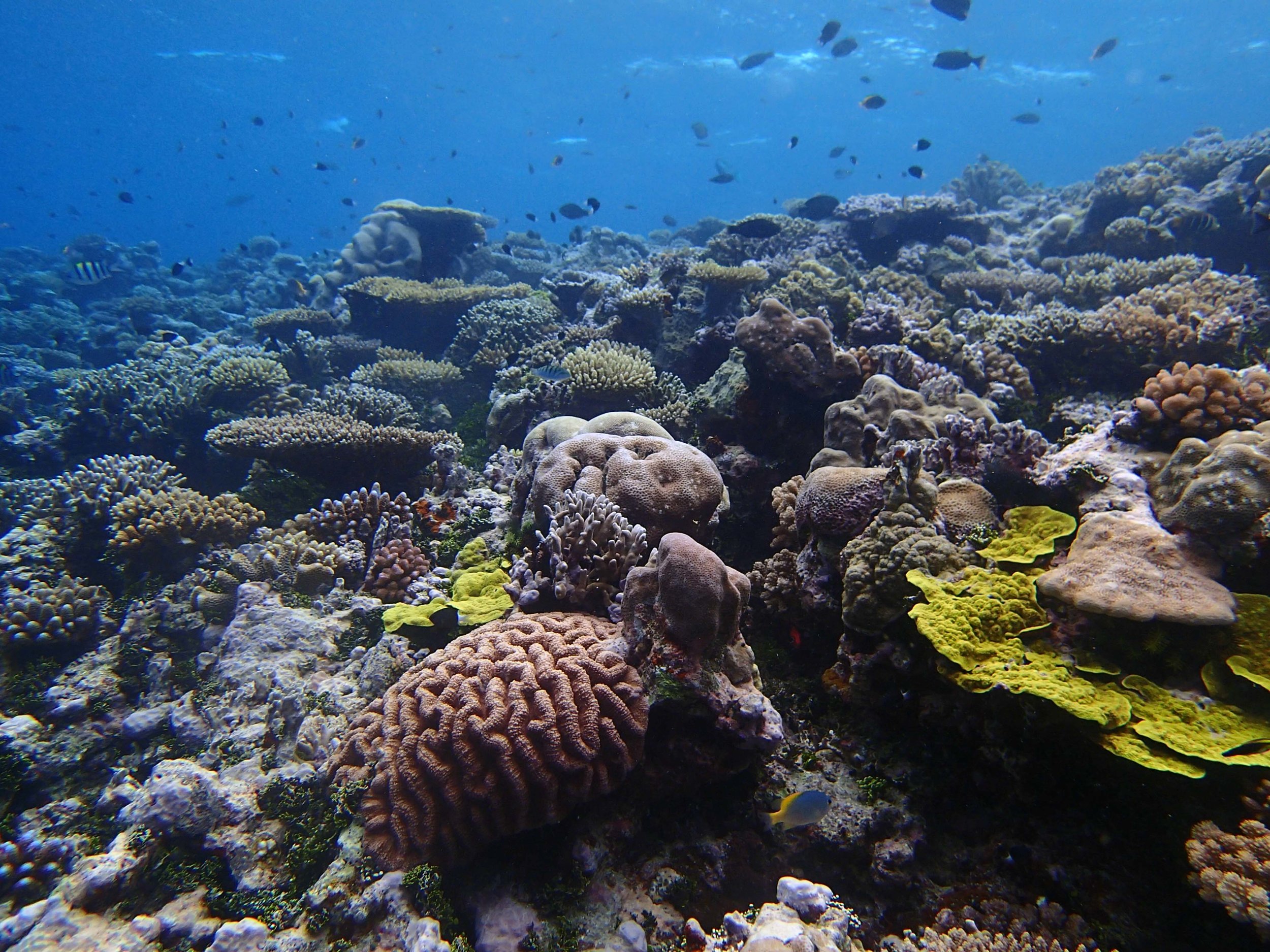
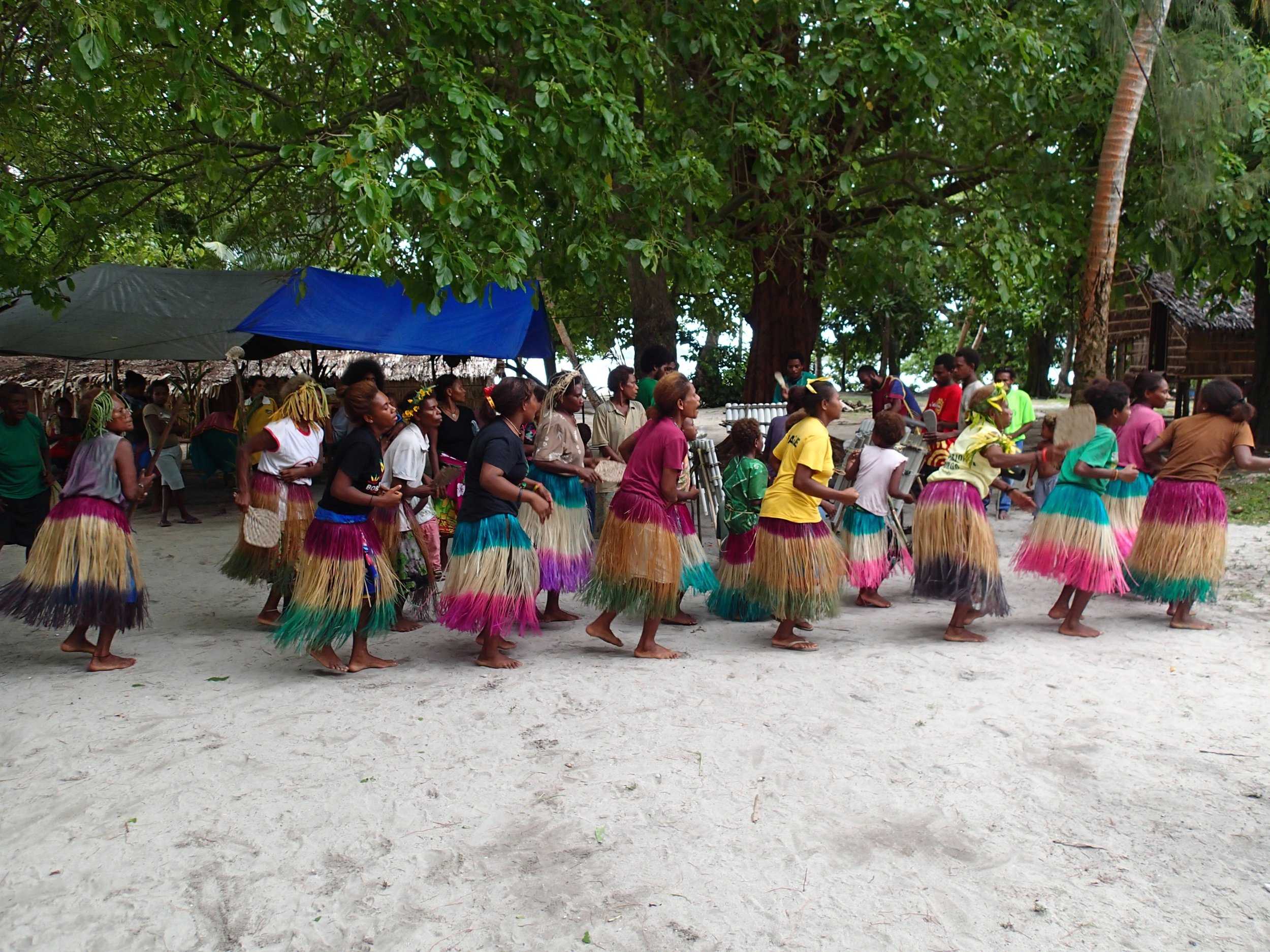
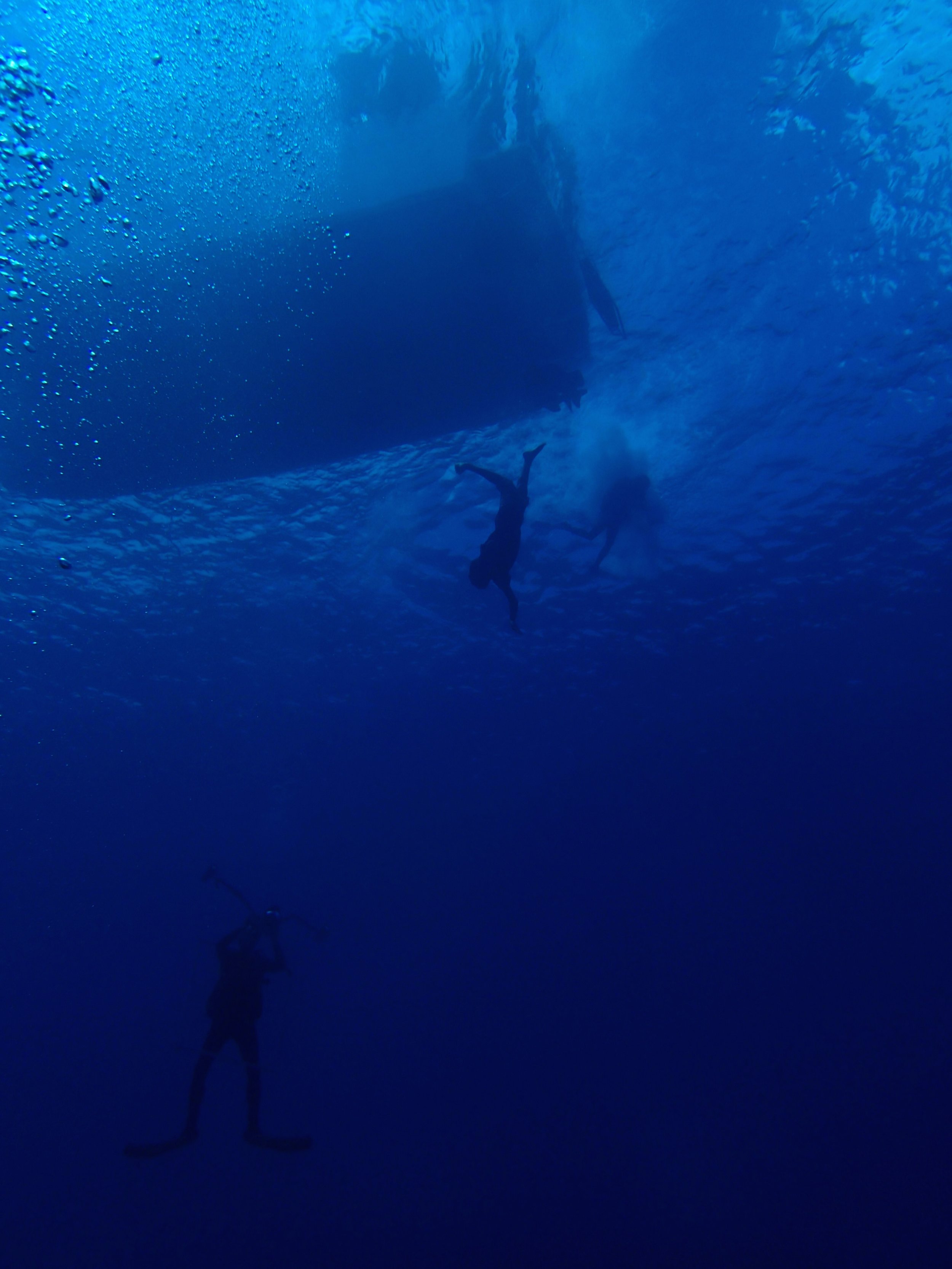
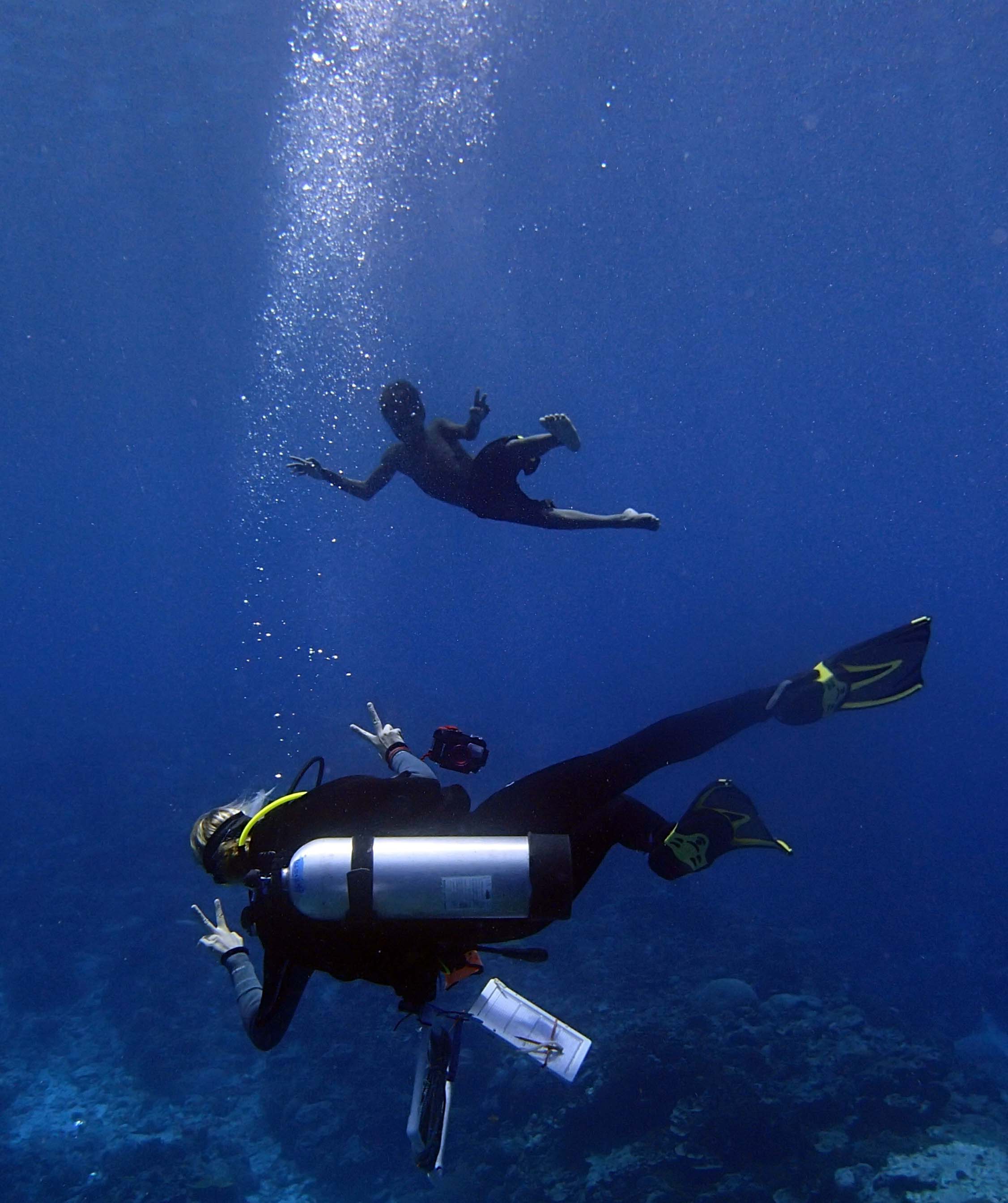
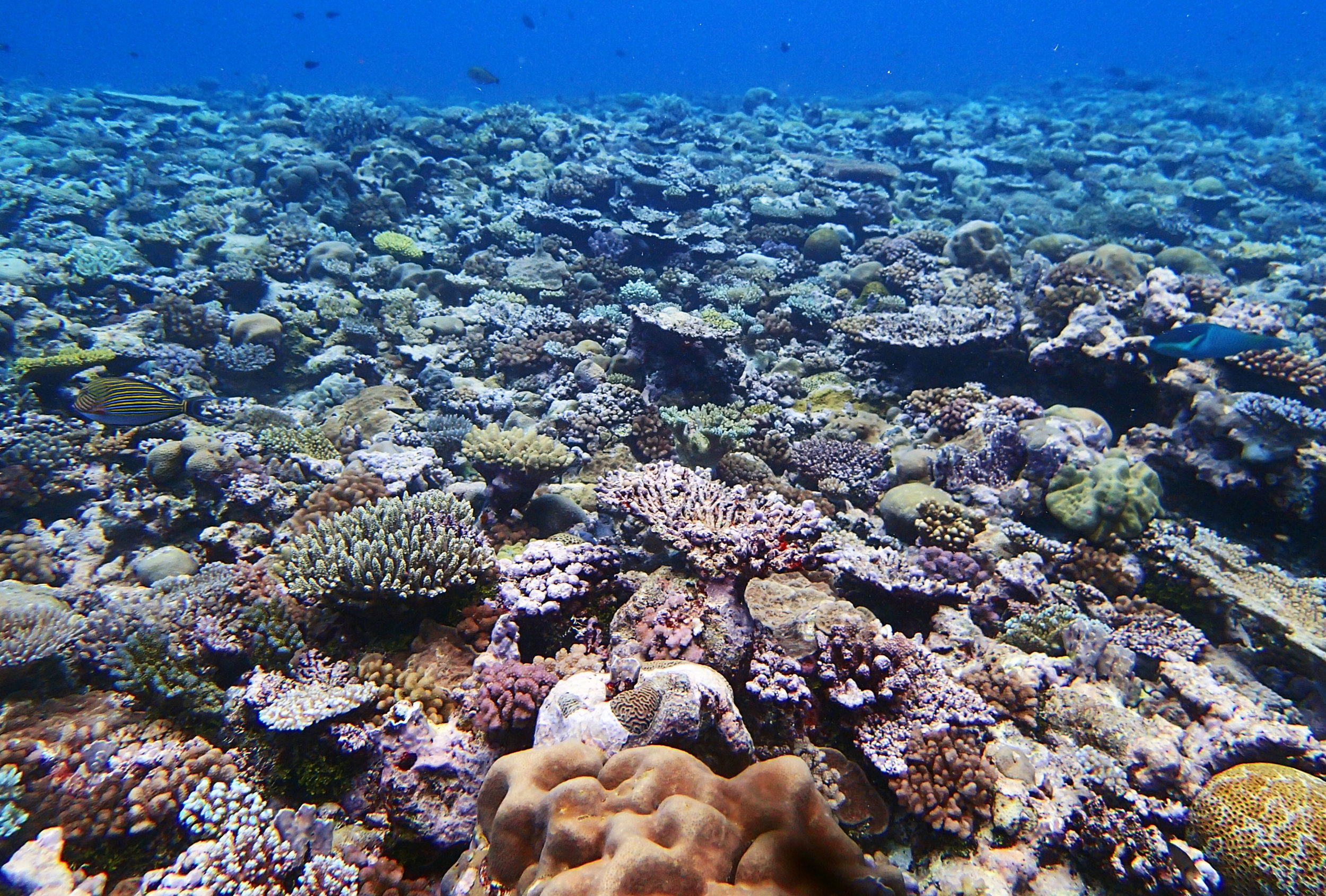
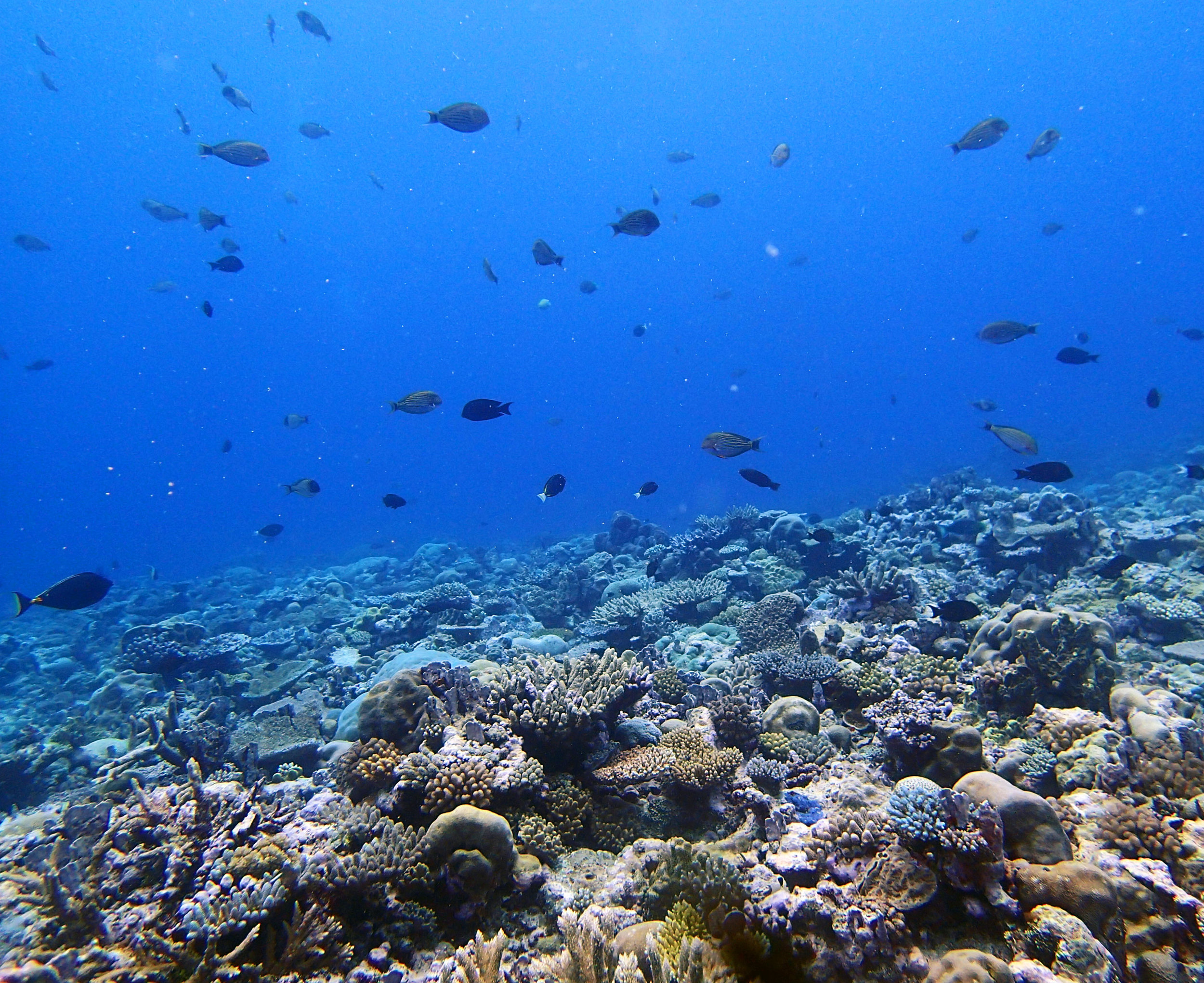
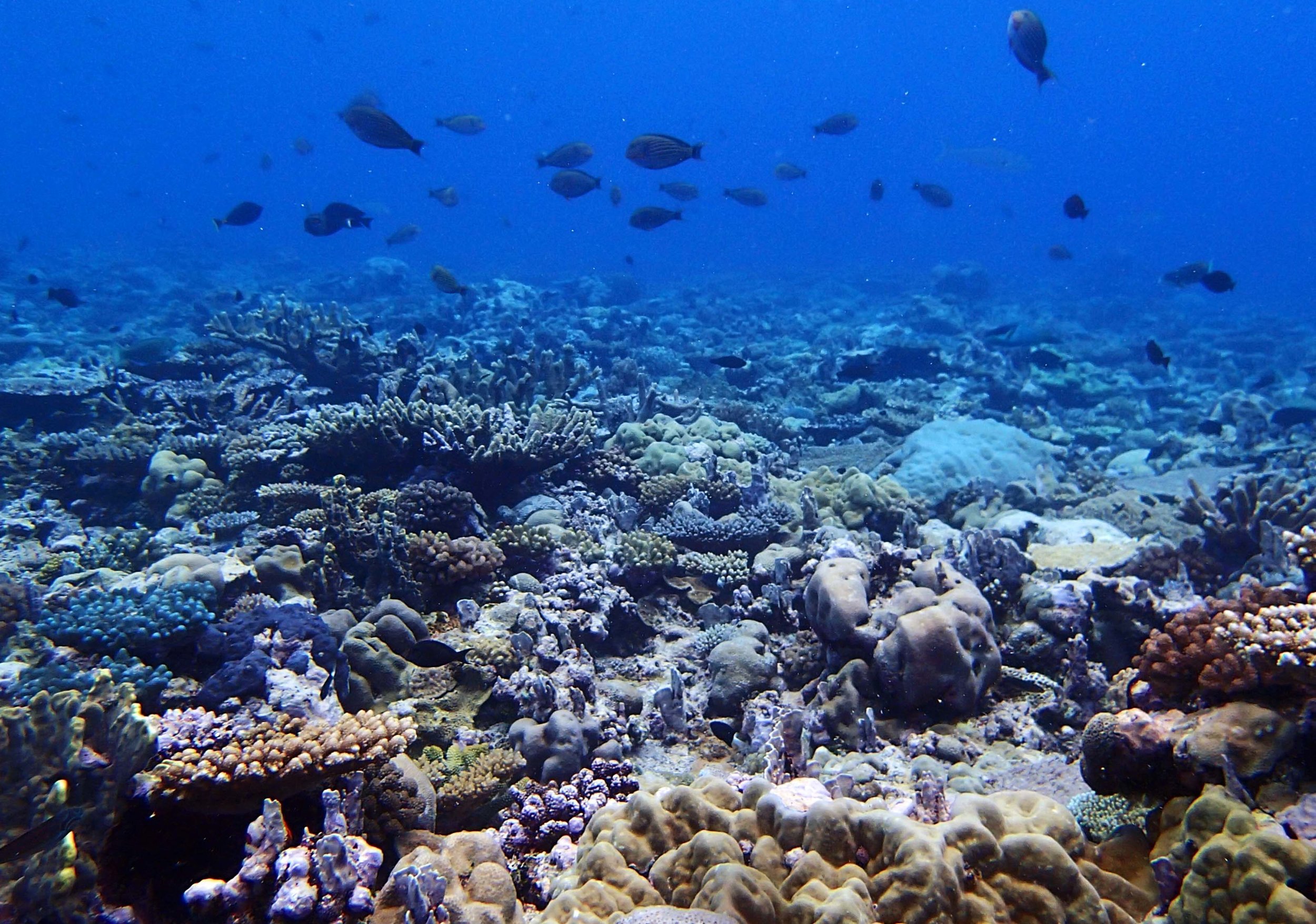
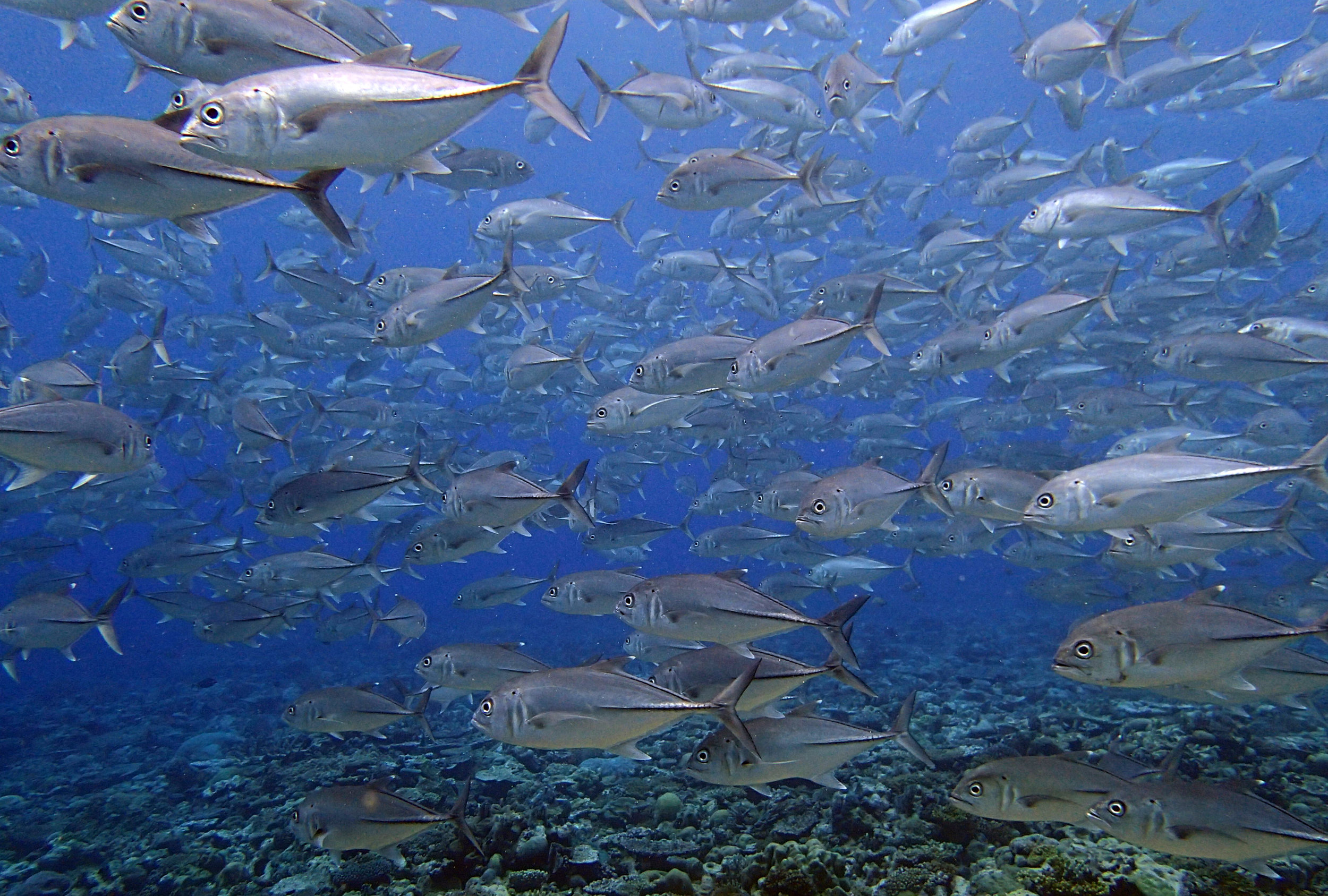
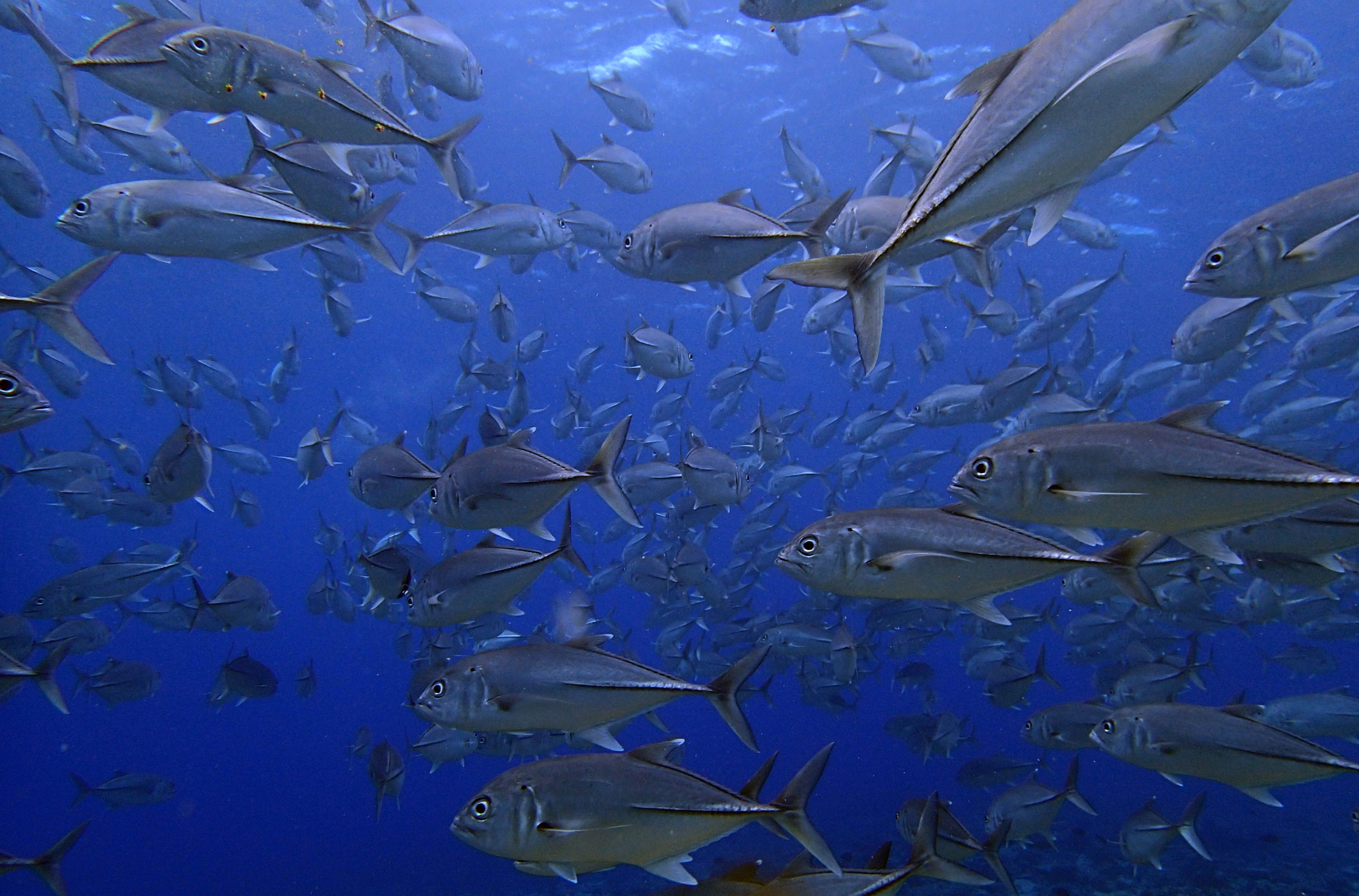
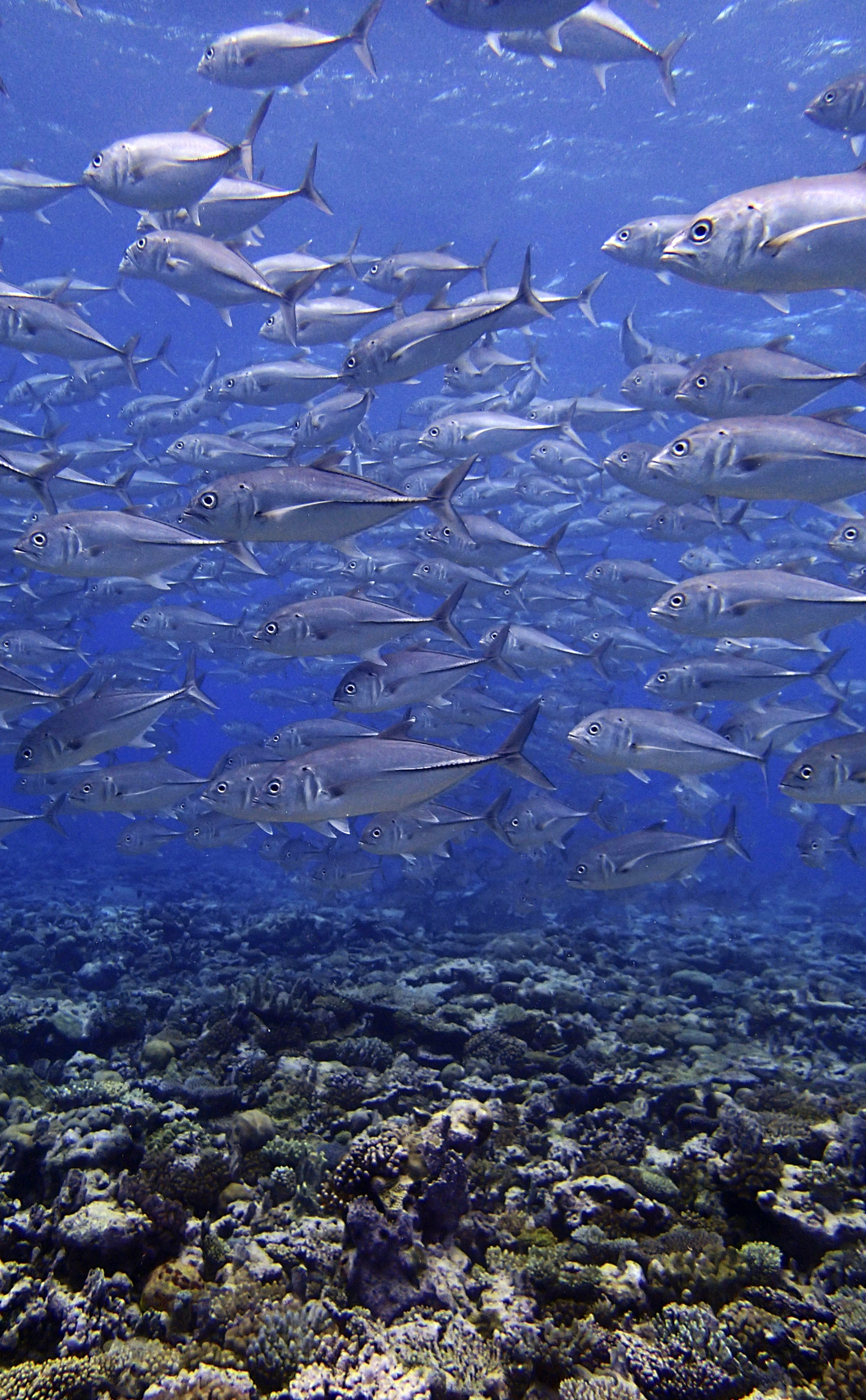
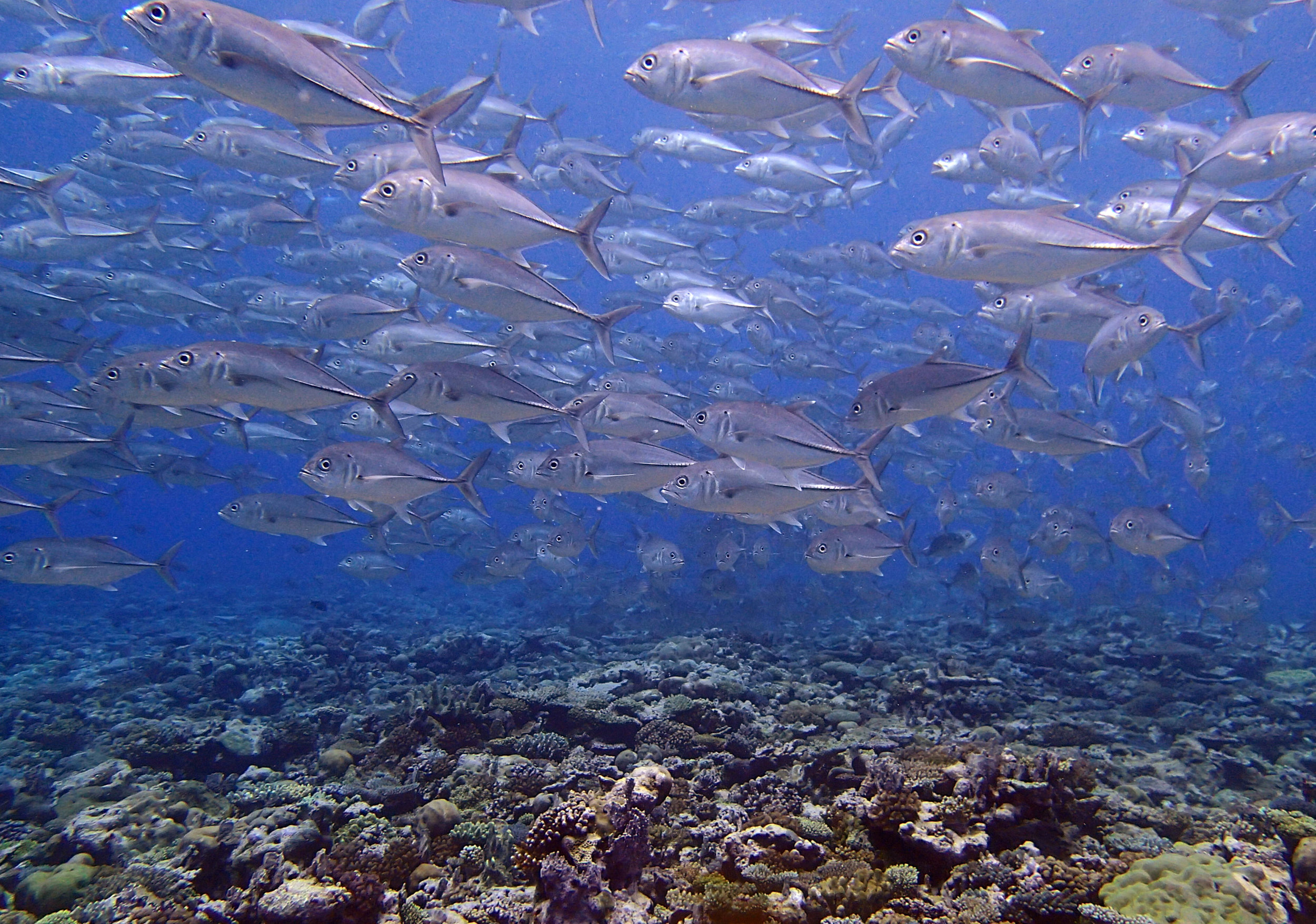
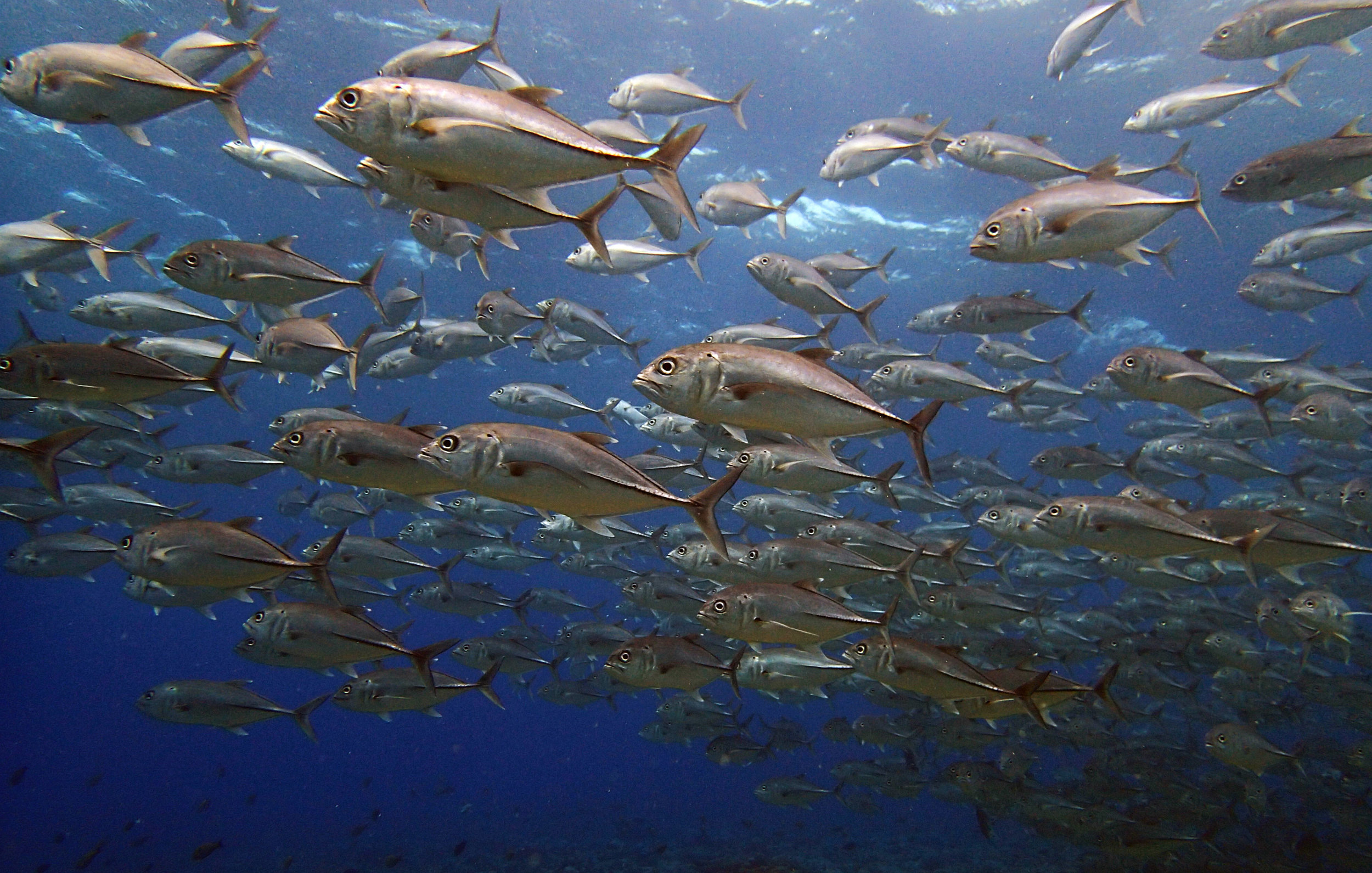
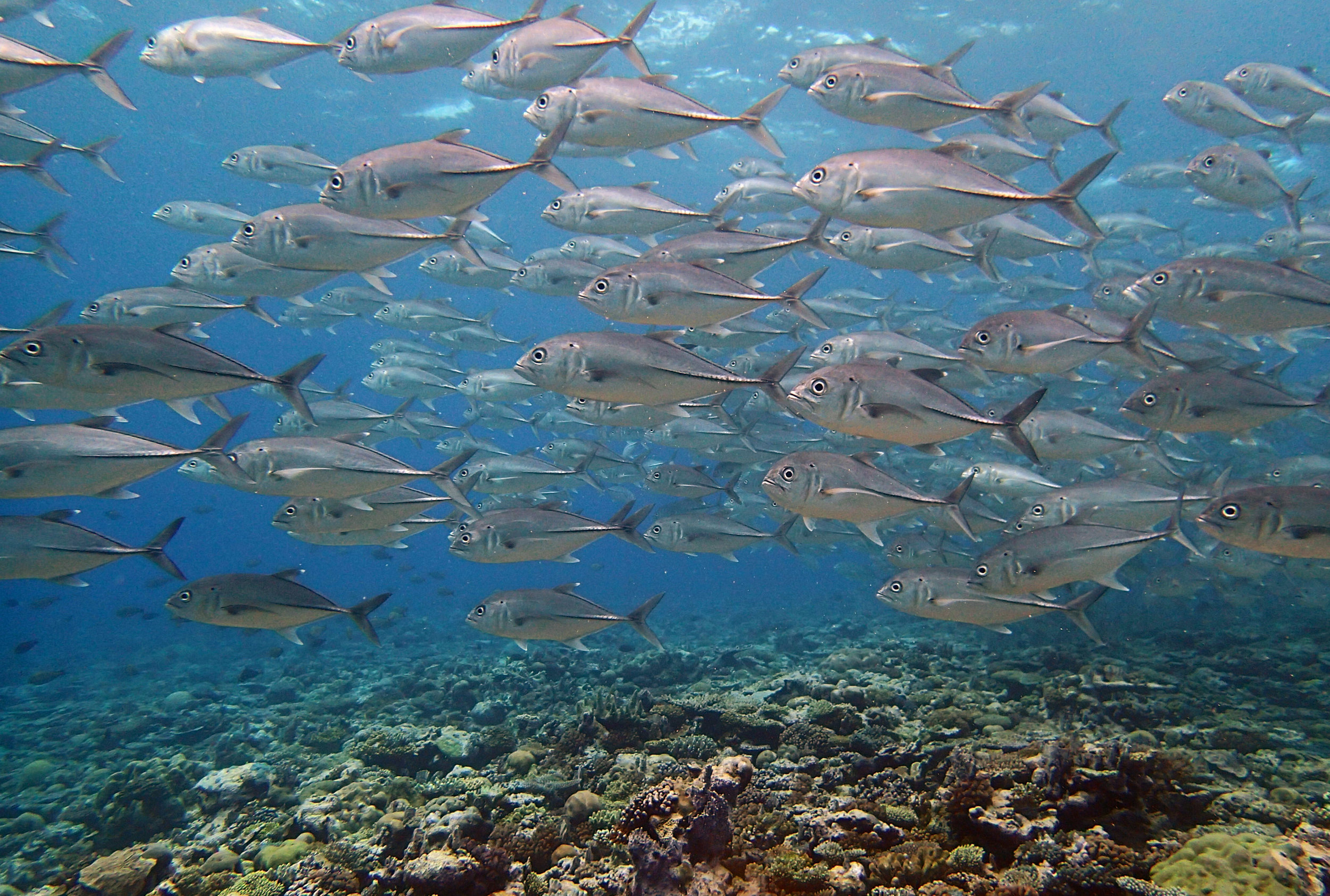
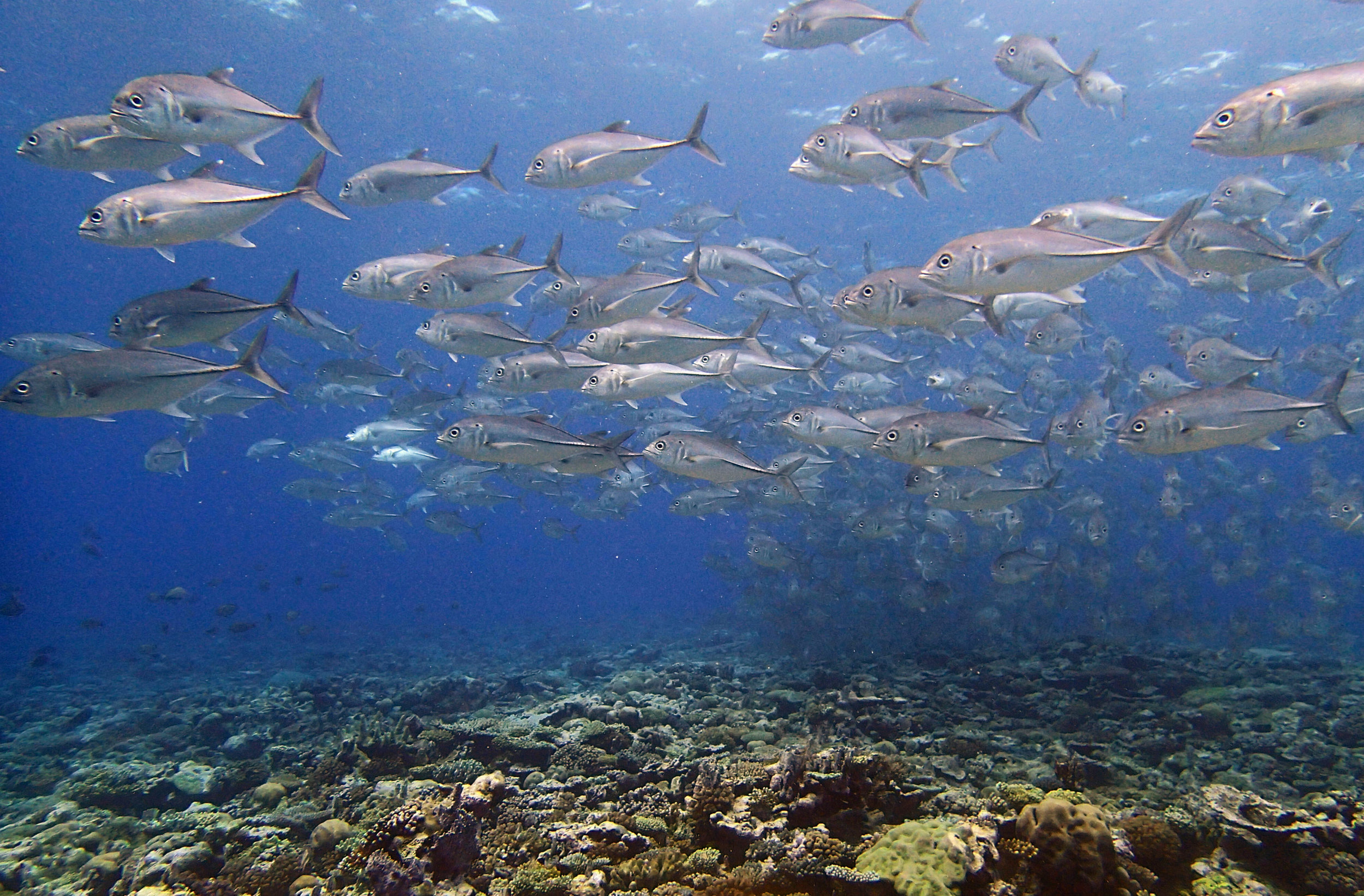
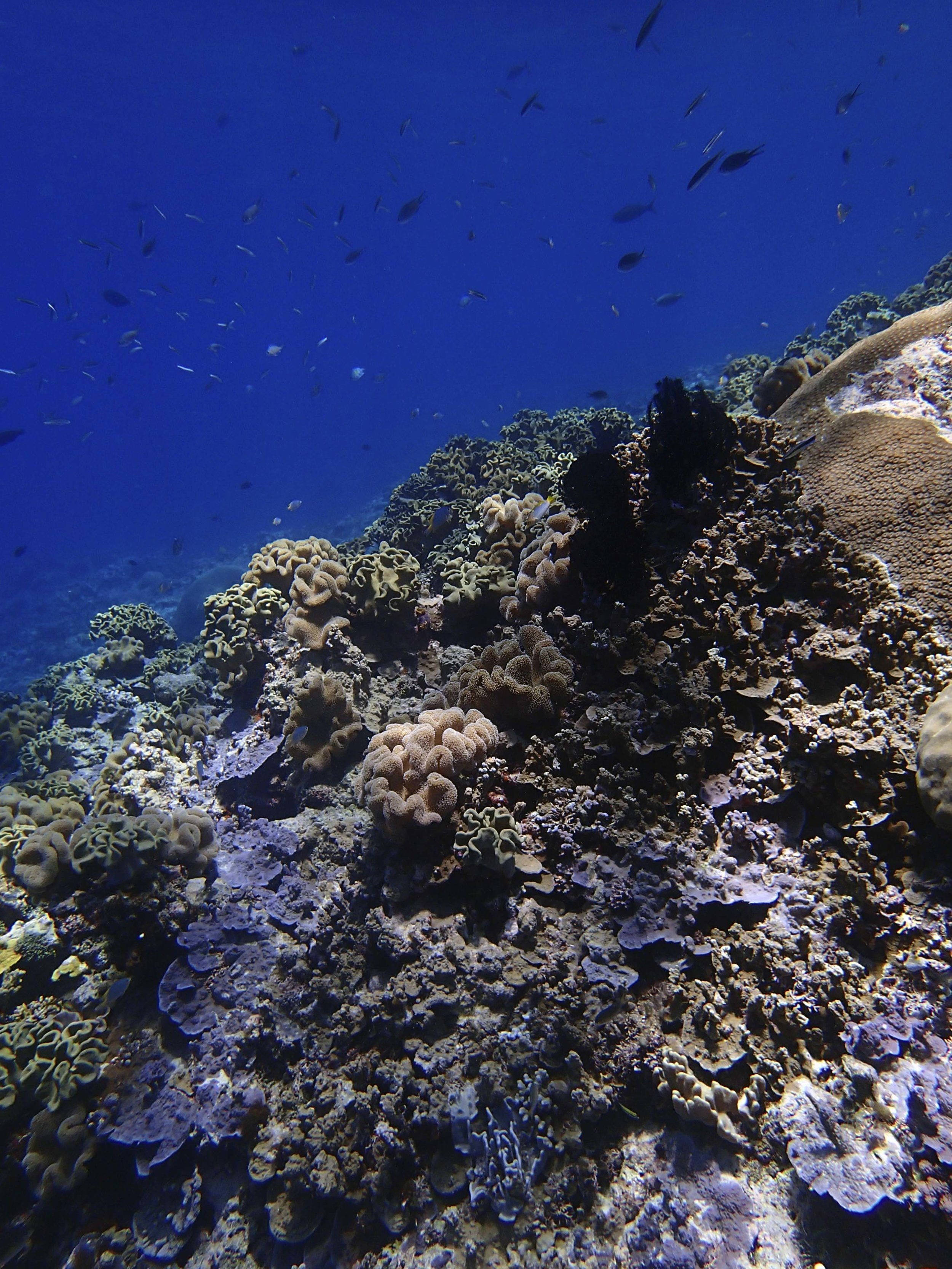
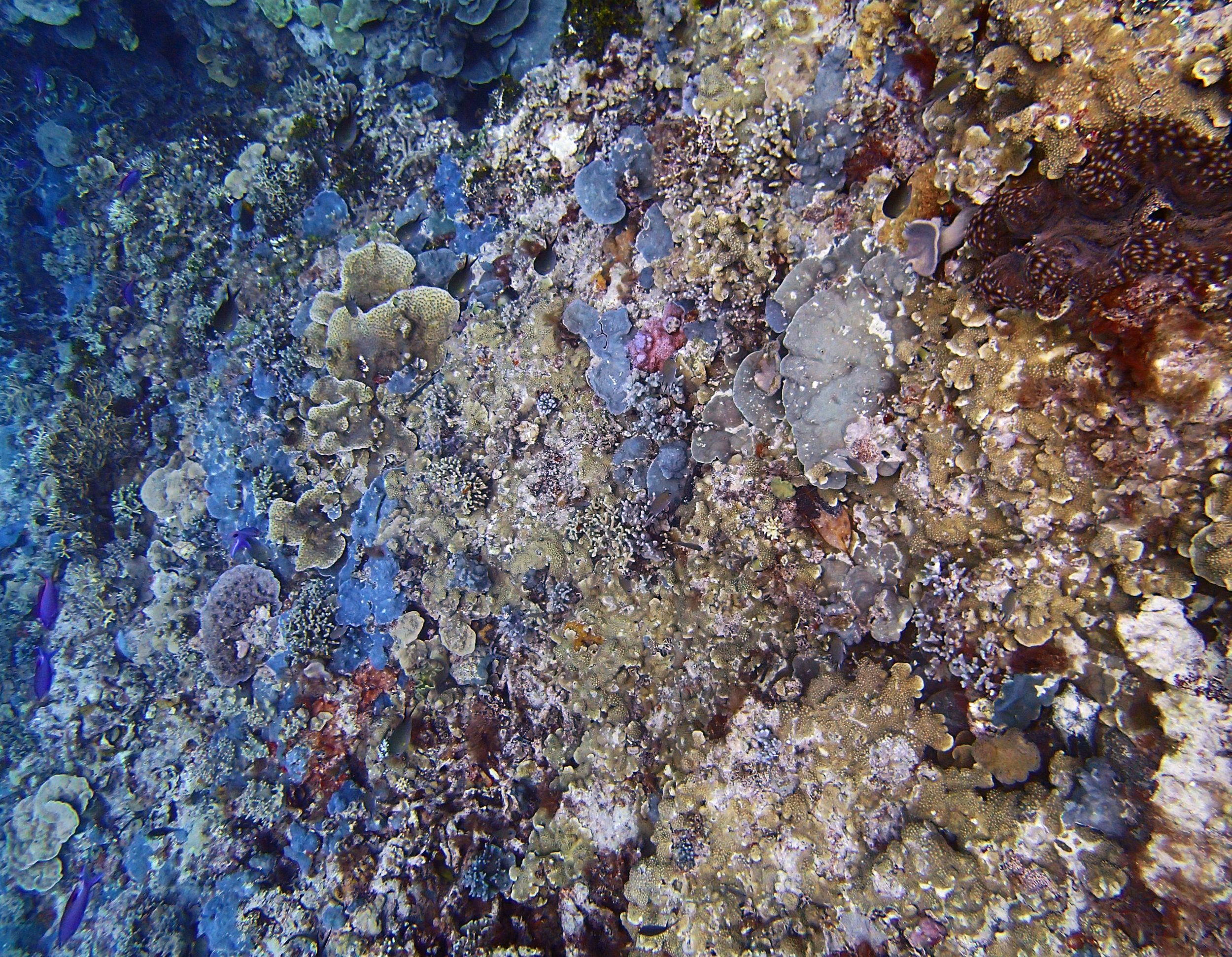
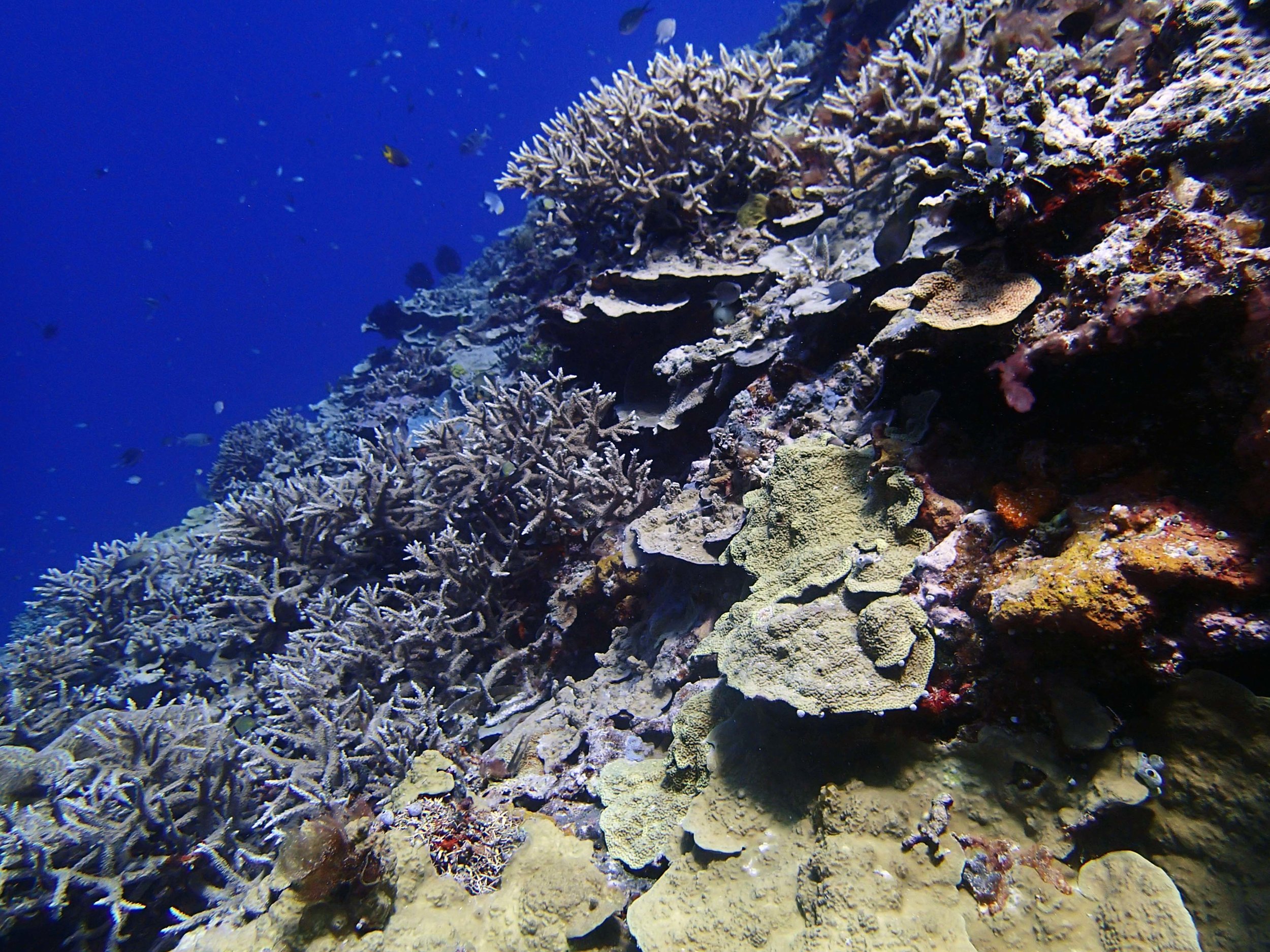
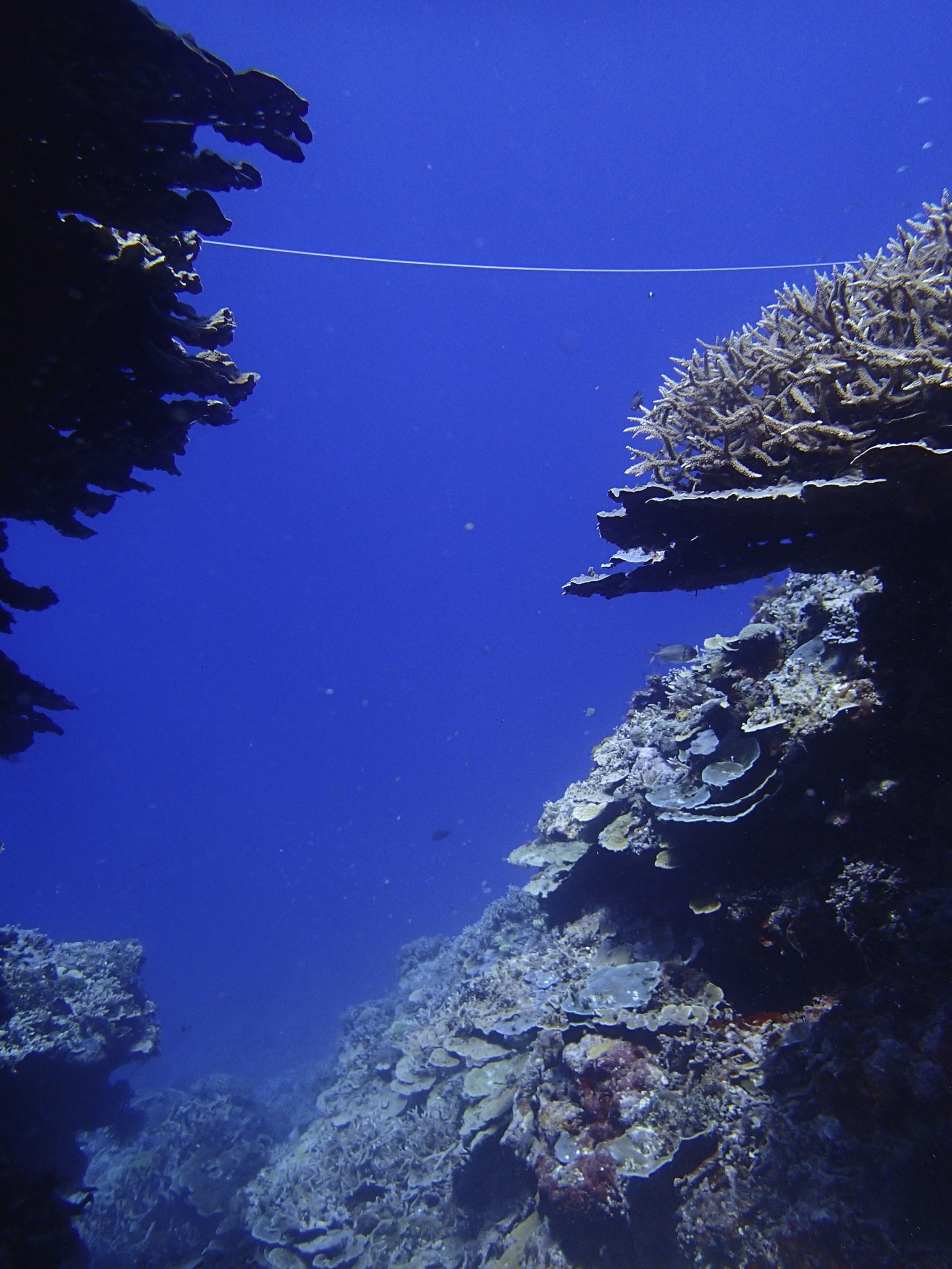
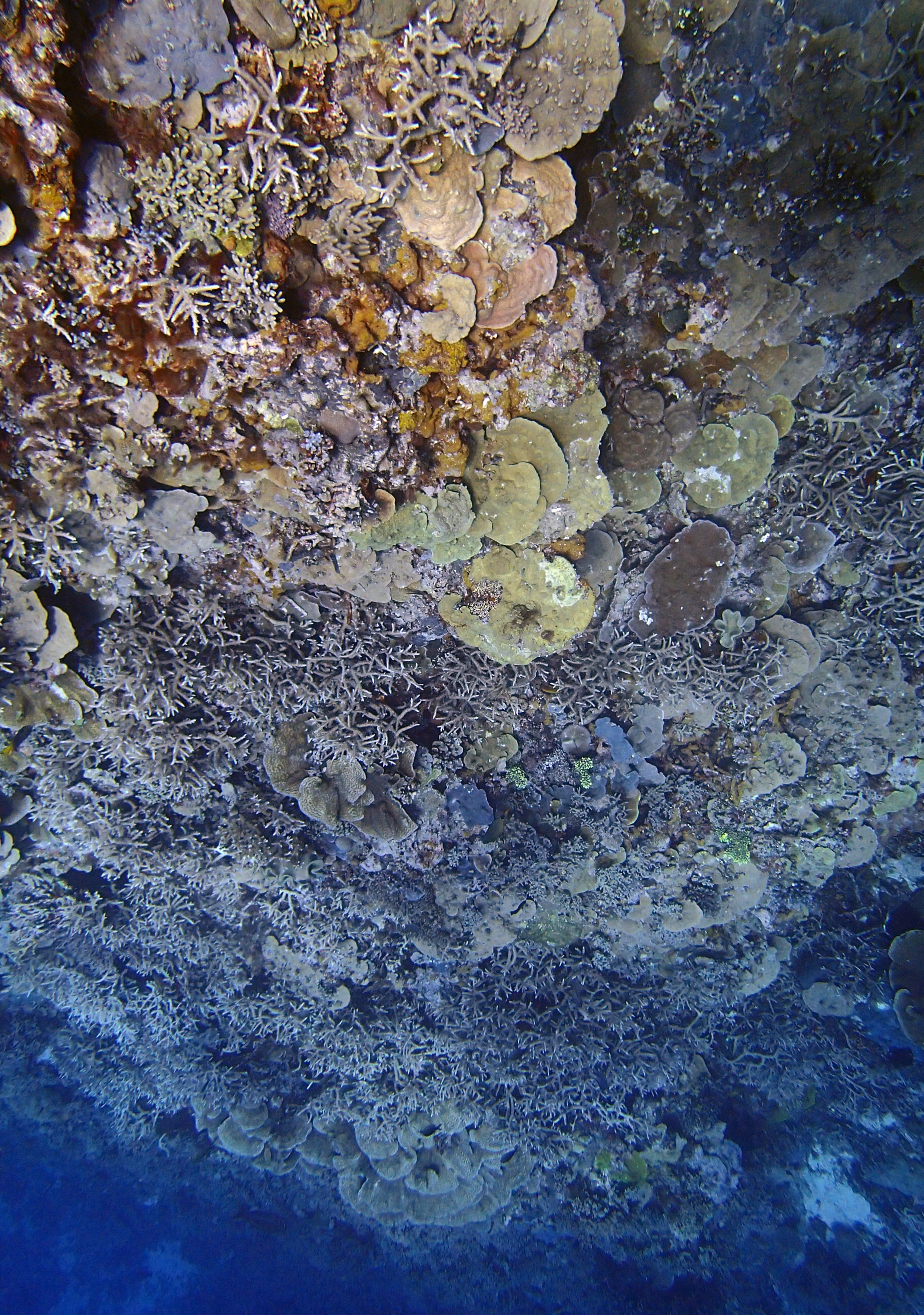
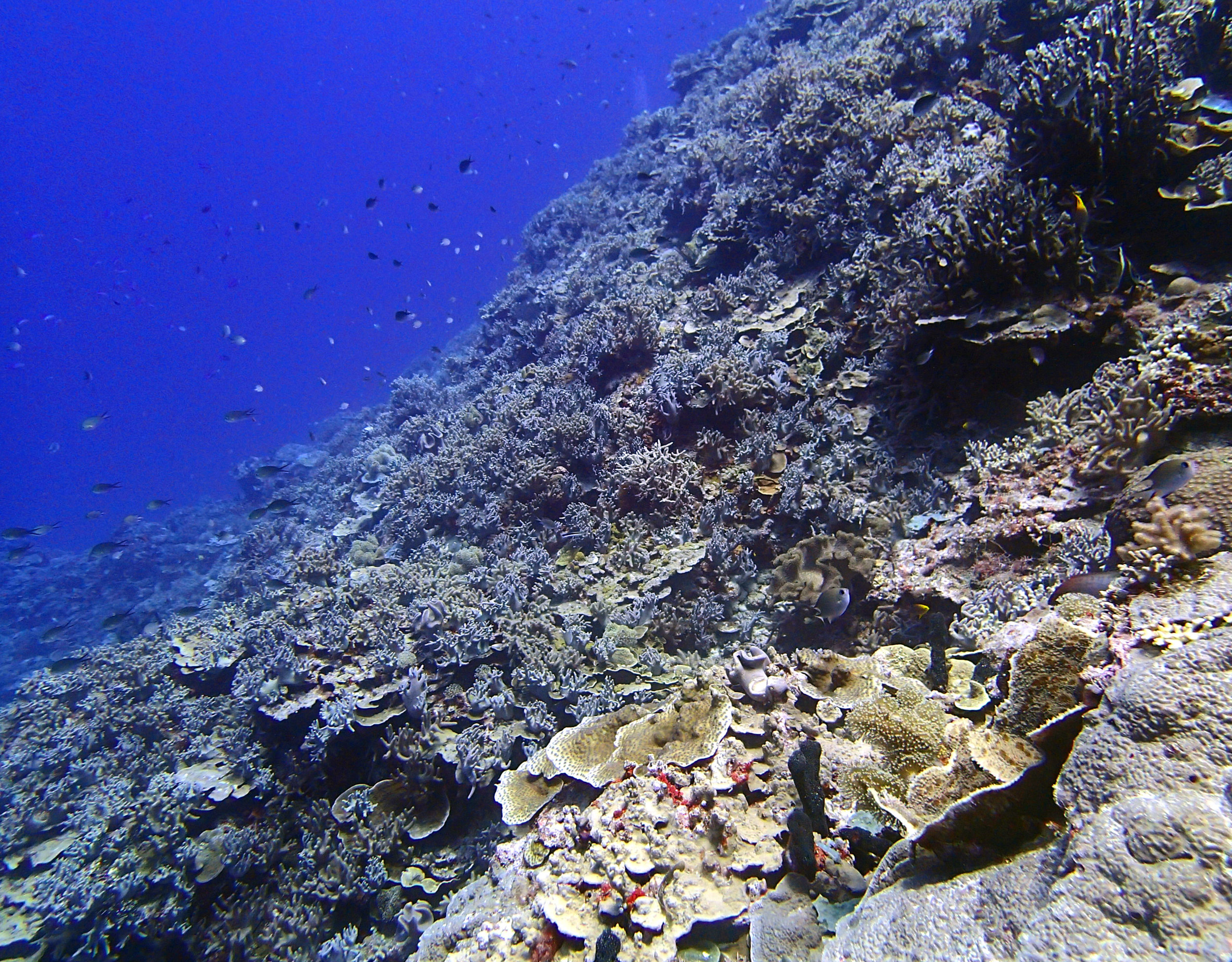
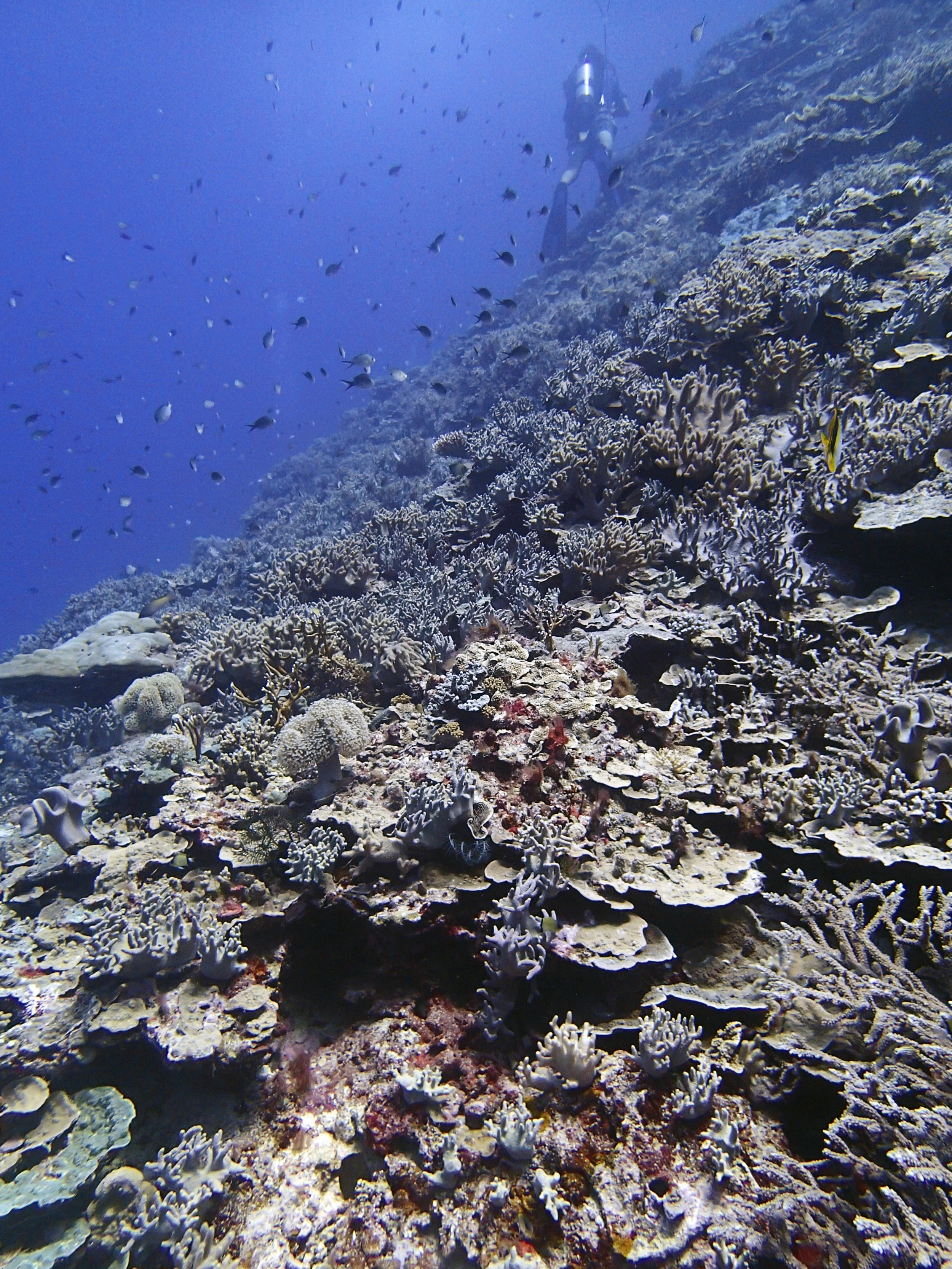
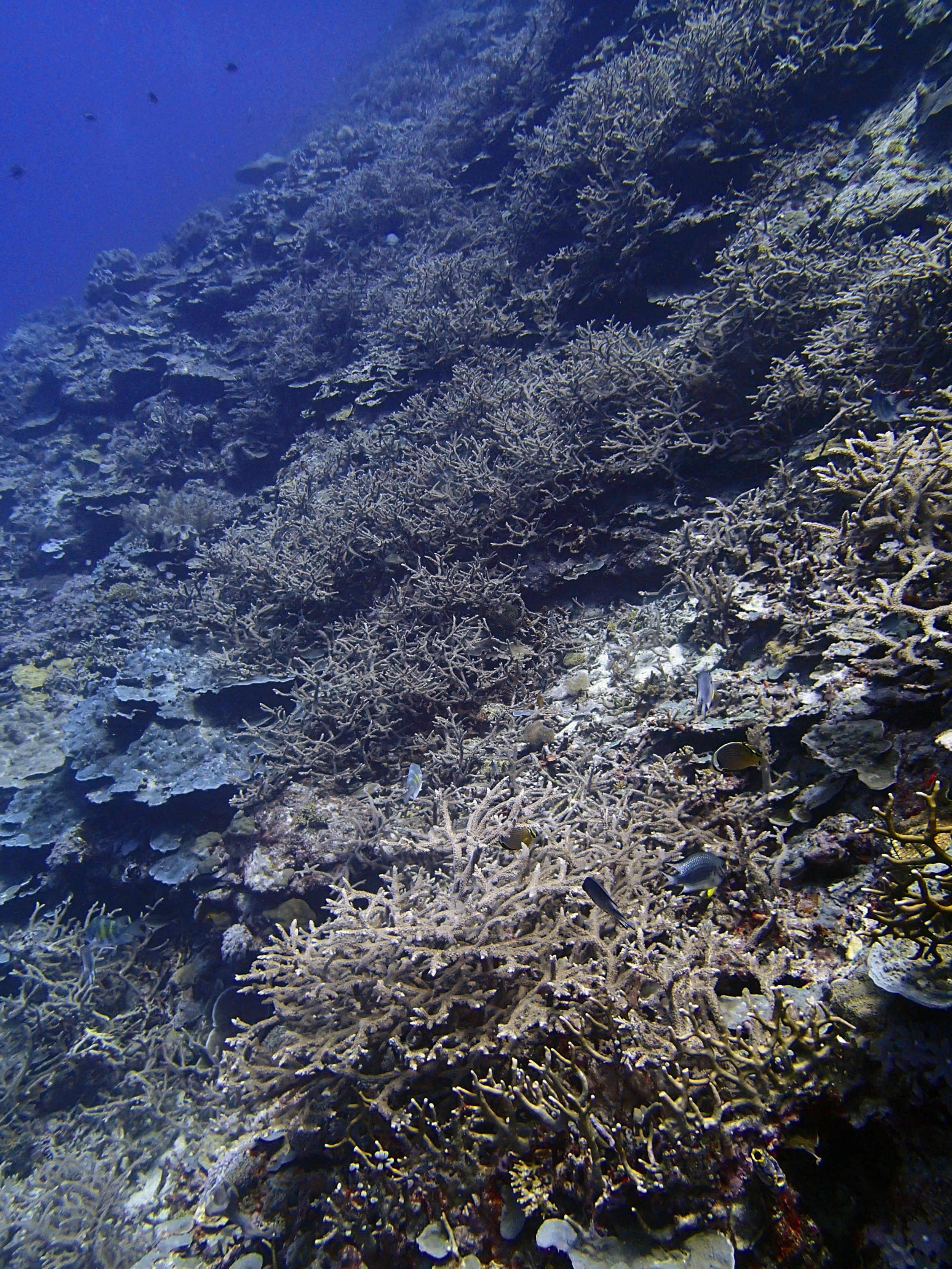
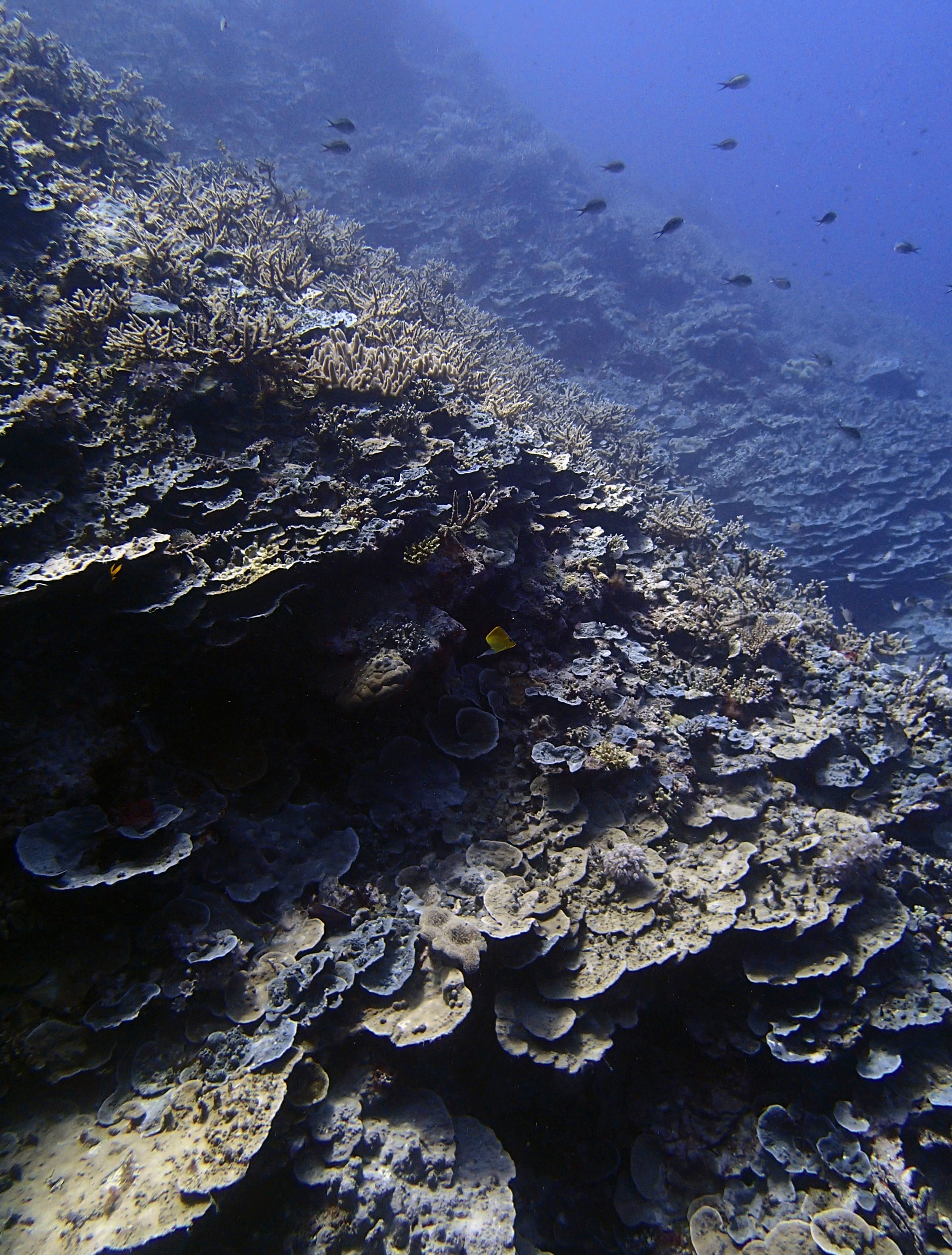
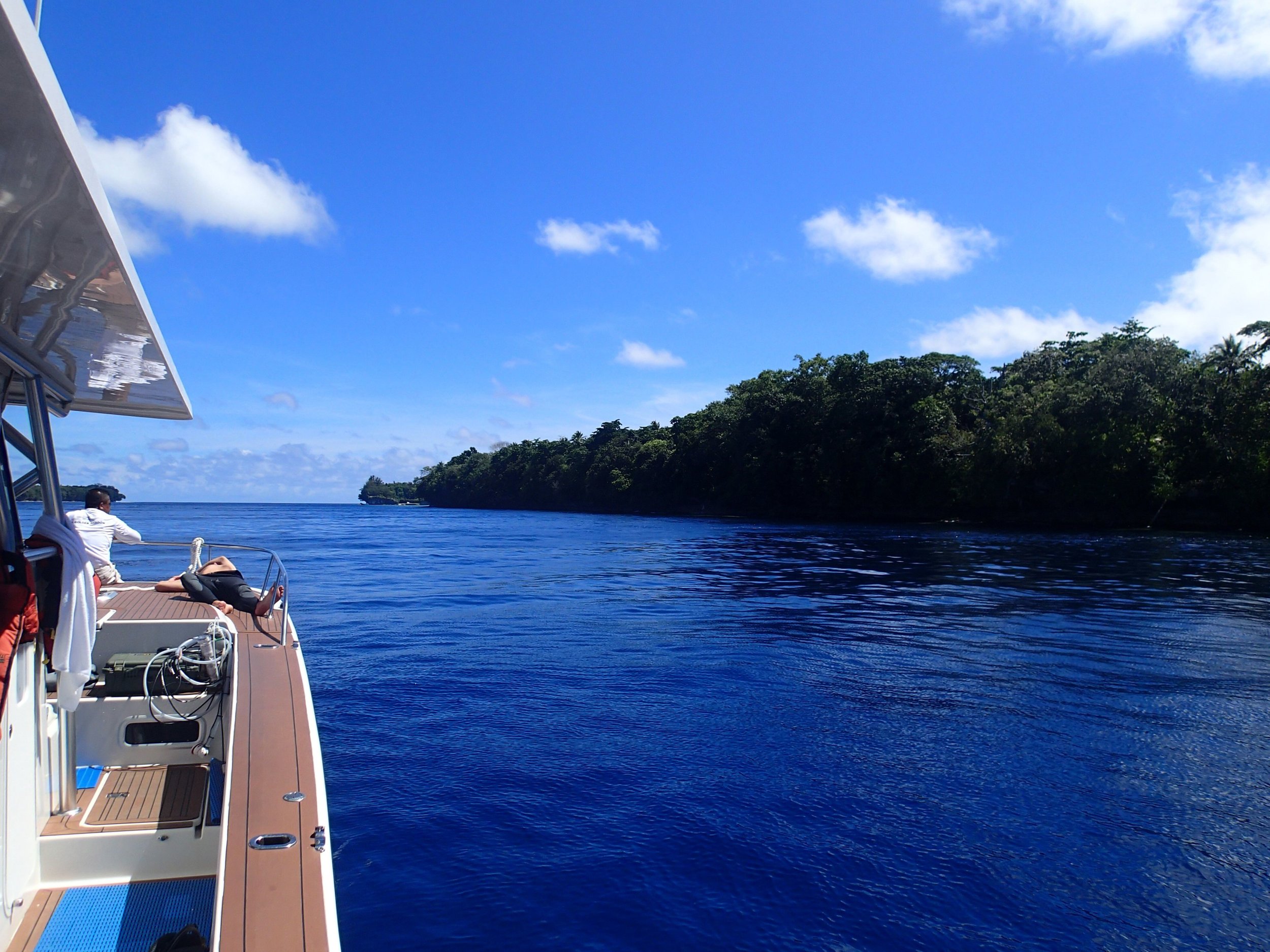
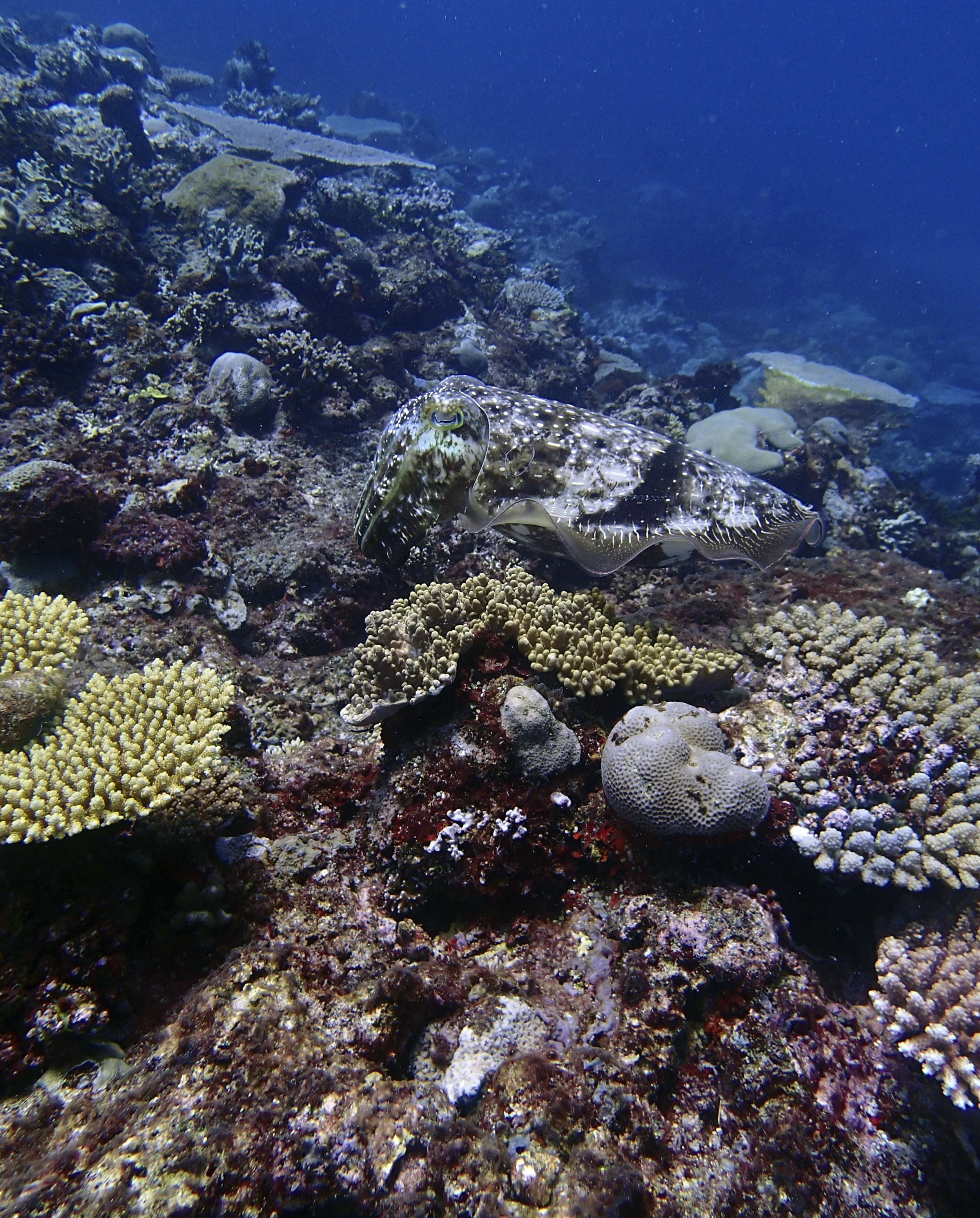
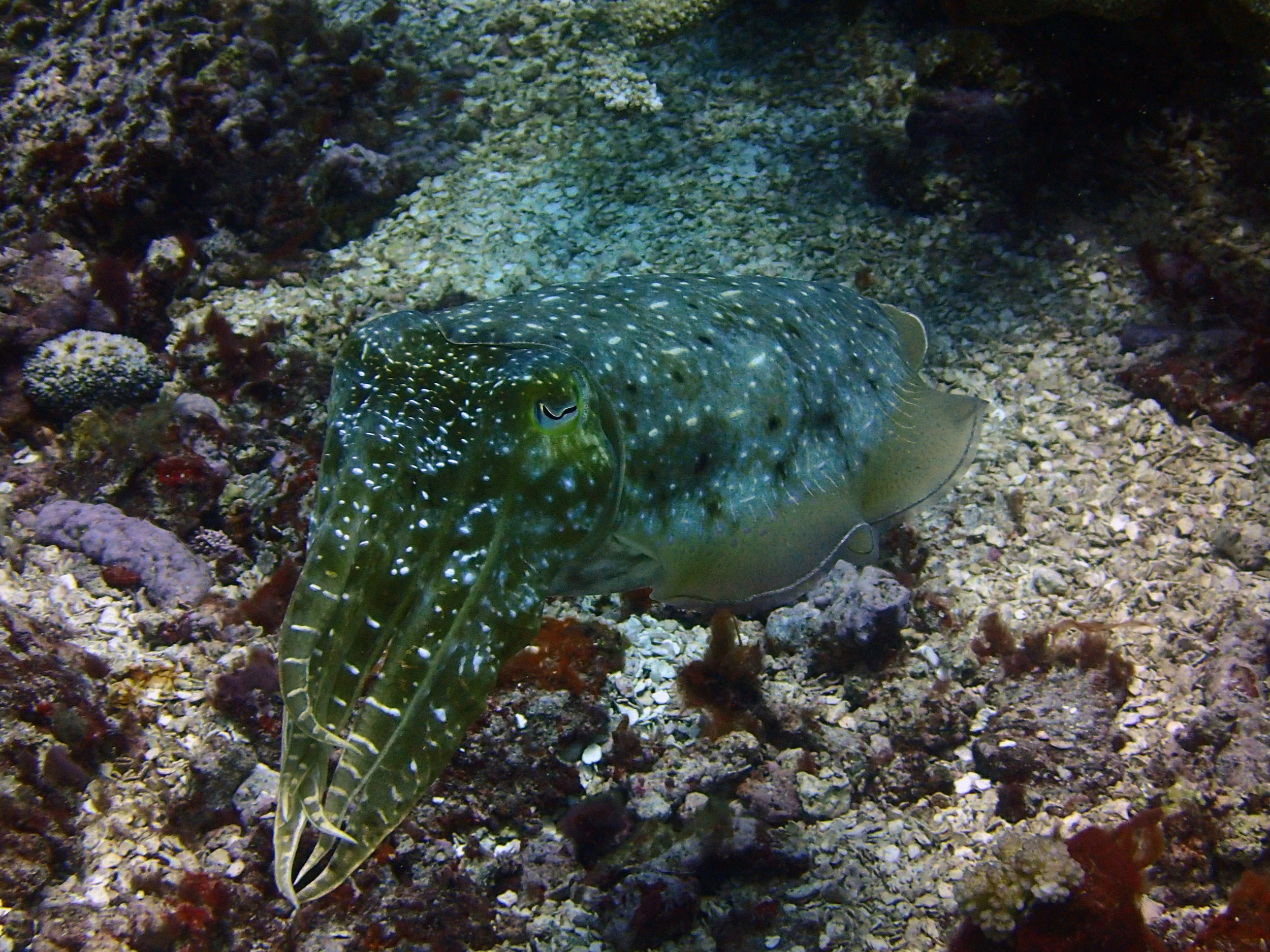
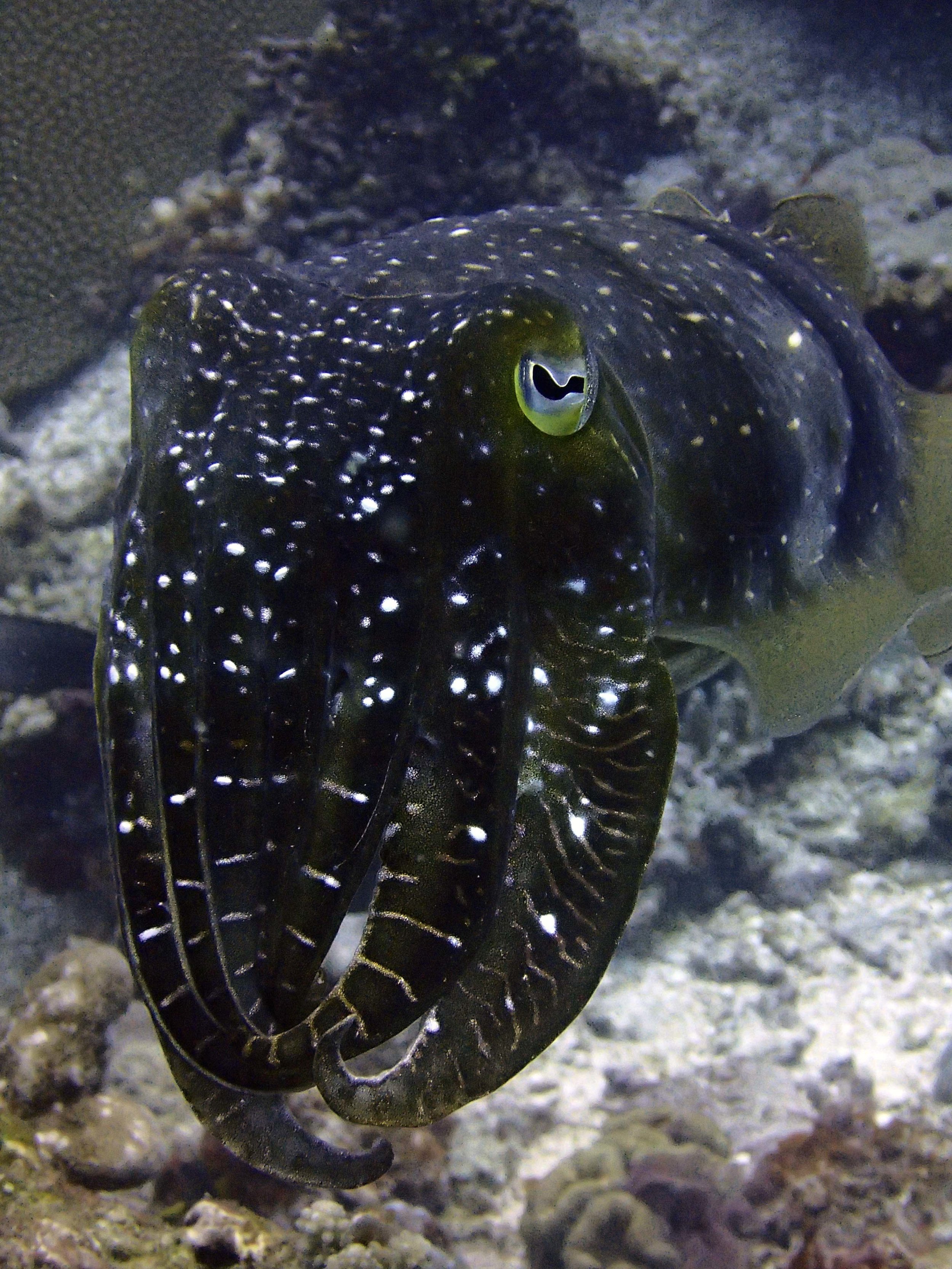
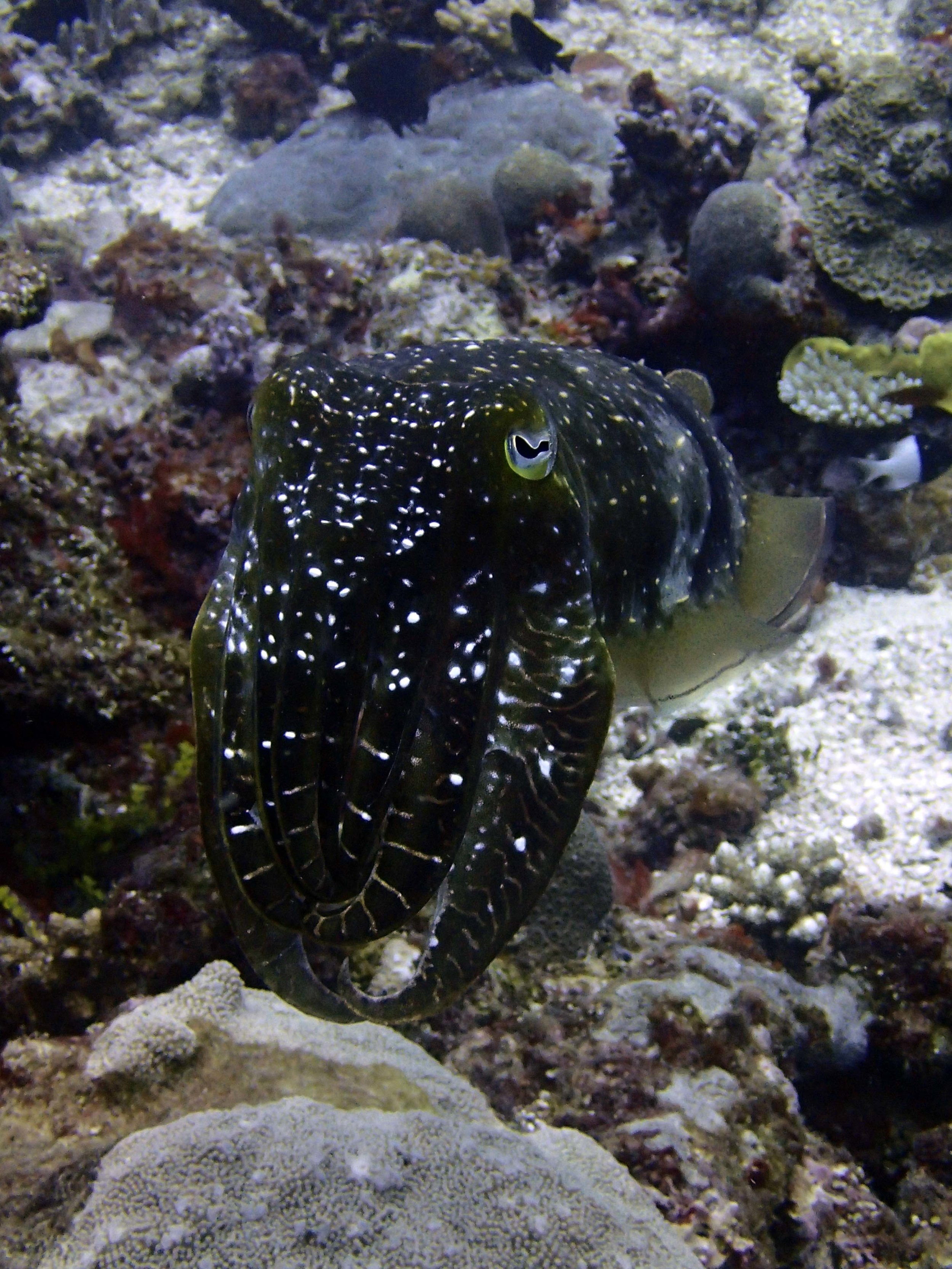
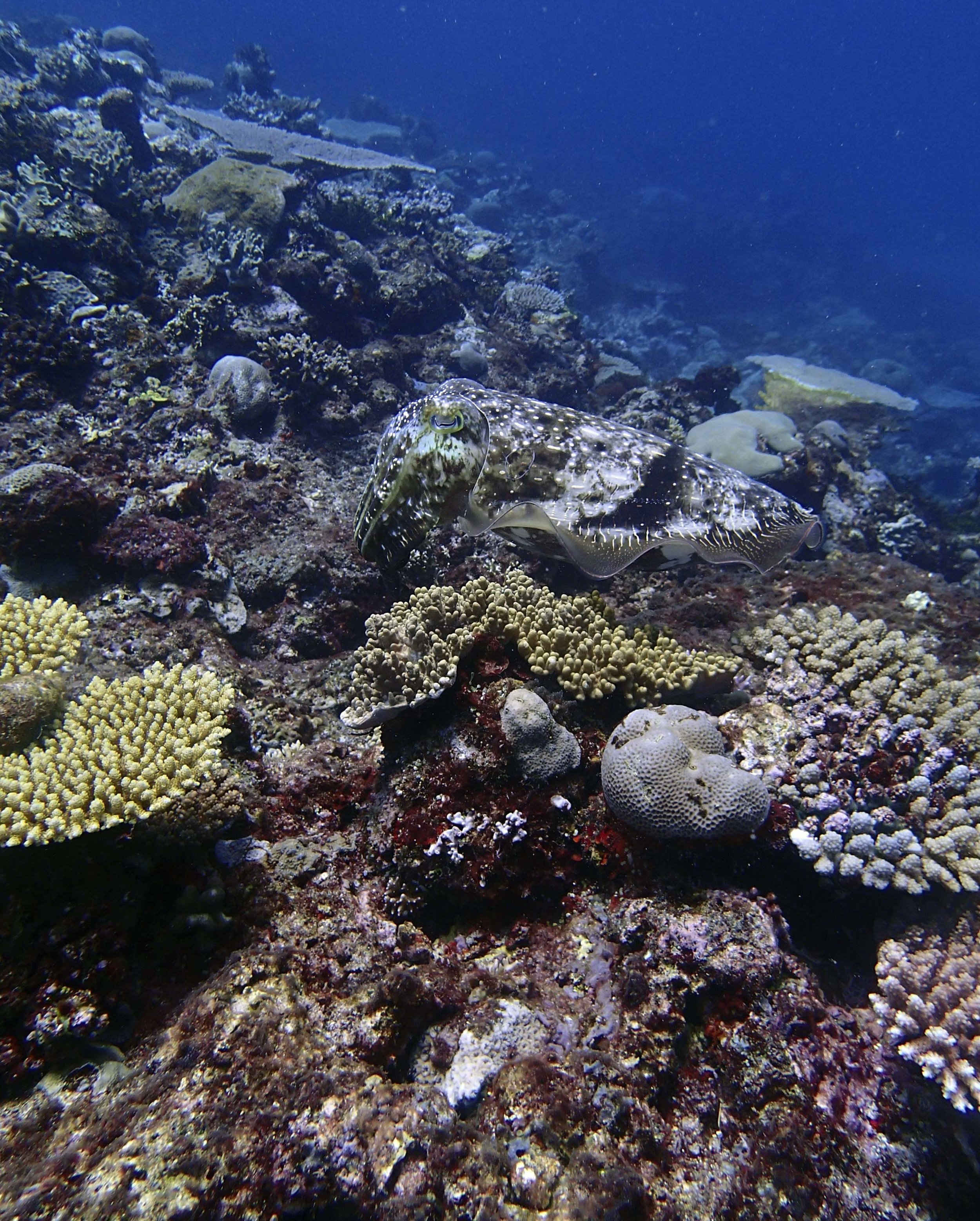
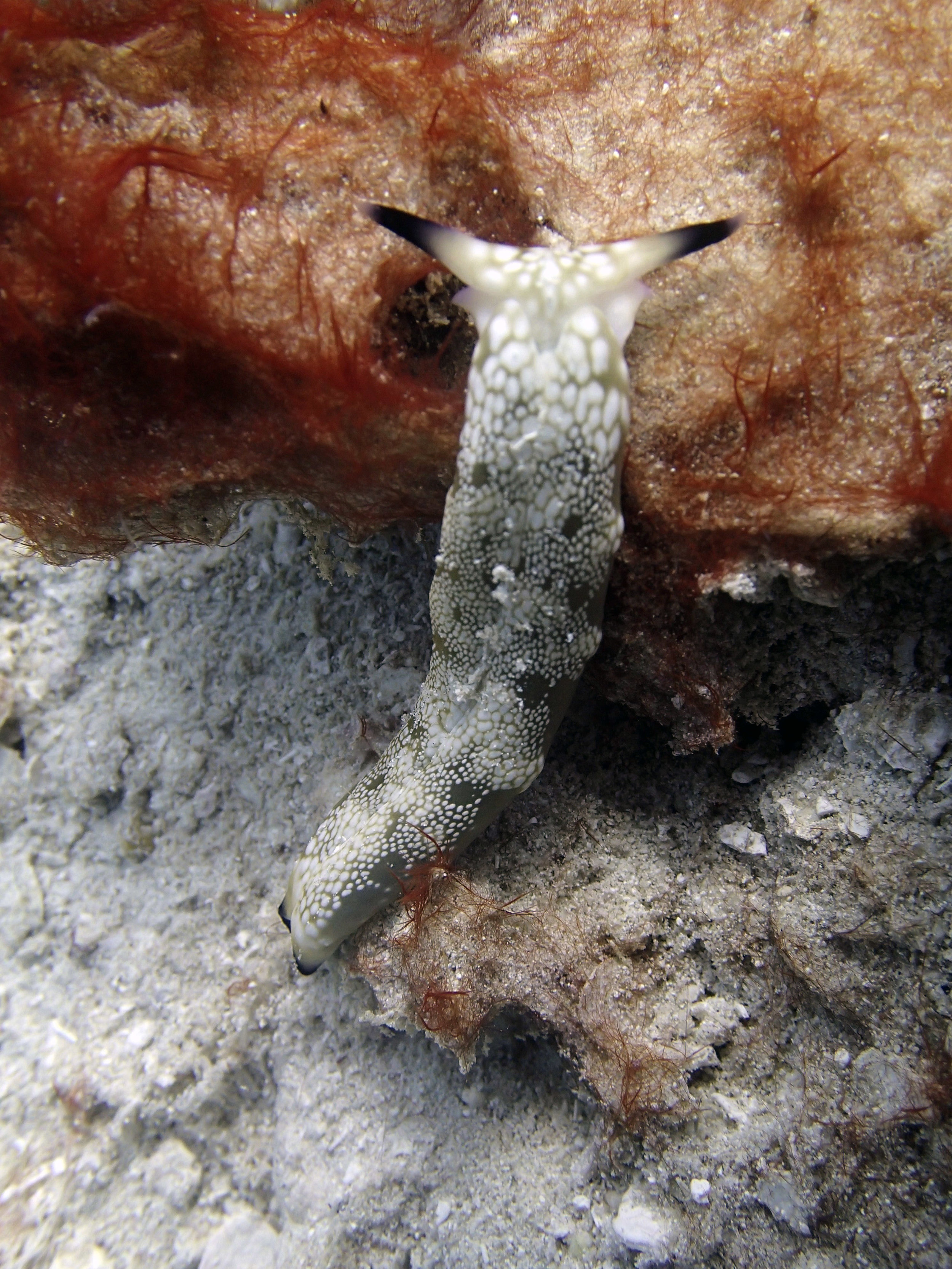
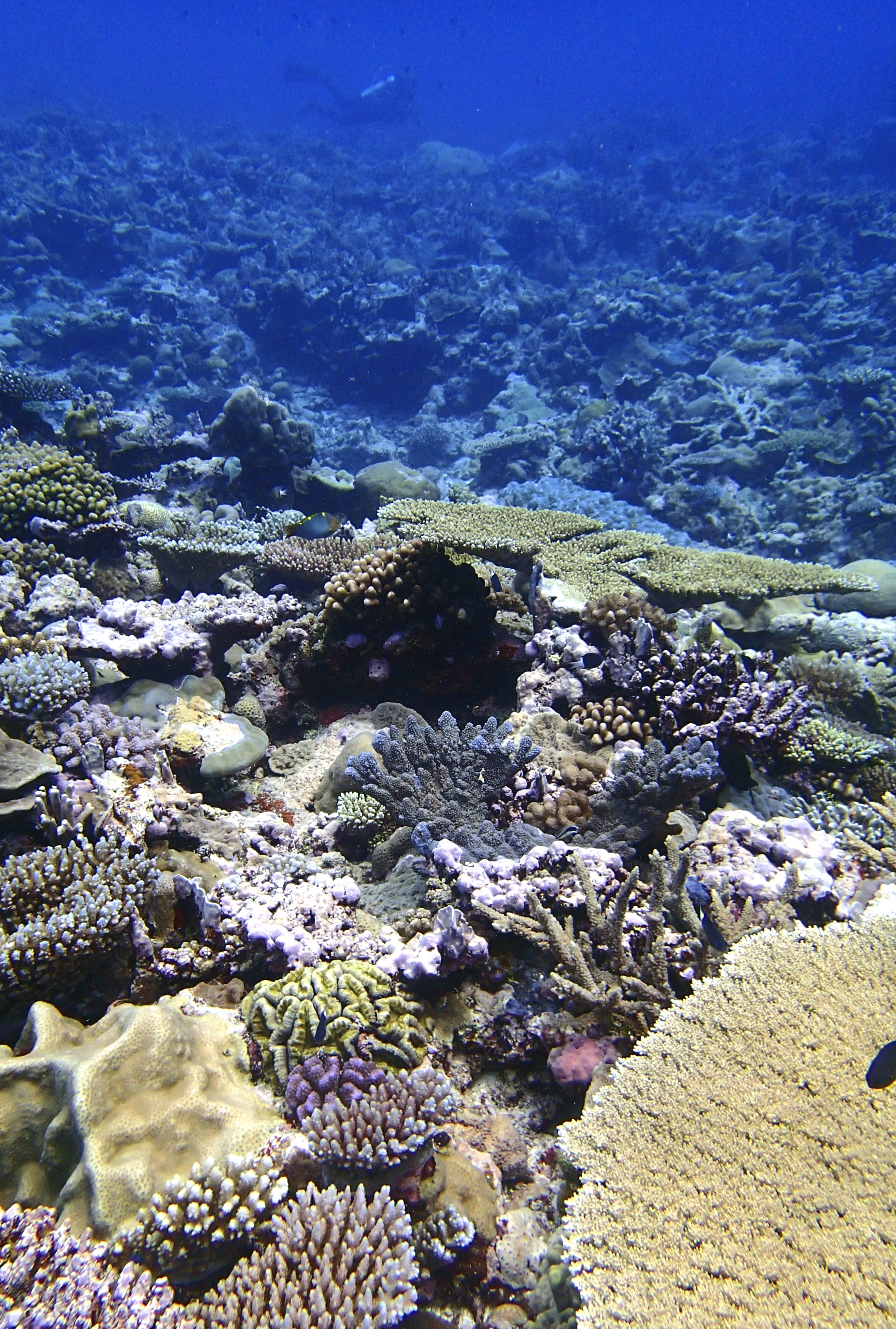
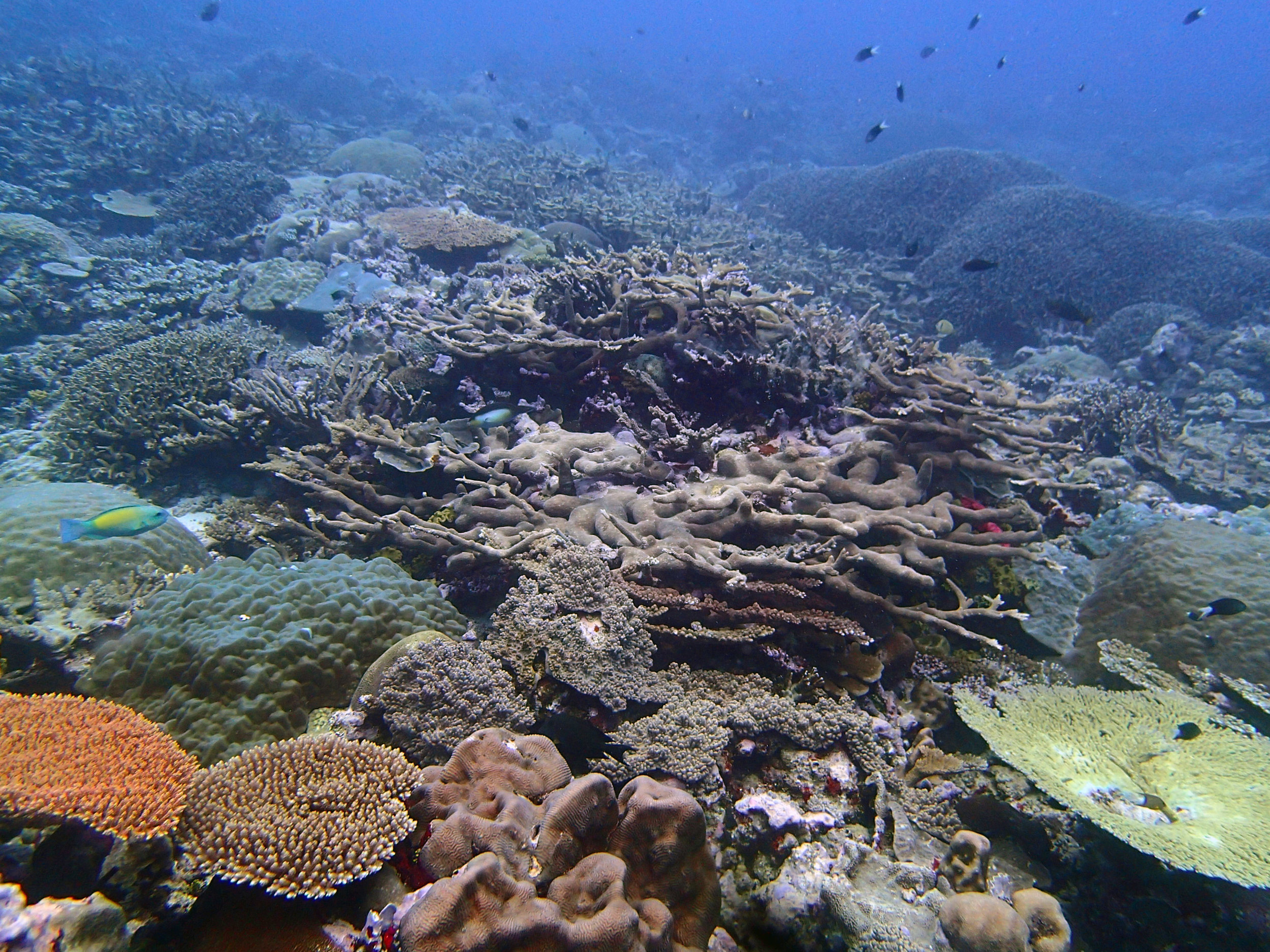
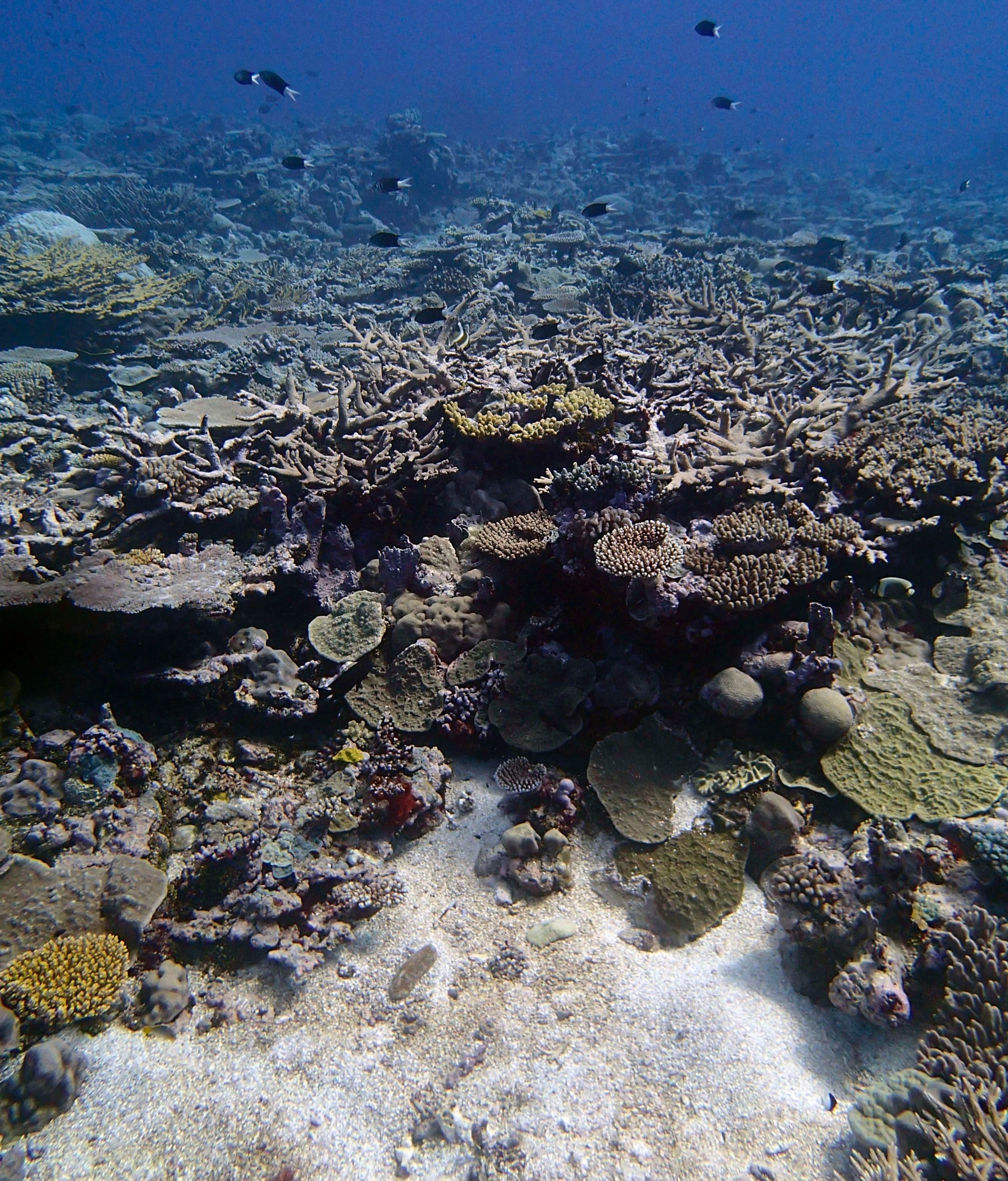
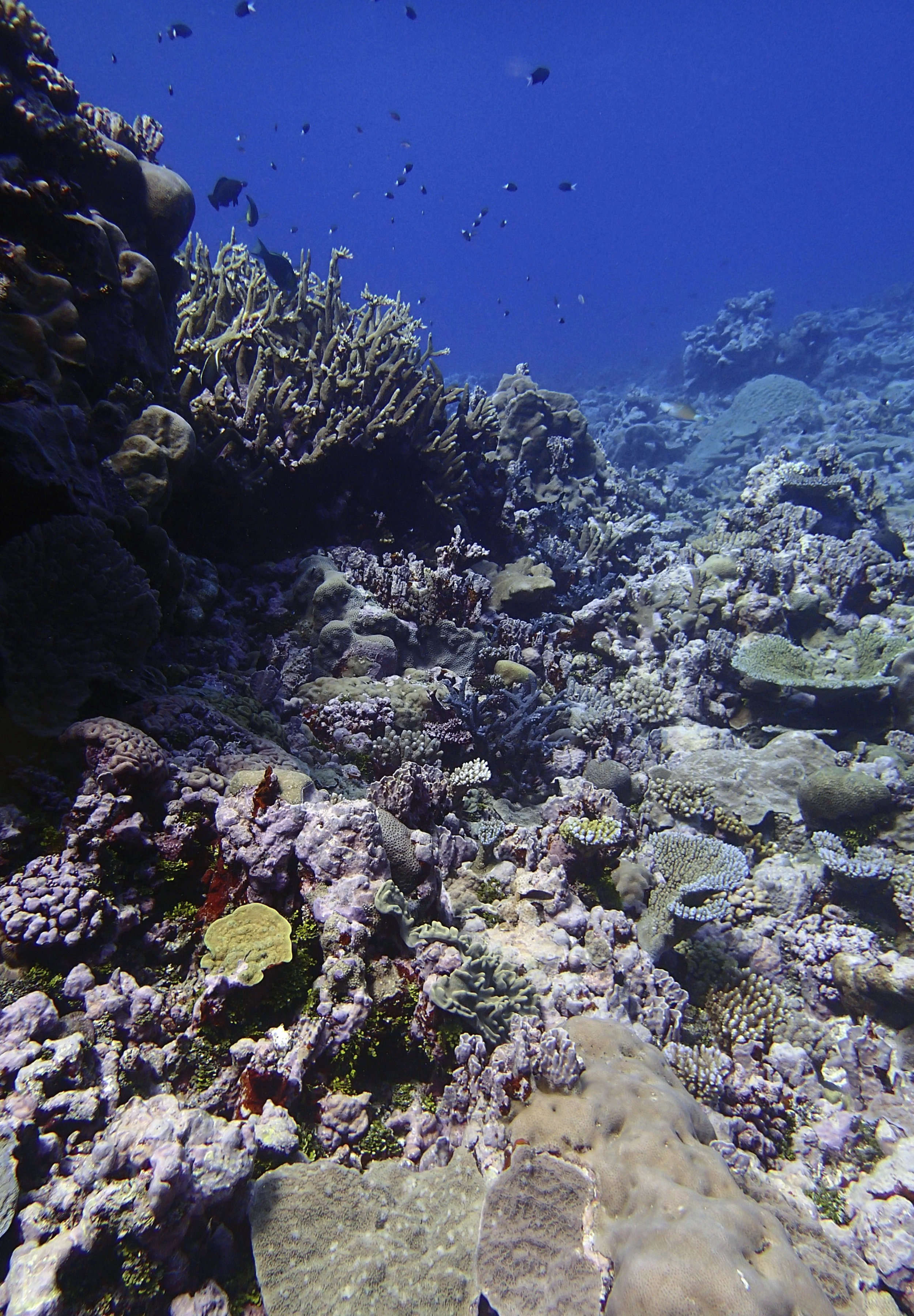
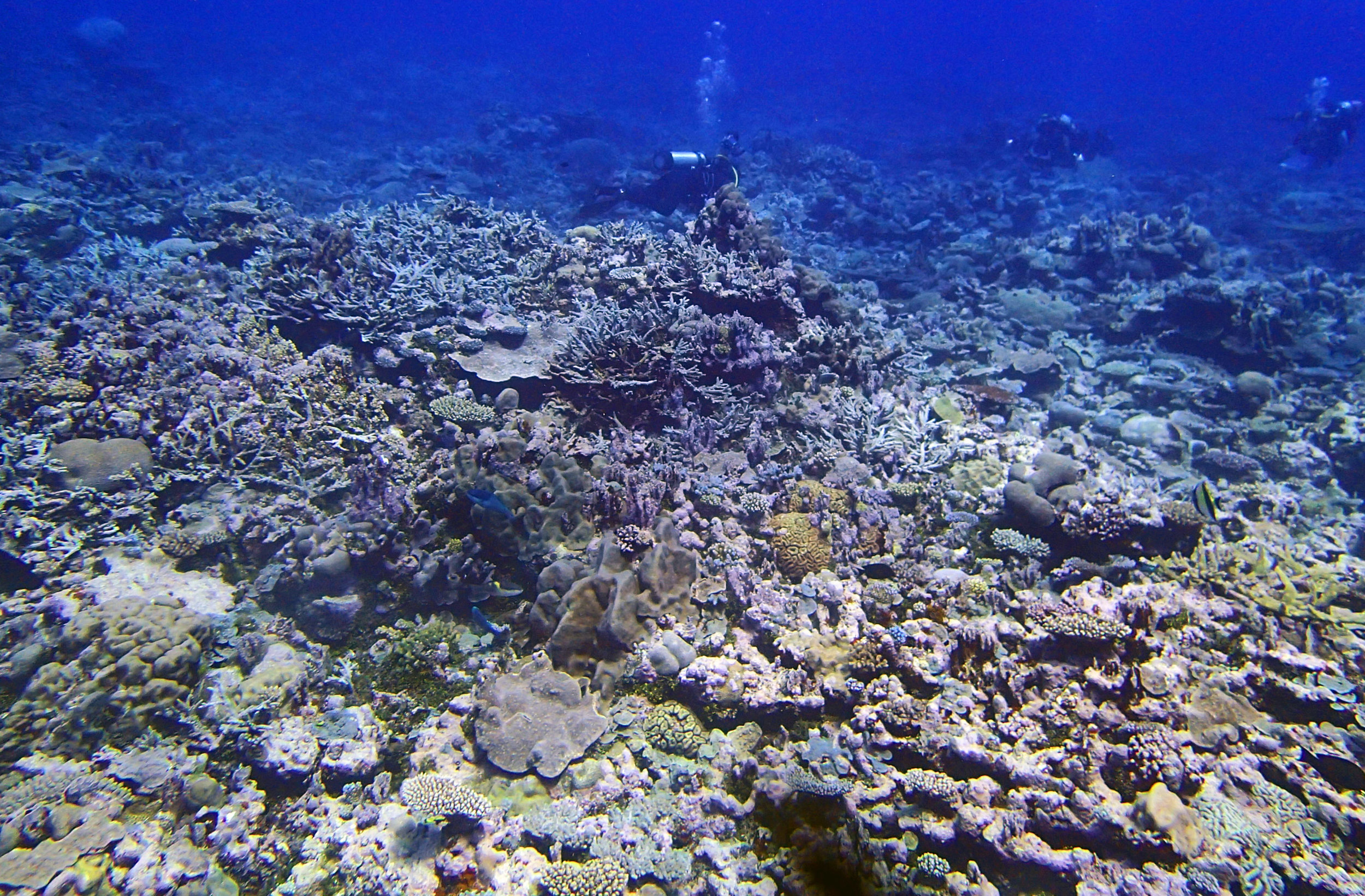
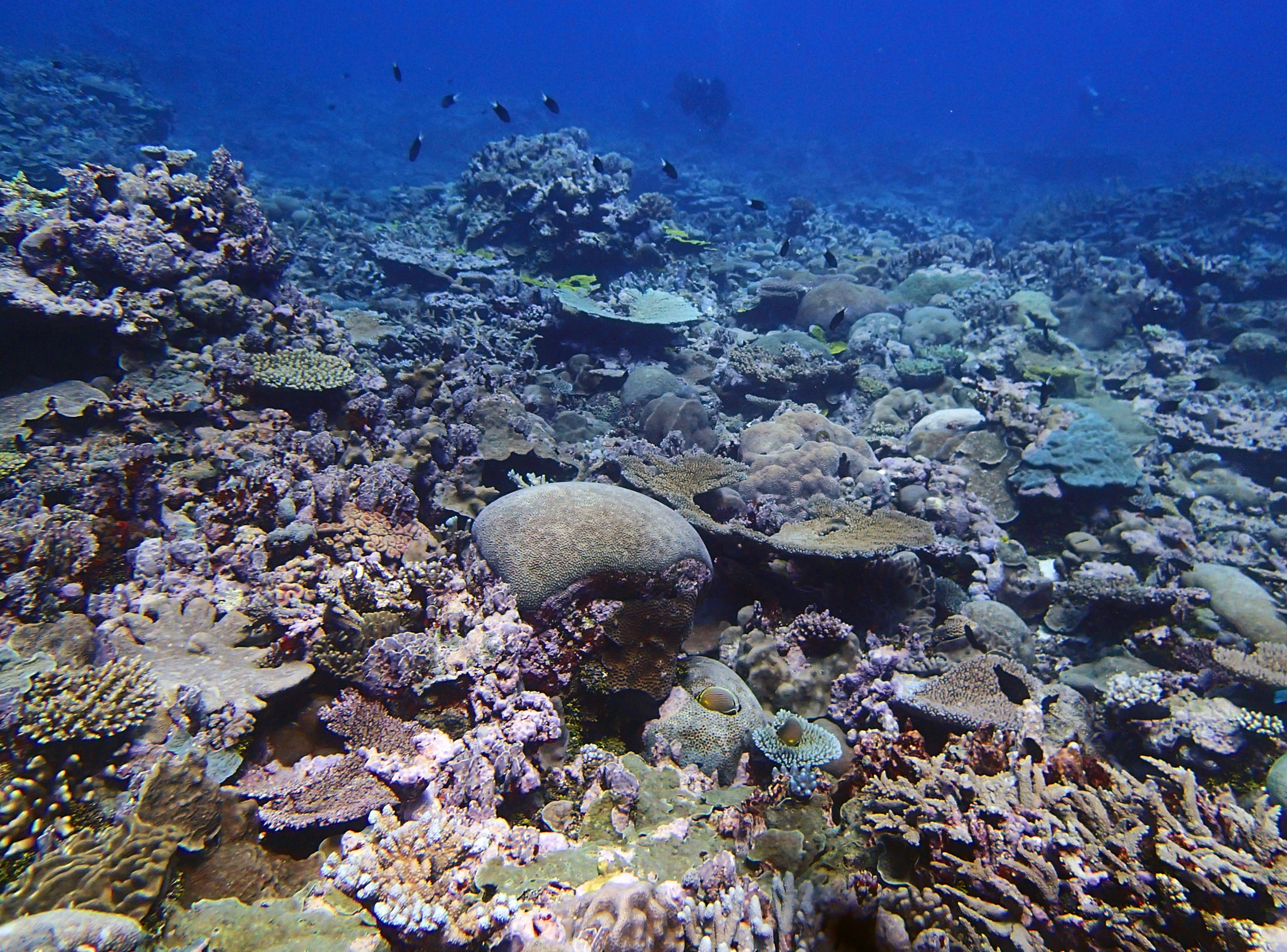
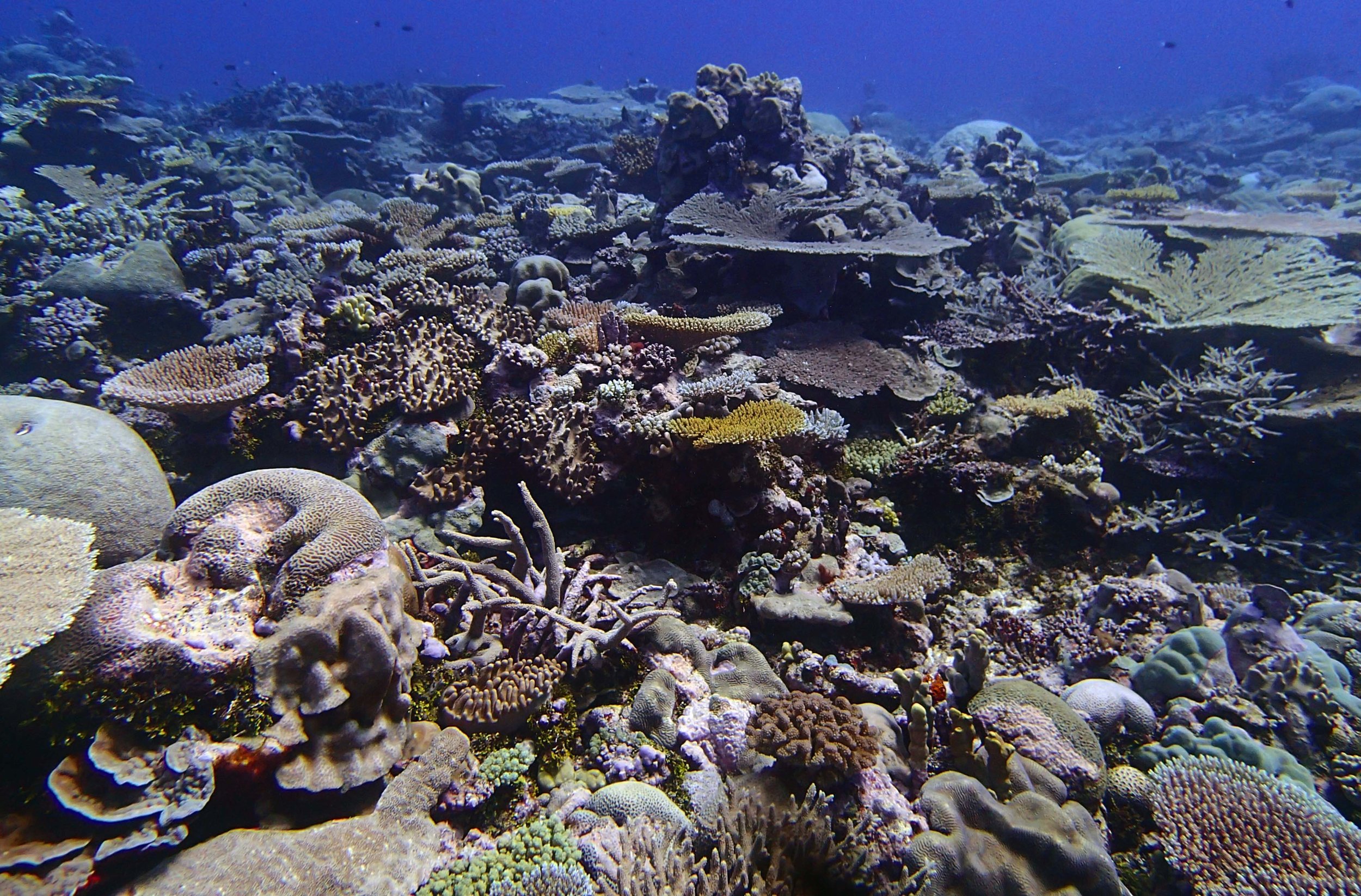
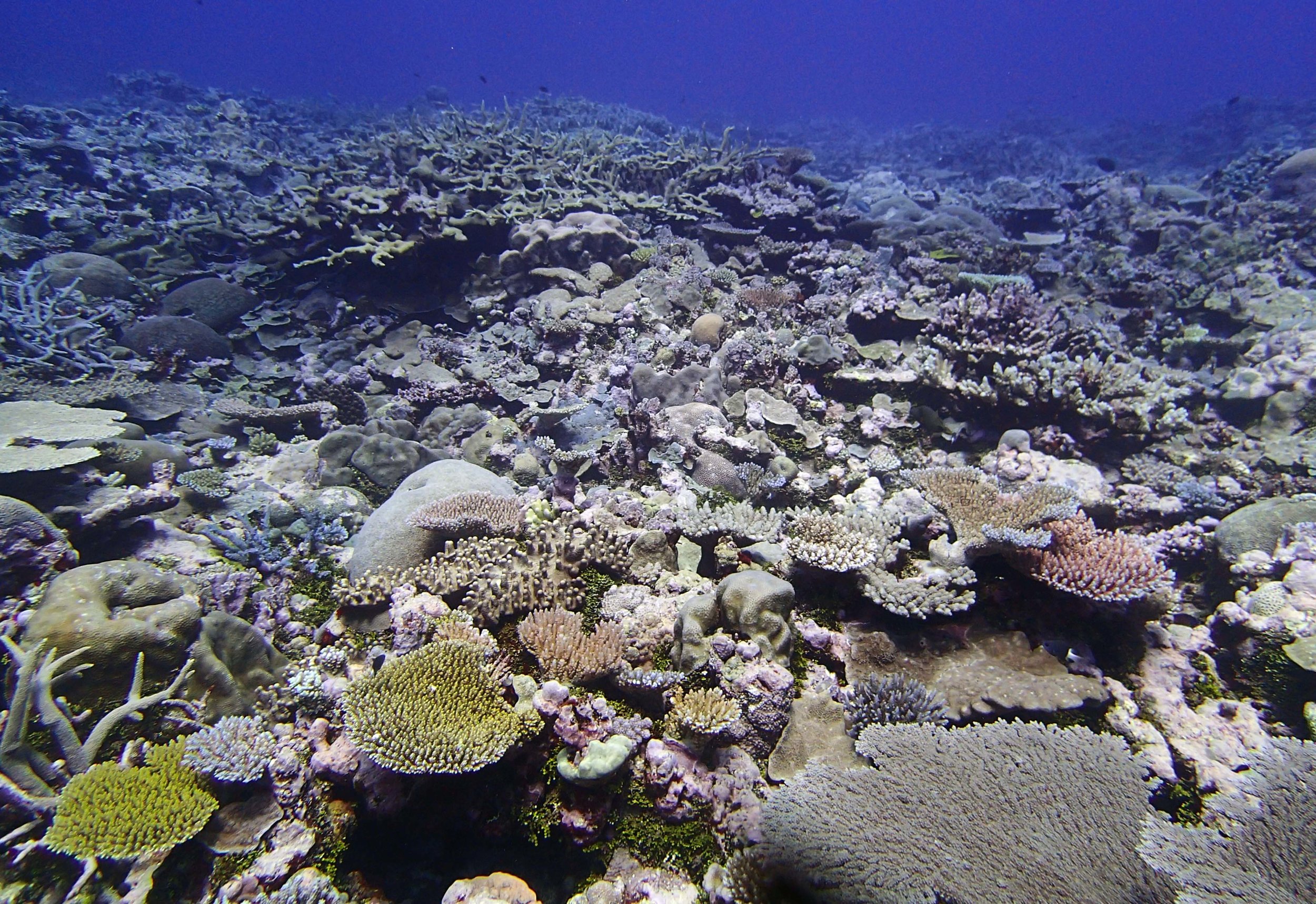
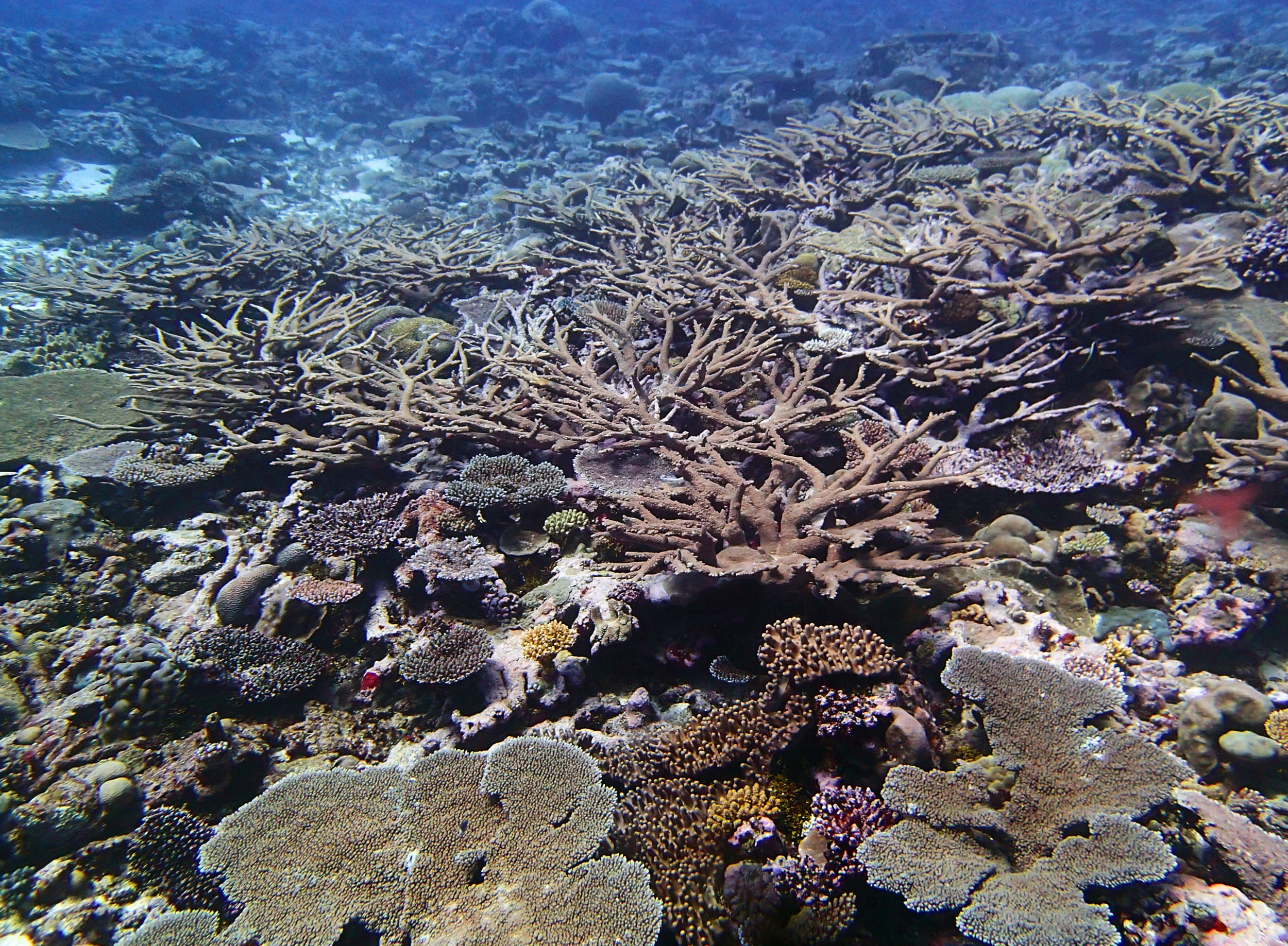
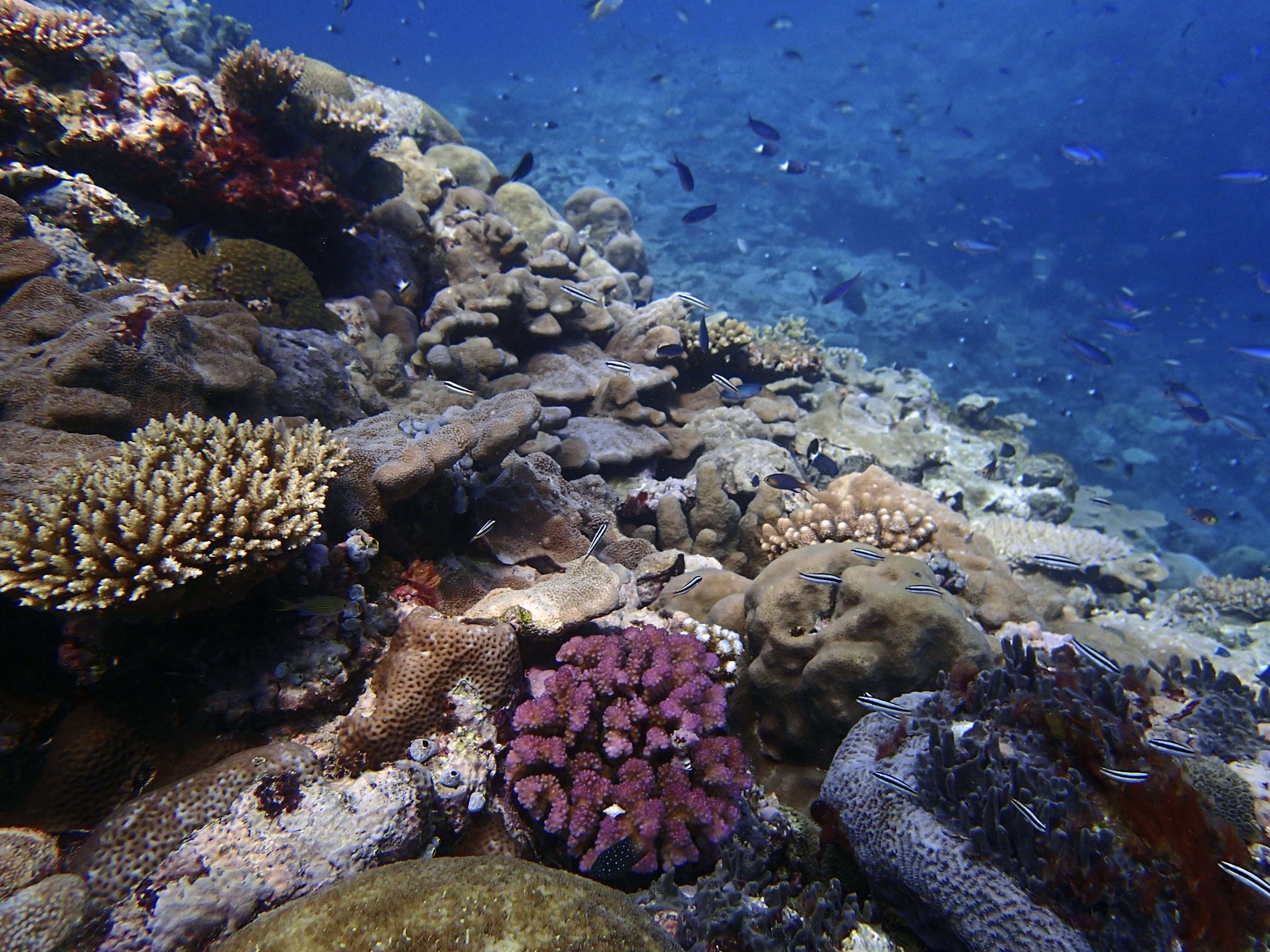
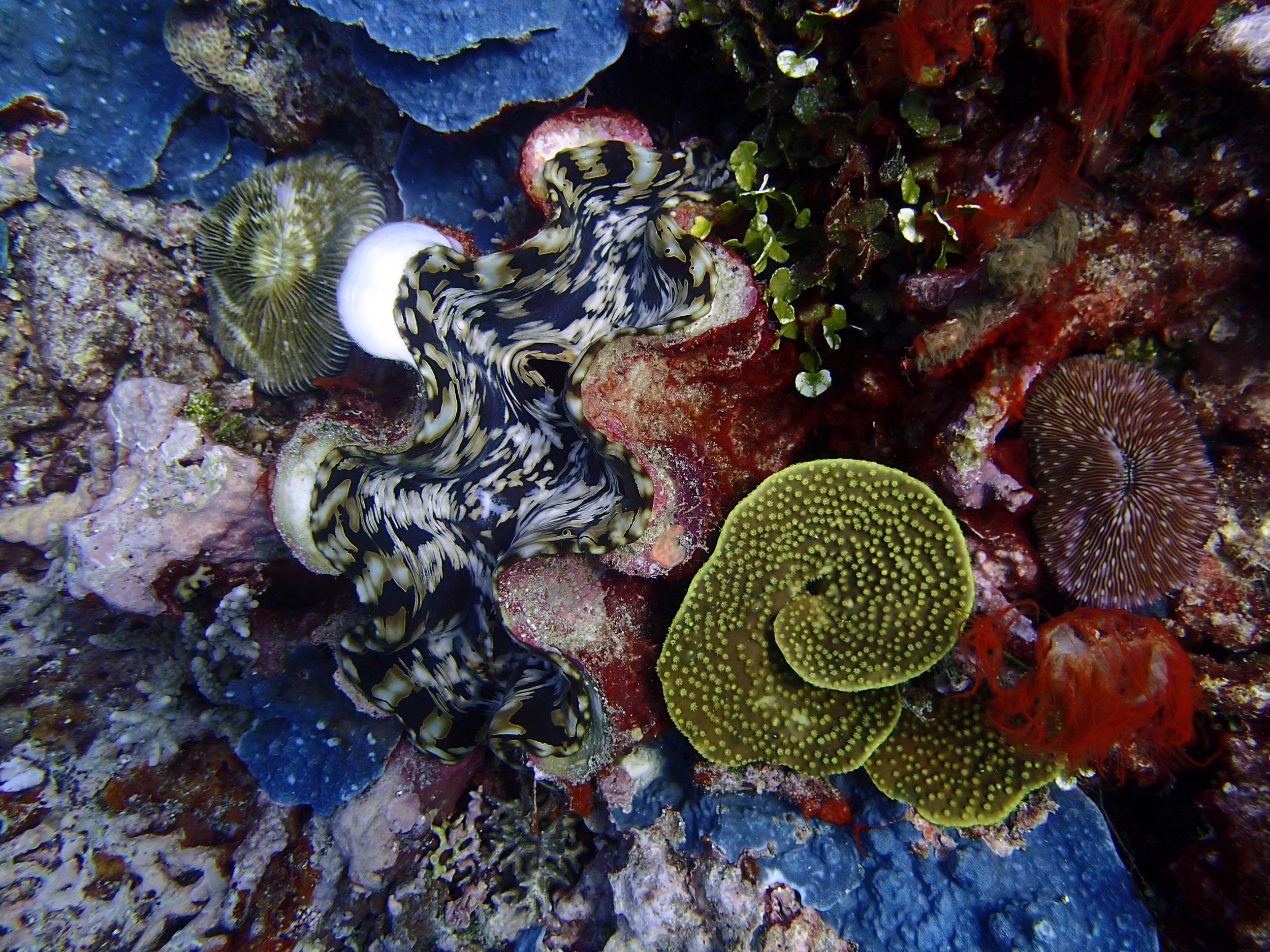
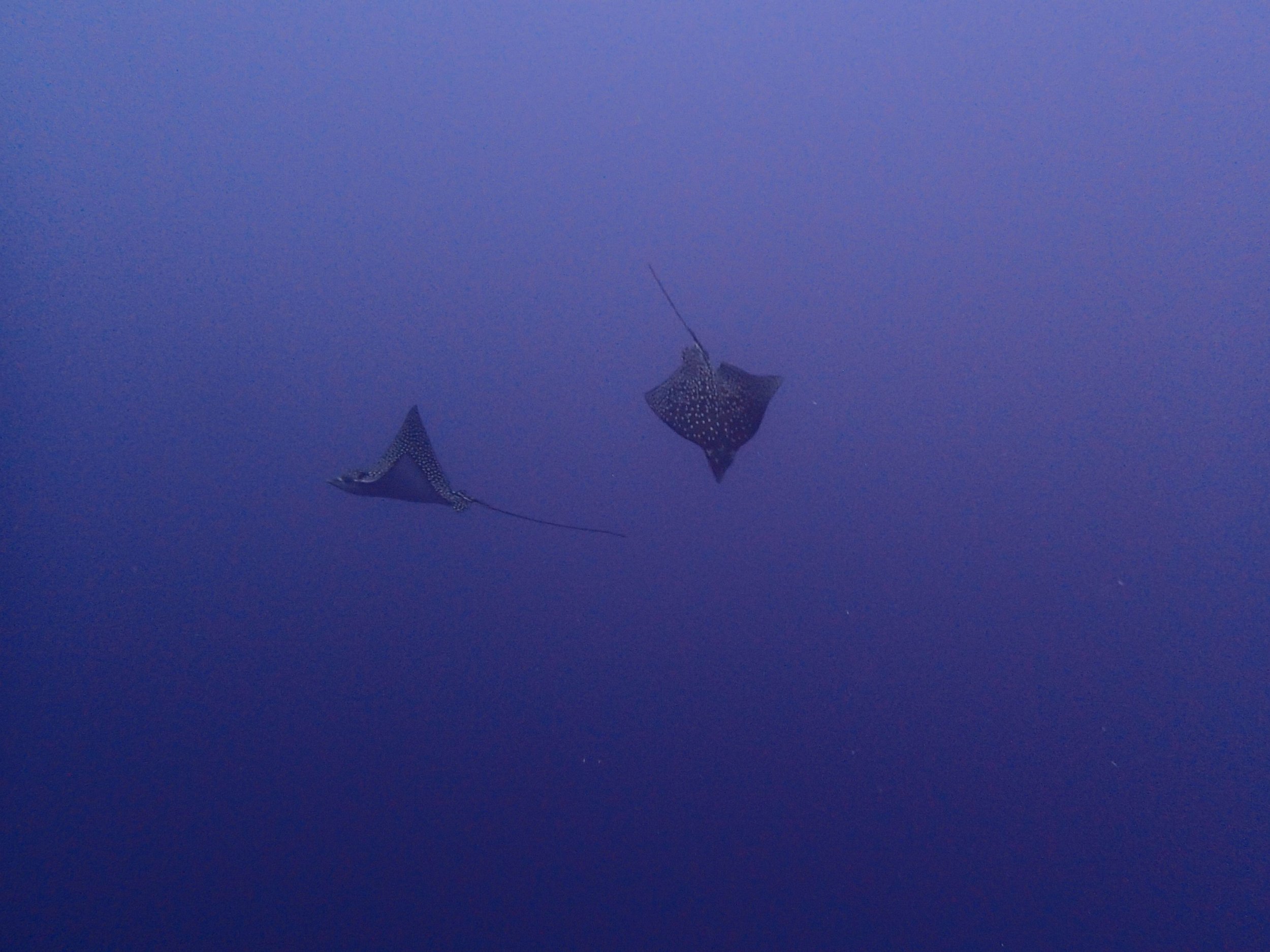
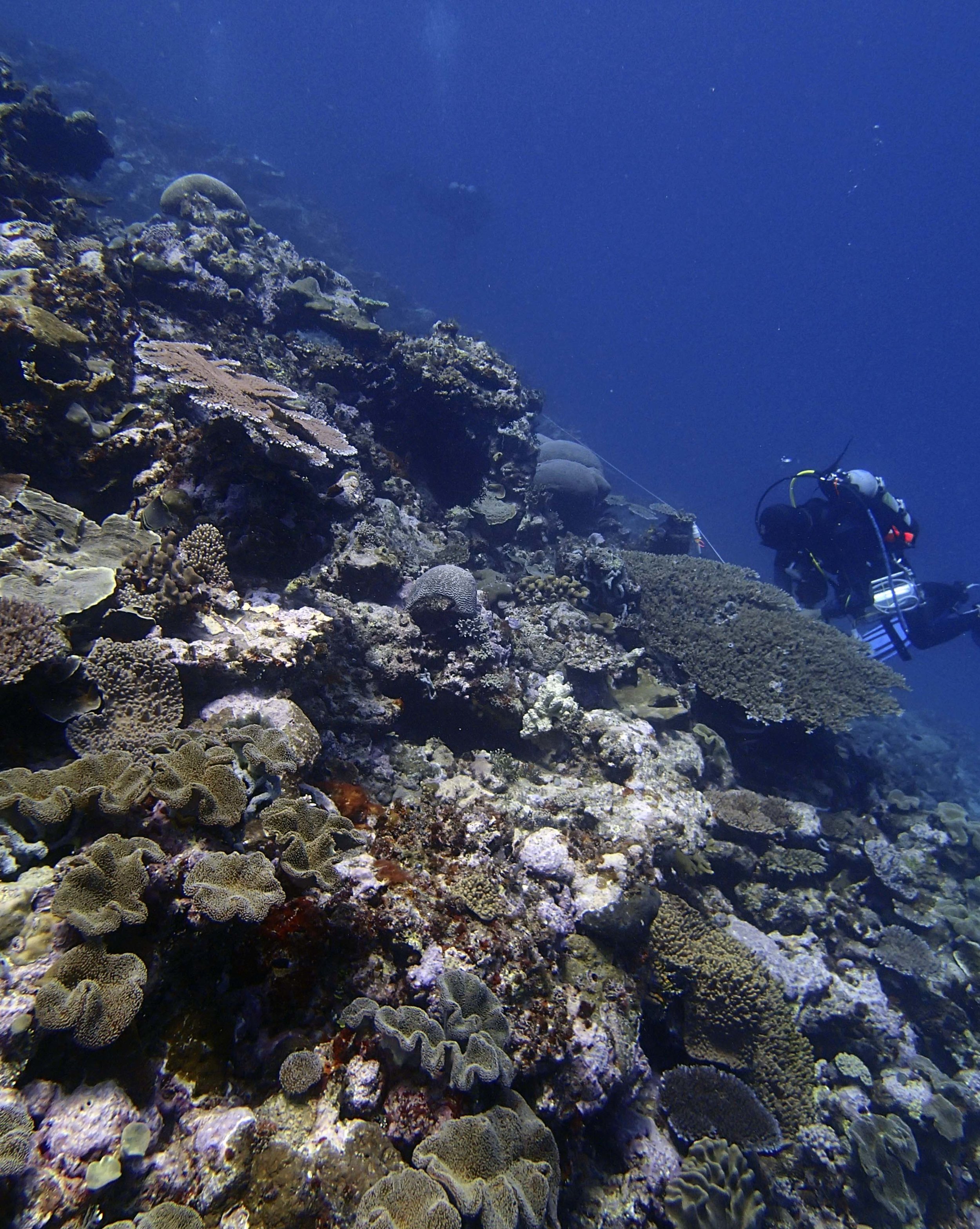
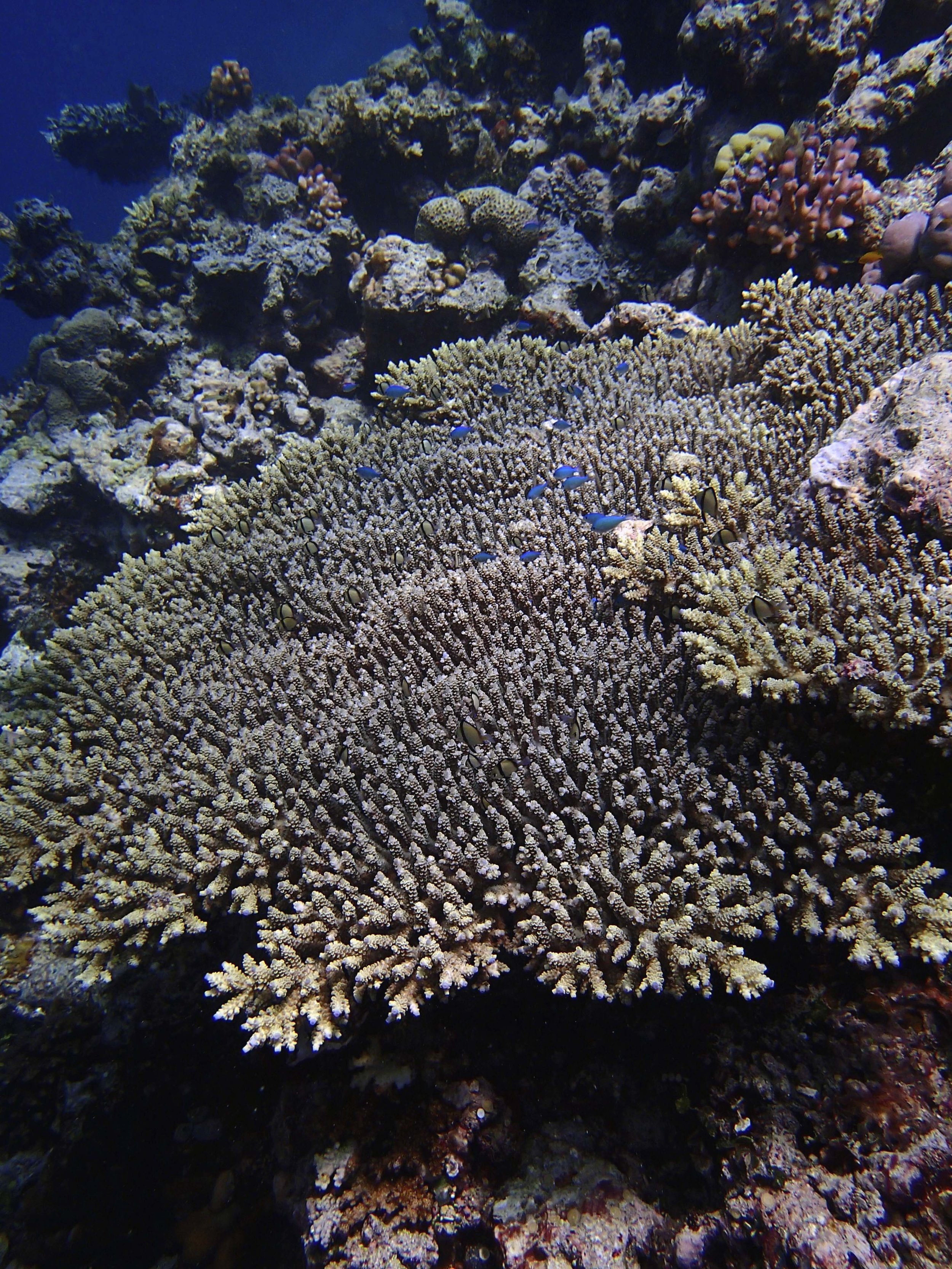
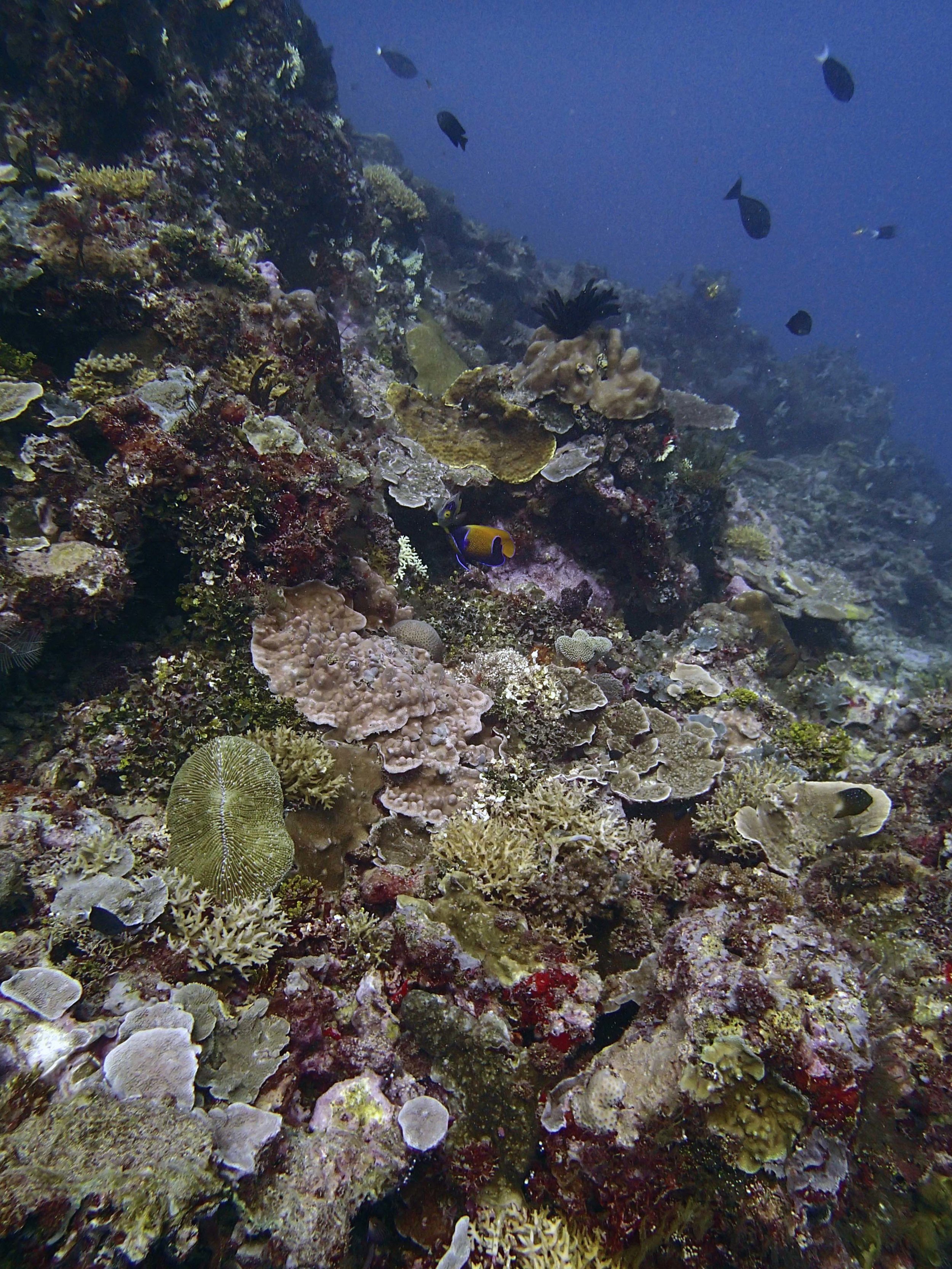
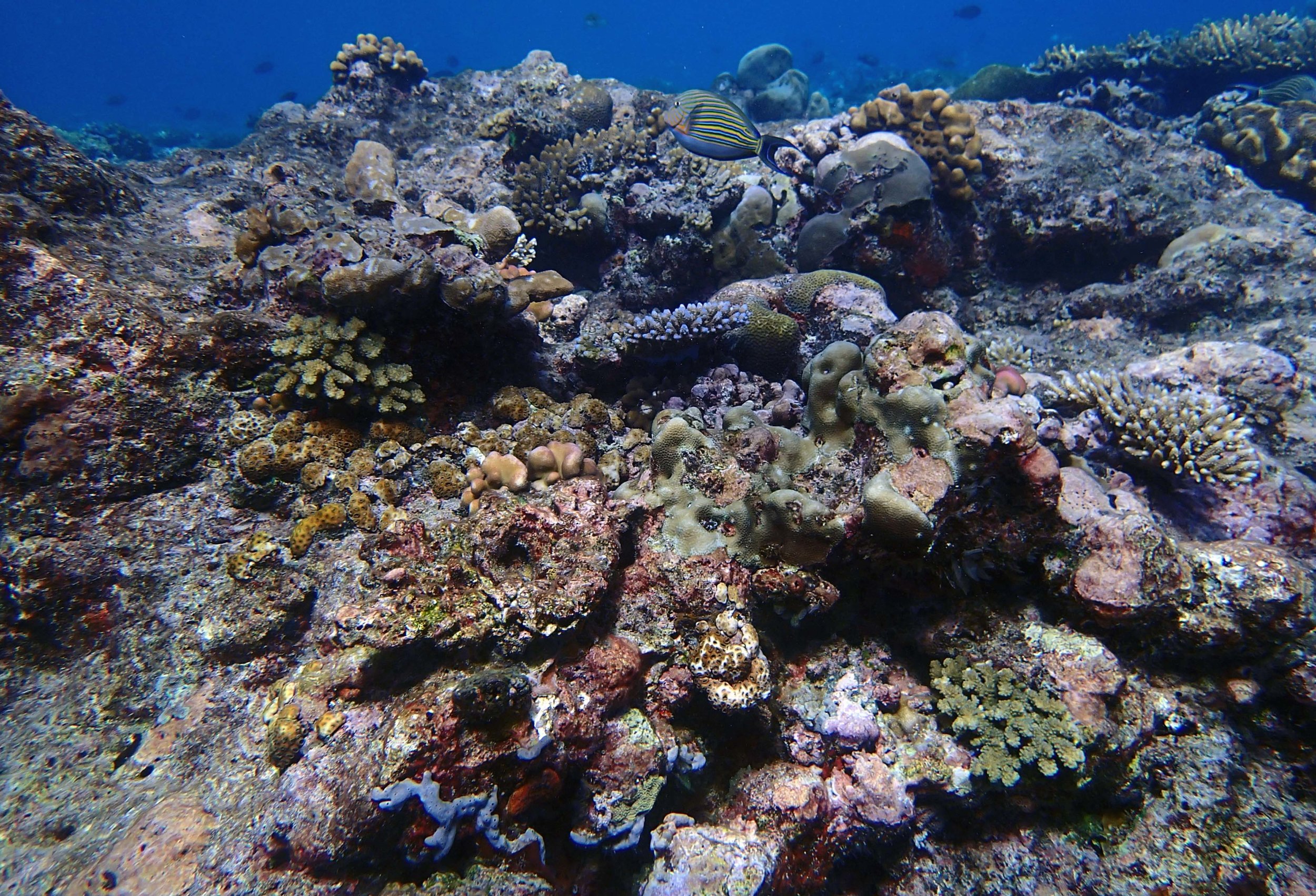
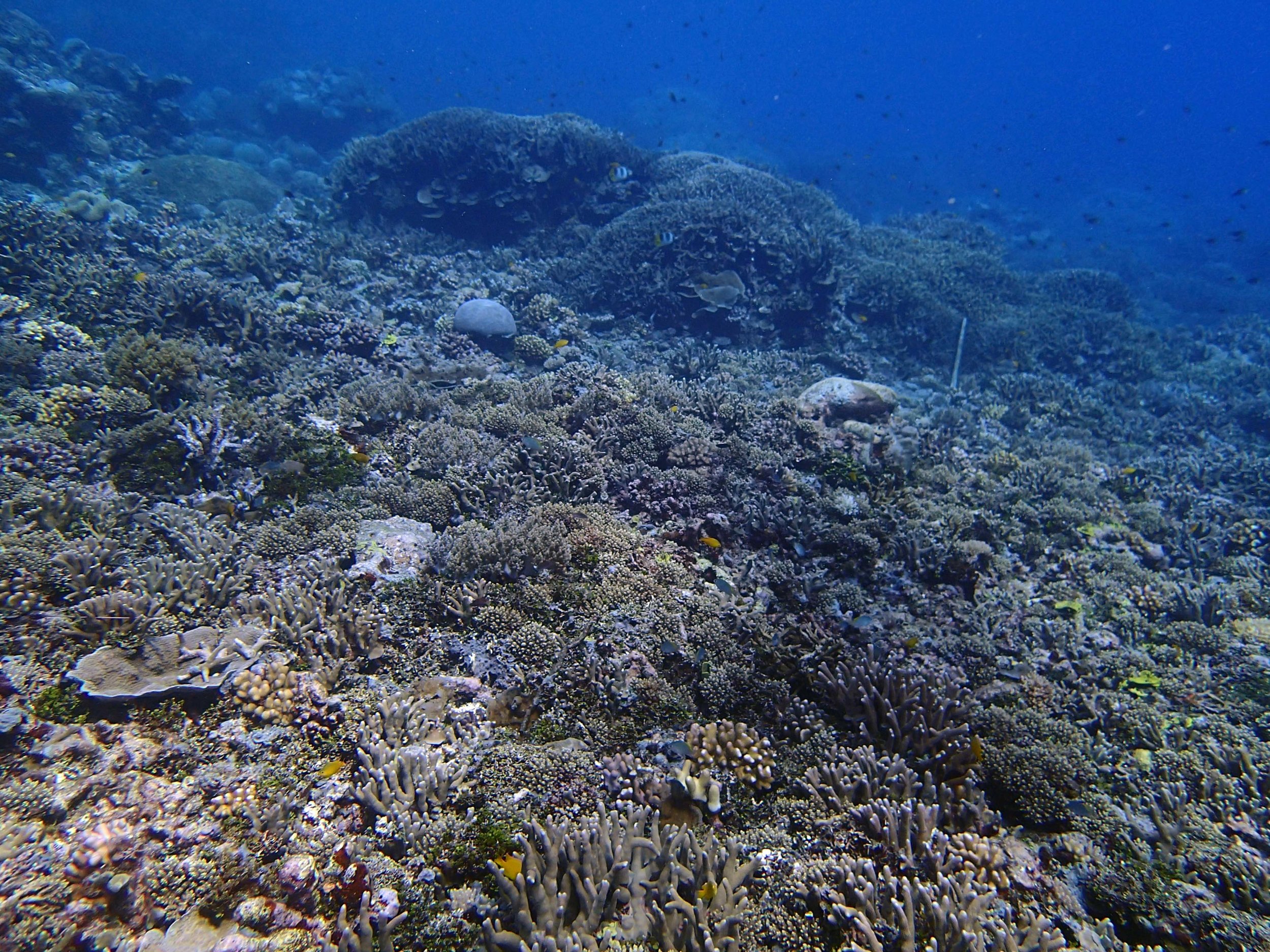
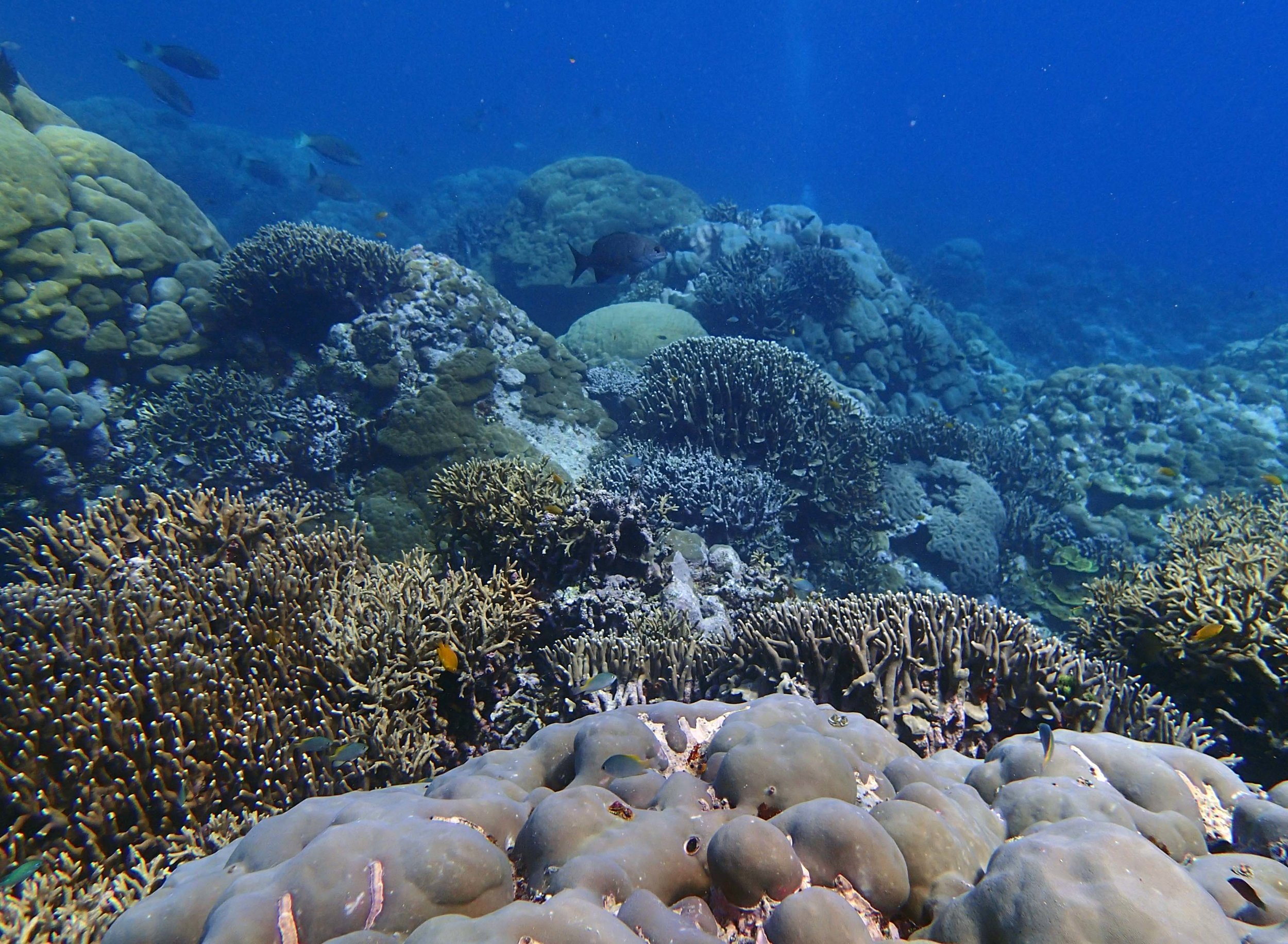
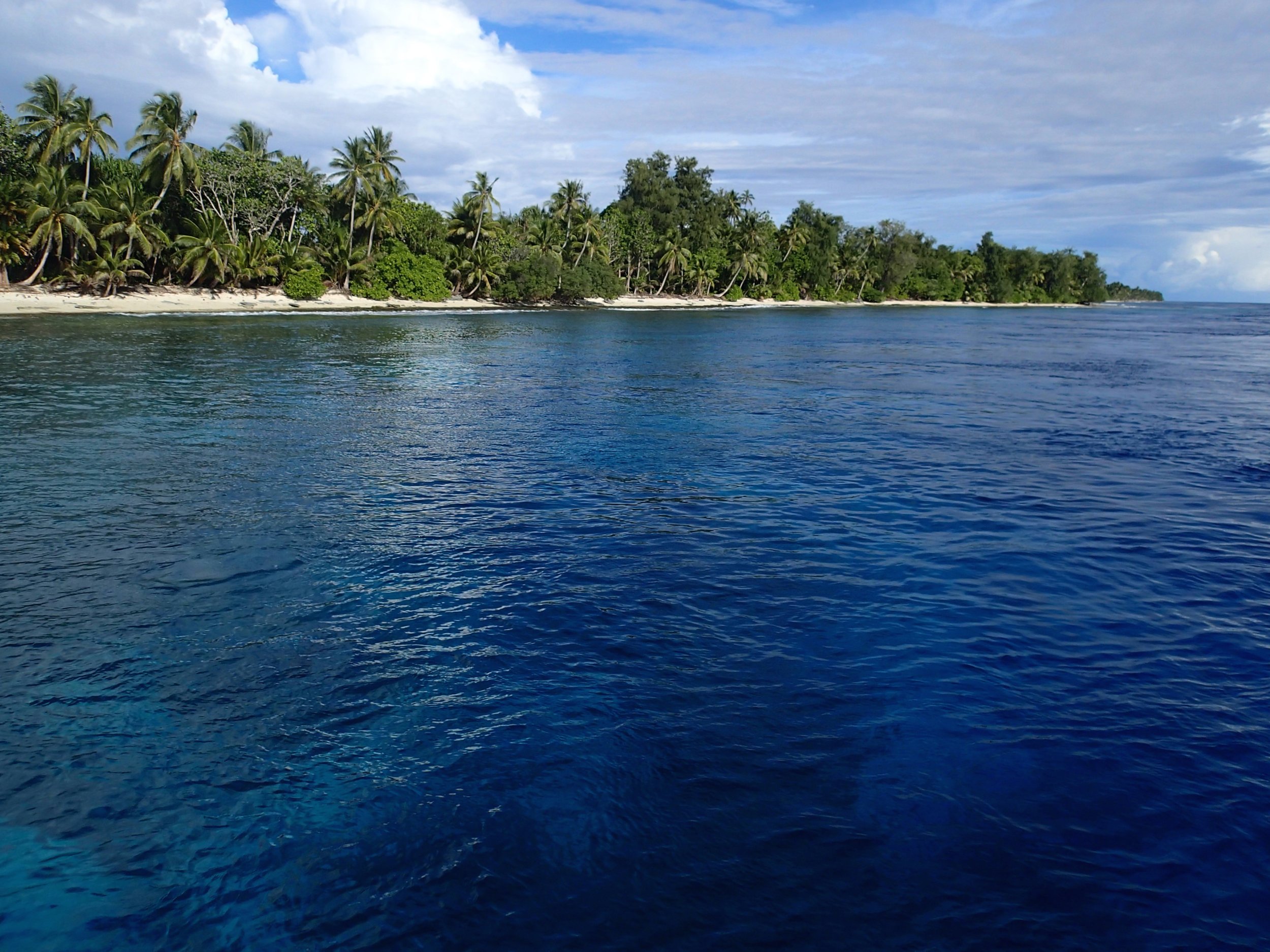
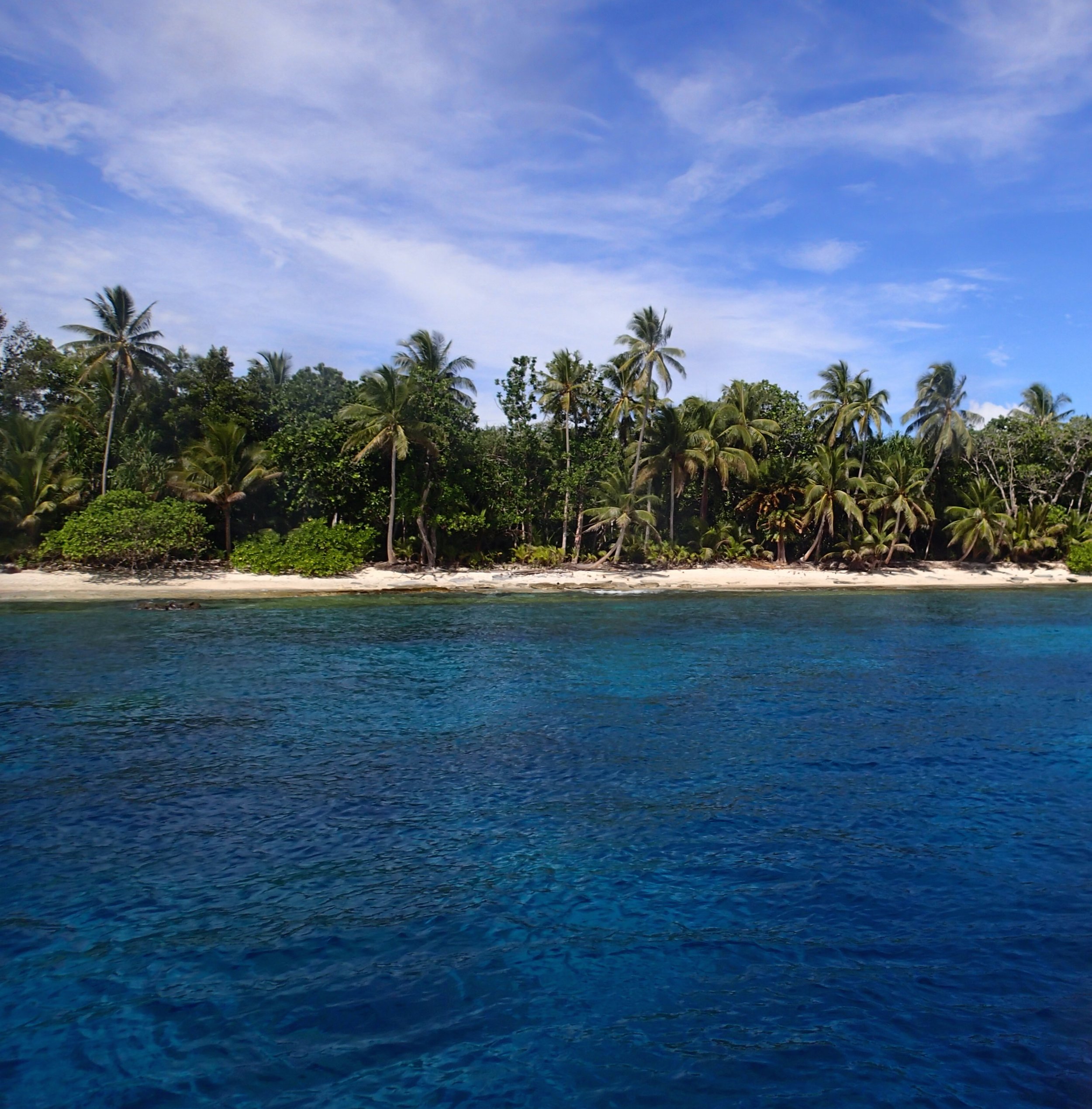
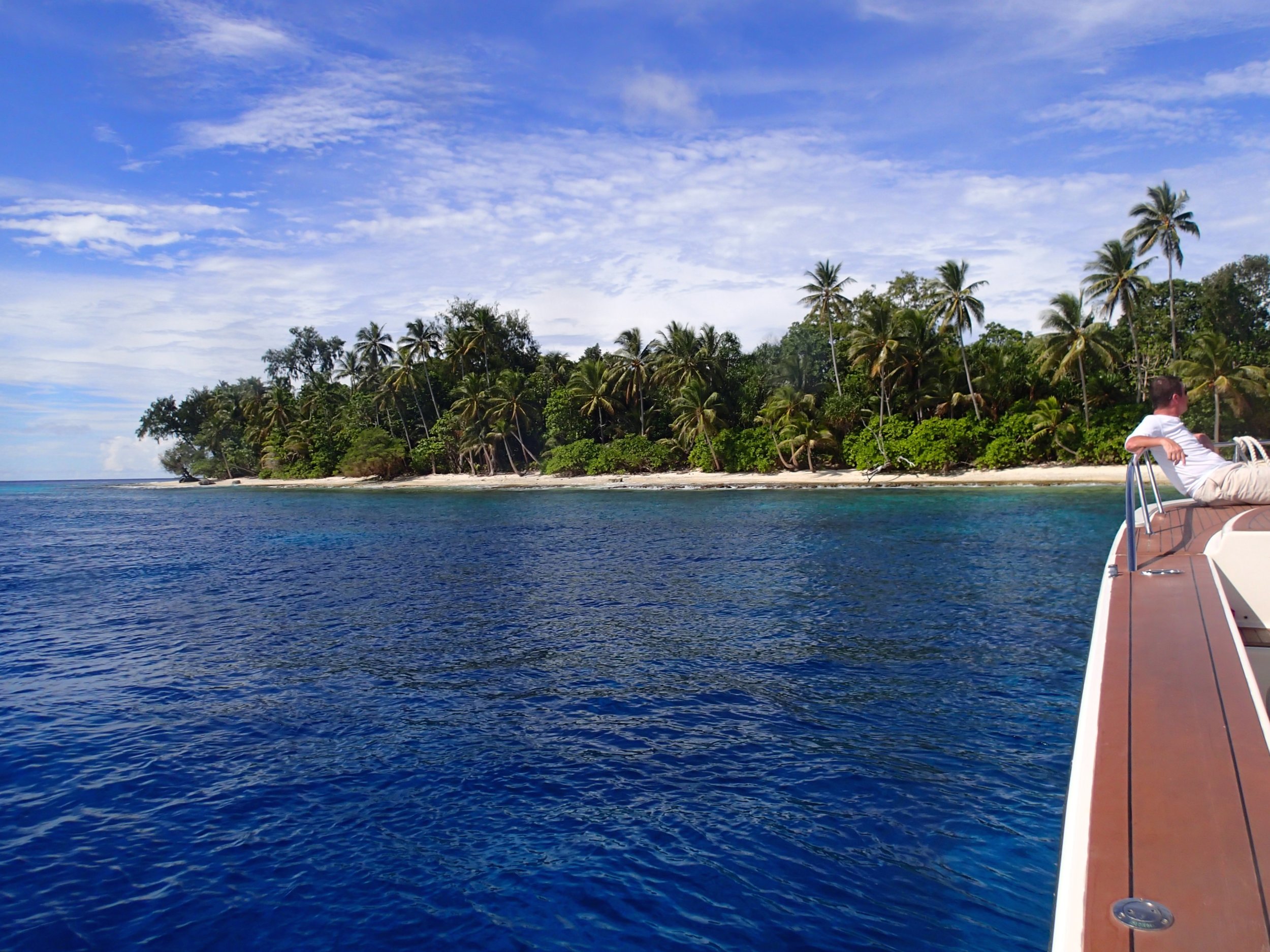
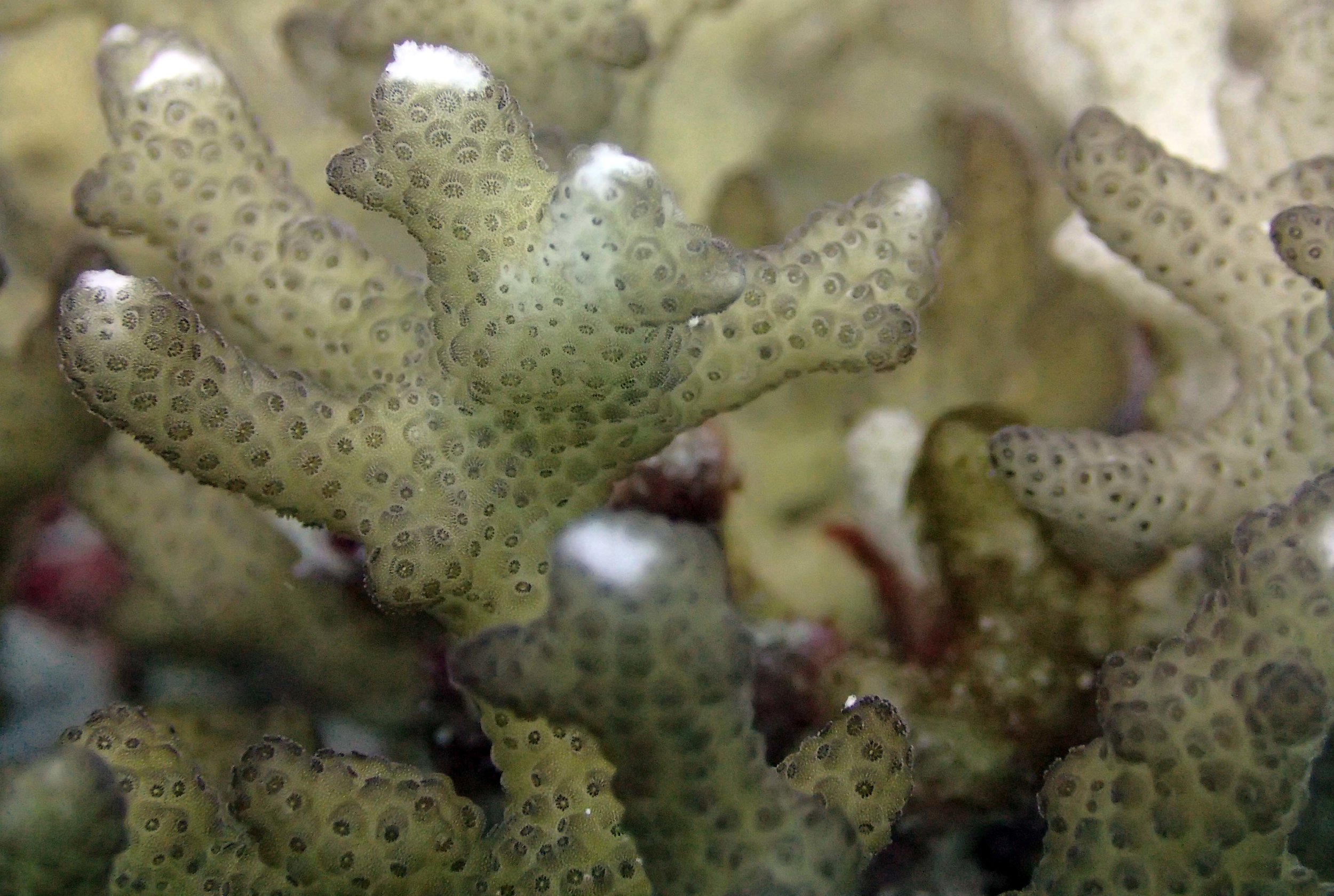
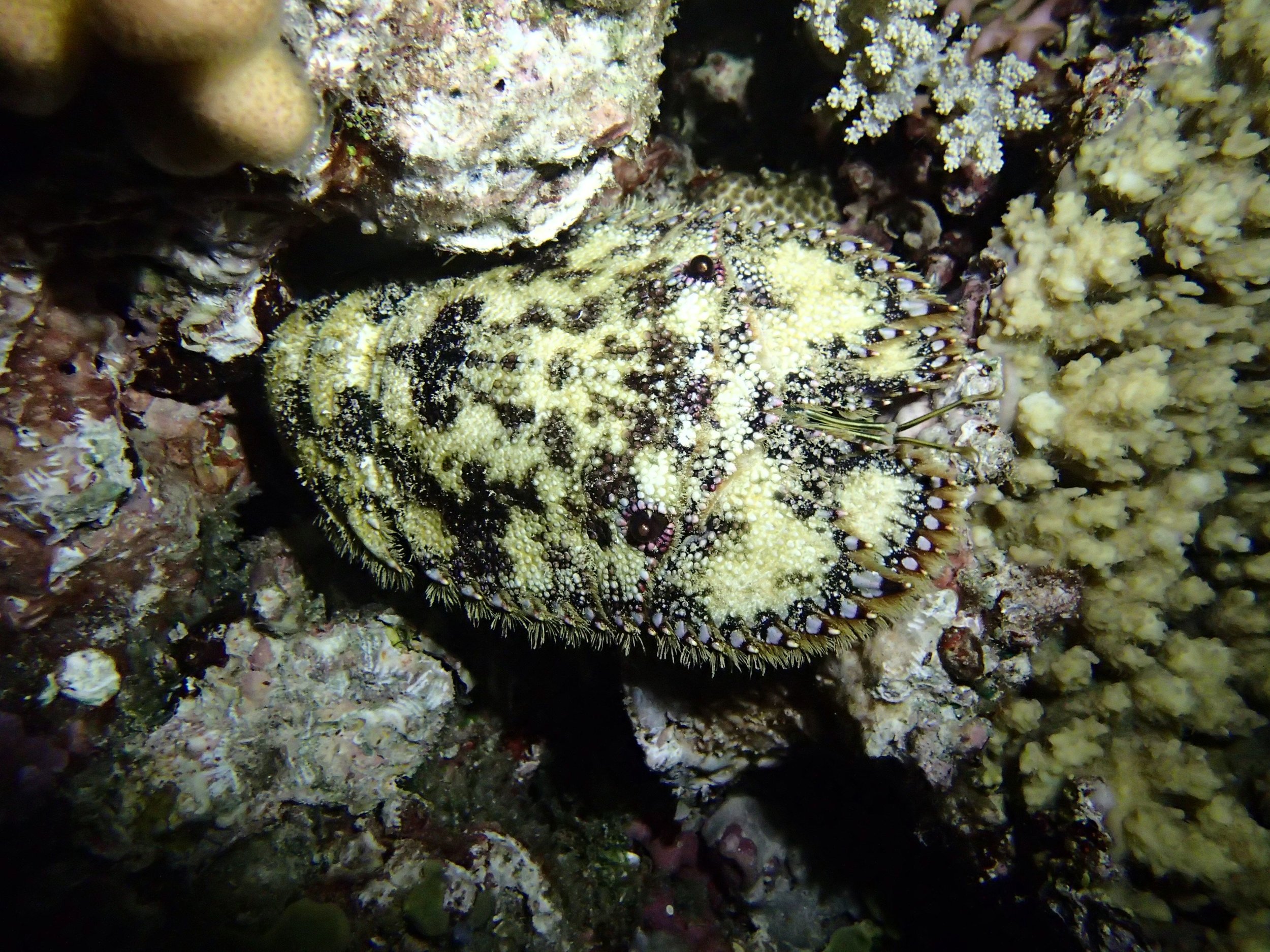
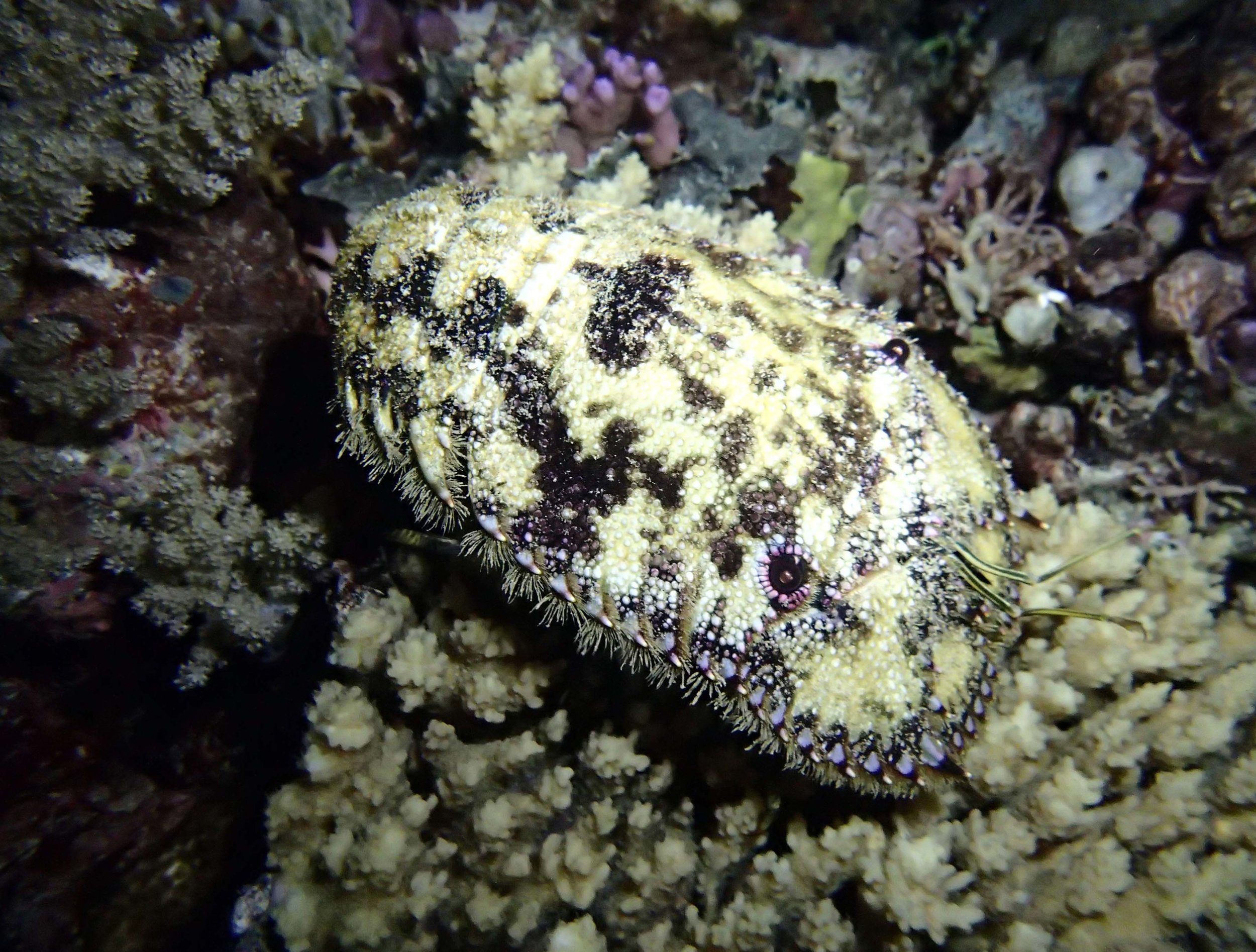
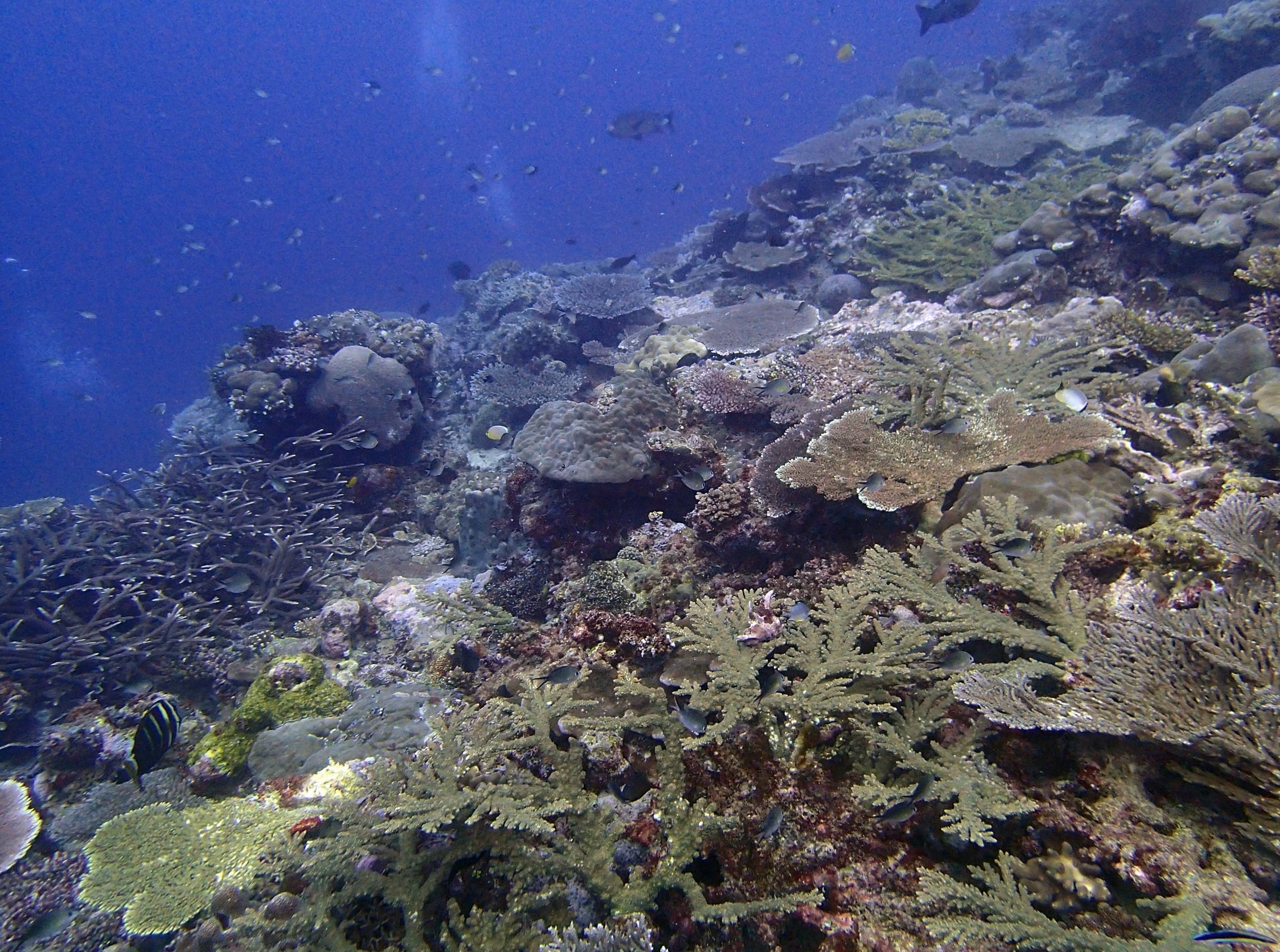
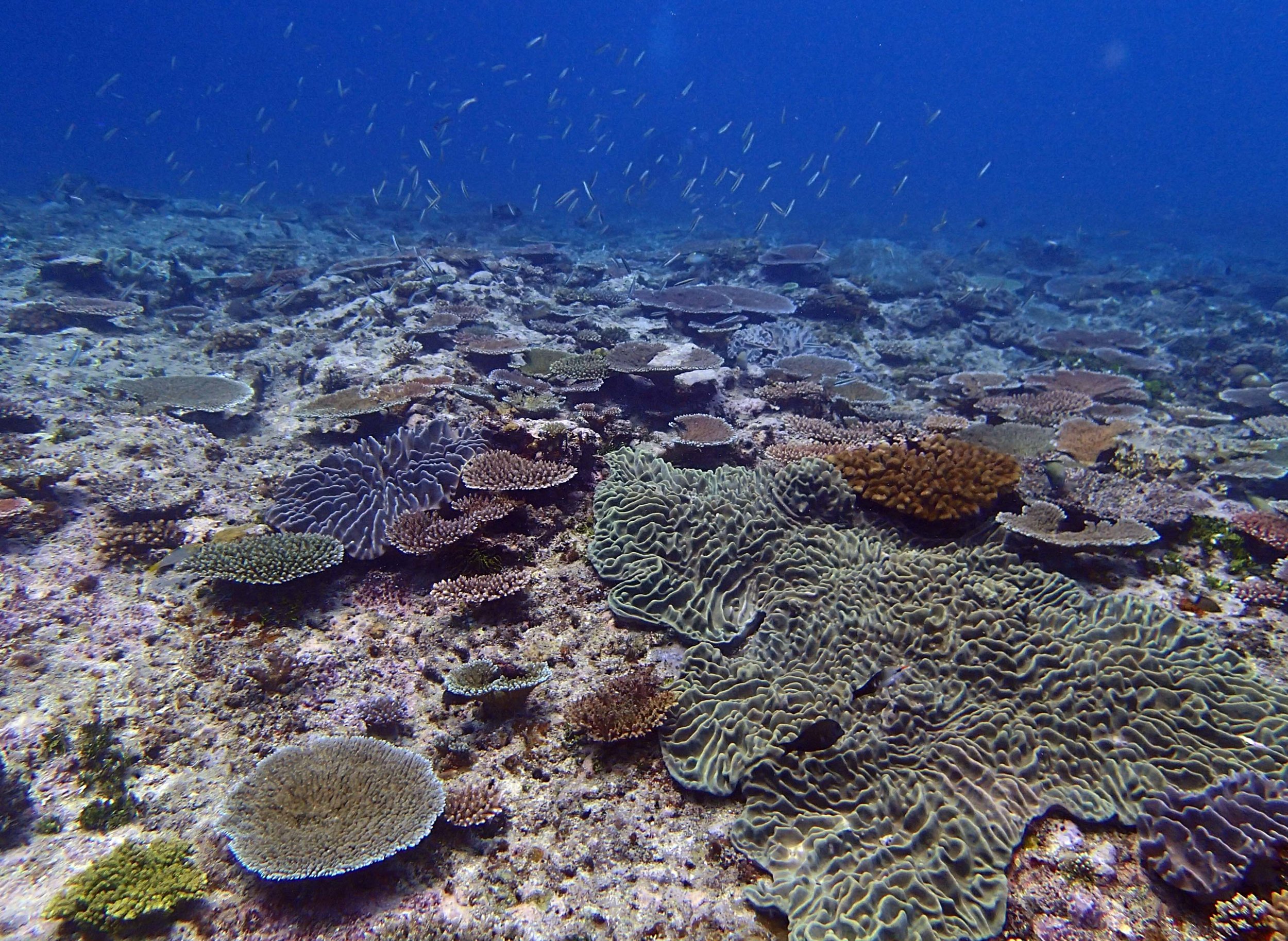
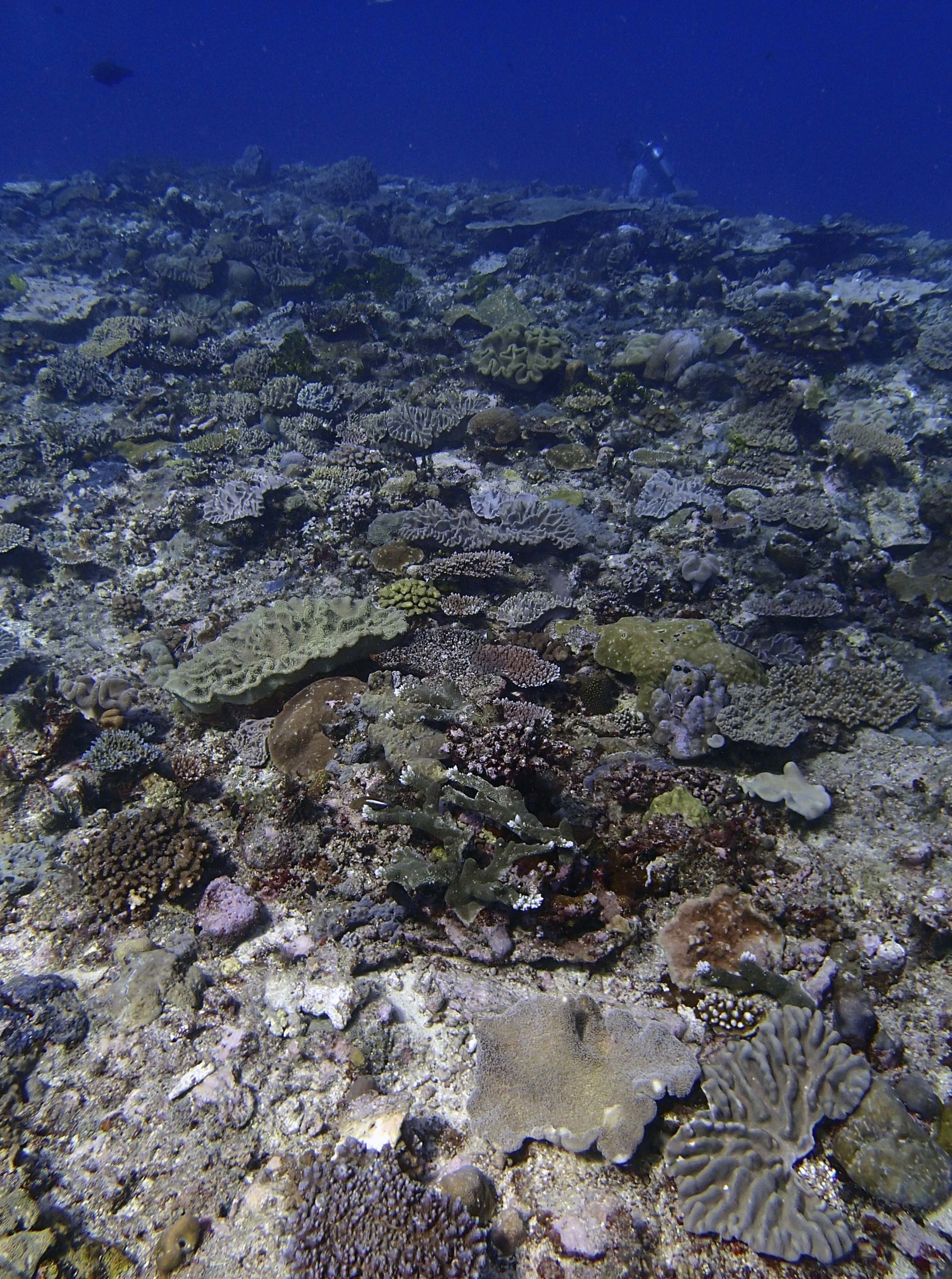
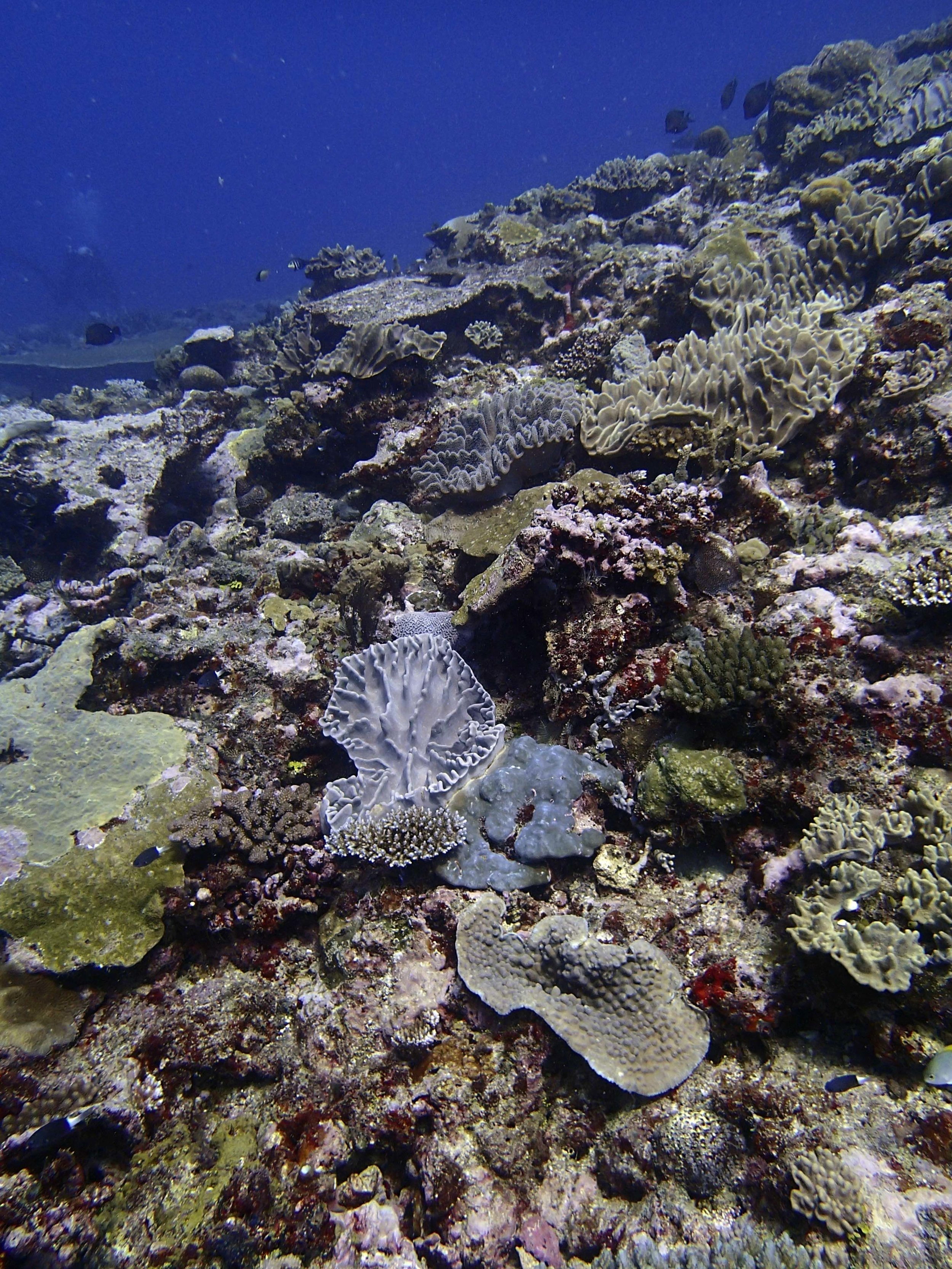
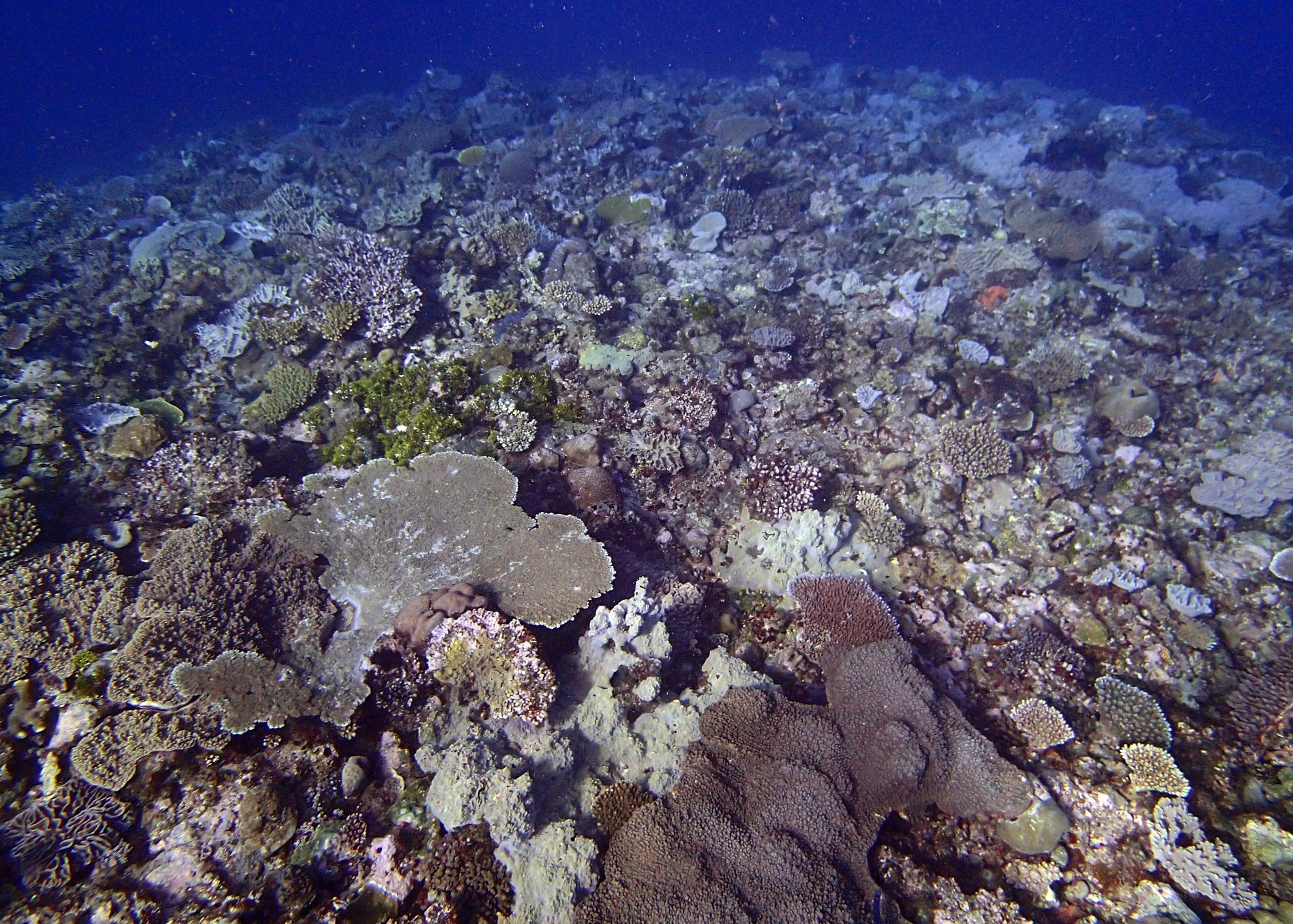
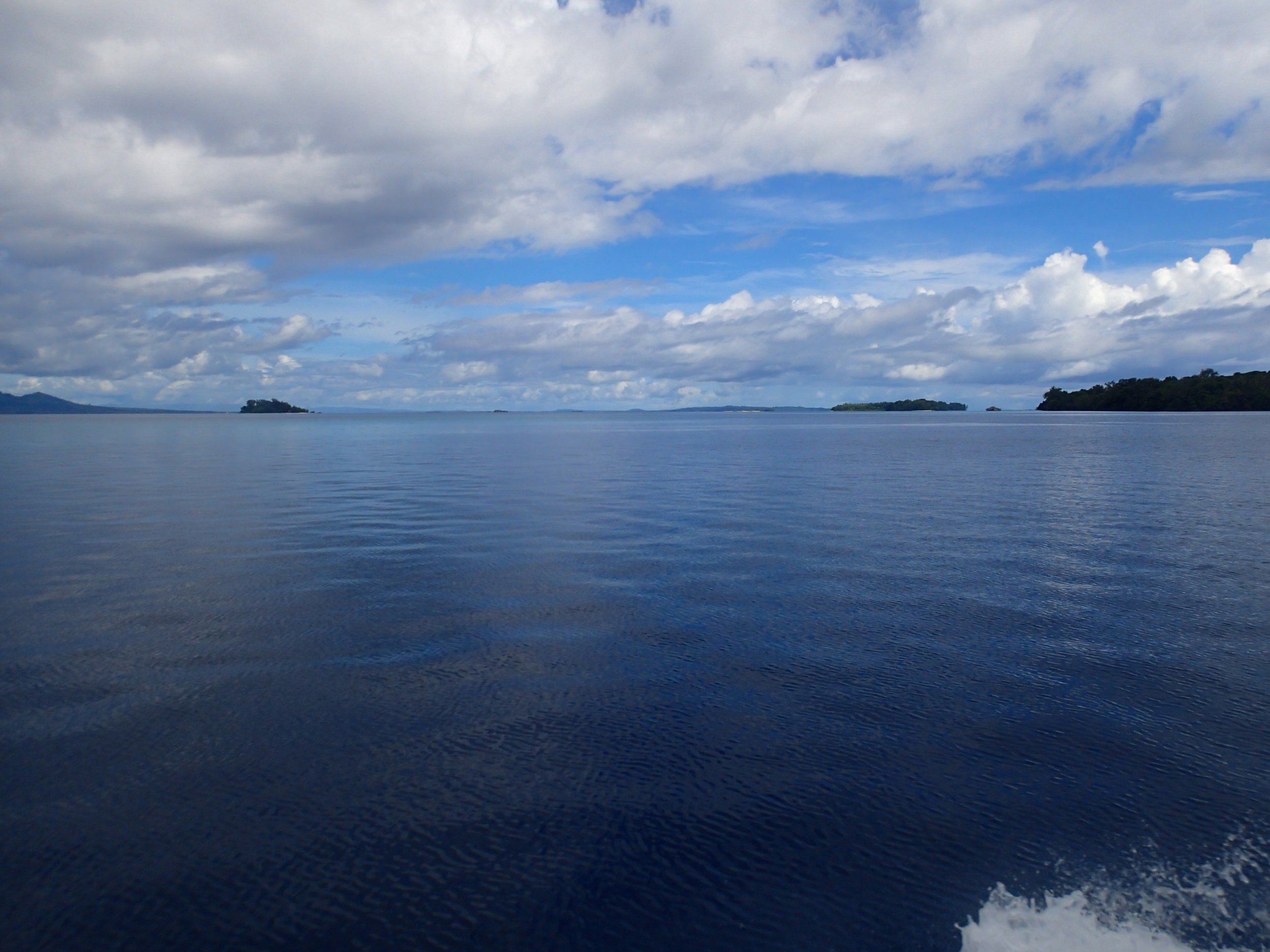
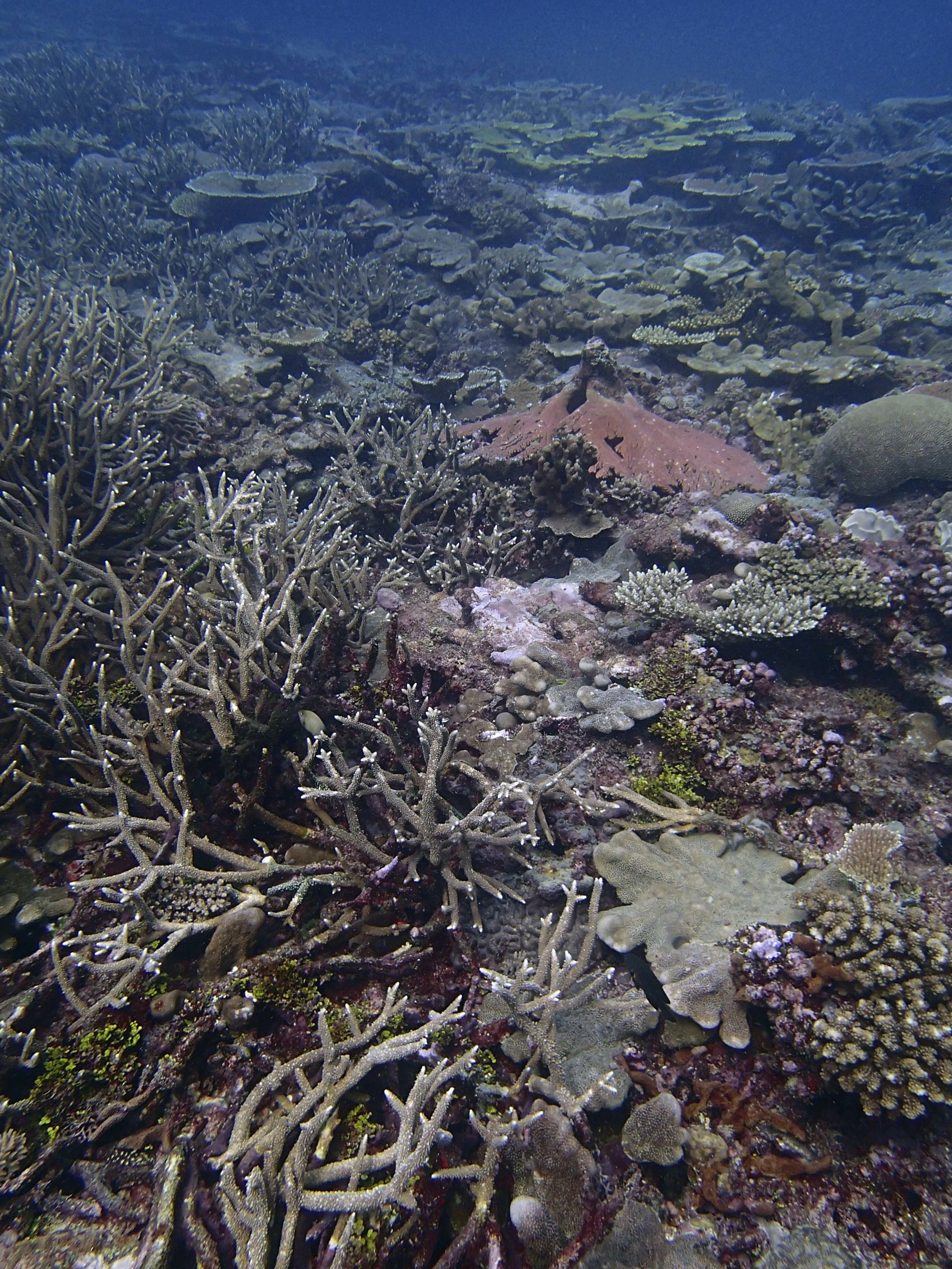
I have posted some of my favorite photos below. For all pictures (hosted on my OneDrive account), here are the October and November ones. Here is the field report from LOF. GPS coordinates of the sites and environmental data (temperature, salinity, reef types, etc.) are also available for download (see hyperlinks above). The “best of” are also on my Adobe Portfolio.
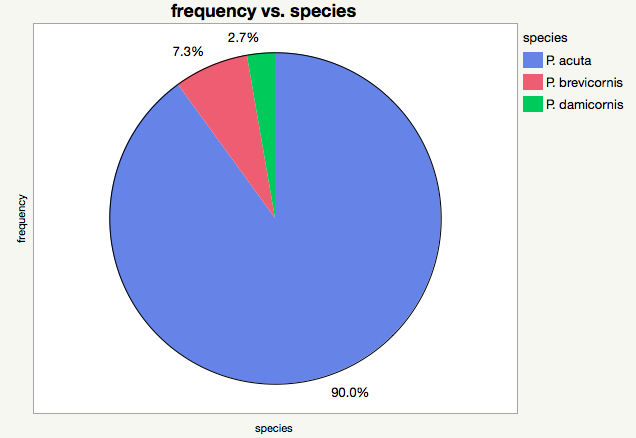
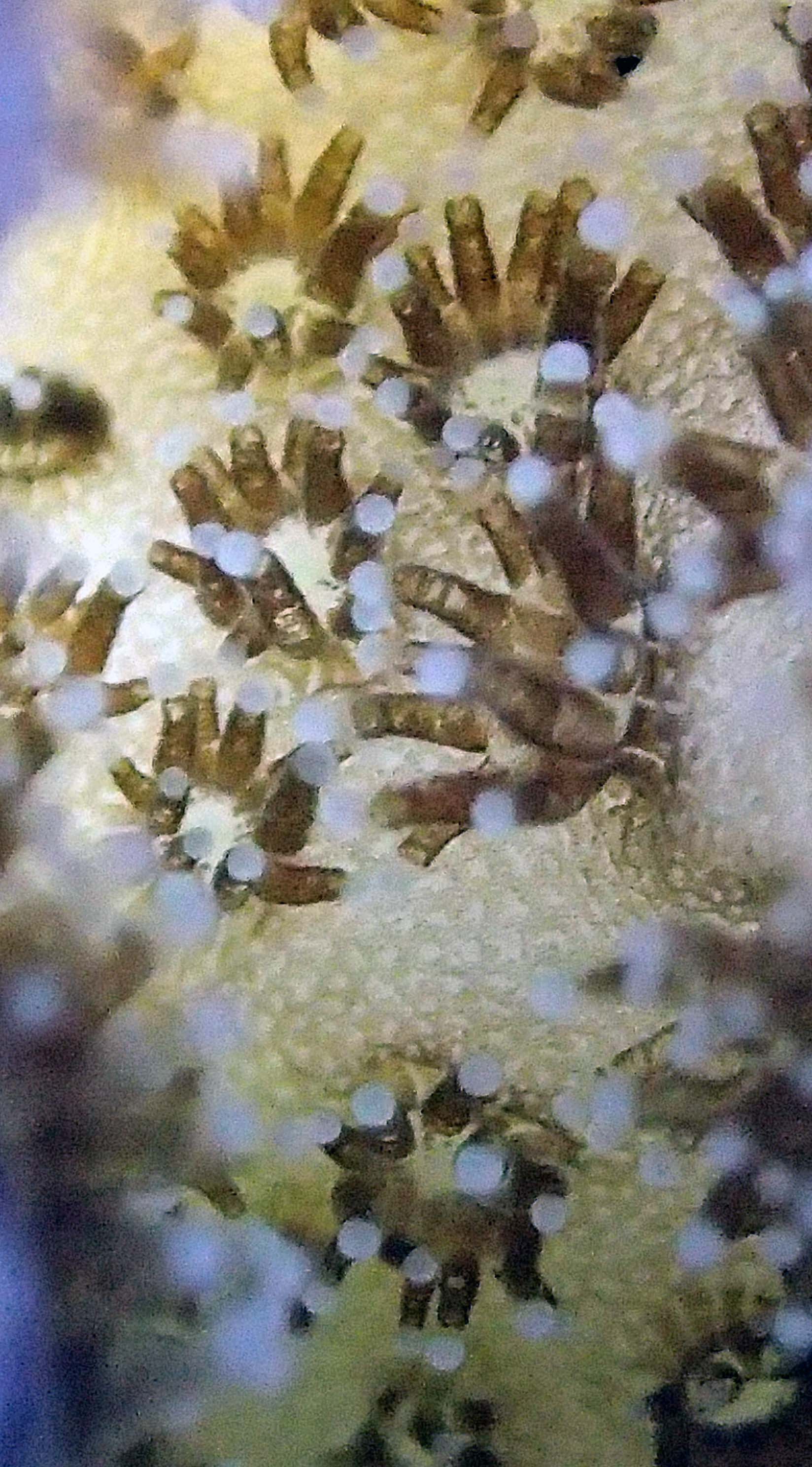
Nearly all sampled colonies were P. acuta (and not P. damicornis). Ben Wainwright of the Reef Ecology Lab of the National University of Singapore annalyzed the microbial communities of ~100 of these samples (including their dinoflagellate endosymbiont assemblages), with the article hopefully to be published in 2026.
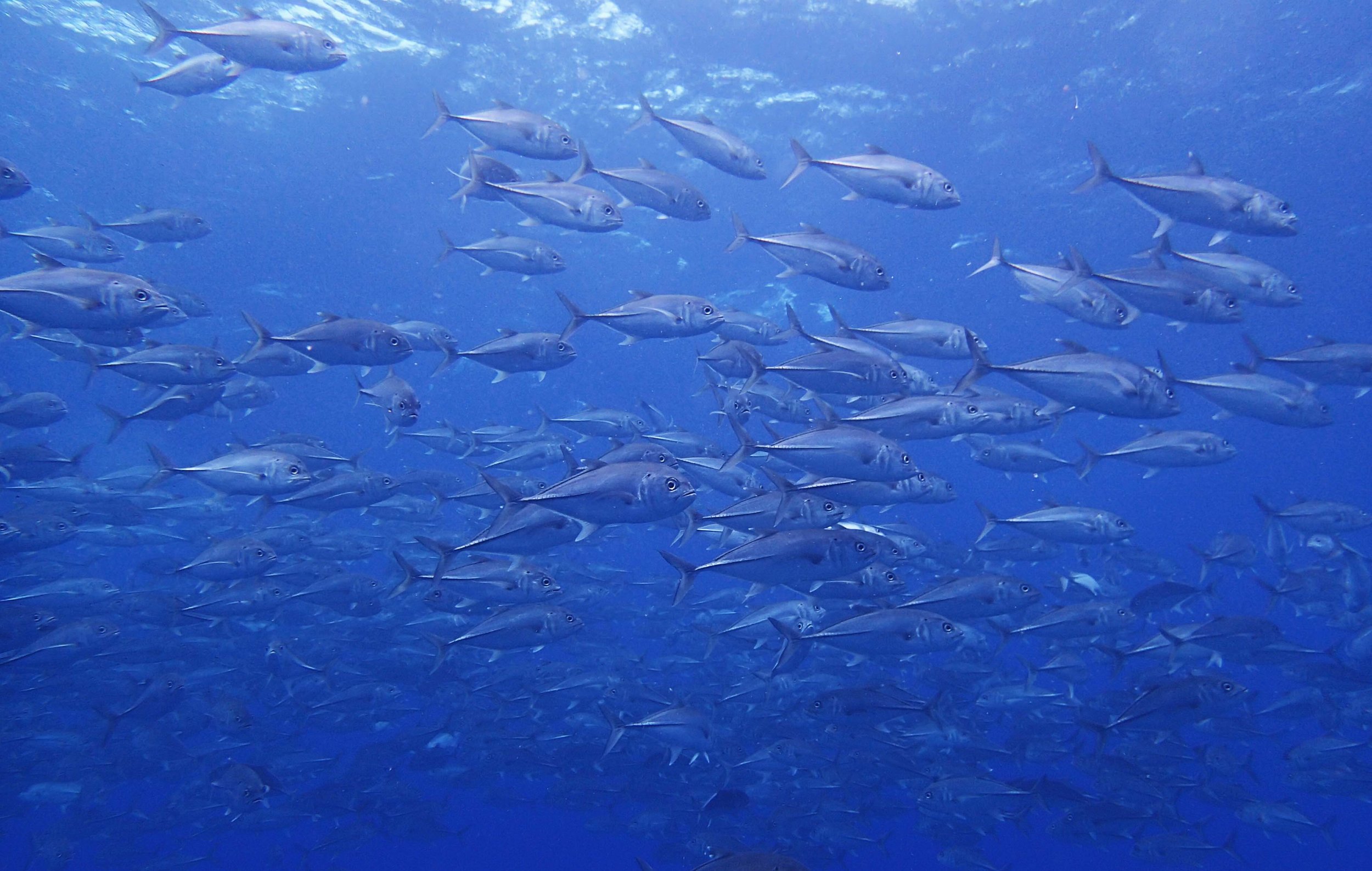
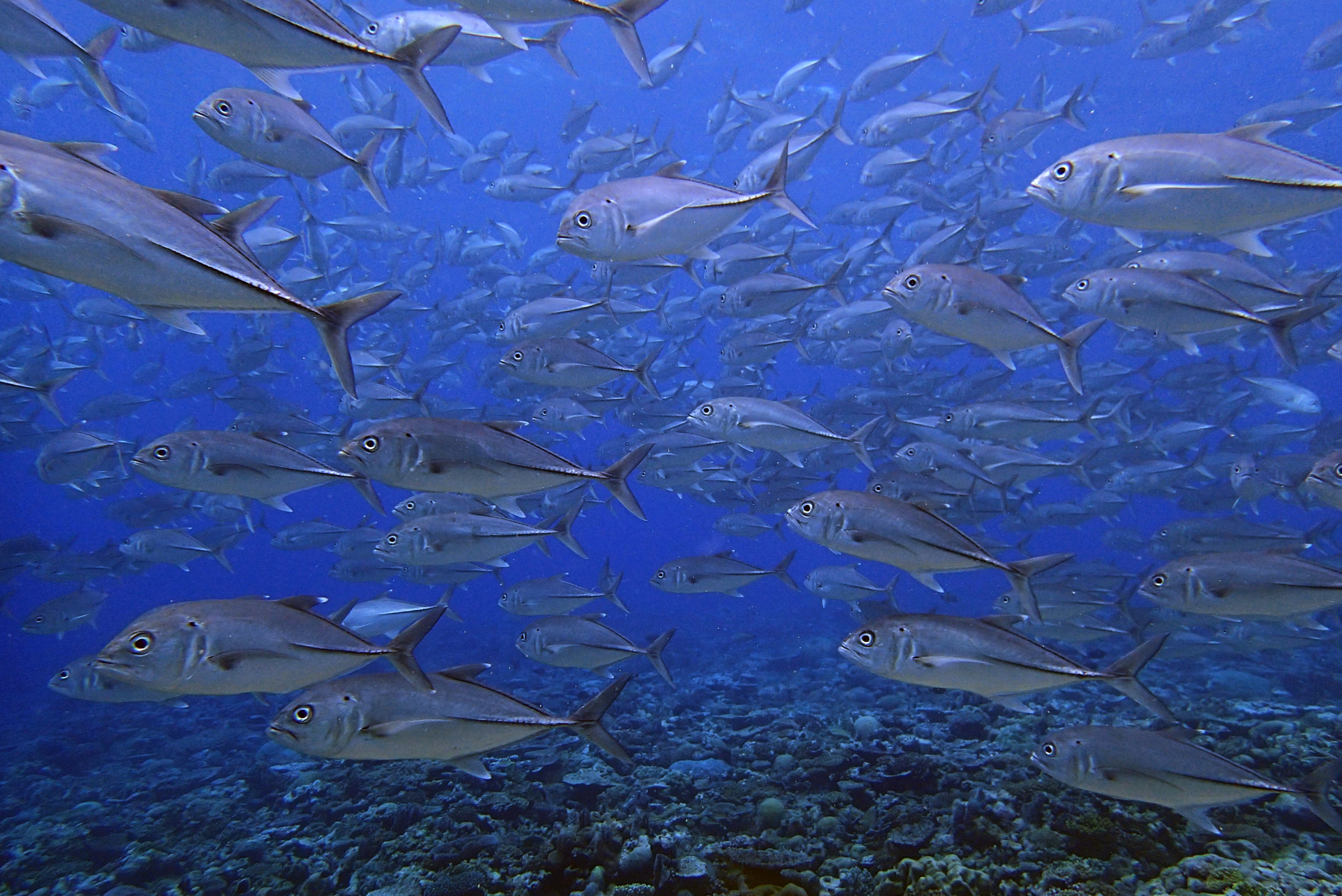
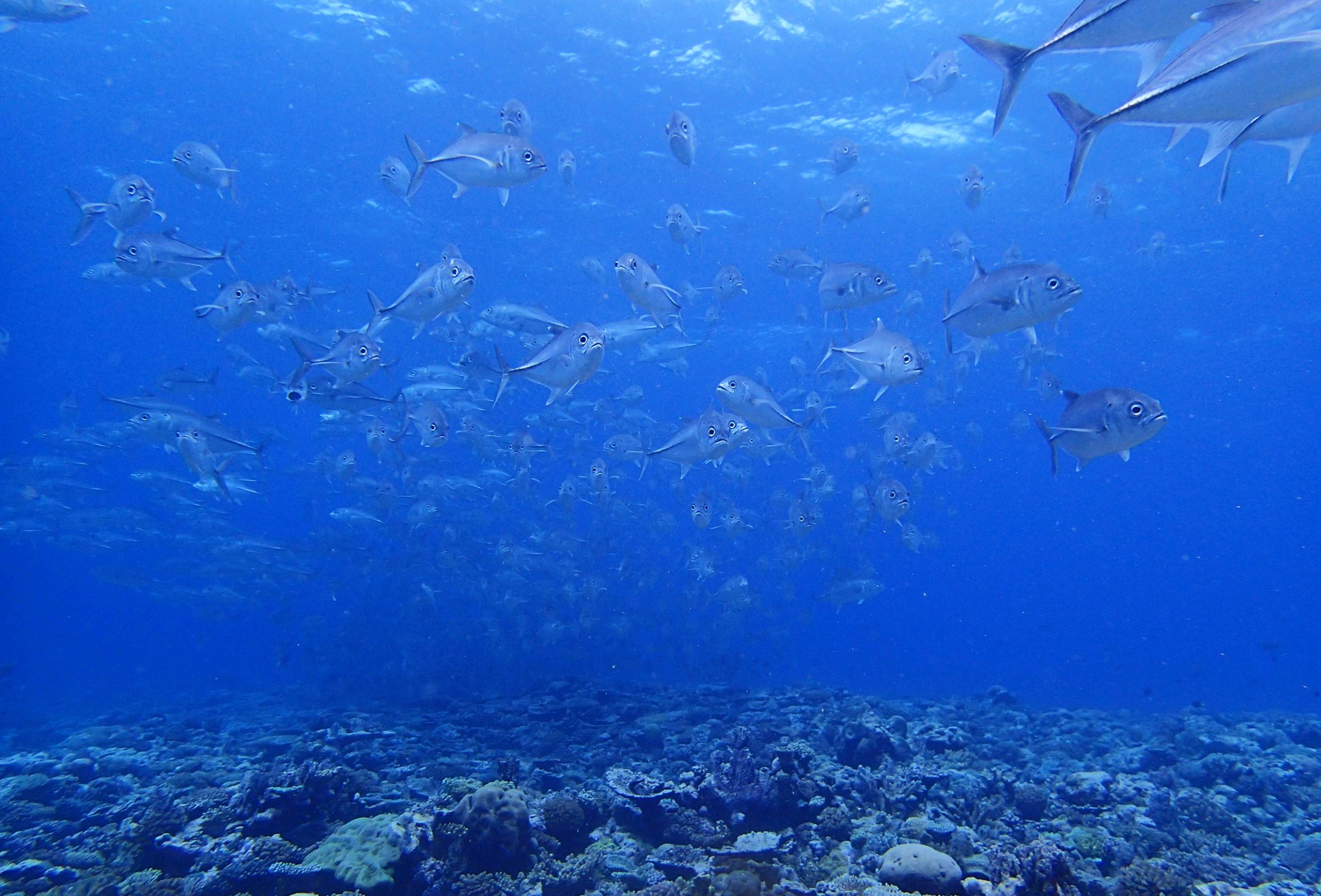
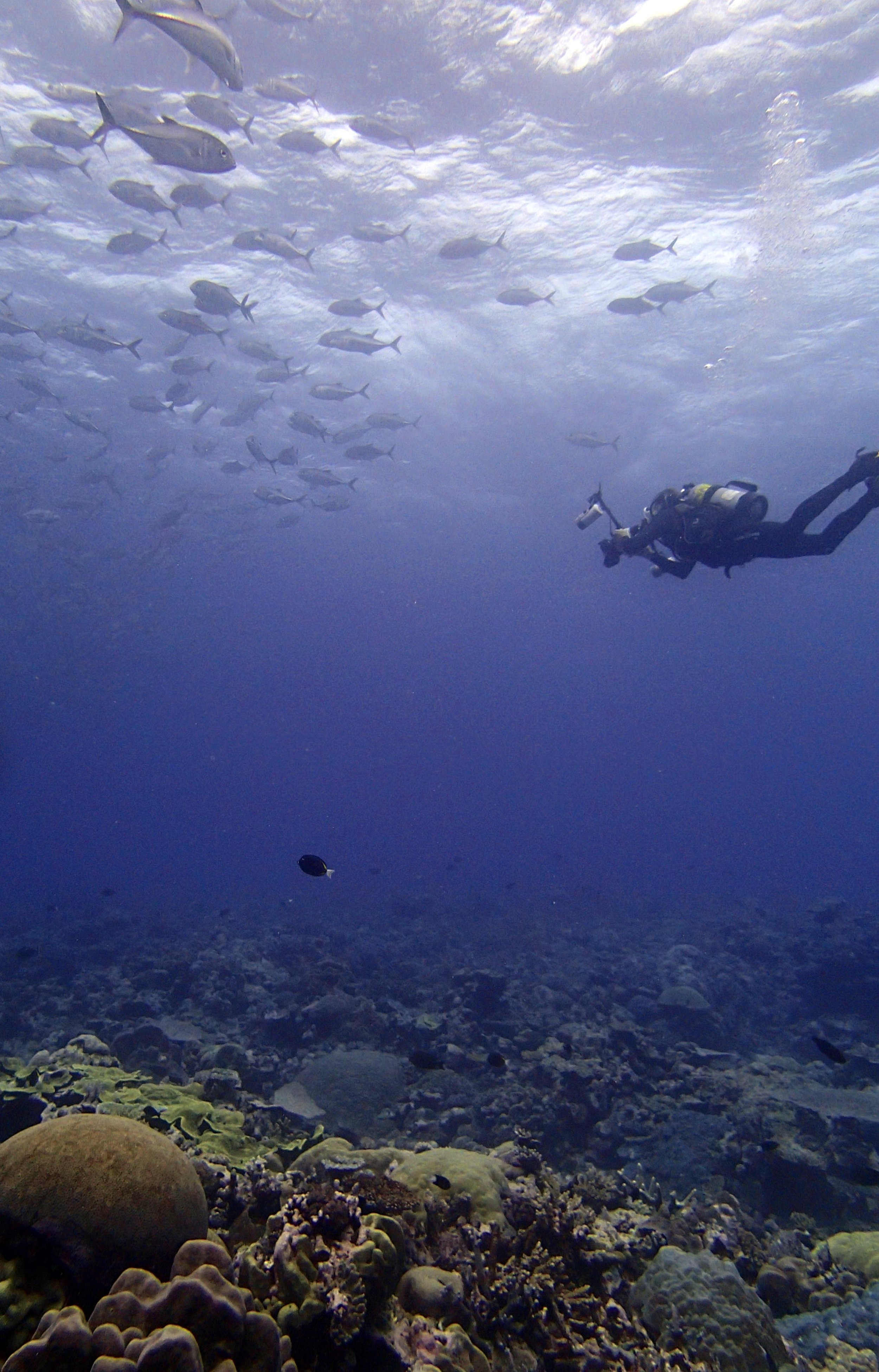
Best of Solomon Islands