Pocillopora damicornis* short-term temperature experiment #2
*Note that in the article, we refer to the coral as “Pocillopora damicornis” when in fact its mitochondrial genome was somewhere between that of P. damicornis and the closely related Pocillopora acuta, meaning it’s probably a local hybrid.
Take home message: Taiwanese reef corals can survive daytime heat spikes up to 32°C if nights cool down—but constant warming pushes them past the brink.
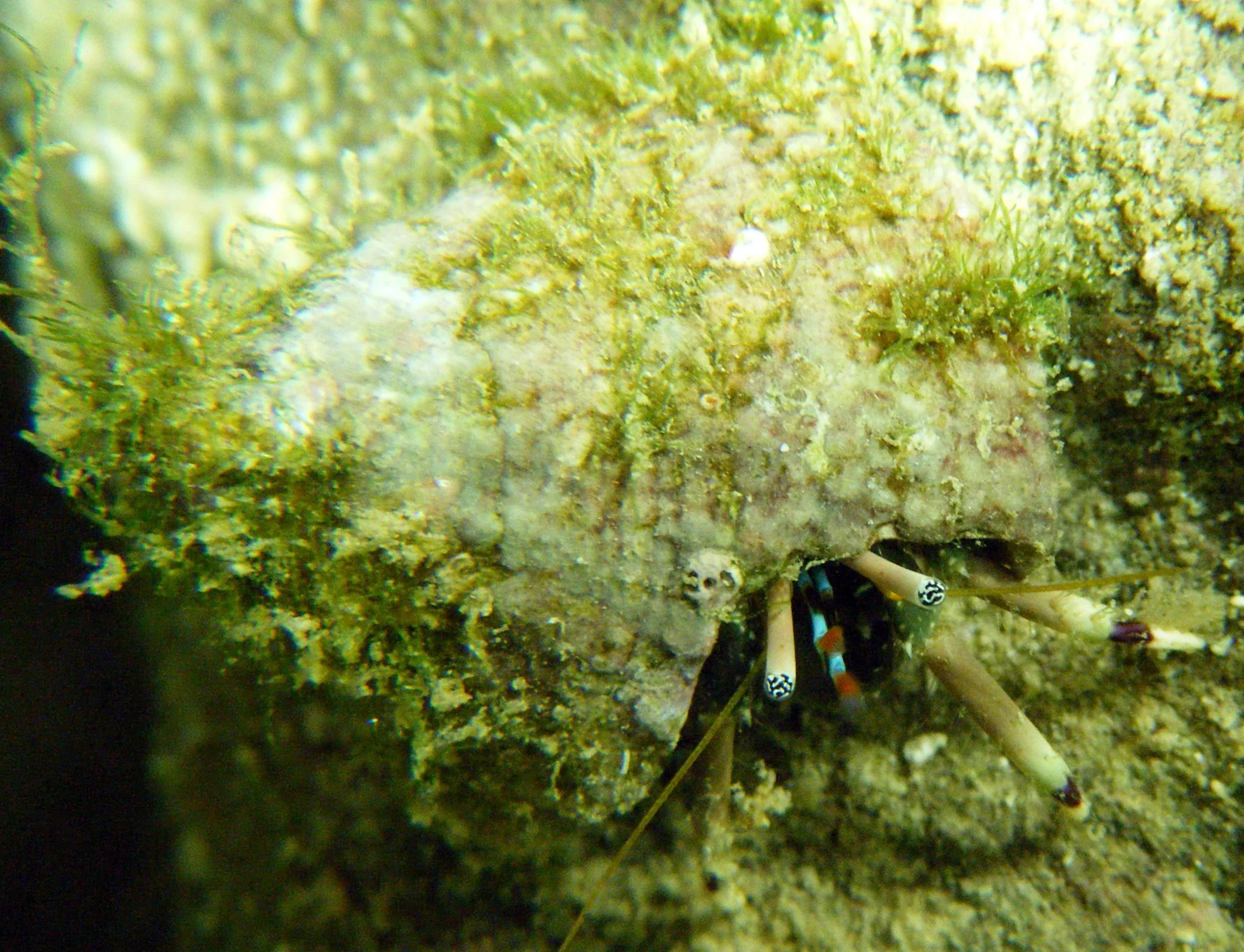
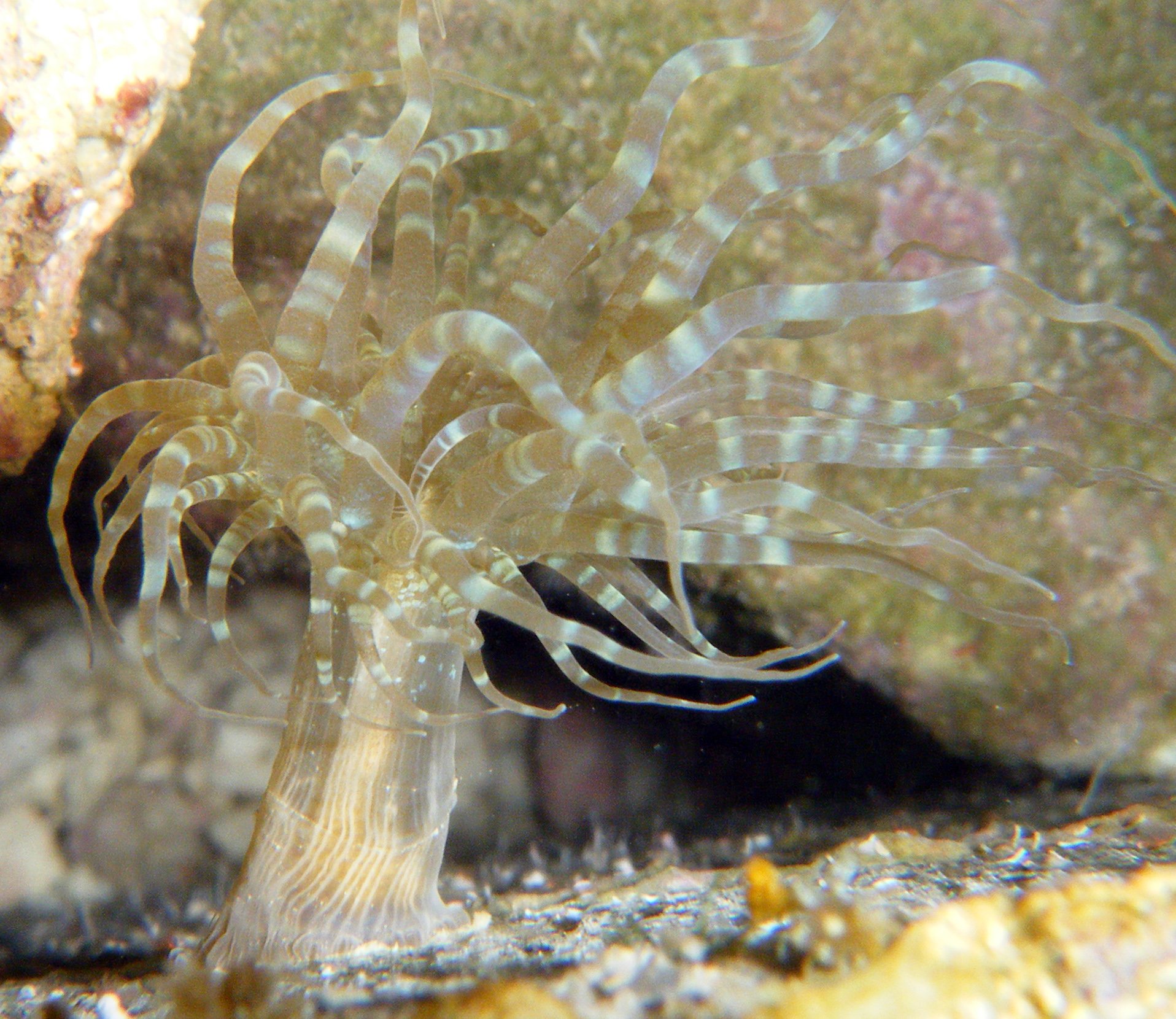
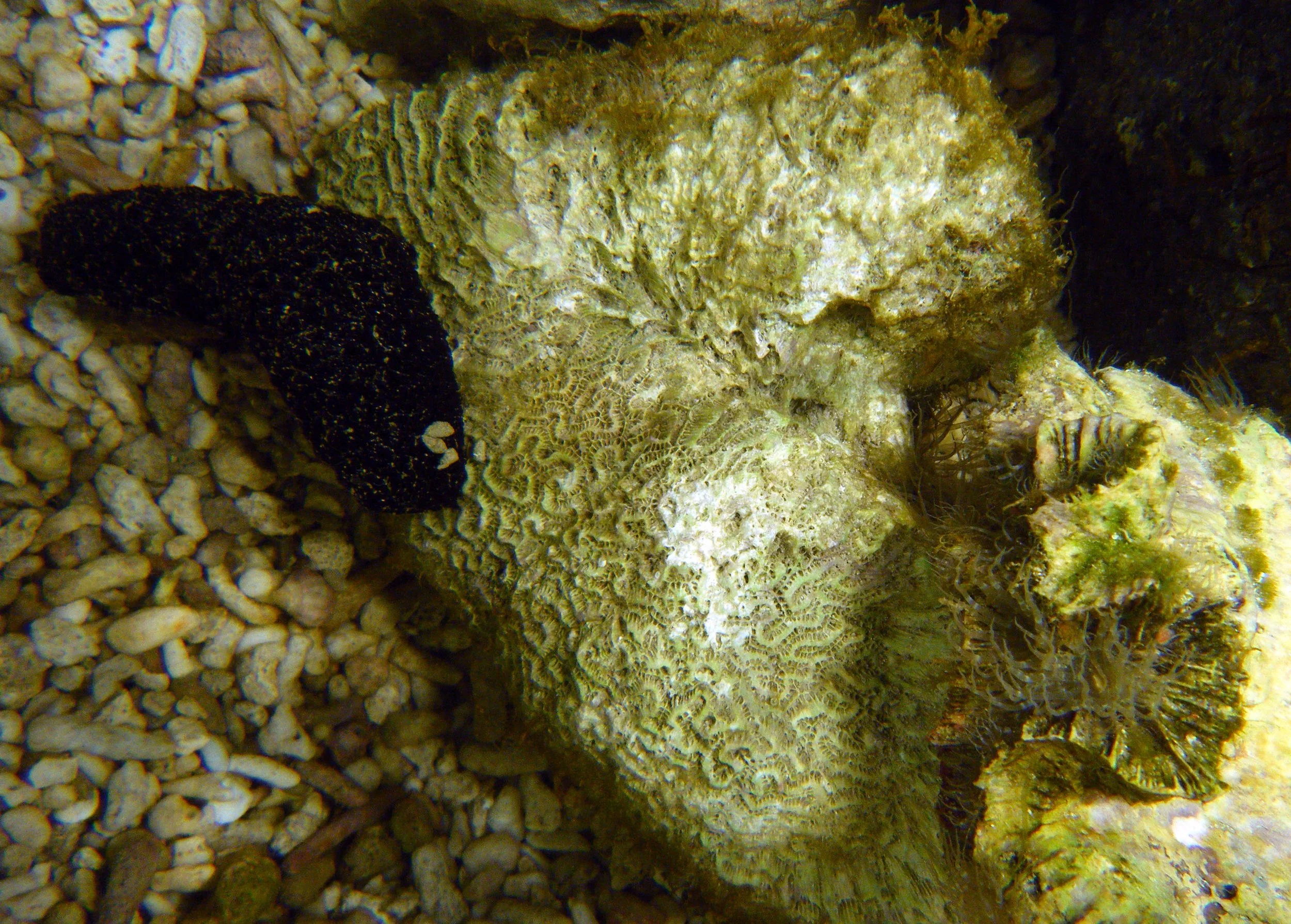
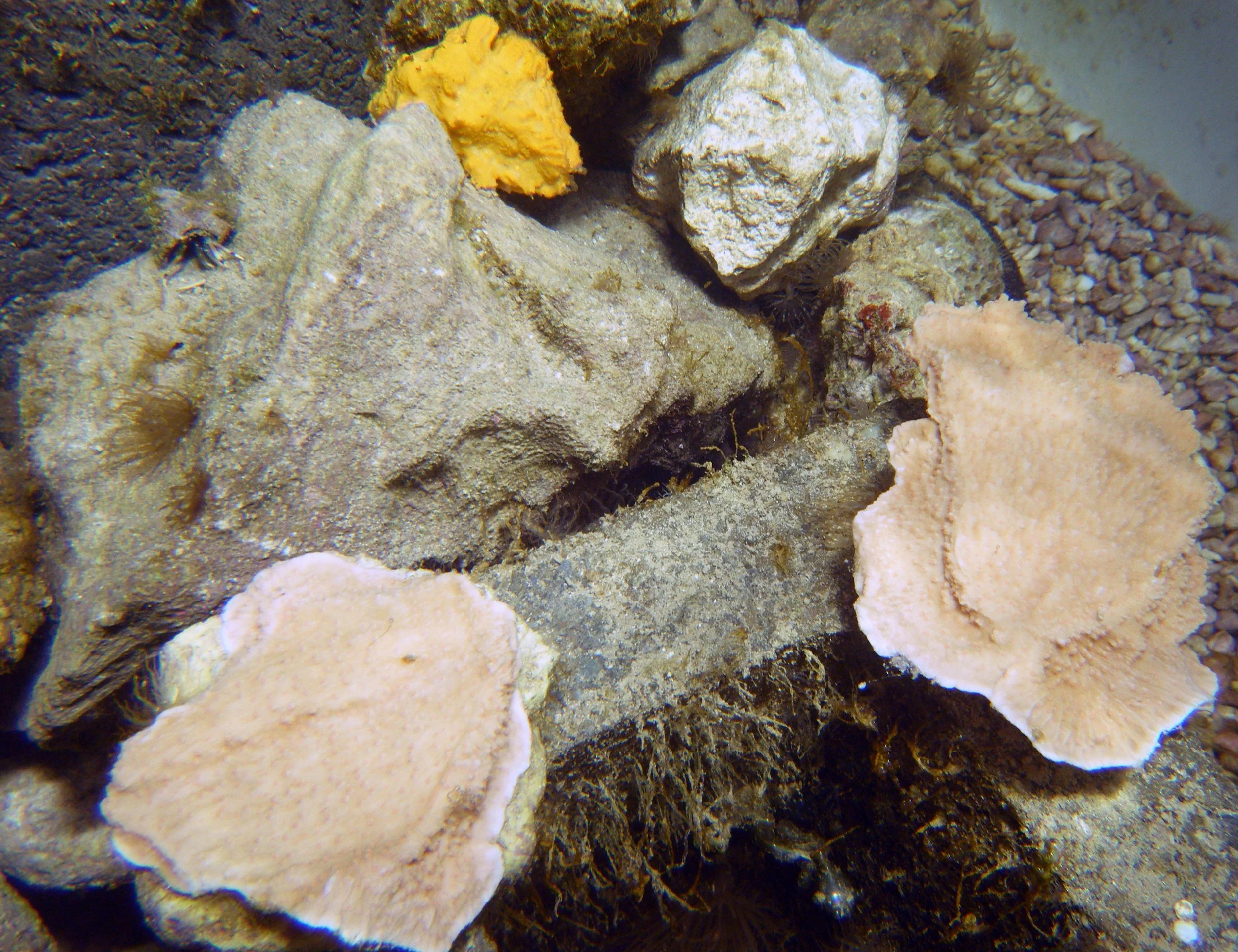
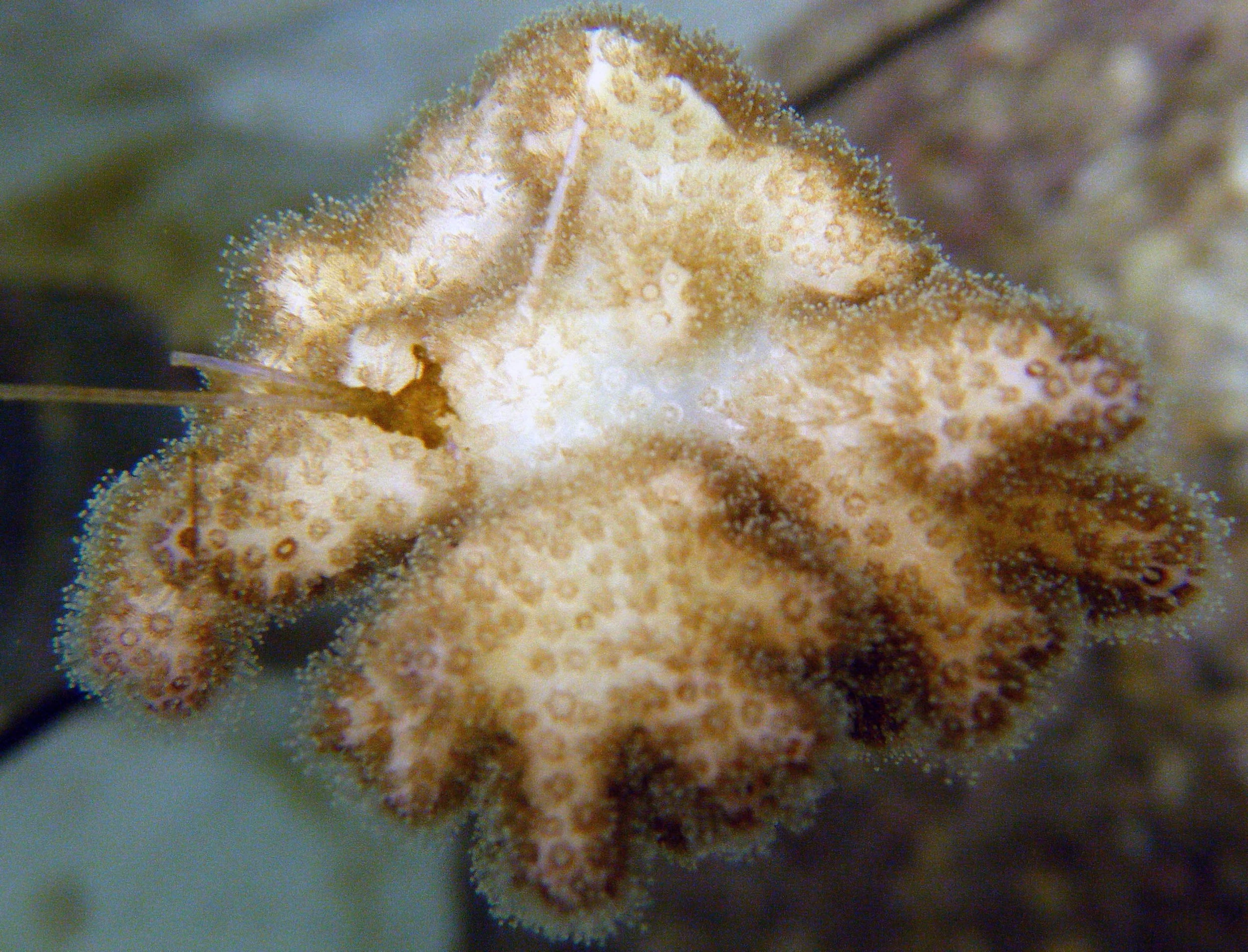
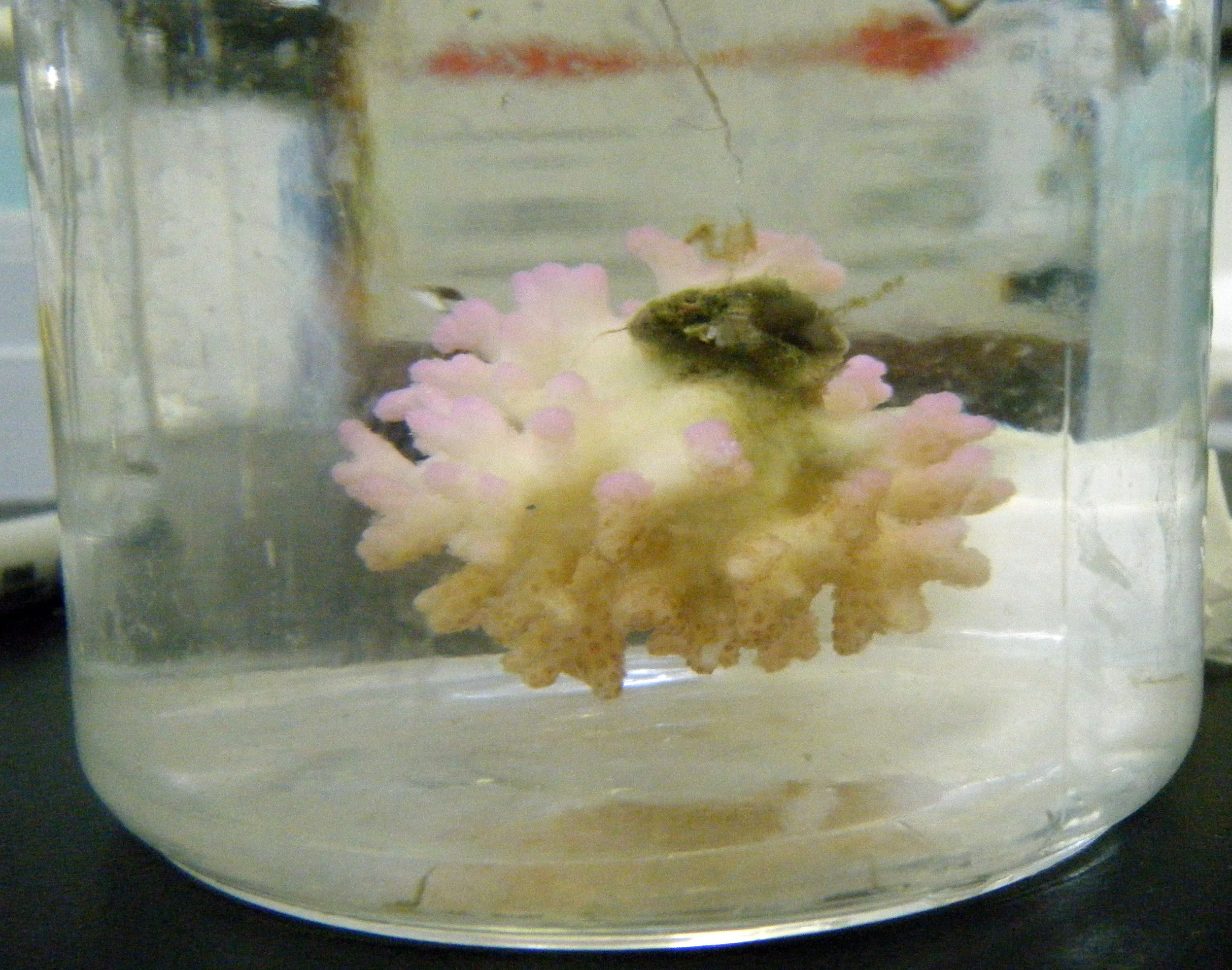
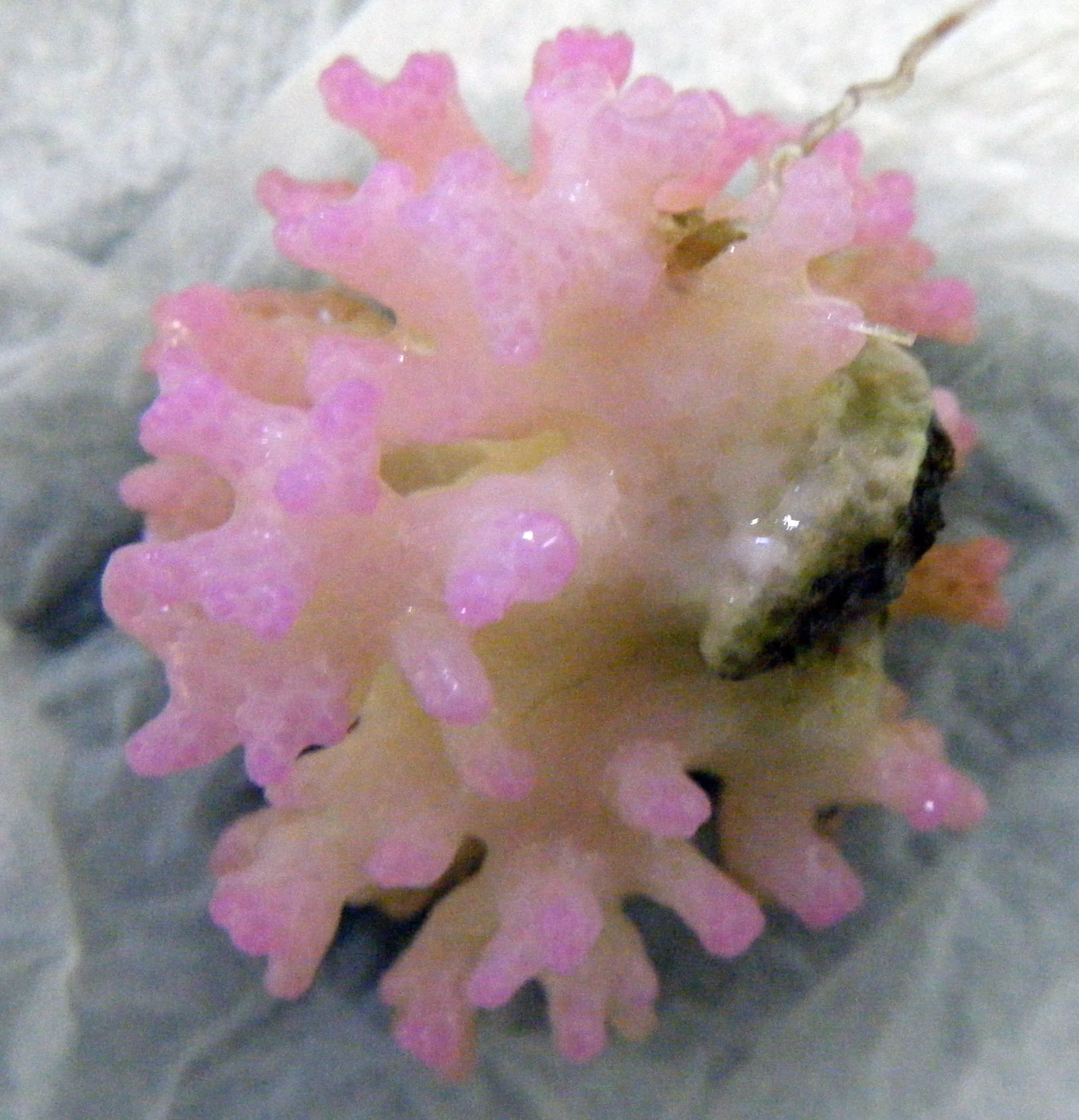
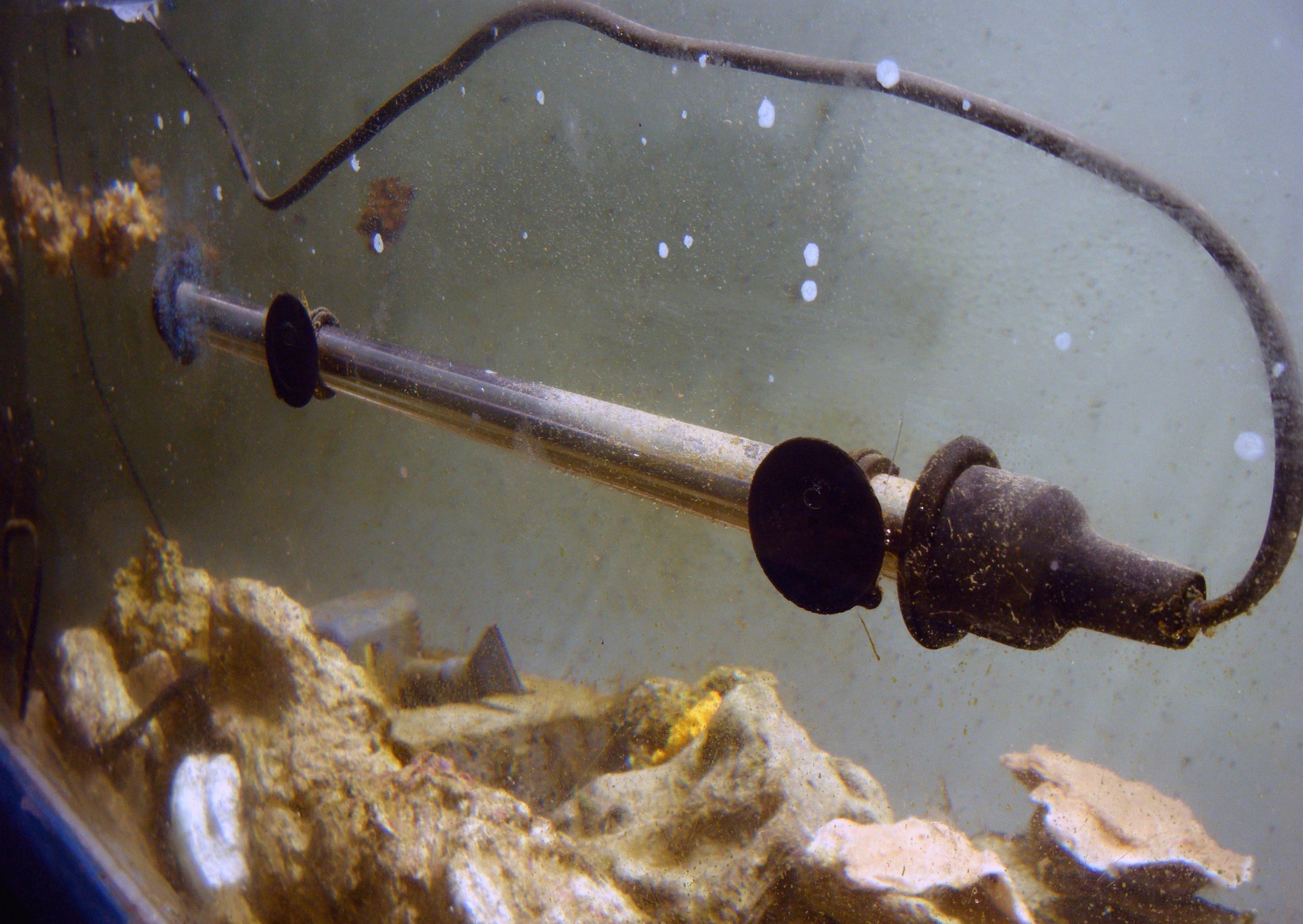
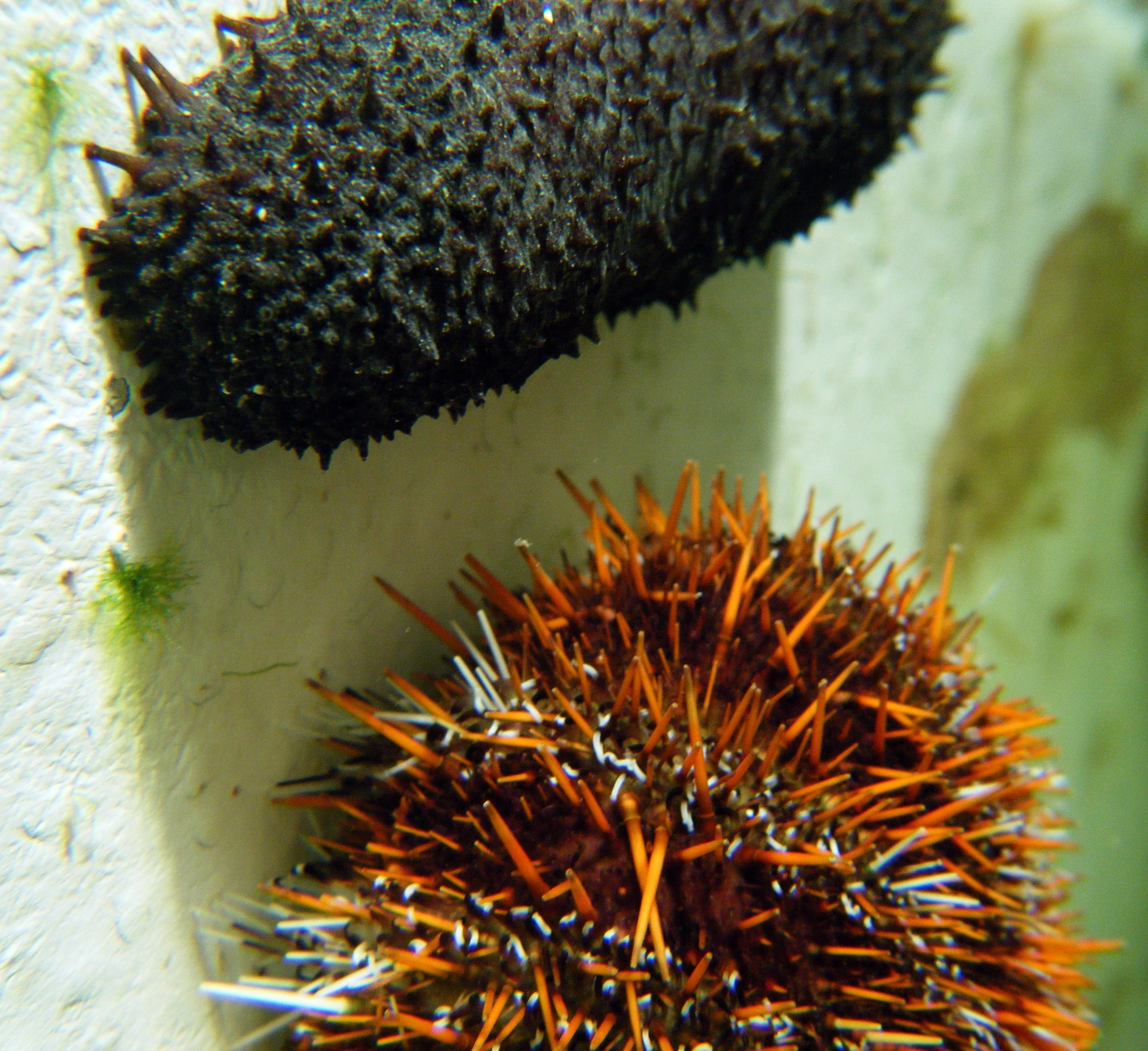
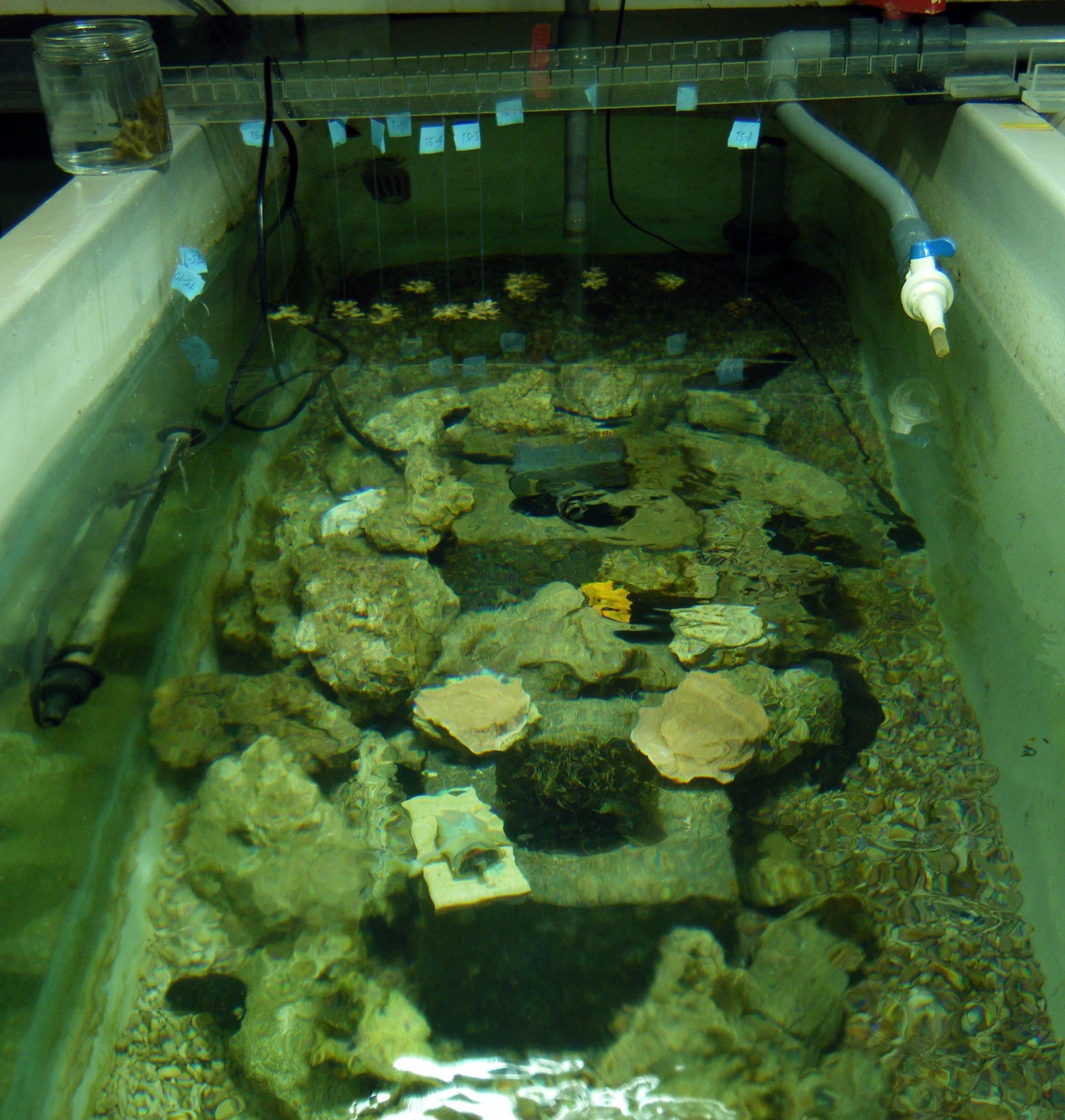
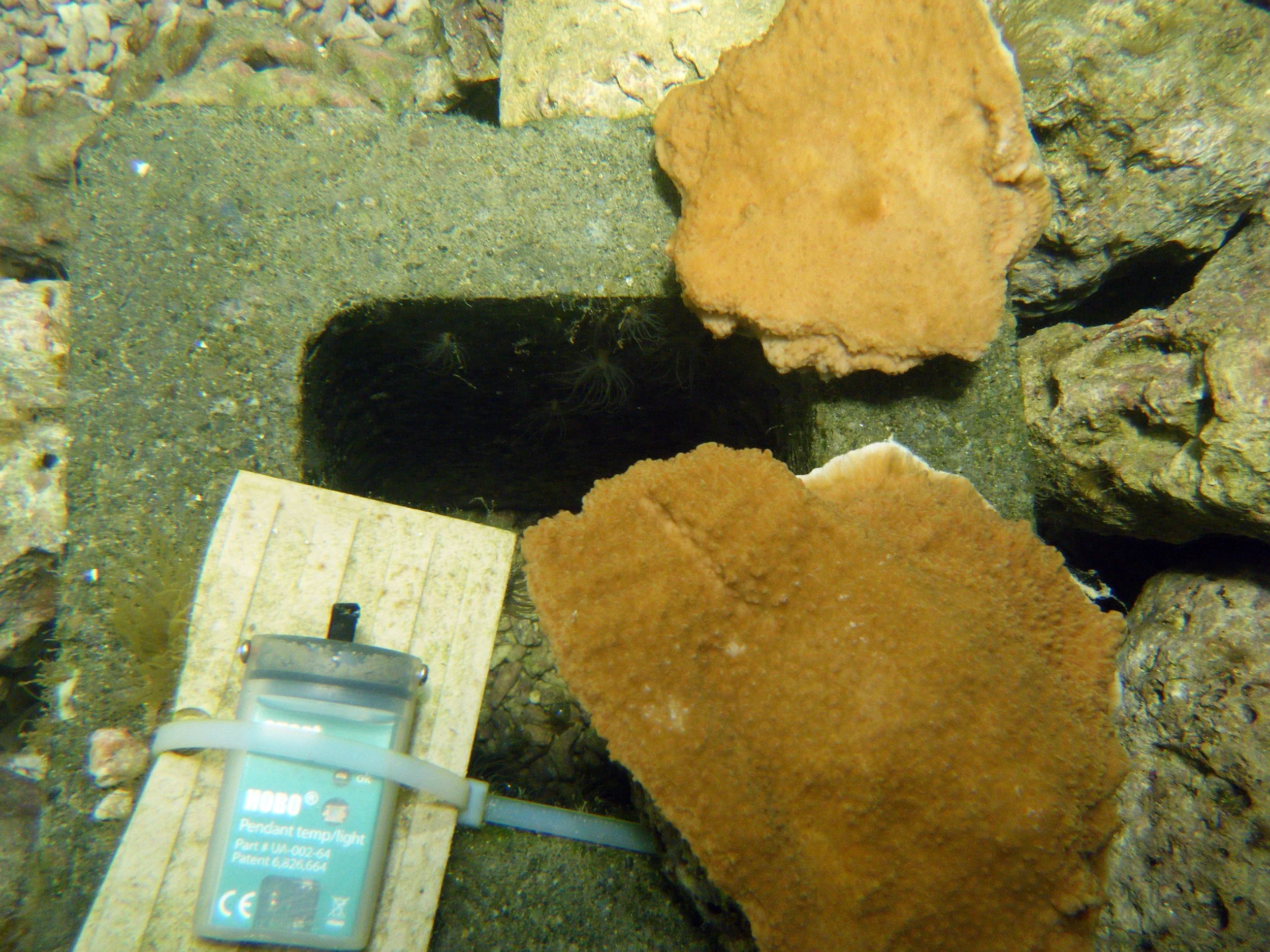
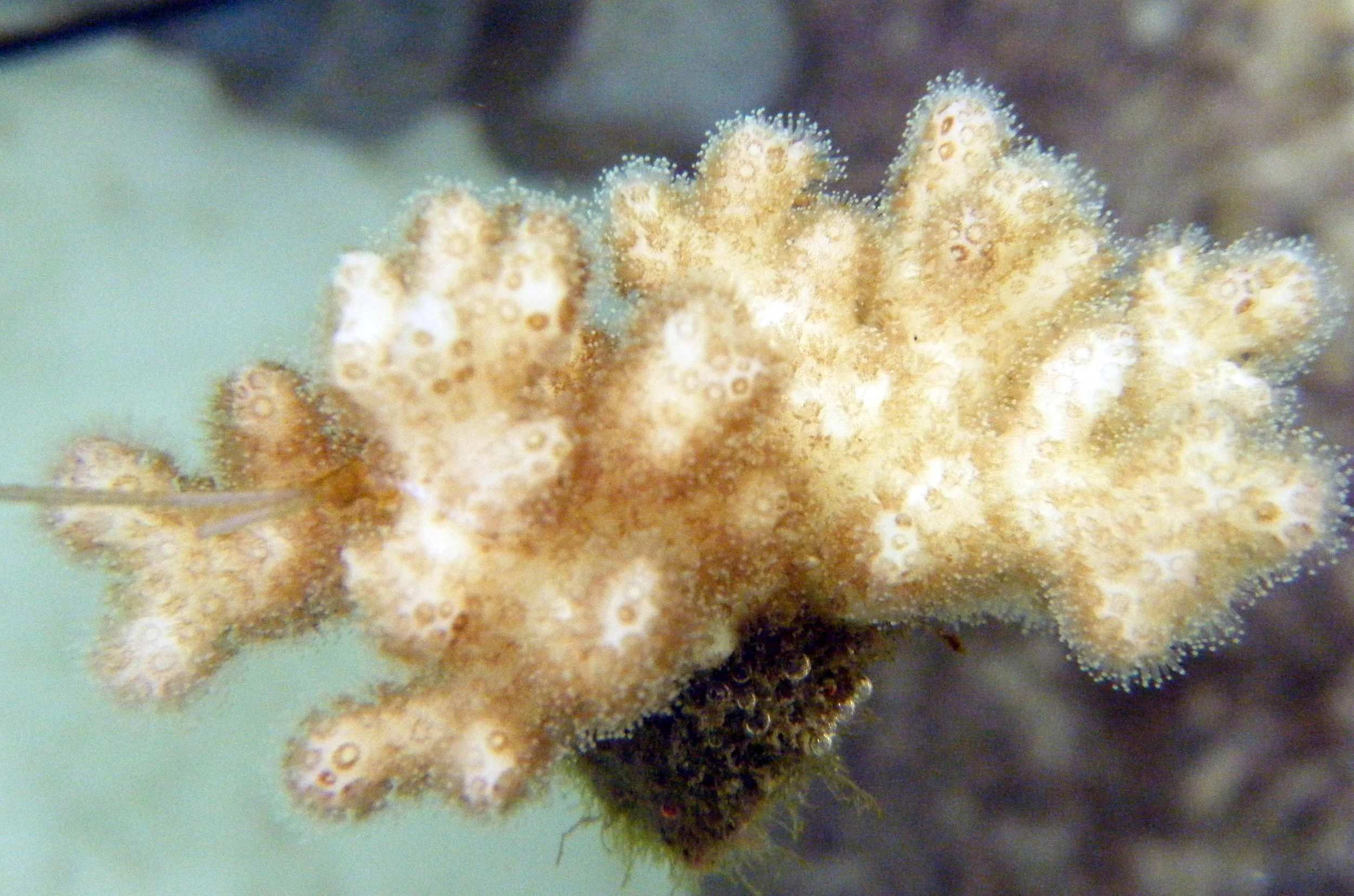
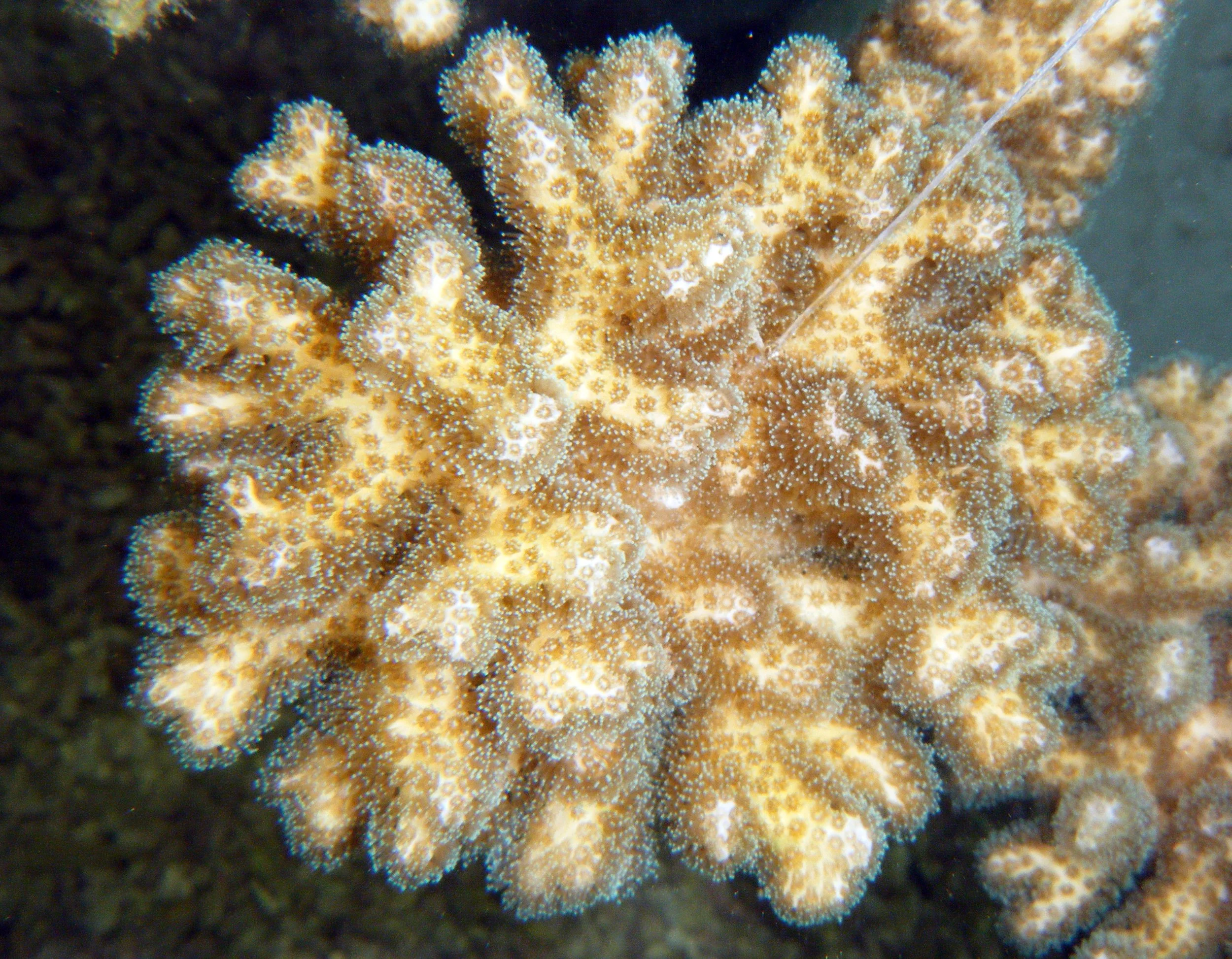
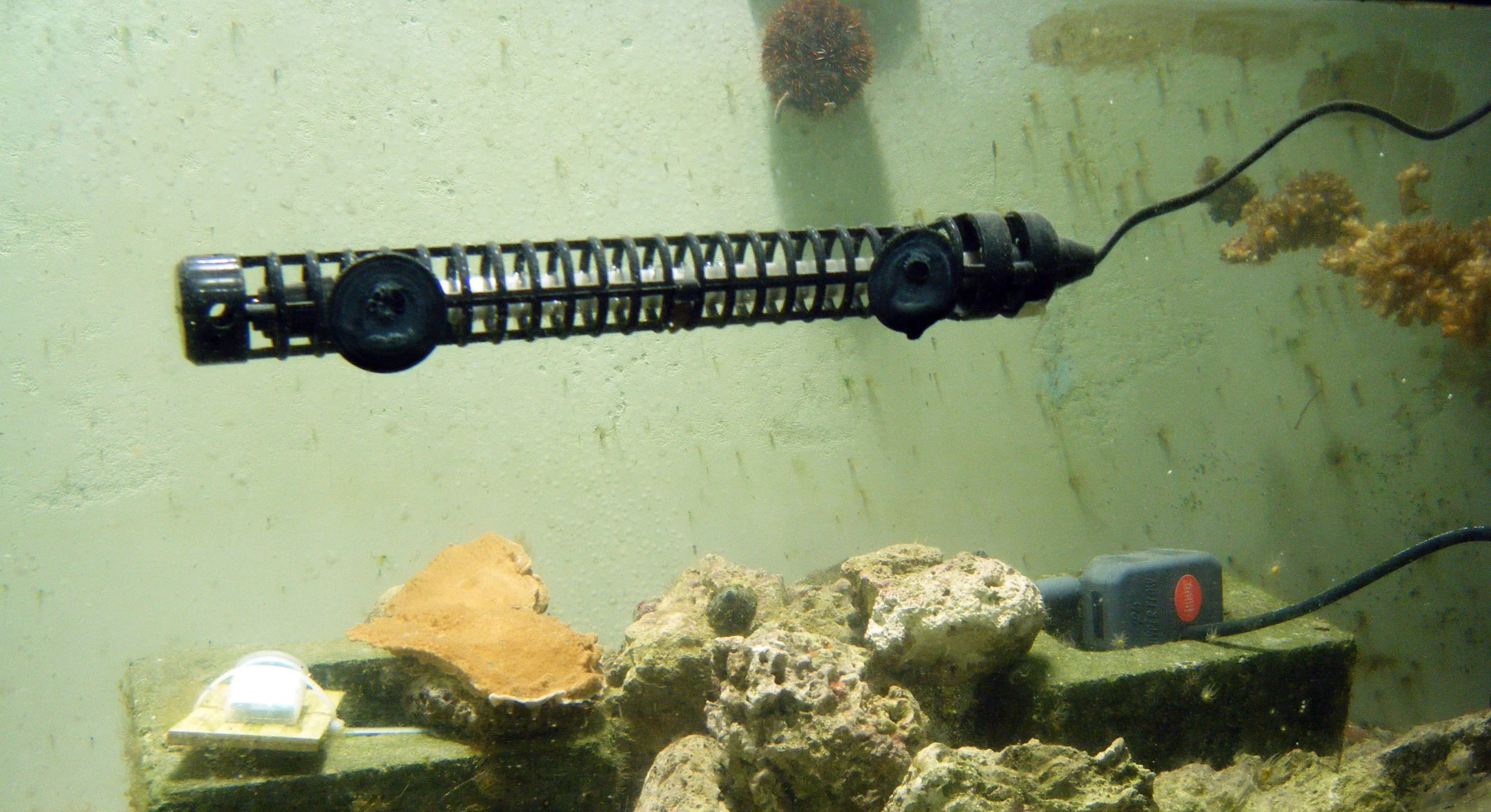
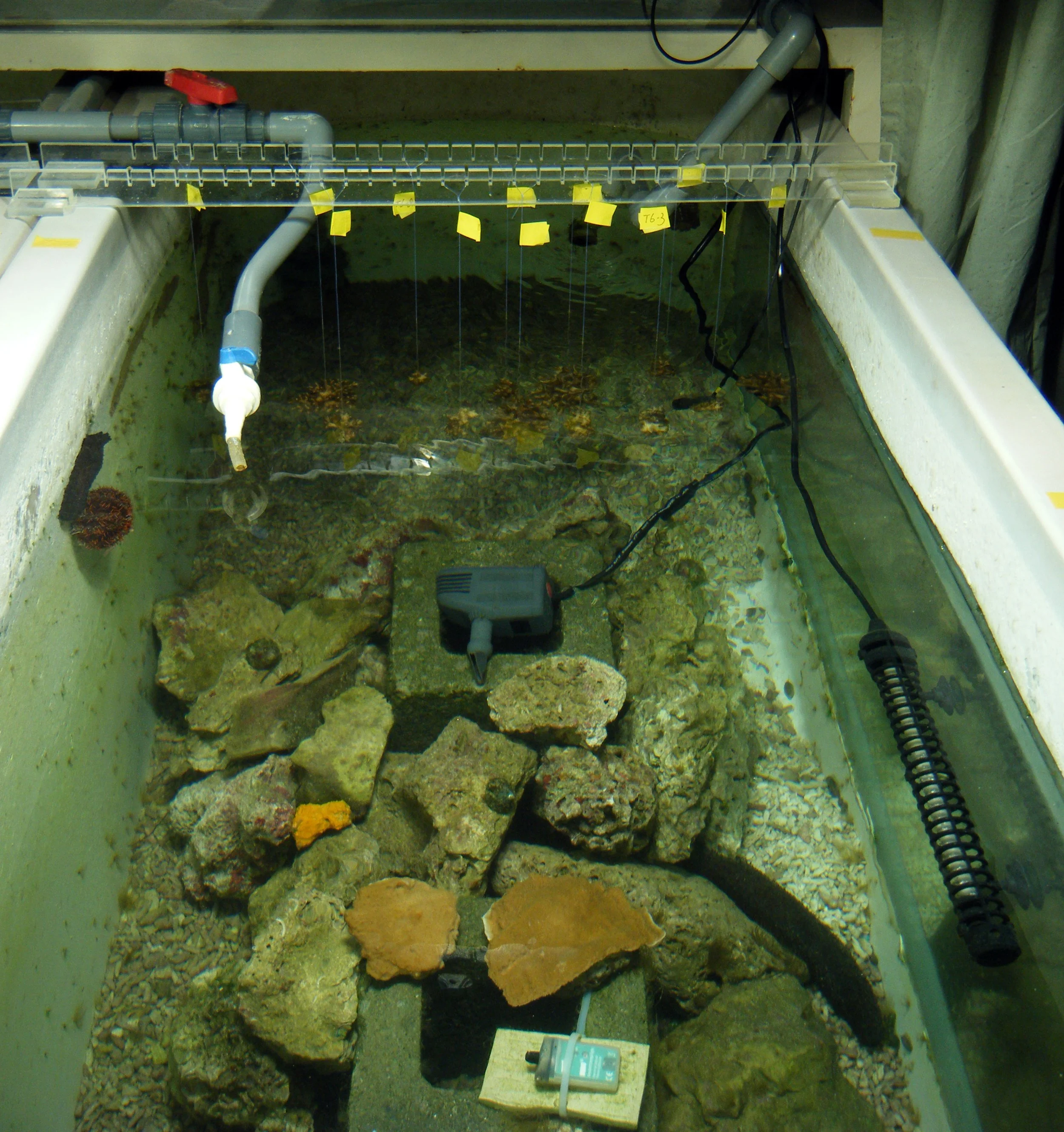
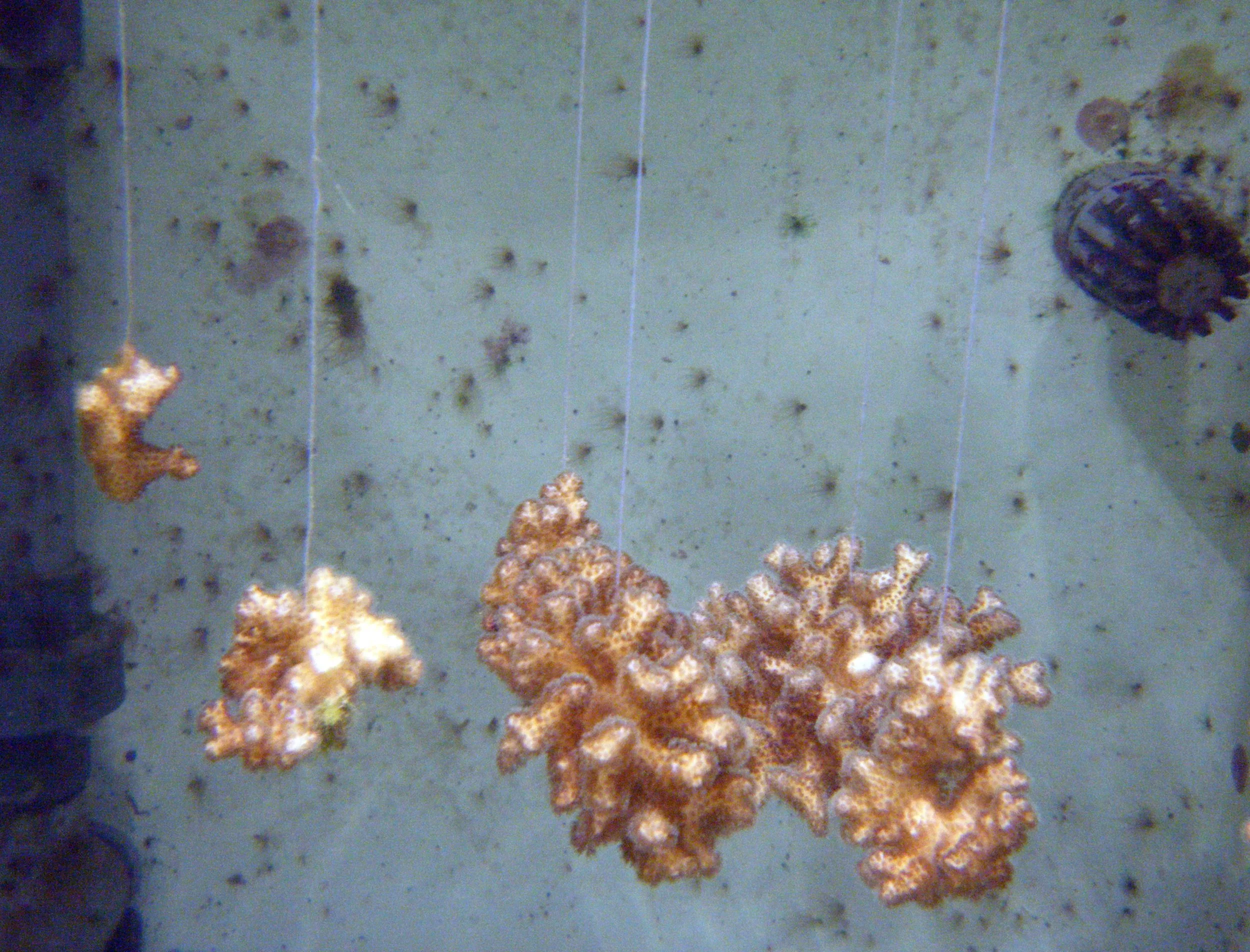
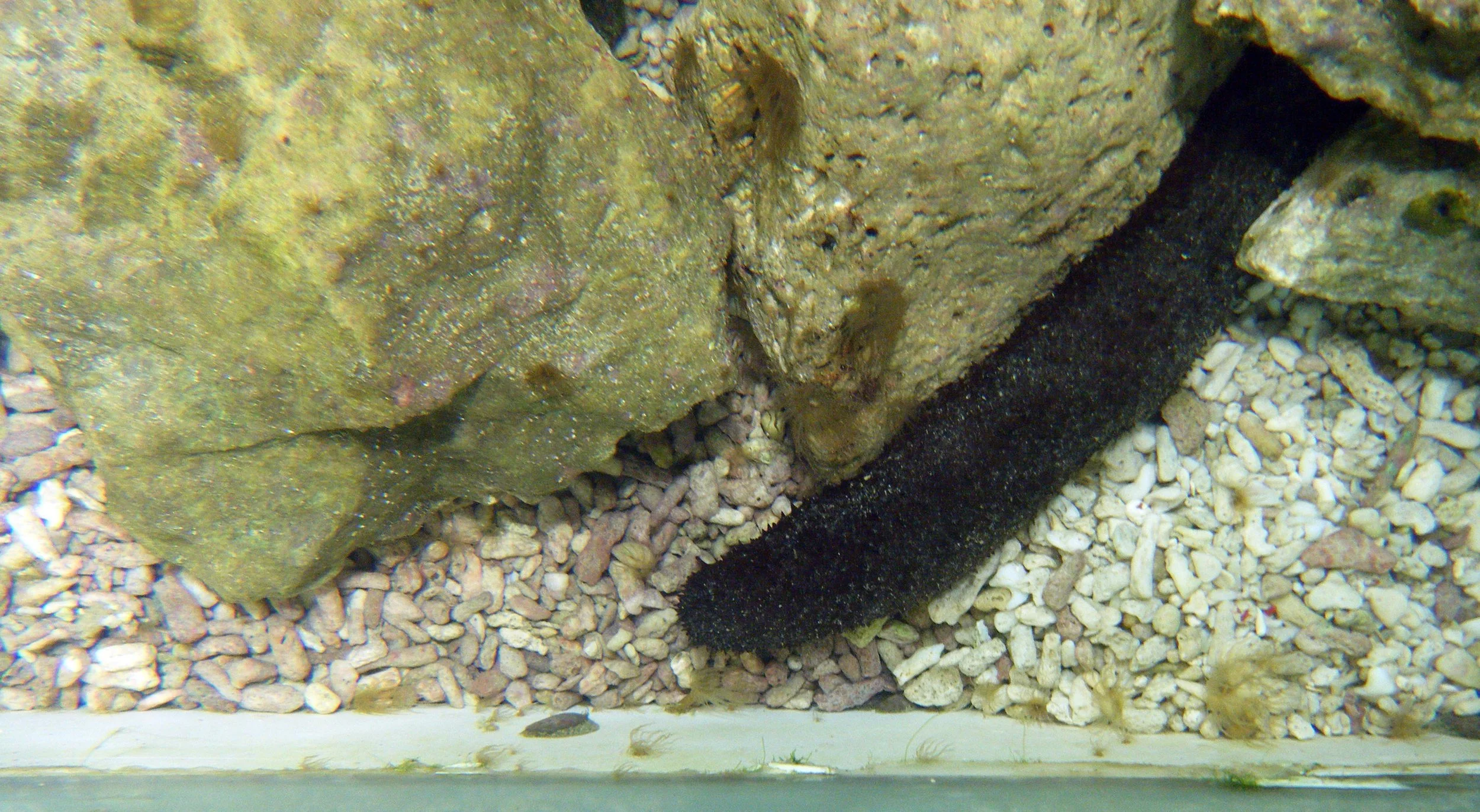
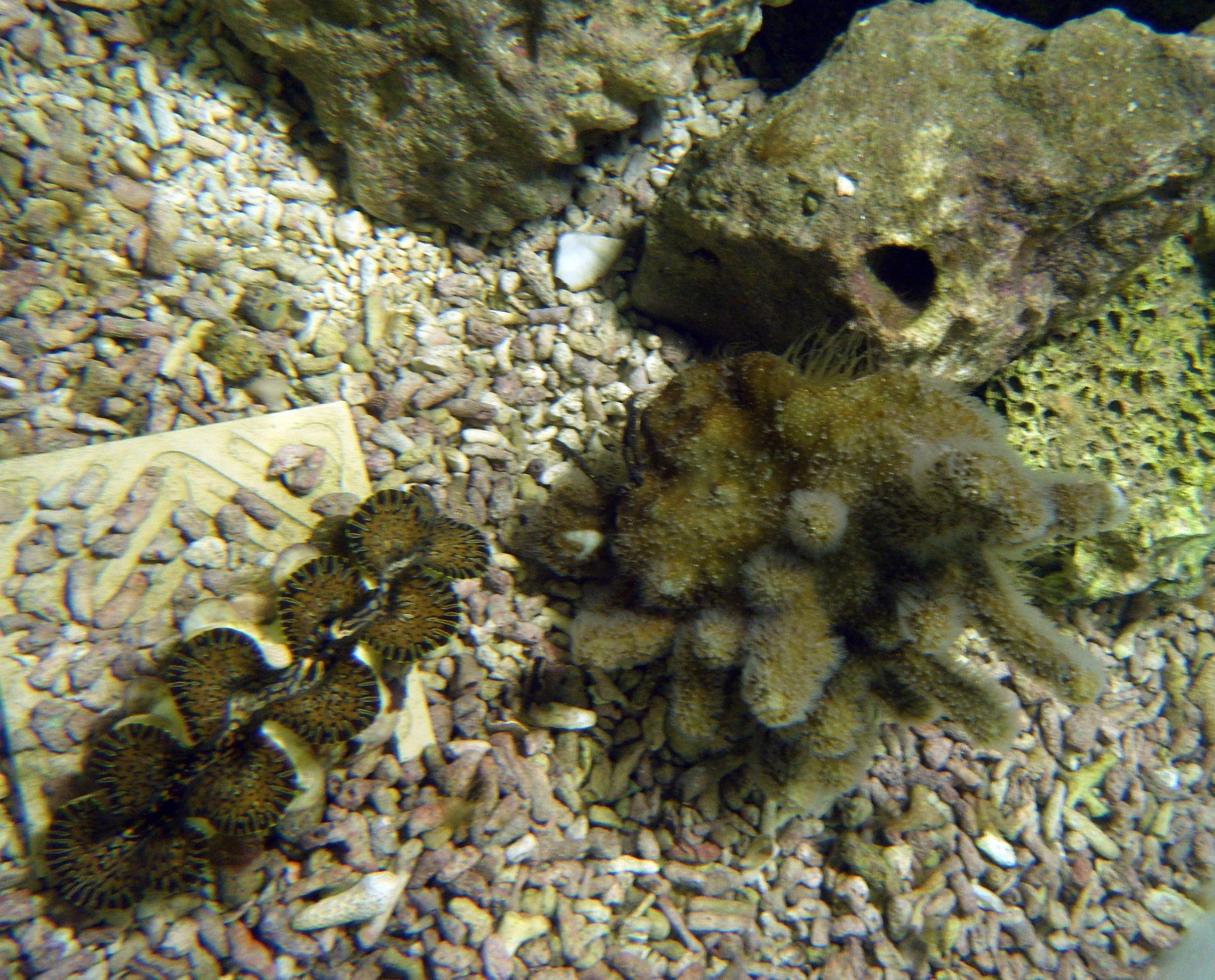
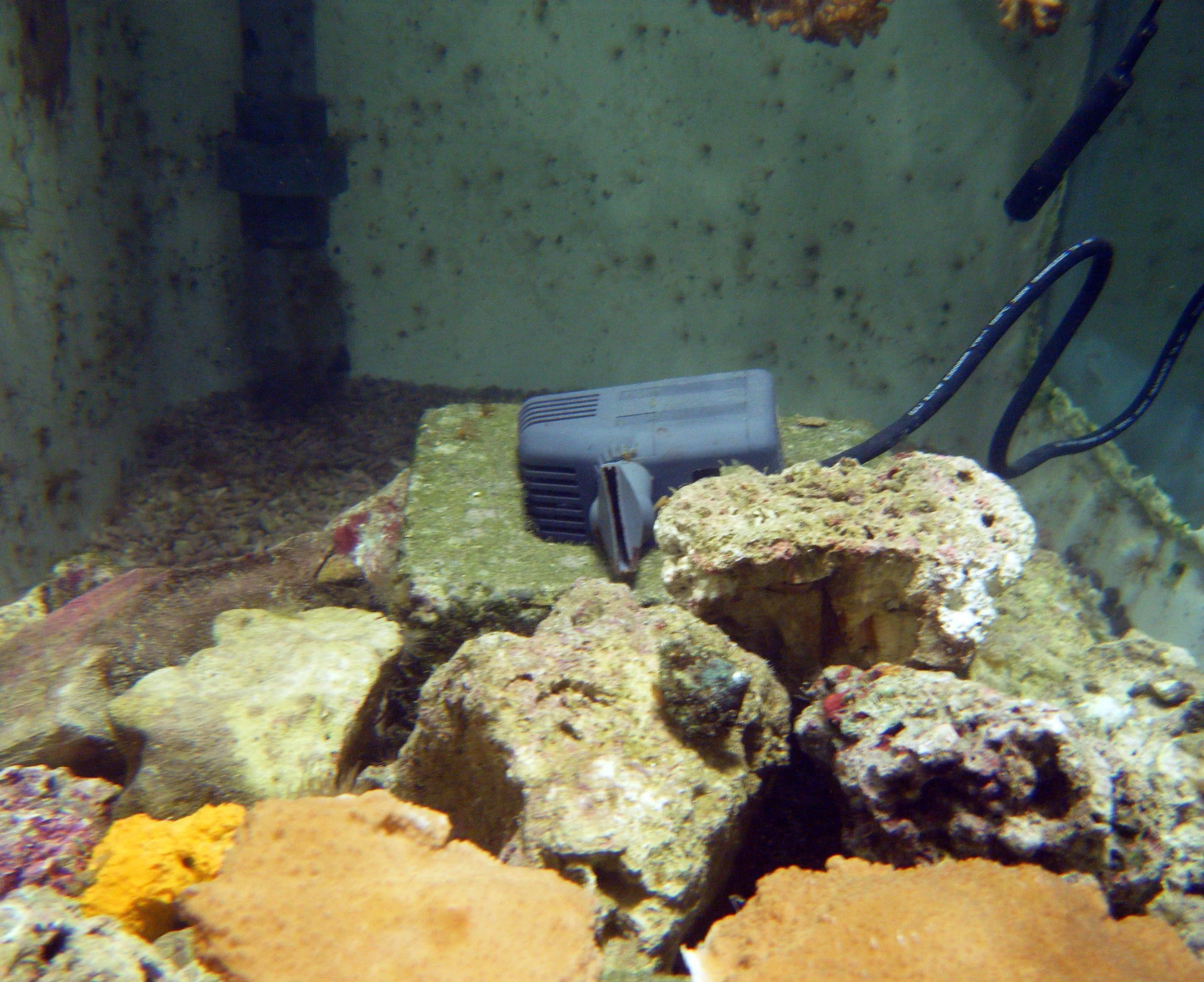
For this article, we used coral reef mesocosms since they represent a sort of “happy medium” between totally unrealistic glass tanks and actual coral reefs (where experimental manipulation is virtually impossible except at miniscule scales). Here are some photos:
I am notoriously detail-oriented and bad at conveying complex ideas. Claude (Anthropic) to the rescue! I asked this AI in mid-2026 to summarize the findings in a manner in which a lay person could understand.
Fig. 1: Mesocosm tank data.
When scientists talk about coral bleaching, they usually mean: the ocean got too hot, the coral turned white, and it died. But corals aren't quite that simple. This study asked a more nuanced question — does it matter how the heat arrives (Fig. 1)? Specifically, does coral fare better if temperatures cool down at night, even if daytime heat is intense? Anderson Mayfield and colleagues ran a series of controlled experiments in Taiwan's mesocosm facility, housing Pocillopora damicornis (a fast-growing branching coral common across the Indo-Pacific) in tanks where they could control temperature with precision, then watched what happened over three weeks.
The results were striking. When water temperatures ramped up to 32°C during the day but dropped back to a comfortable 27°C each night, the corals did fine — no bleaching, no deaths, no sign of distress at the molecular level (Fig. 2). But when a second group of corals was held at a continuous 31.5°C with no nightly reprieve, the outcome was catastrophic: three-quarters were bleached by day 14, and by day 21, roughly 80% had died even after the researchers returned the water to cooler temperatures. The damage was irreversible. Those extra 0.5°C and the absence of a nightly recovery window made the difference between a coral that acclimated and one that collapsed.
Fig. 2: Physiological data.
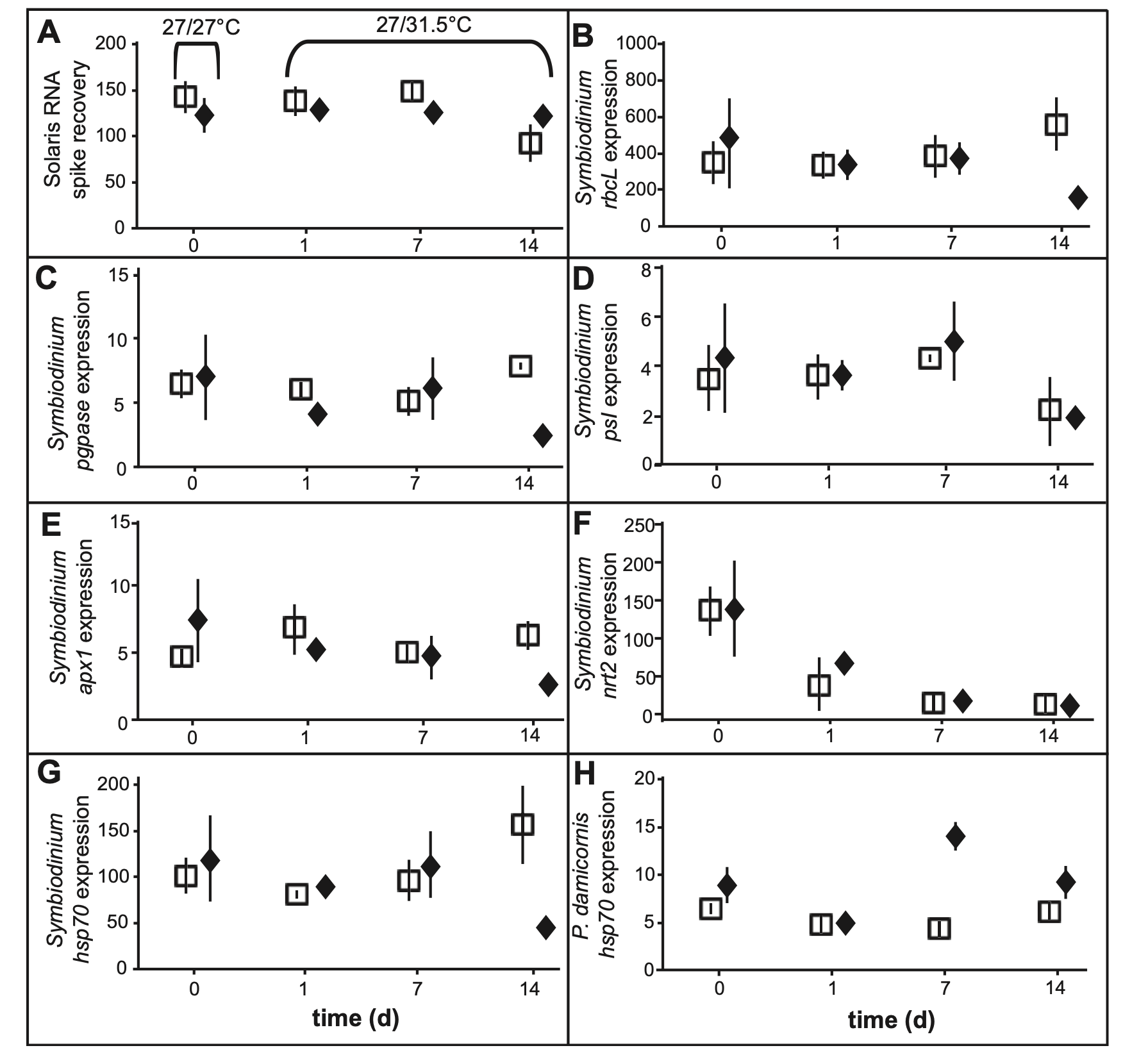
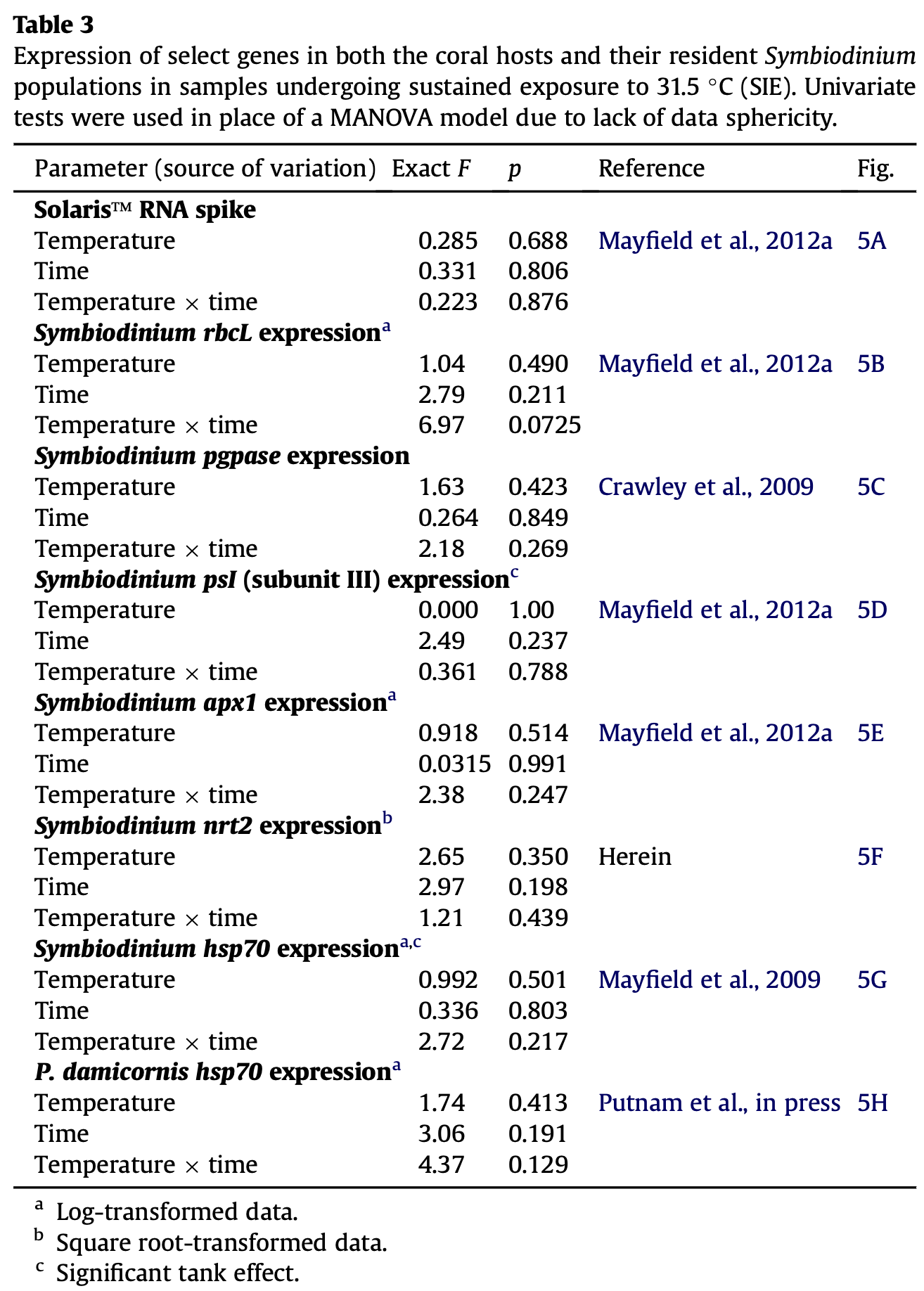
One finding surprised the researchers: the gene expression markers they measured — including heat-shock proteins and photosynthesis-related genes — looked nearly the same between healthy and dying corals (Fig. 5). This is important because scientists have hoped these molecular signals could serve as early-warning indicators of coral stress, the way a blood test might flag illness before symptoms appear. The 2013 results suggest that for this species at least, those markers don't reliably distinguish a coral that's coping from one that's already past the point of no return. The takeaway for reef conservation is both cautiously hopeful (corals may have more resilience to heat if natural temperature variation is preserved) and sobering (once that variation disappears under sustained warming, the window for recovery closes fast).
Fig. 3: More endosymbiont data (back when we used “Symbiodinium” instead of the preferred “Symbiodiniaceae).
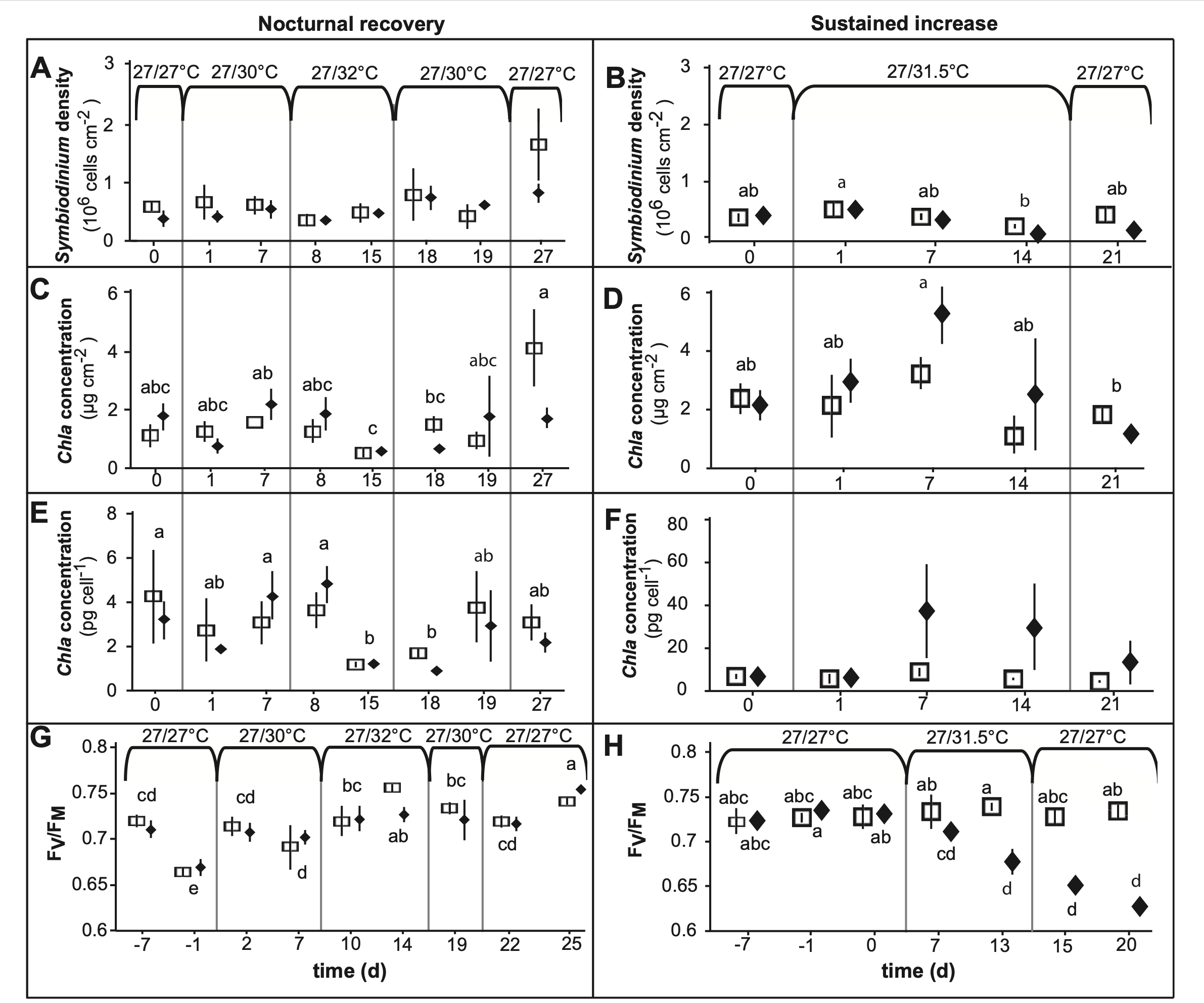
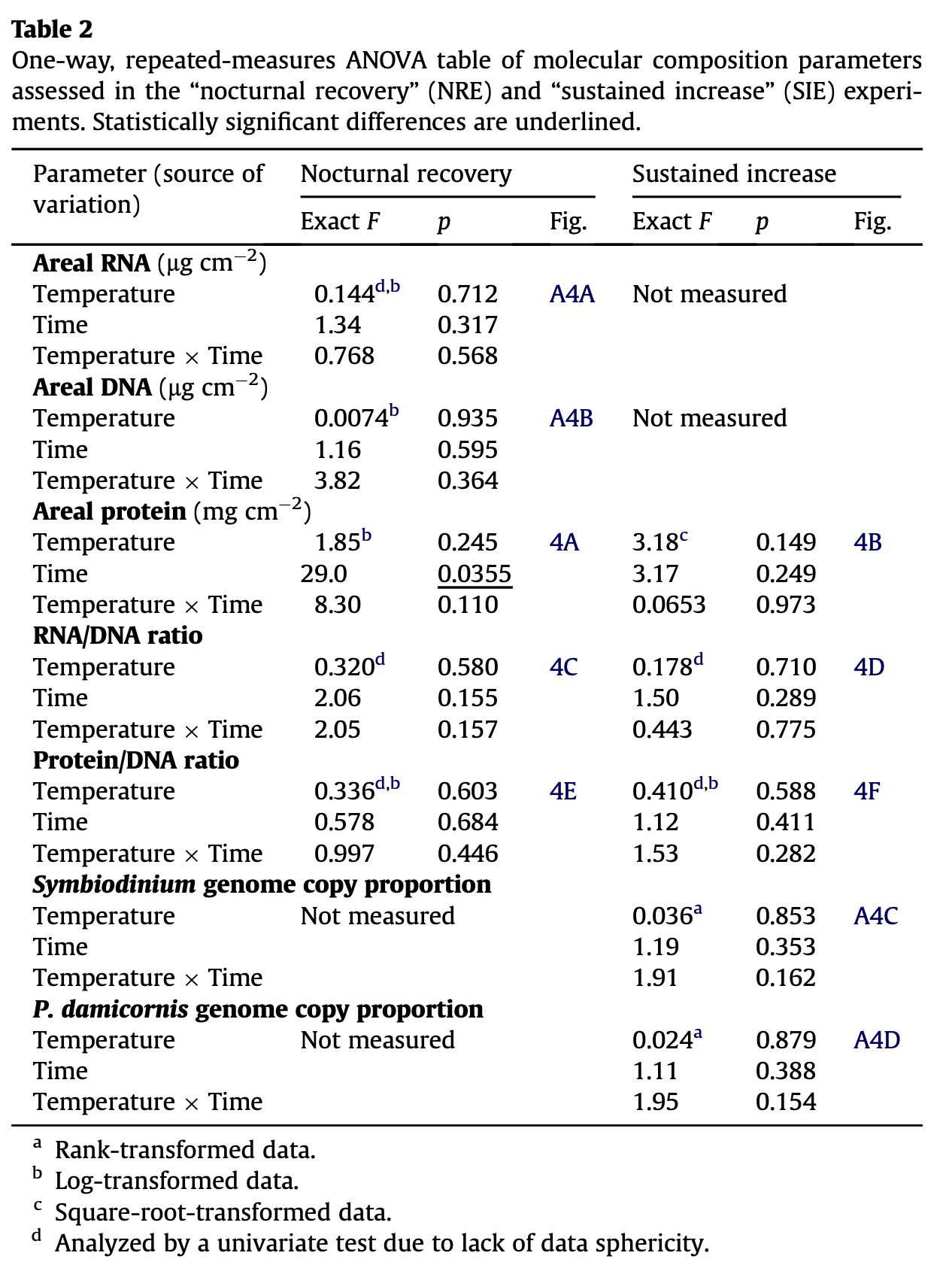
Fig. 4: Molecular data I-biological composition
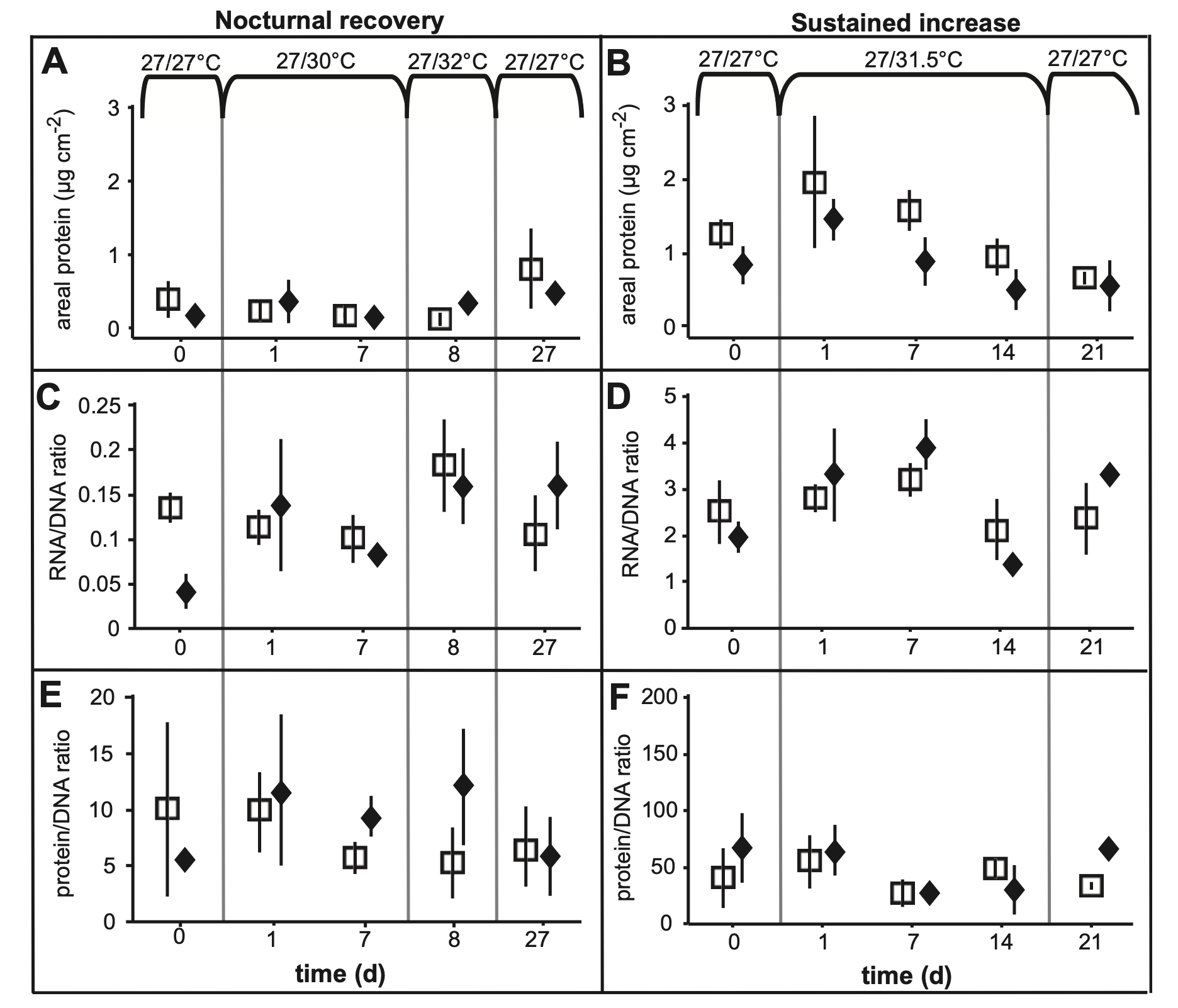
Fig. 5: Gene expression (host coral & dinoflagellate endosymbionts)